
A wool rug and a sofa are two different jobs.
Dust mites, pet dander and stubborn stains out of rugs, sofas, sectionals and chairs, with fiber-safe, eco-friendly products.
- The fiber is identified before anything is applied to it
- Dust mites, pet dander and stubborn stains extracted out
- Rugs, sofas, sectionals and dining chairs, cleaned on site
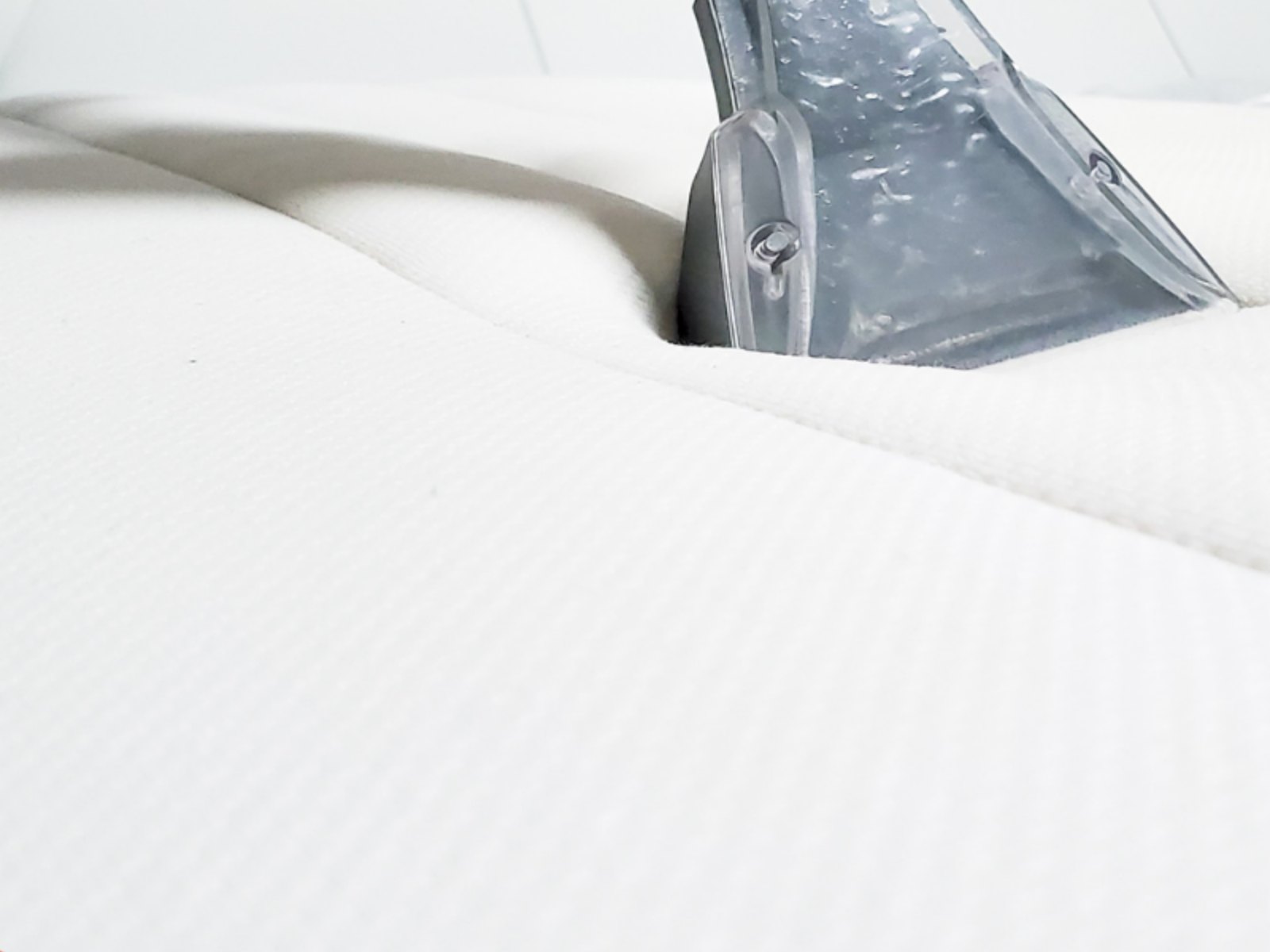
Can my sofa and my area rug be cleaned in my home, or do they have to go somewhere?
- Area rugs
- Sofas
- Sectionals
- Armchairs
- Dining chairs
- Ottomans
In your home, on the day you book. California First Carpet Cleaning cleans and restores rugs and upholstery across Los Angeles County with eco-friendly products, and the crew works on the piece where it lives: the sectional stays in the living room, the runner stays in the hall. What changes from piece to piece is the method, not the address. A wool rug, a cotton slipcover, a synthetic sofa and a chair with a silk-look weave all take water, heat and cleaning agents differently, so the first thing we do is read the fiber and the manufacturer's tag, and test in a corner nobody sees. Then the stain and the pet odor get an enzyme-based treatment, the piece is cleaned at a setting the fiber can take, and the dust mites and the dander come out with it. If a rug needs more than an in-home cleaning can give it, we say so at the inspection, not afterward.
How we do it
-
Read the fiber
Wool, cotton, viscose, a synthetic blend, and the cleaning code on the upholstery tag. We test in a hidden spot for color fastness before a drop of anything touches the part you can see.
-
Pre-treat
Enzyme-based stain and odor removal on the spot on the arm, the ring under the coffee table and the corner the dog prefers. Pet odor in a rug's backing gets the treatment where it lives, not on the surface.
-
Clean and restore
Extraction at the water and heat the fiber can take, with allergen-neutralizing agents for the dust mites and pet dander that live in cushions and pile. Cushions are done on every side you sit on.
-
Walk through
Every stain we treated gets checked with you: gone, faded, or set. Then you get drying advice for that piece in that room, because a sectional by a window and a rug on a tile floor dry differently.
What decides your quote
A wool rug and a synthetic sofa are different jobs, so there is no flat price on this page. These five things decide the quote, and you can tell us all of them on the phone.
- The fiberWool and natural fibers take more care and more time than a synthetic. Read the tag, or describe it and we work it out with you.
- Size and countRug dimensions in feet, or how many seats a sofa or sectional has and how many loose cushions.
- Soil and stainsGeneral dinginess is one job. A red wine ring, an ink mark or a pet accident is another, and we tell you which ones we expect to move.
- Pet odorEnzyme-based odor removal for the backing of a rug or the deck of a sofa, where the smell actually lives.
- AccessA rug we can lift and a sectional we can pull out from the wall go quicker than a fitted piece in a tight room, or a walk-up with no elevator.
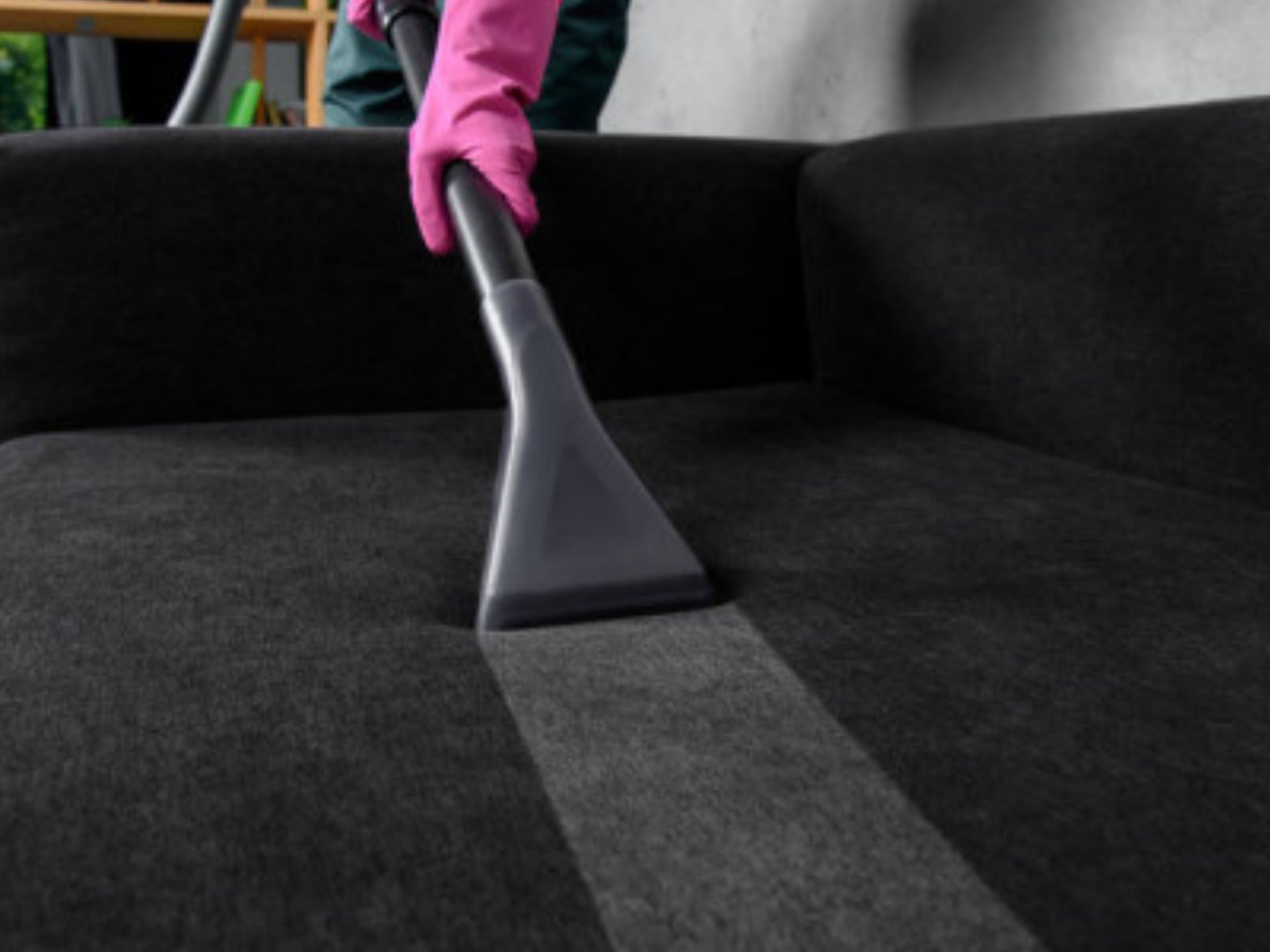
Always included
No matter the fiber, the piece or the size of the rug.
- A fiber and color-fastness inspection before any product touches the piece.
- Enzyme-based treatment on every stain and every pet spot you point out.
- Cleaning with eco-friendly products, with allergen-neutralizing agents for dust mites and pet dander.
- A walk-through of every treated stain, with a plain word about any that set before we arrived.
- The 100% satisfaction guarantee.
Wool, silk, the sofa you sit on every night: what to expect.
- gone:
- dust mites in the cushions
- pet dander in the pile
- the ring on the arm
- the smell in the rug's backing
- stays:
- the color it came with.
The fiber comes first
The risk with a good rug or a favorite chair is not the dirt staying, it is a color bleeding or a fiber shrinking because someone cleaned it the way they clean a carpet. That is why the test corner comes before the cleaning, why a wool rug and a synthetic sofa get different settings, and why we say no at the inspection when a piece is not a job for a wand in a living room.
Drying a sofa, drying a rug
A sofa holds its water in the cushion foam and the deck, where air reaches it only from the top. A rug on a hard floor holds it in the backing, pressed against tile or wood that lets nothing through. So the two dry on different clocks, and the fiber sets the pace: a dense wool pile and a thin cotton flatweave are not on the same schedule. How long each takes is answered at the walk-through.
Pets and kids
A cushion is where a child's face and a cat's fur meet, so the cushions are the target: allergen-neutralizing agents for the dust mites in the foam and the dander on the deck under the seats. Eco-friendly products, for a plain reason: nobody rinses a sofa. What goes into the fabric stays close to whoever sits on it, and that is the standard the products are chosen against.
Rug and upholstery cleaning from the beach cities to the foothills.
Salt air near the coast and the dust of the foothills both end up in a rug's pile and a sofa's cushions, and the crew reaches both sides of Los Angeles County from the same van. Houses, apartments, offices with a waiting-room sofa: the piece is cleaned where it sits, and there is no shop to carry it to.
- Santa Monica
- Venice
- Marina del Rey
- Pacific Palisades
- Malibu
- Brentwood
- Redondo Beach
- Manhattan Beach
- Hermosa Beach
- Rancho Palos Verdes
- San Pedro
- Long Beach
- Whittier
- Pasadena
- Claremont
- Sherman Oaks
- Calabasas
The questions the fiber decides
Do you clean wool rugs on site?
Many of them, yes, at settings wool can take, after a color-fastness test in a corner. Some rugs should not be wet-cleaned on a floor at all: a hand-knotted piece with unstable dyes, a silk, a rug with a damaged backing. Call, describe the rug and where it came from, and we tell you what we can do for it, and say plainly when the honest answer is that we should not.
Will the colors in my rug run?
That is the first thing we check, before anything else happens. A test in a hidden corner shows whether a dye moves when it meets water and the cleaning agent. If it does not, we go ahead at the setting the fiber can take. If it does, we stop and tell you, and the rug is not cleaned wet on your floor. A rug that bleeds in the test would have bled in the cleaning.
How do I dry a sofa after it has been cleaned?
Stand the loose cushions on edge so air reaches both faces, pull the sofa a hand's width from the wall, and aim a fan across it rather than at it. Keep the air conditioning running if it is humid. Sit on it once the fabric feels dry to the palm, not damp to the back of the hand. How long that takes depends on the fabric and the room, and we tell you at the walk-through.
Can you clean a rug that sits on top of carpet, or does it have to come up?
It comes up where it can. Lifted off the carpet, the rug's backing gets the treatment directly, the carpet beneath stays dry, and the rug goes back down once it has dried. If it cannot be lifted, because of the furniture on it or its size, we clean it in place, work the treatment down from the top, and give you drying advice for the rug and for the carpet under it.
Do you clean leather or a sofa with a dry-clean-only tag?
The tag decides, and we read it before quoting. A dry-clean-only code or a leather piece is not cleaned the way a fabric sofa is, so we do not promise it on the phone. Send a photo of the tag or describe the piece when you call and you get a straight answer about what we can do for it and what we will not attempt.
What does the guarantee cover on a rug?
The result named at the inspection. If a stain we said would move is still there once the piece is dry, or the smell in the backing came back, you call and the crew returns to treat it again. A stain we flagged as set before we started is not covered by a promise we did not make, which is why the walk-through names each stain as it is rather than hoping you will not notice.
Read the tag. Describe the stain. We take it from there.
- Flexible scheduling, and a rug or a sofa can ride along with a carpet visit
- info@californiafirstcarpetcleaning.com
- Read our reviews on Google
- Same treatment for a bed? Mattress cleaning.