
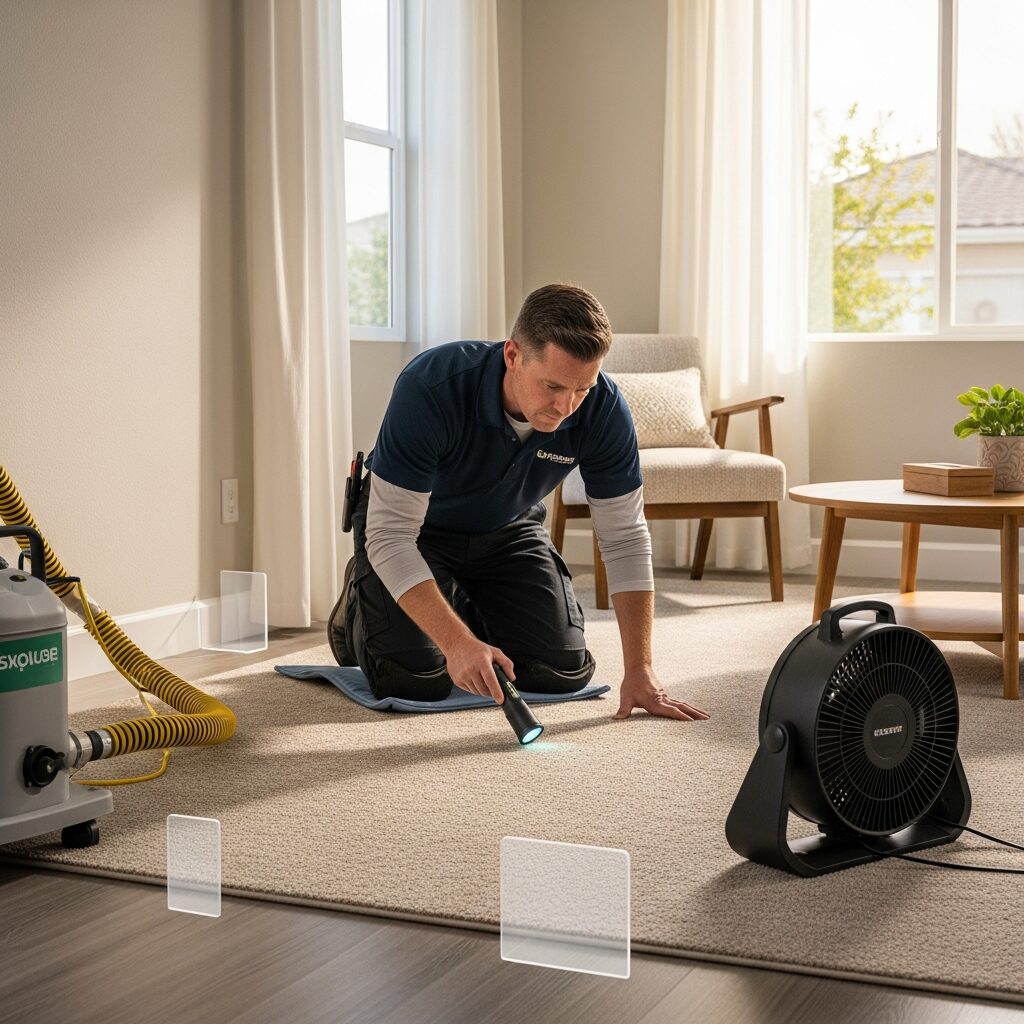
Living in Sherman Oaks, we get used to the rhythms of the Valley—the soft glow along Ventura Boulevard in the evening, the way the breeze changes when the marine layer retreats, and the distinct feeling of dust that seems to drift in from the 101 no matter how often we close up the windows. Carpets respond to all of it. They trap the good—warmth, comfort underfoot, sound absorption in busy households—and the not-so-good like tracked-in grit from a Griffith Park hike, pet dander from our four-legged companions, and the occasional spill from a backyard barbecue. When neighbors ask what to expect from a comprehensive carpet service here, the conversation naturally turns to how professionals evaluate a home, the options they recommend, and the factors that shape the overall scope of the job. Early on, many homeowners also want to know how to ensure the result is worth the effort. It starts with choosing a trusted local provider for carpet cleaning and understanding the way a technician reads your home’s specific needs.
I always encourage folks in Sherman Oaks to think of carpet care like seasonal home maintenance rather than a one-time chore. Our microclimate brings dry, warm periods punctuated by occasional bursts of moisture. That combination leads to fine dust settling deep in fibers, while indoor humidity changes can influence drying times. A well-trained technician factors in these local conditions as they evaluate the carpeting in living rooms, stairs, bedrooms, and hallways. Before any machine is rolled in, a close visual assessment, fiber identification, and spot testing help determine the safest and most effective approach for your materials.
How Sherman Oaks Homes Are Evaluated
Most professional visits begin with a walk-through. This isn’t just a courtesy; it sets the roadmap for the entire cleaning plan. In Sherman Oaks, floor plans vary widely, from classic ranch homes north of Ventura to multi-level condos tucked closer to Sepulveda and new builds on quieter cul-de-sacs. A tech will note things like the type of fiber—nylon, polyester, wool blends, or solution-dyed synthetics—since each reacts differently to heat, water, and cleaning agents. They will also examine traffic lanes near entryways, stairs that gather abrasive soil, and areas that might require specialized attention due to pet activity or previous DIY attempts.
Accessibility also plays a big role. Tight staircases, rooms with oversized sectionals, or a bedroom that opens to a narrow balcony can influence how tools are set up and how long the work takes. Local parking and hose runs matter too; if your unit is in a building off Moorpark with limited access, a tech might opt for certain equipment configurations to reduce setup time and preserve water control. The more precisely a professional can map the space, the smoother the process and the more consistent the outcome.
Fiber, Construction, and What That Means for Care
Not all carpet is created equal, and Sherman Oaks homes showcase a lot of variety. Cut-pile synthetics common in family rooms respond beautifully to hot-water extraction when done correctly. Looped wool blends found in remodeled dens are more sensitive and may call for lower moisture and gentler agitation. Berber construction can hide soil in the loops; a pro will slow down, adjust vacuum passes, and use the right rinse to prevent wicking. Even within the same house, bedrooms might have plush textures while hallways carry dense, durable fibers engineered to take a beating. A customized approach keeps all of these areas looking consistent after cleaning.
Backing and padding matter as well. Pet accidents that soak through the face yarn and into the pad can appear to vanish after a quick pass with a consumer machine, only to re-emerge days later. A professional plans for this by addressing contamination at the source, using targeted solutions, controlled rinsing, and thorough extraction designed to leave the carpet at a neutral pH and a moisture level that dries efficiently in our local climate.
Soil Levels, Stains, and the Realities of Daily Life
Households in Sherman Oaks tend to be active. We have kids bouncing between school and practice, adults juggling commutes along the 405 and the 101, and plenty of pets who believe every couch and rug exists for their comfort. Soil profiles here often combine fine dust with oily residues from kitchen traffic and outdoor air, which is why a high-quality preconditioning step is essential. This stage, sometimes called the prespray, breaks the bond between soil and fiber so that suspended material can lift free during the rinse. It’s not a place to cut corners because it dictates how thoroughly the fibers release build-up, especially along traffic patterns.
Then there are the unmistakable marks of real life: a red splash on a pale cut pile, the faint shadow of an ink mishap, or the ring that appears when someone tried to dab up a spill with whatever was under the sink. Spot treatment is its own discipline. A pro will identify the type of stain—tannin, dye, protein, oil-based, or synthetic colorants—and select a compatible agent in the least aggressive category that can still do the job. Working patiently, neutralizing between steps, and testing before proceeding all reduce the risk of color loss or fiber distortion. Thorough rinsing and controlled drying finish the job so those rings do not return.
Methods: Why Hot-Water Extraction and Low-Moisture Both Have a Place
There’s a longstanding conversation about methods. In Sherman Oaks, we see value in both hot-water extraction and low-moisture techniques when applied for the right reasons. Hot-water extraction—often called steam cleaning—provides a deep flush of embedded soil when paired with a proper vacuum, agitation, and rinse process. It can be transformative in main living spaces or homes with toddlers and pets where hygiene is a top priority. Low-moisture cleaning, on the other hand, shines in maintenance scenarios, especially for carpets in rooms that need to be put back into service quickly or for sensitive fibers where water limits are prudent.
The best providers do not cling to one method. Instead, they blend techniques across a home as needed. They may hot-water extract the family room and runner, then use a controlled low-moisture method for a delicate guest room. Adjusting the playbook this way reflects an understanding of materials and the Sherman Oaks lifestyle, rather than a one-size-fits-all approach.
Preparation, Furniture, and Protecting Your Home
Good preparation sets the stage for an efficient visit. That might include pre-vacuuming with a commercial machine that captures the fine grit our Valley dust leaves behind, corner guards to protect paint, and moving lightweight furnishings where practical. For heavier items, a professional will clean neatly around bases and use tools to reach under edges without putting strain on your belongings. When appropriate, protective tabs or blocks are placed under furniture feet to prevent any transfer onto damp fibers during the drying window.
Drying is a key part of the plan. In Sherman Oaks, mornings can be cool and afternoons warm, with indoor humidity hovering in a comfortable range for most of the year. A tech will set airflow using fans, encourage cross-ventilation when conditions allow, and verify that cleaned areas feel only slightly cool to the touch rather than wet. The goal is a dry, fresh result you can walk on sooner rather than later, without risk of re-soiling due to dampness.
What Quality Looks Like During and After the Visit
During cleaning, the difference between a surface pass and a professional result shows up in small decisions. Thorough agitation brings prespray into even contact with all fibers. Slow, overlapping extraction strokes pull suspended soil out rather than pushing it deeper. When the rinse is balanced at the right pH, fibers feel soft, not crunchy, and colors look bright without artificial sheen. Afterward, grooming the pile helps traffic lanes blend with surrounding areas and speeds drying by standing fibers upright.
Communication matters too. A seasoned tech will point out permanent discolorations that no method can reverse and offer realistic expectations for areas with prior damage, such as bleach spots or worn tufts in main walkways. They will also leave you with simple guidance tailored to Sherman Oaks living—how to ventilate well on a warm, dry afternoon, why to delay replacing area rugs for a few hours, and easy steps to protect high-use spots in the days ahead.
Frequency and Lifestyle Considerations
How often should you schedule a thorough carpet service here? That depends on your household’s rhythm. Homes with pets and kids may benefit from more frequent maintenance, while quieter condos or guest rooms can go longer between deep cleanings. Many of my neighbors in Sherman Oaks organize their calendar around the seasons—one deep refresh after spring pollen has settled and another before holiday gatherings. The goal is consistent care that preserves fibers, keeps indoor air fresher, and reduces the need for heavy restorative work later.
Choosing a Provider in Sherman Oaks
Selecting a local expert goes beyond glancing at a website. Ask about training, fiber identification, and the range of methods they employ. In our area, it’s also wise to choose someone who understands the quirks of Valley living—parking, building access, and the way our climate impacts drying. Look for clear communication before the visit, confirmation of the rooms and areas you care about most, and a plan for any pet-related issues or sensitive fibers. A company confident enough to explain their process and adjust to your home’s specific needs will usually deliver the consistency you want.
Midway through a project, I like to touch base with clients to show progress in a heavily used room. It’s often a good moment to evaluate whether an additional pass would help a stubborn lane or whether fibers have already released soil as expected. That kind of transparency builds trust and ensures you get a result that matches your goals. If you are considering your next appointment and want a team grounded in local know-how, it helps to start the conversation with professionals who specialize in carpet cleaning for Sherman Oaks homes.
Common Misconceptions
One misconception I hear a lot is that frequent cleaning wears carpet out. In practice, the opposite is true when the work is done correctly. Soil behaves like sandpaper underfoot; removing it on a sensible schedule preserves the twist and texture of the fibers. Another myth is that all methods leave carpets wet for days. With modern equipment and smart airflow, drying times are typically comfortable for busy households in the Valley. People also assume that stains are either instantly fixable or permanently hopeless. The reality sits in the middle: patient, methodical work can dramatically improve many stains, and expectations should be guided by fiber type and prior attempts to treat the area.
Aftercare and Everyday Habits
Once the work is done, small habits make a big difference. A quality doormat outside and inside main entries captures a surprising amount of soil. Regular vacuuming with a machine that has an adjustable beater bar protects delicate fibers while lifting dirt before it compacts. Prompt attention to spills—blotting gently, avoiding scrubbing, and using neutral cleaners—prevents rings and dye movement. Rotating furniture and area rugs evens out wear, and a quick grooming pass on visible traffic lanes helps them relax between visits.
Why Local Expertise Matters
What sets Sherman Oaks apart is the blend of suburban calm and urban energy. We host gatherings on patios shaded by jacarandas, then hurry back inside when the afternoon sun heats up the yard. That quick transition from outdoors to in brings dust, pollen, and the subtle films of daily life into your home. A local pro reads these patterns. They know how our afternoons help a carpet dry and when to bring in extra airflow on cooler mornings. They’ve cleaned in ranch homes, mid-century condos, and modern remodels, each with details that influence how best to care for the carpet underfoot.
FAQ
How long will my carpets take to dry? In Sherman Oaks, drying typically benefits from our warm afternoons and manageable humidity. With proper airflow, you should feel areas becoming walkable the same day, often within hours. Your technician will tailor ventilation advice to the specific fiber and the day’s weather.
Will deep cleaning make stains reappear? When addressed methodically and rinsed thoroughly, stains should not return. Reoccurrence often traces back to residues left behind or moisture trapped below the face fibers. Professionals use neutralizing rinses and extraction techniques to prevent wicking and ghosting.
Is it safe for kids and pets? Yes, when done by trained pros who use well-chosen solutions and thorough rinsing. Ask your technician about the products selected for your home; they can explain why a certain prespray or spotter is appropriate and how fast-drying practices keep the environment comfortable for the whole family.
What about wool or delicate fibers? Natural fibers deserve care that respects their structure. Expect lower water, gentler agitation, and compatible detergents. A knowledgeable provider will test dyes, monitor pH, and focus on controlled drying to maintain the fiber’s integrity.
How often should I schedule a visit? Frequency depends on activity. Homes with pets and kids benefit from more regular maintenance, while guest rooms or lightly used spaces can wait longer. Many Sherman Oaks residents plan around seasonal changes and major life events to keep everything looking fresh.
Do I need to move all my furniture? Not necessarily. Most teams will move lighter items upon request and protect heavier pieces with tabs. The goal is to clean thoroughly without disrupting your home more than necessary.
Will cleaning remove pet odors? It can, provided the source is addressed. Surface treatments alone may not be enough if contamination has migrated into the pad. A professional will evaluate the extent and recommend an approach that targets the problem at its origin.
How can I keep carpets looking good between visits? Vacuum regularly, use entry mats, rotate furnishings, and address spills quickly with gentle blotting. These small habits extend the life and appearance of your floors.
If you are ready to refresh your home, trust a local team that understands our neighborhoods, our climate, and the daily realities of Valley living. Schedule a visit with professionals who prioritize fiber care, controlled drying, and clear communication, and enjoy the comfort of beautifully maintained floors. When you are thinking about your next step, reach out to a trusted leader in carpet cleaning and feel the difference every time you walk across your living room.