
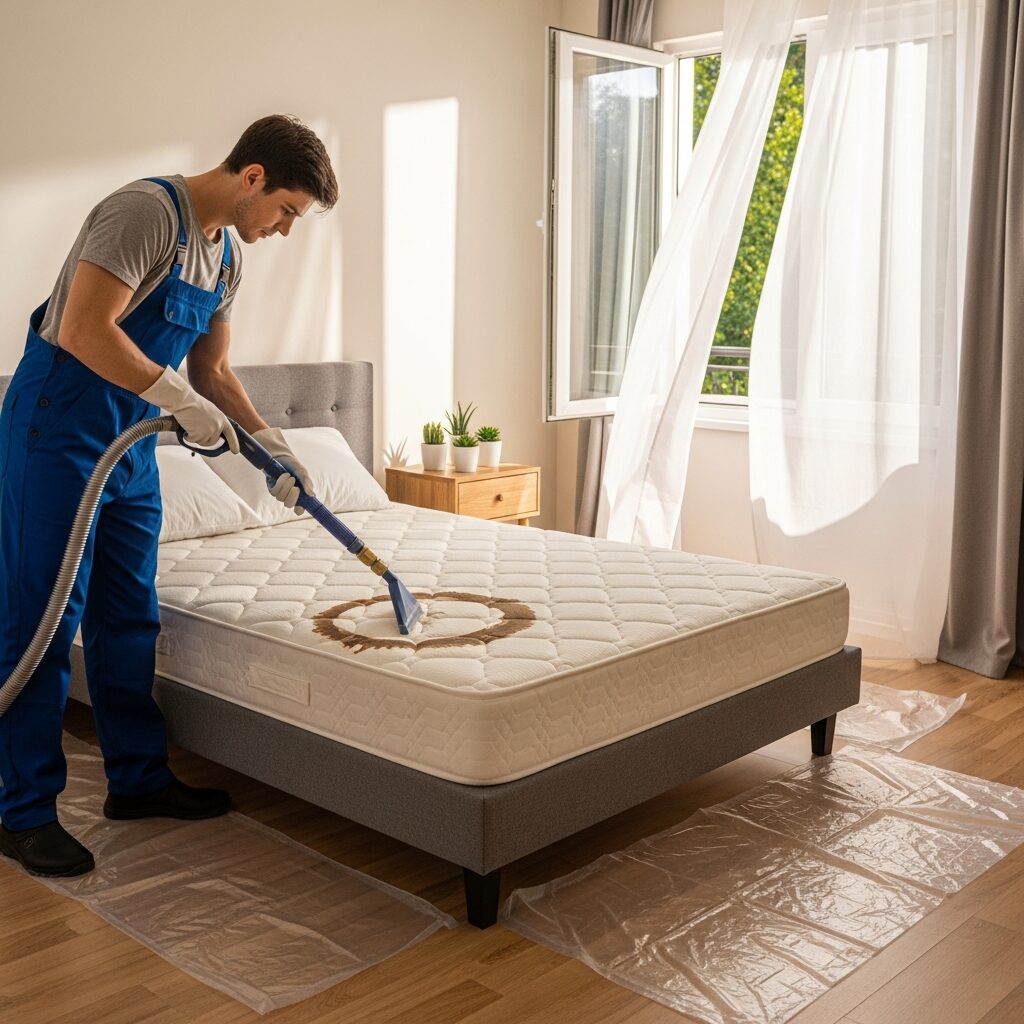
Stains tell the story of real life at home. In Sherman Oaks, where a Sunday brunch might drift into a lazy afternoon nap or a late movie night turns into a family pile-on with the dog, mattresses naturally collect proof that we are living fully. A drip of coffee, a bit of sweat after a hot Valley day, the occasional pet mishap—none of it is unusual. But stains and the odors that sometimes accompany them do not have to define your bedroom. The right blend of science and local know-how can restore freshness and peace of mind. If you have been weighing options for tackling stubborn spots or just want a comprehensive reset, it helps to begin with resources dedicated to mattress cleaning so you understand which approaches truly work in our climate and which myths to skip.
Deep cleaning and stain removal are related but distinct. Spot care focuses on the chemistry behind a specific mark—protein from perspiration or blood, tannins from tea or wine, oil from skin or hair products—while deep cleaning addresses the broader environment inside your mattress fibers. Both are essential for a mattress that looks, smells, and feels renewed. In a place like Sherman Oaks with its gentle breezes, seasonal pollen, and warm summers, mattresses tend to absorb more airborne material than we realize. Over time, that invisible buildup dulls the surface and makes fresh sheets feel less fresh, faster. A deep clean resets the baseline so spot treatments can perform at their best and last longer.
Understanding stain chemistry
Every stain responds to its own science. Protein-based spots from perspiration, blood, or food residues typically need enzyme-driven solutions that break down complex molecules into smaller, rinsable components. Tannins from tea, coffee, or some plant-based spills may require gentle oxidizers that lift color without bleaching surrounding fibers. Oil-based soils—think skin products, makeup, or natural body oils—benefit from solvent-compatible pre-treatments that loosen slick residues so they can be rinsed away. The art is in applying the right chemistry with enough dwell time to be effective, followed by a thorough, balanced rinse that prevents residues from reappearing as halos.
When mistakes happen, they often stem from rushing or from using a one-size-fits-all cleaner. Scrubbing aggressively can distort delicate quilting and drive soils deeper, while strong oxidizers used too soon may lighten a stain’s center and exaggerate its edges. Professionals avoid these pitfalls by testing, timing, and working in controlled passes. They keep moisture in a safe range so the mattress dries properly and the interior does not hold onto liquids that could migrate upward later.
The role of deep cleaning
Beyond visible stains, mattresses accumulate fine dust, skin flakes, pollen, and residues from detergents and personal care products. During dry Sherman Oaks months, this buildup can accelerate as open windows and backyard time invite more particulates indoors. Deep cleaning starts with meticulous dry extraction to lift these loose soils. Next comes targeted pre-treatment for areas of general discoloration, followed by controlled rinse-extraction that flushes contaminants out of the upper layers. Anti-allergen applications may be added when sensitivities are a concern, and thorough moisture checks ensure the mattress will dry efficiently.
This reset does more than brighten fabric. It improves how air moves around the mattress, making sheets feel crisper for longer and leaving the room with a neutral, calm scent. Crucially, by removing the invisible layer of residues, you reduce the tendency for new spills to bond stubbornly to the fabric, which in turn makes future spot treatments more effective.
Local insight for Sherman Oaks homes
Our neighborhood’s specific rhythms matter. A breezy evening can carry in pollen and dust that settle on your bed, especially if you enjoy airing out the room after a warm day. In older homes, slight drafts can encourage fine particles to migrate toward textiles. Meanwhile, families with pets find that dander and the occasional muddy paw add to the cleaning queue. Local professionals understand these patterns and can tailor recommendations: when to schedule deep cleans, how to balance protector breathability with spill resistance, and which aftercare habits make the biggest difference in Valley conditions.
The Valley sun also plays a role. While sunlight can help with odor dispersion on bedding, prolonged direct exposure can stress some mattress fabrics. Professional teams are careful to manage drying using airflow rather than heat, and they offer clear aftercare tips so you can support the process without unintended side effects.
What a professional visit looks like
Expect a thorough but calm process. The technician will inspect your mattress to identify materials and prioritize areas of concern. Dry extraction removes surface dust and debris. Stains are mapped and categorized, then treated with solutions designed for their chemistry. Gentle agitation helps, but scrubbing is avoided to protect fibers. A measured rinse-extraction removes loosened soils, and moisture readings confirm that the interior is not overly wet. The result is a surface that looks brighter and feels fresher, with odors neutralized rather than masked.
Transparency is key. A trusted cleaner will explain ahead of time if a stain is unlikely to disappear completely, especially older or previously treated spots. Even then, a significant improvement in appearance paired with complete deodorization is often possible. Clear expectations make the outcome more satisfying and help you plan future maintenance.
Aftercare that preserves results
Once your mattress is clean, simple routines will keep it that way longer. Use a breathable protector and wash it regularly. Launder sheets with unscented detergent, and dry thoroughly to prevent residual dampness. Rotate the mattress per the manufacturer’s guidelines. Vacuum lightly around the bed frame to cut down on dust migration. If you love sleeping with windows open, consider timing it for late mornings when airborne pollen often settles. And if new spills happen, blot and ask your cleaner for quick advice before trying products that may set the stain.
Keeping momentum is easier when you understand why it matters. A clean mattress supports better indoor air, which helps you wake up feeling clearer. It also extends the life of your bedding and makes your bedroom feel ready for rest every time you walk in. Periodic deep cleaning becomes a small but powerful habit in the larger context of home care.
Why DIY can backfire on tough stains
Over-the-counter products promise quick fixes, but they frequently leave residues that attract new soil or create visible rings when they partially dissolve a stain without extracting it. Scrubbing can pill fabrics and thin quilting. Using too much liquid can saturate the comfort layers, slow drying, and cause discoloration to wick back. Professionals counter these risks by matching chemistry to soil type, controlling moisture, and extracting thoroughly so the area dries evenly. The difference is not just how it looks on day one, but how it holds up weeks later.
There is also the matter of warranty and material safety. Certain foams and natural fiber blends can be sensitive to harsh chemicals. An expert’s measured approach protects both performance and appearance, ensuring your mattress continues to feel supportive and comfortable.
When you are ready to plan a refresh, anchor your decisions in proven, locally informed methods. Focus on a blend of stain-specific treatment and periodic deep cleaning so your mattress remains a truly restful place. To help you navigate your options, consult guides devoted to effective deep mattress cleaning and make a simple plan you can keep.
FAQ
Q: Can old stains really come out? A: Age, composition, and previous attempts all influence results. Many older stains can be significantly lightened and fully deodorized, but transparency about likely outcomes is part of a professional approach.
Q: How often should I schedule deep cleaning? A: Many homes do well with an annual visit, while busy households with pets or kids often prefer a semiannual rhythm. Local pollen bursts or a season of open windows may suggest an extra refresh.
Q: Are the cleaning agents safe for sensitive sleepers? A: Reputable services use solutions selected for both effectiveness and safety, with options that are fragrance-free. Always mention any sensitivities so your technician can tailor the process.
Q: Will the process over-wet my mattress? A: No. Moisture is carefully controlled and monitored. The goal is to flush contaminants from the surface layers while ensuring efficient drying through airflow and measured extraction.
Q: What should I do if a new spill happens? A: Blot gently with a clean, absorbent cloth, avoid scrubbing, and contact your professional for guidance. Acting quickly without aggressive chemicals preserves the best chance of full removal.
Restore calm to your bedroom
Your mattress should invite rest, not worry. If stains or subtle odors have started to steal attention from the comfort of your space, partner with a local expert who understands Sherman Oaks homes and our Valley climate. Build a routine that pairs mindful habits with scheduled mattress cleaning, and enjoy the quiet satisfaction of a sleep surface that looks as good as it feels.