Pets make Sherman Oaks feel like home. Morning walks along quiet, tree-lined blocks, afternoons on shaded patios, and the occasional sprint through a living room when the zoomies hit—our animals bring life to every corner. They also leave little reminders on the carpet from time to time, whether it’s a puppy learning the ropes, a cat who missed the mark, or an older companion managing age-related accidents. When those moments happen, steam carpet cleaning—properly known as hot water extraction—can play a powerful role in restoring freshness and comfort. The key is doing it right, with an understanding of pet chemistry, fiber care, and the unique logistics of Sherman Oaks homes and condos.
Let’s start with what makes pet accidents challenging. Urine, for instance, is more than a spot; it’s a complex mixture that changes as it dries. Fresh deposits are typically acidic, but as they age and bacterial activity increases, they shift alkaline and release ammonia-like odors. Odors can live below the surface in the backing or pad, and sometimes they migrate outwards, creating a larger affected zone than you see on top. That’s why success depends on more than a quick surface rinse. Effective hot water extraction combines detection, targeted chemistry, and controlled flushing so you address both the visible stain and the invisible source.
For Sherman Oaks homes, another layer is logistics. Condos near Ventura may require portable extraction units and careful coordination with elevators. Hillside properties with tight driveways may benefit from alternative hose routing or different machine setups. The point is simple: a skilled team adapts to the building and the problem at hand, rather than forcing one approach everywhere. If you’re comparing options, look for providers who explain their process and tailor it to your location and carpet construction—a surefire sign you’re in good hands. And when you’re just getting oriented, it can be helpful to review a provider that specializes in carpet cleaning for Valley homes, because their approach to pet issues reveals a lot about overall craftsmanship.
Assessment comes first
A strong visit begins with an assessment that goes beyond a quick glance. Technicians will ask where your pet prefers to rest, whether accidents cluster in certain rooms or near doors, and how long specific spots have been present. UV lights help reveal older deposits that don’t show in regular lighting, while moisture meters can detect saturation patterns. This mapping matters, because you don’t want to treat a small circle and miss a larger halo beneath the fibers. Once the affected zones are identified, the plan takes shape.
Pre-treatment is next. Enzyme-based solutions target organic residues, breaking them into components that can be rinsed away. For older spots with color change or odor set deep, a careful balance of oxidizing agents may be used, applied with dwell time that respects the fiber and backing. The operative word is balance. Overdoing products on wool blends or delicate fibers can cause issues, so experienced pros test discreetly and adjust as they go.
Why hot water extraction works so well
Steam carpet cleaning isn’t simply about heat; it’s about the controlled movement of water in and out of the pile. After dry-soil removal and pre-treatment, the rinse phase uses heated water at calibrated pressure to lift soils, residues, and broken-down contaminants, immediately extracting them to avoid overwetting. In the context of pet stains, this means flushing the components that produce odor while minimizing the chance they resurface later. Technicians may perform extra passes in targeted zones or use subsurface tools if contamination reached the pad, always weighing the goal of thorough removal against the need to protect adhesives and backing.
Grooming after extraction realigns fibers so they dry evenly and look uniform. Air movers then encourage fast evaporation. In Sherman Oaks, where afternoons can be warm and evenings cooler, savvy teams use airflow and temperature management to help rooms return to normal quickly. They’ll also place protective blocks or tabs under furniture to avoid wood or metal marks transferring to damp carpet.
Dealing with lingering odors
Some pet odors are stubborn because they persist beneath the surface or at baseboards where marking behavior occurs. If a spot has been present for a long time, technicians may recommend a more intensive subsurface treatment or, in extreme cases, pad replacement and sealing of the subfloor. Those conversations can sound daunting, but they’re part of a responsible approach that aims for true odor control rather than masking. Your provider should explain options clearly and help you choose the right level of intervention based on how sensitive your household is to scent and how visible the staining is.
Occasionally, a stain that looked subdued during cleaning can reappear slightly as the carpet dries—a phenomenon called wicking. Professionals anticipate this by adjusting rinse volume, managing airflow, and revisiting areas during the appointment to make final passes. If a ghost of a spot shows up the next day, a quick follow-up can usually settle it.
What to do right after an accident
Between professional visits, a few smart moves can make a world of difference. Blot rather than scrub, working from the outside in to avoid spreading. Use clean, white towels to monitor progress, and resist the urge to dump household chemicals on the area, which can lock in discoloration or create harsh residues. If you know a pro is coming soon, a light blot and a note to your cleaner is often the best course. They can then test and treat without fighting against mystery products.
Setting expectations
Even with careful work, some pet stains leave a faint outline or a slightly different texture where fibers were affected. The value of a professional lies in maximizing improvement while protecting the health of the carpet. They’ll tell you what’s likely to change and what may remain, and they’ll suggest preventive strategies—like a washable rug by a frequently used door or adjusting a litter box location—that reduce repeat incidents.
Apartment life, pets, and planning
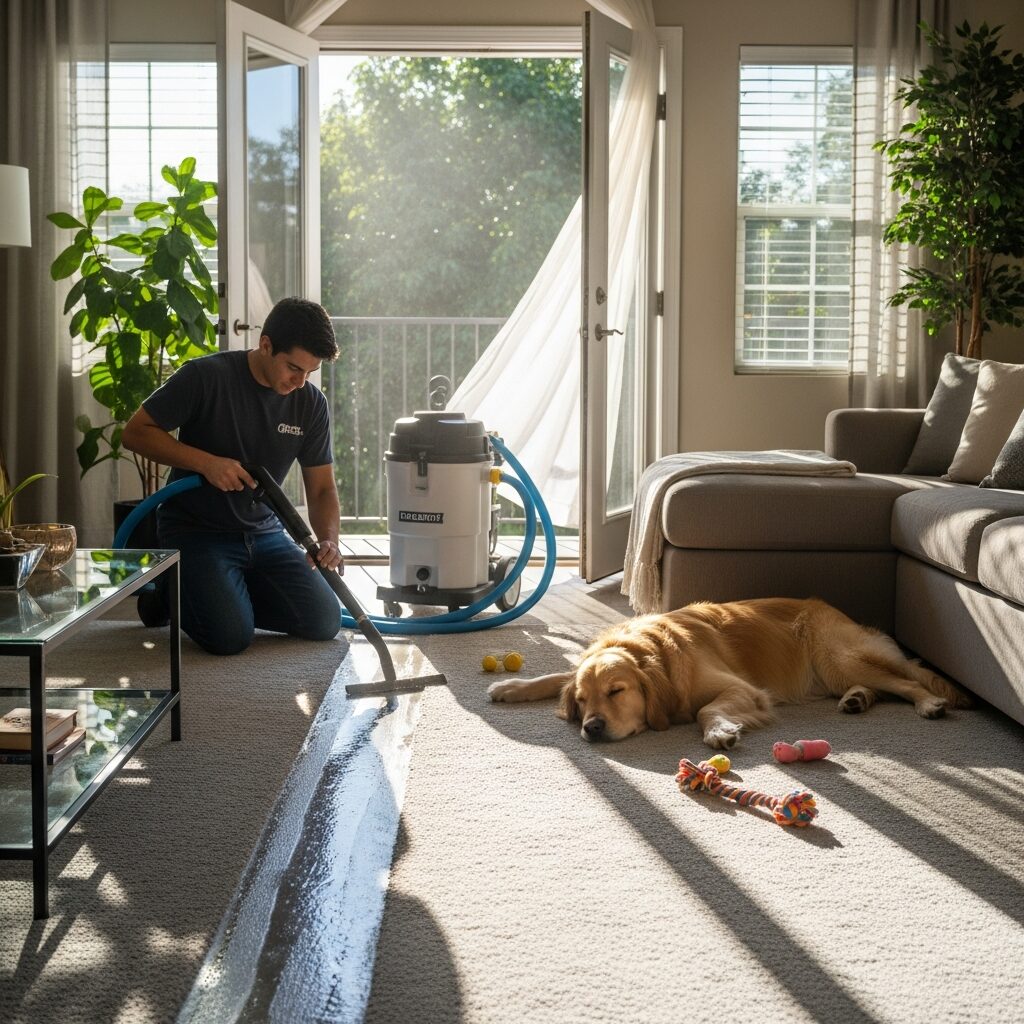
In Sherman Oaks apartments and condos, planning makes everything smoother. Share elevator access rules, parking notes, and pet plans before the appointment. If your cat is curious, set up a comfortable room away from hoses and air movers. If your dog is friendly to a fault, a favorite toy and a quiet space can make the visit feel like a nap rather than an interruption. It’s also wise to mention any previous DIY spot attempts; transparency helps your technician avoid reactions between products.
Maintenance rhythm for pet households
With pets, I’m a fan of an annual restorative clean plus one or two targeted refreshes for high-use zones. Entryways, living rooms where the family gathers, and favorite nap spots usually benefit most. Between visits, regular vacuuming with a good machine, quick blotting after accidents, and periodic rotation of movable rugs extend the life and look of your flooring. Some households also benefit from protector re-application on traffic lanes to make future blotting more effective.
Why local experience matters
Pet-related cleaning isn’t just about chemistry and machines; it’s about empathy and local know-how. Technicians accustomed to Sherman Oaks understand how our climate influences drying, how street dust settles differently near busier corridors, and how to navigate building rules without stress. They notice when balcony doors invite small drips after watering plants and when sunlit rooms need a gentler pH to keep colors true. That attention to detail pays off every time.
In the middle of your decision-making, it helps to look closely at a service that frames pet issues within a broader commitment to safe, effective carpet cleaning. The way they talk about detection, chemistry, rinsing, and airflow tells you how they’ll treat your home and the animals who run it with you.
Frequently Asked Questions
Can steam cleaning remove pet urine completely? Often it can significantly reduce both staining and odor, especially with proper detection and pre-treatment. Deep, long-standing contamination may require subsurface treatments or pad work for full resolution.
Is hot water extraction safe for pets and kids? When performed with well-chosen solutions and thorough rinsing, it’s a safe, effective process. Reputable teams use low-residue products and manage drying so spaces return to normal quickly.
Will cleaning make odors worse? Done correctly, no. Sometimes odors rise briefly as contaminants are mobilized, but proper extraction and ventilation resolve this. Masking fragrances can be misleading; focus on true odor control instead.
How soon can my pet walk on the carpet? Light, clean-foot traffic is usually fine after initial passes, but keeping pets off until fully dry yields the best results and prevents tracking from damp fibers to hard floors.
What if a stain comes back the next day? That’s likely wicking. Contact your provider for a quick touch-up. Pros often anticipate and minimize this with adjusted rinse and airflow, but a follow-up can finish the job if needed.
Do I need special cleaning for wool rugs with pet accidents? Yes, wool prefers gentler pH and temperature. Inform your cleaner in advance so they can tailor products and techniques.
How can I prevent repeat accidents? Clean thoroughly to remove scent markers, keep litter areas tidy and accessible, and consider small layout tweaks. Your technician can suggest practical strategies based on the rooms you use most.
If pet life has left a few too many reminders on your carpet, reach out to a local team that treats pets with understanding and specializes in restorative carpet cleaning. Share your concerns, your pet’s habits, and your timeframe, and let a thoughtful pro bring freshness and comfort back to the rooms where your family spends the most time.