
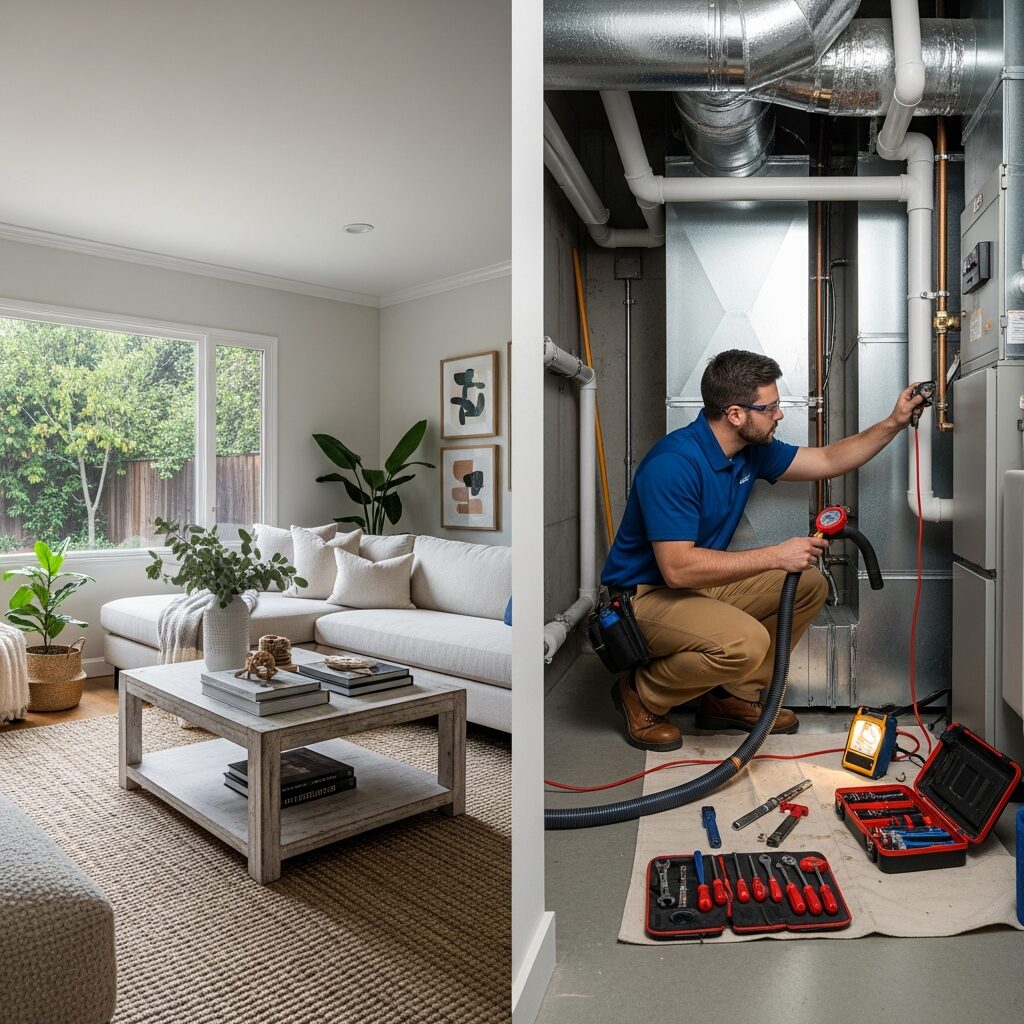
Understanding What Really Shapes Air Duct Cleaning Needs in Sherman Oaks
In Sherman Oaks, homes and condos share something in common: we all breathe the same Valley air, and our HVAC systems work hard to keep indoor spaces comfortable through long warm seasons and cooler nights. Over time, that steady airflow becomes a delivery route for dust, lint, pet dander, and fine particles that settle inside ductwork. When neighbors ask me about “air duct cleaning cost,” what they usually mean is, “What determines how involved this job will be for my place, and how do I make sure it’s done right?” The best way to think about it is not as a single flat number, but as a combination of home layout, system design, contamination level, and the standard of workmanship you choose. If you’re starting your research, it helps to look at what reputable providers consider a complete service, like air duct cleaning that targets the entire system rather than just the vents you can see.
Sherman Oaks properties range from mid-century houses tucked into quiet streets to modern condo buildings with shared walls, compact mechanical closets, and varied HVAC configurations. That diversity matters. Duct cleaning is not a one-size-fits-all chore; it’s a technical service that depends on access points, duct material, and how the air handler, blower, coils, and returns are arranged. A small condo with short duct runs may be simpler to access, but may also have tight mechanical spaces that require extra care and specialized tools. A single-family home might have longer runs, multiple returns, and attic ducts that collect dust differently depending on insulation and sealing. Understanding those factors will help you compare quotes and, more importantly, compare scopes.
Why “Cost” Is Often a Stand-In for Scope and Quality
People naturally want an easy benchmark, but duct cleaning isn’t like buying the same appliance model at different stores. Two companies can give two very different proposals because they’re offering different levels of work. A thorough service typically addresses supply ducts, return ducts, the air handler cabinet, blower components, and registers. It also includes inspection steps to verify conditions before and after. A minimal service might involve a quick vacuum at a few vents, leaving the rest of the system untouched. In a place like Sherman Oaks, where dust can be fine and persistent, partial cleaning often leads to disappointment because the system continues to circulate what remains deeper inside the ductwork.
From a homeowner’s perspective, the better question is, “What exactly will be cleaned, how will it be cleaned, and how will we confirm it?” A detailed explanation is a good sign. A provider should be able to describe negative-pressure containment, agitation methods, and how they’ll prevent dislodged debris from blowing into the living space. When you focus on scope, you start to see why the “cost” conversation varies: different homes and condos require different access strategies, time on site, and levels of protection for floors, furnishings, and shared building areas.
Home Versus Condo: How Building Style Changes the Job
In single-family homes around Sherman Oaks, ductwork often runs through attics, crawlspaces, or within walls and ceilings. Attic ducts can pick up insulation fibers or dust if there are small gaps, and older homes may have duct sections that have been repaired or modified over the decades. Access panels may need to be created or existing ones carefully used. The cleaning approach must be gentle enough to protect older duct materials while still being effective.
Condos add a different set of variables. Mechanical closets can be narrow, and some buildings have centralized constraints like limited service elevator availability or rules about working hours. Even if each unit has its own air handler, return pathways may be designed differently, sometimes with short plenums or unconventional layouts. The best duct cleaning teams understand how to keep the work contained so dust doesn’t migrate into hallways or neighboring spaces. They also know how to communicate with building management so the process is smooth, discreet, and compliant with HOA guidelines.
Common Signs Your System Is Carrying More Debris Than It Should
Not every bit of dust means you need immediate duct cleaning, but certain patterns are meaningful. If you notice dust returning quickly after cleaning surfaces, or if specific rooms seem to accumulate more debris than others, duct conditions may be part of the puzzle. Another sign is when airflow feels weaker at some registers even after changing the filter and confirming the vents are open. That can point to buildup at key points like returns or bends. Some residents also report more noticeable odors when the system cycles on, especially after a period of low use. While odors can come from multiple sources, ducts that have accumulated debris can hold onto smells and redistribute them with each run cycle.
For households with pets, especially those with long-haired breeds, duct accumulation can happen faster. The return side of the system pulls in hair and dander, and even with a decent filter, some particles bypass and settle inside the return plenum or branch lines. In Sherman Oaks, where we often keep windows closed for comfort, the HVAC becomes the main engine for air movement, so what’s in the system matters more.
What a Thorough Cleaning Typically Involves
A proper cleaning is methodical. It begins with an inspection of registers, returns, and the air handler area to understand the system’s condition and identify any obvious issues like loose connections or damaged sections. Then the technician will set up equipment to create controlled negative pressure, essentially pulling air and loosened debris toward a collection device rather than letting it drift into rooms. Agitation tools are used to dislodge buildup inside trunk lines and branches. Registers are usually removed or carefully cleaned in place, and the immediate areas around openings are protected to keep your home tidy.
One reason scope matters is that debris doesn’t sit only near the vent covers. It tends to collect at turns, transitions, and low points in the duct system. Returns can also be a major reservoir. If the cleaning skips the return side, you may see rapid re-contamination because the system keeps pulling air across dirty surfaces. A careful provider will also pay attention to the air handler cabinet and blower compartment, since these components can collect dust that affects performance and overall air quality.
Mid-Project Realities: Access, Time, and the Condition of Your Ductwork
In the middle of a job, what often separates a straightforward visit from a more involved one is access. Some duct systems have cleanouts and well-placed service openings. Others require more creative approaches, always done safely and respectfully to your property. In older Sherman Oaks homes, ducts may be a mix of materials, including flexible ducts added during remodels. Flexible ducting needs a careful touch so the interior lining isn’t damaged during agitation. Metal ducts can handle more robust cleaning, but can also have seams that need to remain sealed. When a technician spends extra time protecting duct integrity, that’s a quality factor, not a delay for its own sake.
This is also where homeowners benefit from working with specialists who treat the HVAC system as a whole. When you read about air duct cleaning from experienced local providers, you’ll often see emphasis on full-system cleaning and verification, because that is what actually changes indoor conditions. A mid-service walkthrough or photos can help you understand what was found and what was addressed, especially if you’re trying to decide how frequently you might need future cleanings.
Why Sherman Oaks Conditions Can Make Duct Maintenance More Important
The Valley’s climate encourages extended HVAC usage, whether that’s cooling through long warm stretches or heating on winter mornings. More runtime means more air cycles through the ducts, and any debris in the system has more opportunities to move around. Add in local factors like street traffic, seasonal winds, and the fine dust that can settle indoors, and ducts can become a quiet collection site. Even if you’re diligent about replacing filters, duct surfaces still accumulate what the filter doesn’t catch, especially on the return side where larger particles can settle before they ever reach the filter slot.
Remodels are another common trigger in Sherman Oaks. A kitchen update, flooring change, or drywall work can create a significant amount of fine particulate. Even when contractors seal rooms, some dust can make its way into returns. If you’ve had construction recently and your HVAC was running during parts of it, a duct inspection can be a smart next step. It’s not about overreacting; it’s about knowing whether the system that circulates your air has become the new storage area for construction dust.
How to Compare Providers Without Getting Lost in Numbers
If you’re trying to evaluate service proposals, focus on what’s included rather than on vague promises. Ask whether both supply and return ducts will be addressed. Ask how they protect your home, whether they clean the blower compartment, and how they confirm results. A provider should be transparent about what they can and cannot do based on your system. For instance, if ductwork is damaged or heavily degraded, cleaning alone may not be the right answer. In that case, the honest recommendation may involve repair or sealing before cleaning makes sense.
Another helpful point of comparison is the professionalism of the intake process. Do they ask about your home type, number of HVAC zones, and accessibility? Do they explain how long the visit typically takes and what you should do beforehand, like clearing space near registers or the air handler closet? The more tailored the conversation feels, the more likely you’re dealing with a team that understands the differences between a condo off Ventura Boulevard and a hillside home with attic ducts.
Indoor Air Quality, Comfort, and System Performance
Homeowners often pursue duct cleaning because they want cleaner air, but the comfort aspect matters too. When ducts accumulate dust and debris, airflow patterns can become less predictable. Some rooms may feel stuffy while others cool quickly. While duct cleaning isn’t a cure-all for comfort issues, it can remove one variable and reveal others. For example, after cleaning, you may notice that a particular room still struggles; that can point to duct sizing, damper adjustments, or leaks rather than simple buildup.
There’s also a psychological benefit to knowing what’s in your system. Many people in Sherman Oaks have family members with sensitivities, whether seasonal allergies or general irritation from dust. Keeping the HVAC pathway clean can be part of a broader indoor air quality strategy that includes proper filtration, regular maintenance, and controlling sources of dust. It’s best thought of as a layered approach, not a single magic step.
FAQ
Q: How do I know if my ducts actually need cleaning?
A: Visible dust blowing from registers, persistent dusty surfaces despite regular cleaning, musty odors when the system turns on, or evidence of significant buildup near returns are common reasons to schedule an inspection. Recent remodeling or moving into a previously occupied home can also justify a check.
Q: Is duct cleaning messy?
A: When done correctly with negative-pressure equipment and proper containment, it should be controlled and tidy. Protective coverings and careful handling of registers help keep dust from spreading into living areas.
Q: Will duct cleaning fix allergy symptoms?
A: It can help reduce one reservoir of dust and debris, but allergies have multiple triggers. Many residents see the best results when duct cleaning is combined with good filtration, routine HVAC maintenance, and addressing indoor sources like carpets or pet areas.
Q: Can condos get duct cleaning as easily as single-family homes?
A: Yes, but it often requires coordination with building rules and careful work in tight mechanical closets. Experienced teams are used to working within HOA schedules and protecting common areas.
Q: Should I replace my filter right after cleaning?
A: It’s usually a good idea. A clean filter after service helps capture any remaining loosened particles and keeps the system running smoothly.
Next Steps for Sherman Oaks Homeowners and Condo Residents
If you’re weighing duct cleaning for your Sherman Oaks home or condo, start with a clear picture of what you want to improve: overall cleanliness, odor reduction, post-remodel dust, or simply peace of mind about what’s circulating through your vents. Then choose a provider who explains the full scope, respects your space, and treats the system as a connected whole. When you’re ready to book a thorough, professional visit, explore air duct cleaning and schedule a service that matches your building type and your indoor air goals.