
When Cleaning Isn’t the Whole Story: Ducts in the Real World
Sherman Oaks homes and condos have character, and so do their HVAC systems. Over time, ductwork gets modified, patched, extended for additions, or tucked into tight spaces during remodels. That’s why many residents eventually find themselves looking not only for duct cleaning, but for duct cleaning and repair together. Cleaning removes built-up dust and debris, but repair addresses the underlying issues that allow dust to enter, air to leak out, or comfort to remain uneven from room to room. If you’re beginning your research, it helps to understand what full-scope air duct cleaning entails, because the best repair decisions usually follow a solid inspection and a thorough cleaning of the system.
In my experience around Sherman Oaks, people often assume the HVAC system is either “working” or “not working.” But duct systems can operate in a compromised way for years: small leaks, loose connections, or crushed flexible duct can quietly reduce comfort and contribute to dusty indoor conditions. When you pair cleaning with targeted repairs, you’re not just removing what’s already in the ducts—you’re improving the pathway so it stays cleaner and delivers air more consistently.
Why Duct Repair Comes Up So Often in Sherman Oaks
Our local building stock includes older homes with original metal duct trunks, plus newer renovations that may have added flexible branches for new rooms. In attics, flexible duct can get compressed by storage, disturbed by other trades, or degraded by age and heat. In condos, ducts can be squeezed into soffits or tight ceiling spaces, and access can be limited, which means minor issues can go unnoticed for a long time.
Even small gaps matter. A return duct leak can pull in dusty air from attics, wall cavities, or ceiling voids, effectively feeding the system particles you’ll later see on furniture. A supply leak can dump conditioned air into an unconditioned space, making certain rooms harder to cool or heat. These are the kinds of problems that cleaning alone can’t solve, but cleaning is often the first step in identifying them clearly.
How to Tell Whether You Need Cleaning, Repair, or Both
If your main concern is dust and the system otherwise seems to deliver air evenly, a thorough cleaning may be sufficient. But when you notice persistent comfort issues—like a back bedroom that never cools properly, or a living room that feels drafty near certain vents—repair becomes more likely. Rattling sounds, whistling near grilles, or visible gaps around duct connections are additional hints. In some cases, you may see dark streaking around a register, which can indicate air leakage drawing dust toward the opening.
Another clue is how quickly dust returns after a cleaning or deep house tidy. If ducts were cleaned but the home still gets dusty at the same pace, it’s worth considering whether the system is pulling dust in from somewhere it shouldn’t. That’s where inspection and repair can change the long-term outcome.
What a Combined Cleaning-and-Repair Approach Looks Like
A well-run appointment typically begins with inspection: looking at registers, returns, the air handler cabinet, and accessible duct runs to understand the system’s condition. The cleaning portion is usually performed with controlled negative pressure, keeping dislodged debris contained. Once the system is clean enough to see what’s really going on, repair recommendations become more precise. It’s easier to locate leaks and compromised sections when they aren’t hidden under layers of dust.
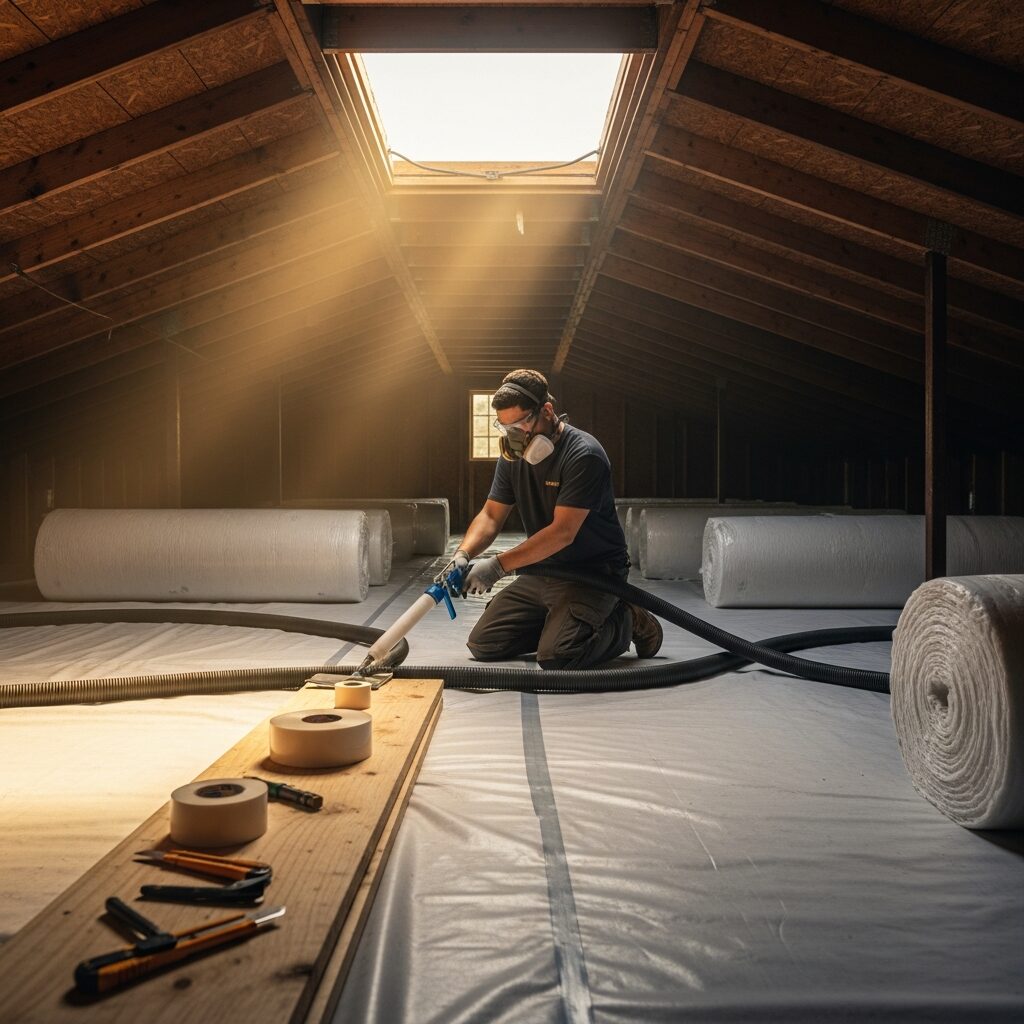
Repairs can range from resealing connections and reinforcing joints to replacing damaged flexible runs or correcting crushed sections that restrict airflow. In Sherman Oaks attics, it’s common to find flexible duct that has sagged or kinked, creating pockets where dust settles and airflow slows. Correcting those issues can make cleaning more effective and help the system stay cleaner going forward.
The Middle of the Visit: Where Most Homes Reveal Their HVAC “Personality”
Midway through a cleaning, technicians often find the spots where your system has been quietly struggling. Return plenums can be heavily loaded, branch lines can show uneven debris patterns, and certain runs can appear unusually dusty because they’re drawing air from a leak point. This is where you want clear communication. A professional should be willing to explain what they see, what it means, and which repairs are essential versus optional.
At this stage, referencing what comprehensive air duct cleaning covers can also help you ensure the scope remains complete even if repairs are recommended. The cleaning should still address the system as a whole, not stop short once a repair conversation begins. In fact, the best outcomes usually come when the cleaning is finished thoroughly and repairs are performed thoughtfully to protect that freshly cleaned system.
Why Repair Can Improve Indoor Comfort (Not Just Cleanliness)
Duct repair isn’t only about stopping dust. It’s also about delivering the right amount of conditioned air to the right rooms. If a duct run is leaking or crushed, the room it serves might never feel quite right. People compensate by lowering the thermostat, running the system longer, or using fans—strategies that treat the symptom rather than the cause. When airflow pathways are restored, comfort often becomes more even across the home, and the HVAC system feels less strained.
Repairs can also reduce the “mystery drafts” people notice around certain vents. A poorly sealed connection can create turbulence and noise, and it can pull air from surrounding cavities in a way that feels inconsistent. Addressing these details tends to make the system feel smoother and quieter, which homeowners often appreciate as much as the cleaner air itself.
Choosing a Provider Who Can Do Both Responsibly
Not every company that advertises duct cleaning is equipped to diagnose and address duct integrity issues. Look for a provider who starts with inspection, explains options, and doesn’t rely on alarmist language. The best technicians in Sherman Oaks will understand the local mix of duct styles and building layouts, and they’ll be able to describe repair methods in a practical way. You should feel like you’re making informed decisions, not being pushed.
It also helps when a provider respects the “finish” of your home—protecting floors, sealing work areas, and keeping the job contained. Repair work sometimes involves attic access or tight closet work, so the team’s care and cleanliness are part of the value you’re choosing.
FAQ
Q: If I repair my ducts, do I still need cleaning?
A: Often, yes. Repair improves the pathway, but it doesn’t remove existing debris. Many homeowners choose cleaning first so the system starts fresh, then repair to keep it performing well and staying cleaner over time.
Q: What kinds of duct problems are most common?
A: Loose connections, small leaks at joints, crushed or kinked flexible duct in attics, and poorly sealed return pathways are frequent issues. The exact pattern depends on the age of the home and past remodels.
Q: Can duct leaks make my home dustier?
A: Yes, especially on the return side. Leaks can pull dusty air from attics or cavities into the system, which then circulates through your living space.
Q: Will cleaning and repair help with rooms that are hard to cool?
A: It can, particularly if restriction or leakage is part of the problem. If comfort issues persist, additional evaluation of balancing, insulation, or equipment may be needed.
Q: How do I know whether a repair recommendation is necessary?
A: Ask for clear explanation and, when possible, visual evidence such as photos. A trustworthy provider will distinguish between urgent issues and improvements that can be scheduled later.
Restore Your System’s Airflow and Protect Your Indoor Air
If your Sherman Oaks home or condo feels dusty no matter what you do, or if comfort varies from room to room, it may be time to look beyond surface cleaning and address the HVAC pathway itself. A combined approach—thorough duct cleaning followed by targeted repairs—can remove what’s already in the system and reduce what gets into it going forward. When you’re ready to take that next step, schedule professional air duct cleaning and ask for an inspection that prioritizes honest guidance, careful workmanship, and results you can feel every time the system turns on.