
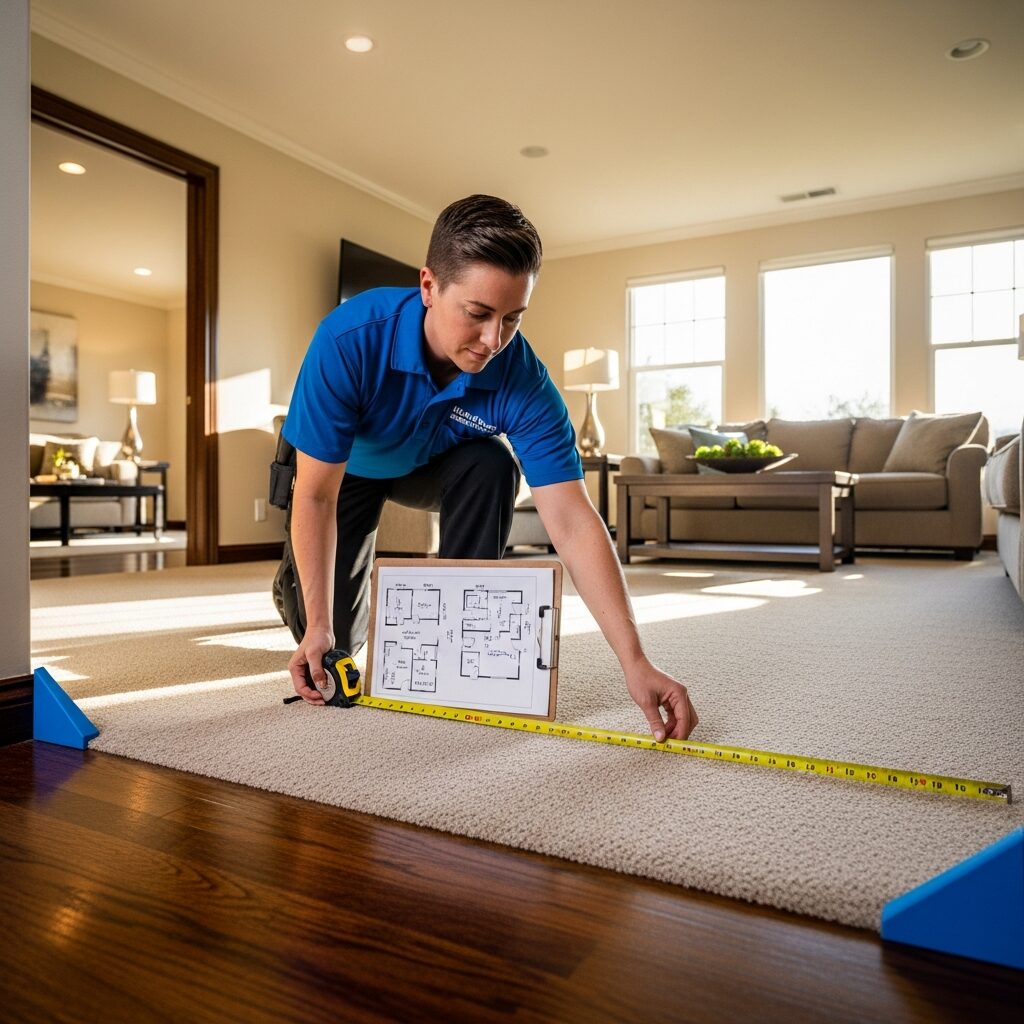
Homeowners in Sherman Oaks often ask what the “average carpet cleaning cost per room” really means. It is a natural question when you are trying to plan home care, but the most honest answer is that a per-room estimate reflects far more than a number on a page. It is shaped by the size and layout of your spaces, the type and condition of your carpet, and the practical realities of working in a neighborhood where access, parking, and microclimates vary from block to block. To understand how quotes are put together—and how to set the right expectations—it helps to look closely at the variables that matter in our part of the Valley. As you explore your options, use a clear, local guide to professional carpet cleaning to understand how experienced teams think through an estimate.
Start with what “per room” means. Some companies define a room by square footage thresholds, while others use a simpler, traditional room-based approach with clarifications for open-concept spaces, hallways, landings, and large great rooms. In Sherman Oaks, where floor plans range from cozy mid-century layouts to expansive renovations that merge living, dining, and kitchen areas, clarity about how a room is counted is essential. A transparent provider will explain how transitions are handled and whether long hallways, stair runs, or oversized areas are grouped or considered separately.
Room size, layout, and furniture
Room dimensions influence time and technique more than people realize. A compact bedroom with minimal furniture may be straightforward, whereas a spacious living room with sectionals, a piano, or heavy built-ins requires careful planning. Moving or protecting furniture changes the flow of a job. Trusted teams discuss what can be shifted safely, how pieces will be protected if they return to damp carpet, and what stays in place. The goal is a plan that respects your furnishings while allowing thorough access to traffic lanes and open areas.
Layout nuances matter as well. Stairs, half landings, and oddly shaped nooks take extra attention. In multi-level homes near the hills, the path to the second story may be narrow or winding, influencing how equipment is staged and how hose runs are secured. In condos and townhomes, elevator access and hallway protection introduce additional steps. These logistical elements are part of the work and help explain why two homes with the same number of rooms can require different approaches.
Fiber type and construction
The fabric of your carpet drives technique. Solution-dyed synthetics common in modern renovations can be highly stain-resistant and respond well to a range of methods. Wool and wool blends, often found in original Valley homes or in premium updates, ask for gentler products, moderated heat, and careful extraction. Loop piles—especially on stairs—benefit from controlled agitation to protect texture. Plush, dense piles call for balanced pressure and extra drying passes. When a professional assesses your home, they are matching chemistry and mechanics to fiber type so that your carpet is treated with respect and returns to form without residue or damage.
Construction details, such as pile height and twist level, also shape the plan. A high, soft pile conceals more debris deep in the tuft, requiring thorough dry soil removal before any wet step. Berber loops can trap fine particles in their weave and need specialized agitation tools. Each variation adds a decision point for the technician, ensuring both effectiveness and care.
Soil level, stains, and special conditions
Condition is one of the biggest variables behind any estimate. High-traffic families, homes with pets, or rooms that open directly to outdoors usually hold more tracked-in soil. The Santa Ana winds can add a layer of fine dust that settles near entryways and along baseboards. Specialty concerns—like older coffee shadows, turmeric-based cooking spills, or pet accidents—call for targeted treatments and patient technique. Honest professionals set expectations about appearance, odor improvement, and the potential for permanent dye changes, particularly with older issues.
When rooms differ significantly in condition, your provider may recommend prioritizing certain spaces or adding focused steps where needed. This is not upselling; it is aligning labor and attention with the real needs of each room. The goal remains the same: a uniformly refreshed home where traffic lanes lighten, fibers stand up, and the air feels cleaner.
Method selection and drying goals
How a room is cleaned affects the time on site and the sequence of steps. Hot water extraction—often called steam cleaning—provides a deep rinse that removes embedded soils and residues. Low-moisture methods deliver a fast-drying refresh for lightly soiled areas or for interim maintenance between deeper resets. In Sherman Oaks, where afternoon warmth and cross-breezes can help, a skilled team chooses the method that achieves your goals while respecting your schedule. They may blend approaches across your home, extracting in the family room where the dog naps and using low-moisture care in a lightly used guest bedroom.
Drying is part of the plan, too. After any method, airflow accelerates comfort. Windows cracked for cross-breeze, ceiling fans on low, and the HVAC fan set to circulate help rooms return to full use more quickly. Technicians will point out dense or shaded areas that could take a bit longer and suggest small adjustments to keep everything moving in the right direction.
Access, parking, and building considerations
Local logistics color every appointment. On some streets, curb space is plentiful; on others, a considerate parking plan is essential to avoid blocking neighbors. Long driveways require hose management and protection for landscaping and hard surfaces. For multi-level buildings, elevator reservations, hallway corner guards, and floor coverings prevent scuffs and keep common areas tidy. These steps take time and care, and good companies build them into their planning so the visit feels seamless to you—and respectful to everyone around you.
In hillside properties, narrow pathways and stairs add another layer of coordination. A well-prepared team brings the right tools, communicates about access, and stages equipment to minimize trips in and out. The smoother the logistics, the more attention can go to the actual cleaning, which is where you see and feel the payoff.
Protective treatments and long-term care
Many Sherman Oaks homeowners choose to protect high-use rooms after cleaning. Thoughtful application helps resist future spots and makes everyday vacuuming more effective. A trusted provider will explain where protection makes sense and how to care for treated areas, especially in spaces that see regular entertaining or frequent pet traffic. Long-term care strategies might include a maintenance schedule timed to your family’s rhythm—perhaps a deep reset before the holidays and an early spring cleaning to clear out pollen and winter dust.
Practical, at-home habits extend professional results. A well-maintained vacuum with the beater bar set properly keeps grit from cutting at fibers. Entry mats, shaken out regularly, capture the first wave of outside soil. Simple spot response—blotting with a clean, white cloth and avoiding harsh store-bought mixtures—prevents small mishaps from becoming larger issues. These quiet routines make rooms feel cared for between appointments.
Clarity in communication
When you request a per-room estimate, the best providers respond with clarity rather than a single line. They outline what is included, discuss furniture handling, ask about pets and special concerns, and explain method choices. If a certain room needs extra attention because of heavy traffic or a specific spill, they tell you why. Transparency builds comfort and ensures that, on the day of service, there are no surprises—only steady progress and a satisfying result.
Documentation is helpful, too. A simple recap after the visit noting which rooms were cleaned, any treatments applied, and aftercare guidance gives you a record to reference. When it is time for maintenance, that history informs smarter, faster service.
Why the same number of rooms can lead to different quotes
It is common for neighbors with similar home sizes to receive different estimates, even if both mention the same number of rooms. The difference usually comes down to condition, access, and the mix of methods needed. One home may have plush, dense carpet that asks for slower, more thorough extraction, while another features low-profile fibers ideal for a brisk low-moisture process. One layout might involve multiple stair runs and tight turns; another might be open and easy to navigate. A seasoned Sherman Oaks provider explains these nuances with specifics about your rooms so you understand the reasoning clearly.
Remember, the most valuable quote is the one that anticipates your real-world needs. A provider who asks about parking, pets, and fiber types before naming a figure is not stalling—they are building an honest roadmap to a great outcome.
Setting expectations for results
Results are about more than looks. Good cleaning should leave carpet feeling soft underfoot, not sticky, and the air subtly fresher. Traffic lanes should appear lighter, and fibers should stand more uniformly. Edges along baseboards—where fine dust concentrates—should be addressed with specialized tools. If you have concerns about a specific room or spill, bring them up during the pre-inspection so the plan can focus on what matters most to you.
As your carpet dries, you will notice how the room breathes differently. Fans set to low, windows cracked for a mild cross-breeze, and your HVAC fan circulating air help speed along the process. Your technician will point out any denser areas that may need extra time and provide common-sense steps to protect the fresh finish.
Frequently Asked Questions
Q: What does “per room” usually include? A: It typically includes a careful pre-inspection, dry soil removal, targeted preconditioning, and a cleaning method matched to your carpet’s needs, plus basic grooming and drying guidance. Furniture handling and specialty treatments are discussed clearly so you know what to expect.
Q: Why do open-concept spaces matter? A: Because expansive areas can function as multiple rooms in terms of time and technique. Clear definitions help align expectations so large, connected spaces receive the attention they require.
Q: How do pets affect a quote? A: Pet-related concerns often involve targeted treatments and additional steps aimed at the source of odor or staining. Professionals will assess the extent and explain realistic outcomes for both appearance and freshness.
Q: Is one cleaning method more efficient than another? A: It depends on your fibers, soil level, and goals. Hot water extraction provides a thorough rinse, while low-moisture methods deliver rapid drying and are excellent for interim maintenance. Many homes benefit from a combination over time.
Q: What can I do to prepare before the team arrives? A: Clear small, fragile items and provide guidance on access and parking. Share any specific concerns or recent spills so the plan reflects what matters most to you.
Bring clarity to your next quote
If you are ready to understand what shapes a per-room estimate—and to work with a team that explains decisions plainly—start by exploring a practical overview of professional carpet cleaning. With a clear conversation and a smart plan, your Sherman Oaks home can feel renewed from the first step inside.