
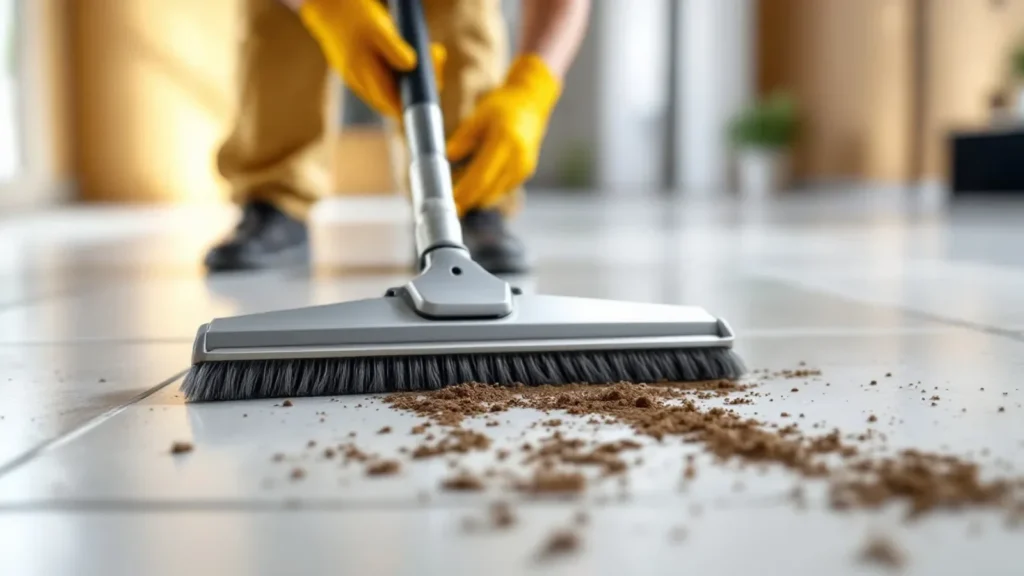
Why Grout Turns Brown on Sherman Oaks Tile Floors
Grout is highly porous, acting like an open sponge that absorbs fine soils, minerals, and cleaning residues from the very first day it is installed. In Southern California, suburban homes experience a constant influx of fine outdoor dust, foot traffic, and hard water minerals that bind directly to these porous sand-and-cement joints. Understanding the specific mechanics of why grout turns brown is the first step toward reclaiming the bright, clean lines that make a tiled kitchen or bathroom look pristine.
Why does grout turn brown so quickly in Sherman Oaks?
The primary culprit behind rapid grout discoloration in Sherman Oaks is the unique composition of local clay soil combined with fine urban dust. The San Fernando Valley is prone to dry, breezy conditions that carry microscopic sediment through open windows and HVAC systems. When these outdoor particles settle on your tile floor, foot traffic ground them deep into the unprotected, sandy pores of the grout lines. Unlike sealed glazed tile, which easily sheds dirt, unsealed or worn grout grabs these brownish soil particles and holds them fast, causing a gradual darkening that standard sweeping simply cannot remove.
Does hard tap water contribute to grout discoloration?
Yes, municipal water in the San Fernando Valley is notoriously rich in minerals like calcium, magnesium, and iron. When you mop your tile floors with standard tap water, the moisture eventually evaporates, but the heavy mineral deposits do not. Instead, they crystallize inside the porous structure of your grout lines. Over time, these mineral buildups act like a magnet for dirt, locking in grease, soap scum, and household dust. The result is a stubborn, dingy brown or yellowish crust that resists standard scrubbing and requires professional extraction to lift safely.
How does everyday mopping make grout lines look dirtier?
If you want it handled correctly the first time, consider professional tile cleaning in Sherman Oaks.
A common cleaning paradox is that frequent mopping often accelerates grout discoloration. When you drag a damp mop across a tile floor, the flat surface of the tile acts like a squeegee, pushing dirty mop water directly into the lower-lying channel of the grout line. As the dirty water pools in these recesses, the porous grout absorbs the suspended soil. Furthermore, using too much chemical detergent leaves behind a sticky surfactant residue. This soap film never fully evaporates, creating an invisible, tacky adhesive layer that grabs onto new dust and pet dander, rapidly turning the grout line brown.
How do local home designs and climate speed up grout wear?
Sherman Oaks features a diverse mix of mid-century ranch homes, modern custom builds, and sprawling multi-level residences. Many of these properties feature large-format ceramic or porcelain tiles with extensive grout networks in high-traffic kitchens, entryways, and sunrooms. The local Mediterranean climate, characterized by hot, dry summers and dry winds, means local homes face a constant barrage of fine airborne dust. When combined with active indoor-outdoor lifestyles, backyard pool access, and pets tracking in dry garden soil, the protective sealer on your grout wears down much faster than it would in milder climates, leaving the raw, sandy material completely exposed to staining.
Can kitchen grease permanently stain floor grout?
Many Sherman Oaks homeowners rely on expert tile cleaning in Sherman Oaks for exactly this.
Kitchen floors are particularly vulnerable to a specific type of browning caused by aerosolized cooking oils. When you fry, sauté, or bake, microscopic grease droplets escape into the air and eventually settle onto the floor. If these organic oils land on unsealed grout, they penetrate deep into the cementitious matrix. Once absorbed, the grease oxidizes and turns a dark, sticky brown. Because grease is hydrophobic, standard water-based cleaners cannot break it down easily. Instead, the oily barrier locks in ordinary dust, creating a dark, deeply embedded stain that requires professional emulsifiers to extract.
Why do standard household cleaners fail to restore brown grout?
Many homeowners try to scrub away discoloration using heavy-duty store-bought cleaners, but this often does more harm than good. Acidic cleaners like vinegar or lemon juice can slowly dissolve the calcium carbonate in cement-based grout, weakening the joints and making them even more porous and susceptible to future staining. On the other hand, highly alkaline bleach can temporarily brighten the surface but fails to extract the deeply embedded soil. To truly resolve the issue without eroding the floor, a specialized, balanced process like tile cleaning sherman oaks is necessary to flush out the packed dirt using controlled heat and vacuum extraction.
How can you distinguish between dirty grout and mold growth?
It is important to identify whether your grout is brown from physical dirt or darkening due to biological growth. In high-moisture zones like bathrooms, laundry rooms, and around kitchen sinks, persistent dampness can lead to mold and mildew colonizing the porous grout lines. While dry soil buildup looks like a dusty, matte brown path along your main walking routes, mold often starts as small, speckled dark spots that feel slightly slimy or slick to the touch. If you suspect your cleaning routine is merely spreading these spores, reading about how to clean dirty grout lines DIY can help you understand the right botanical sanitizers to use before sealing the surface.
Ready for the next step? Learn how tile cleaning services in Sherman Oaks can help and reach out to the team.
What is the best way to prevent grout from turning brown again?
The single most effective defense against recurring grout discoloration is the application of a high-quality impregnating sealer. A professional sealer penetrates deep into the grout pores, curing into an invisible, water- and oil-resistant barrier. This barrier keeps liquids, grease, and fine Valley dust on the very surface of the grout line, where they can be easily wiped away during routine maintenance. Once your floors have been thoroughly restored, learning how to protect grout after cleaning will ensure your protective seal remains intact for years, keeping your tiled spaces looking bright, hygienic, and beautiful.
Restore Your Sherman Oaks Tile Floors to Pristine Condition
If your tile floors have lost their original luster and the grout lines have turned a stubborn, dark brown, standard household scrubbing will only go so far. At California First Carpet Cleaning, we use specialized surface-matched cleaning technology, heated pressure rinsing, and powerful truck-mounted extraction to lift deeply embedded contaminants without damaging your tile. Our local technicians understand the unique environmental challenges of Sherman Oaks homes, from hard water scale to fine valley dust. Let us restore your tile and grout to a clean, fresh, and beautiful state. Contact us today to schedule your professional restoration service.