
Professional carpet cleaning in Sherman Oaks, California is as much about thoughtful problem-solving as it is about powerful equipment. In a neighborhood where hillside homes meet busy boulevards, where pets mingle with kids and work-from-home days blend into late dinners, floors earn every bit of the attention they need. A true professional treats each room like a unique conversation between textile and lifestyle. From fiber testing to method selection, from careful rinsing to fast, even drying, the craft is a sequence of choices that deliver a clean you can see, feel, and trust. If you’re exploring options, starting with a team that specializes in carpet cleaning is the clearest way to bring that level of care into your home.
The Valley’s climate adds its own layers to the story. Dry summers and periodic Santa Ana winds carry fine particulates that settle on windowsills and, slowly but surely, along your carpet’s fibers. Traffic corridors like the 101 and 405 contribute a dust that filters into ground-level rooms and stair landings. Over time, subtle grays appear in traffic lanes and around baseboards where air flows underneath doors. Pets add friendly complexity with the occasional accident or daily dander. A professional acknowledges these realities and builds a plan around them, not in spite of them.
Testing, inspecting, and understanding your textile
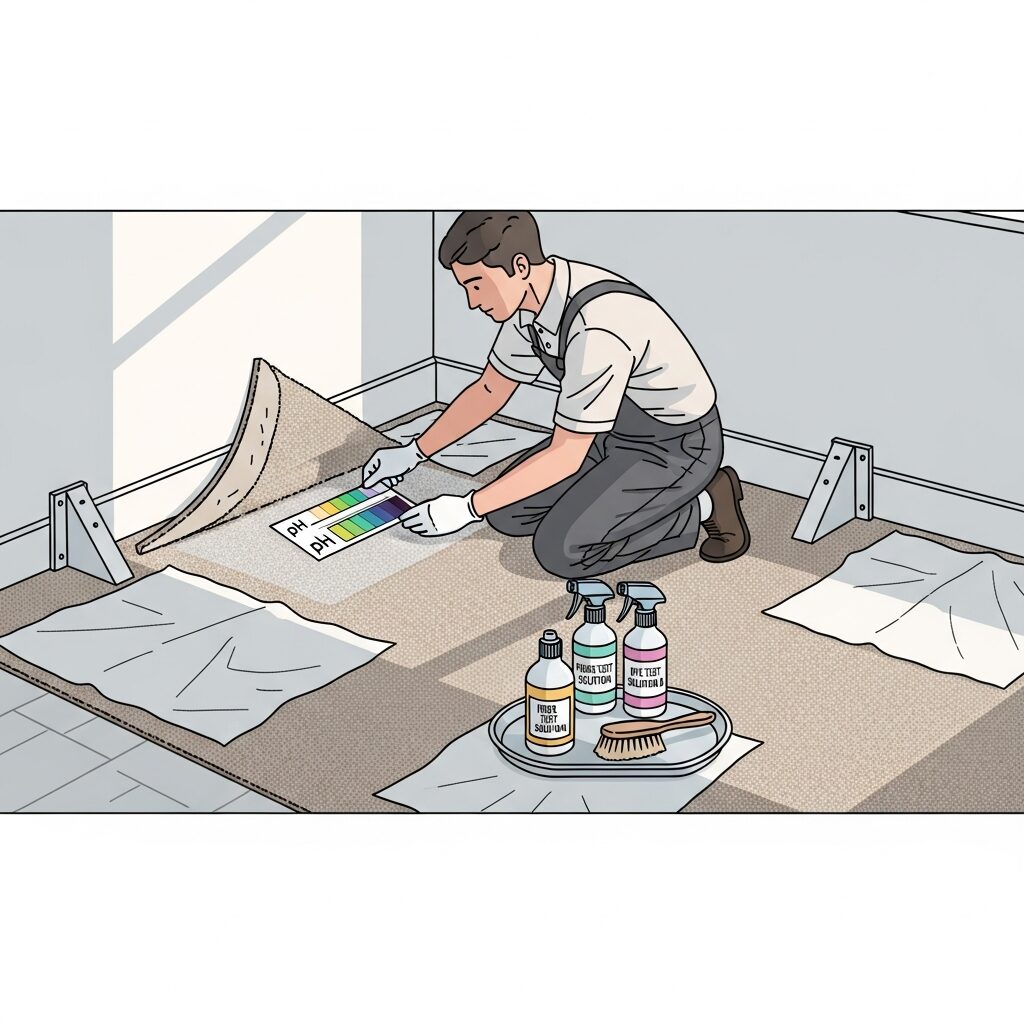
Every service should begin with inspection. A trained eye identifies fiber type—nylon, polyester, olefin, or wool—and construction, from cut pile to looped Berber. They test dyes for stability, note previous spot-cleaning attempts, and assess the health of seams and transitions between rooms. This matters because cleaning chemistry and temperature are not one-size-fits-all. Wool responds best to cooler water and gentle pH. Olefin can handle more robust solutions but may require agitation to release oily soils. Professionals adapt, aiming for the least aggressive approach that achieves the greatest improvement.
Dry soil removal follows. High-filtration vacuuming with deliberate, overlapping passes lifts grit that no wet process can dissolve. This step is unglamorous and often skipped by amateurs, but it’s foundational. Removing as much dry particulate as possible reduces the solution burden, which means less chemistry is needed and drying is faster and more even.
Choosing the right cleaning method for each space
Hot water extraction—often called steam cleaning, though it is more accurately heated water extraction—remains the benchmark for restorative results because it flushes soils away from the home. Where speed and access are priorities, low-moisture encapsulation offers an effective alternative, surrounding remaining soils in a polymer that dries to a crystal and vacuums out in subsequent routine care. A professional weighs fiber type, soiling level, access, and your schedule to design a path that respects both the textile and your day.
Stairs, for instance, benefit from focused toolwork and consistent strokes to avoid visible lines. Condos along Kester or in the Galleria area may favor compact equipment and low-moisture steps when elevator or parking logistics make hoses impractical. Hillside homes might require strategic staging to protect tile transitions and wood landings while running efficient extraction for deeper traffic lanes.
Stain treatment is chemistry, not guesswork
From red wine to indelible markers, every spill brings its own chemistry. Tannins, oils, dyes, proteins—each class of stain responds to certain treatments and resists others. A professional starts by identifying the category, then selects targeted solutions with appropriate dwell time. They protect surrounding fibers, especially in multicolored carpets or near area rugs where dye transfer is a concern. Just as important, they avoid over-scrubbing, which can distort pile and create dull spots that read as stains even after color is removed.
After treatment, proper rinsing or encapsulation prevents sticky residues that can lead to rapid re-soiling. This is one reason results from a well-executed service often look better a day later: as fibers finish drying and naturally open, light reflects more evenly.
Residue-free results and honest expectations
Professionalism shows up in both outcome and conversation. A seasoned cleaner shares what can be achieved today and what is limited by wear, fading, or prior chemical damage. They explain that filtration lines along baseboards are often a multi-visit process, improving steadily as fibers release embedded particulates. They also ensure the carpet is left neutral—rinsed to an appropriate pH—so no sticky residues attract dust and oils back to the surface prematurely.
This residue-free finish matters in Sherman Oaks. Our dry months mean more airborne dust, and anything tacky on the fiber acts like a magnet. When cleaned correctly, your regular vacuuming becomes far more effective, and the carpet resists that dulling haze that can appear just weeks after a poor cleaning job.
Drying quickly and evenly
Dry times depend on fiber density, ventilation, and method. Professionals encourage cross-breezes, run the HVAC fan, and place air movers strategically where pile is dense—on stairs, landings, or plush living rooms. Even in busy households, a thoughtful plan can have primary rooms in comfortable shape within hours, allowing life to flow with minimal interruption. Advice continues after the team leaves: avoid replacing area rugs until tomorrow, step lightly in clean socks if you need to cross, and enjoy the spring back in the carpet’s texture.
Because so many Sherman Oaks homes mix carpet with hardwood or tile, pros also protect transitions. They’ll place towels or mats temporarily to catch any stray moisture, preventing slippery spots or water marks on sensitive surfaces.
Beyond carpets: upholstery, rugs, and stairs
Most professional teams bring the same care to upholstered furniture, area rugs, and staircase runners. Sofas collect body oils and airborne dust, which can dull fabric and harbor odors. With proper testing and gentle chemistry, upholstery responds beautifully, often brightening a room more than you’d expect. Area rugs layered over carpet are handled with caution to avoid dye transfer and to ensure airflow during drying. Stair runners—often wool—appreciate cooler water, conservative chemistry, and precise strokes for a crisp, uniform finish.
These add-on services aren’t afterthoughts; they are part of a whole-home approach that considers how spaces interact. A freshly cleaned carpet under a tired sofa can make the latter look worse by comparison. Balanced attention yields a harmonious result.
Safety, training, and quiet professionalism
Look for signs of training and care. Certifications, continuing education, and methodical practices separate true professionals from opportunistic operators. Corner guards protect painted walls; drop cloths shield hardwoods; tabs and blocks under furniture prevent moisture transfer. Technicians should welcome your questions, explain their process, and document any pre-existing conditions like seam issues or sun fading. That transparency builds trust.
Insurance and respect for your home matter just as much. Professionals carry proper coverage, maintain their equipment for quiet, efficient operation, and tidy as they go. When they leave, the only evidence of their visit should be the lift in your carpet’s color, texture, and freshness.
Local insight: cleaning for Valley living
Sherman Oaks life means weekend gatherings, weekday commutes, dog walks under gracious tree canopies, and the occasional ash from a late-summer haze drifting onto patios. That lived-in warmth is part of why we’re here, and carpets reflect it. Professionals who work here daily understand filtration lines near balcony doors, the gritty fine dust that sneaks in during windy spells, and the way stair treads develop a darker crescent where feet land. Their process addresses these details by default, not as add-ons.
Midway through any project, a good cleaner shares a quick progress note—what’s been treated, what’s drying, and what’s next—so you can plan errands or pick-ups. This dialogue eases the day and reinforces that you chose a team focused on both skill and service. If you ever want to plan a seasonal refresh for high-traffic zones, choosing reliable professional carpet cleaning is the surest path to a consistently calm, tidy home.
Maintenance that multiplies professional results
After a deep clean, light habits keep carpets brighter longer. Vacuum slowly in traffic areas, use walk-off mats at entries, rotate furniture occasionally, and keep a simple spot kit on hand. Blot spills promptly with a white towel, and avoid harsh home cleaners that can set stains or strip color. Pet households benefit from an agreed plan: where to crate during the appointment, how to handle repeat accident zones, and when to schedule a focused odor treatment.
These routines turn a professional service from a one-time event into part of your home’s rhythm. Over months, the payoff is visible in steadier color, more resilient pile, and a fresher indoor feel.
Frequently asked questions about professional carpet cleaning
How often should I hire a professional? Most Sherman Oaks homes do well with service once or twice per year, with focused refreshes on high-traffic areas between visits, especially in pet-friendly households.
What’s the difference between DIY and professional work? Tools, training, and process. Pros remove more dry soil up front, use targeted solutions that respect fibers, and rinse or encapsulate thoroughly for a residue-free finish that resists rapid re-soiling.
Will cleaning cause wicking or spots to reappear? Correct technique minimizes wicking. When it occurs, a follow-up touch-up often resolves it. Avoiding over-wetting and ensuring even drying are key.
Is it safe for kids and pets? Yes. Professionals choose balanced solutions and control moisture. Any light product scent dissipates as rooms dry, leaving a neutral, fresh finish.
Do you move furniture? Light items can be moved with care and placed on protective tabs. Heavier or delicate pieces are cleaned around after a quick discussion to protect both the carpet and your belongings.
How long does drying take? With airflow and method selection, many rooms are comfortable within hours. Dense carpets and stairs may take longer, but strategic air movement speeds the process.
Can you handle wool and delicate rugs? Absolutely. Wool is cleaned with cooler water, gentle pH, and careful testing. Rugs receive fiber-specific attention to protect dyes and structure.
What if a stain has been there for months? Time matters, but improvement is often possible with targeted chemistry. A professional will explain the likely outcome and proceed carefully to protect pile.
Bring professional calm to your home
If your living room looks a shade duller than it should, or stairs feel flat underfoot, a methodical, neighborly team can change that in a single visit. From inspection to drying, every step honors your home and schedule. When it’s time, choose thoughtful, results-first carpet cleaning in Sherman Oaks and enjoy the satisfying lift that true craftsmanship brings to everyday living.