
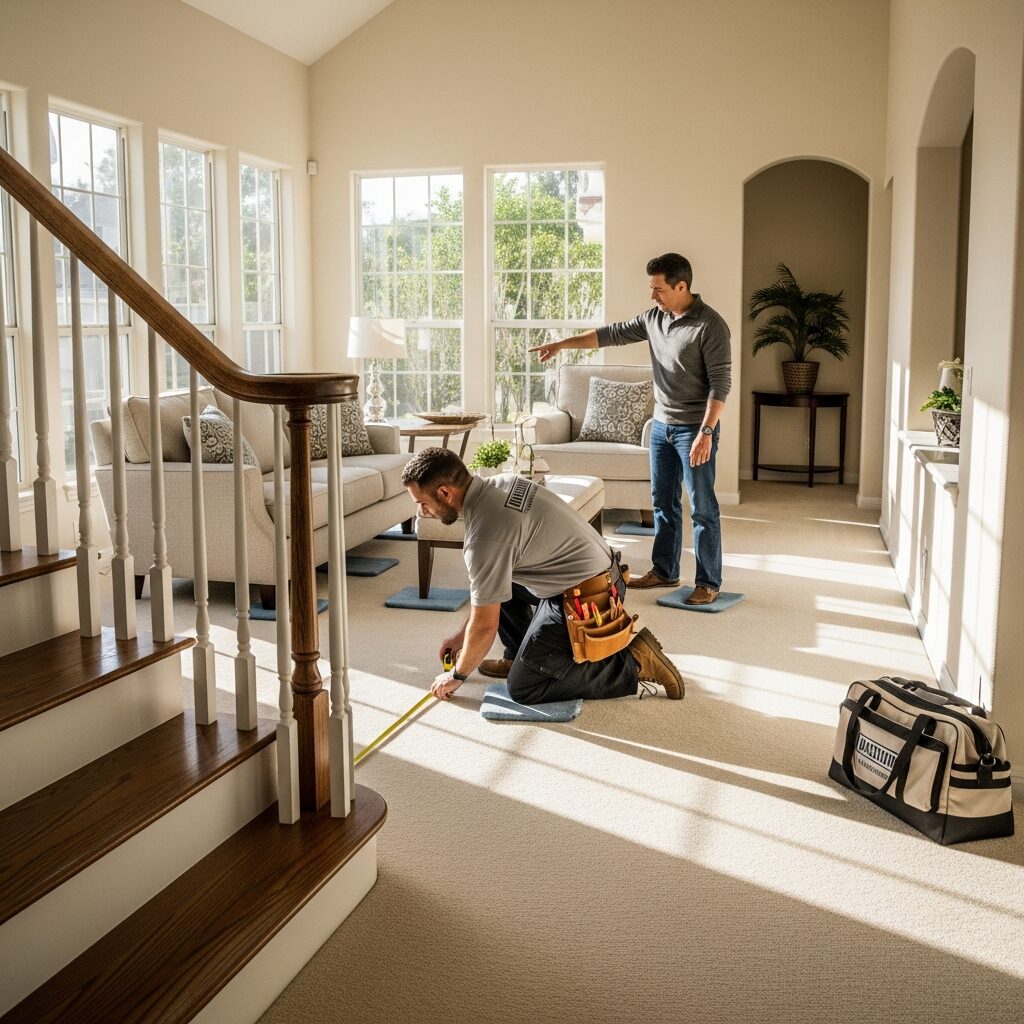
Understanding “Cost Per Room” Without Talking Numbers
The phrase “cost per room” is everywhere, especially when you begin researching professional carpet care in Sherman Oaks. Yet behind those simple words lies a tangle of variables—room size, furniture layout, soil level, stains, stairs, and even access and parking—that shape what a fair quote really means. Discussing actual figures is less useful than understanding how those factors work together, because with that knowledge you can compare apples to apples, set expectations, and choose a service that delivers true value. Think of it like planning a home project: the materials and scope determine the effort, and the effort determines the outcome. The aim here is to shed light on what professionals consider when they price by the room so that you feel confident and informed from your first call to the final walkthrough. And if you want support tailoring service to your specific layout, a local team that specializes in carpet cleaning can help clarify options before anyone rolls out a hose.
What Counts as a “Room” in Sherman Oaks Homes?
It sounds straightforward, but definitions matter. In a classic ranch house off Ventura Place, a “room” might be a square, well-defined space with a standard doorway. In a modern open-concept condo along the Boulevard, the living, dining, and hallway may flow together without clear borders. Professionals often use longest dimension or square footage guidelines to define what qualifies as a single room versus multiple areas. Alcoves, closets, and connecting hallways sometimes count as part of that room, and sometimes do not. Clarifying this early prevents surprises and helps the technician allocate the right amount of time to do thorough work.
Furniture also shapes what a “room” means in practice. If a space is densely furnished, cleaning may focus on exposed walkways and seating zones, with heavier pieces left in place and protected. If a room is relatively open, or you want items moved and reset, the scope changes. Neither approach is inherently better; what matters is aligning the plan with your goals. A pre-move refresh before staging a home might call for broad, wall-to-wall treatment, while a family TV room might benefit most from intensively cleaning the U-shaped area around the sectional sofa where everyone gathers.
Soil Levels, Stains, and the Time Equation
Beyond the map of the home, the condition of the carpet drives the effort required. Day-to-day life in Sherman Oaks introduces many sources of soil: dry dust from canyon breezes, oils from skin and cooking, and residues from foot traffic that accumulates near entries. Heavier soils demand more preconditioning, more agitation, and more rinse passes to release and remove. Stains add their own layer of complexity. A fresh spill of tea behaves very differently than an old dye transfer from a colorful blanket. Pet accidents can penetrate to the backing, requiring special treatment that takes longer but yields a truly fresh result. The more time and technique a room needs, the more that room influences the overall project scope.
It helps to share a stain’s history when you request a quote. If you remember using a store-bought cleaner, mention it. Residues sometimes interact with professional solutions, and technicians can account for that with a different approach. If a spot has reappeared after prior cleaning, say so; that can indicate deeper contamination that requires sub-surface attention. The big picture is simple: honest, detailed communication results in a plan that matches the room’s reality, not just its dimensions on paper.
Stairs, Landings, and Hallways
Many Sherman Oaks homes feature split levels, mezzanines, and charming stairs that connect living spaces. These transitional areas are small in square footage but high in complexity and wear. Stairs accumulate oils and grit at the nosing, and uniform cleaning requires careful, precise passes that take more time than a flat expanse. Landings and narrow hallways concentrate traffic and often look tired before the larger rooms do. When a quote references “per room,” it is common for stairs and hallways to be itemized separately, simply because their needs differ from a square room with open walking lanes. This approach ensures focused attention where it matters most, so that the finished result feels consistent from top to bottom.
Access, Parking, and Building Practicalities
In a city of dense neighborhoods and lively streets, logistics are part of the story. Apartment communities may require elevator reservations. Some buildings have loading zones with strict time windows. Hillside homes might involve longer hose runs from the driveway to the living room. These details do not change the quality of the clean itself, but they do inform scheduling and setup, which in turn shapes how a provider structures a fair quote. Sharing this information during the initial conversation helps the team plan a smooth arrival and keeps the service focused on what matters—restoring your carpet to its best possible condition.
Parking is another seemingly small factor that adds up. In parts of Sherman Oaks where street parking is limited or permits are required, confirming a spot near the entrance can save setup time and support a safer, more efficient workflow. These are the kinds of practical insights local providers build into their planning so that once the equipment rolls out, it is all about cleaning, not navigating obstacles.
Why “Per Room” Is Only Part of the Picture
It is tempting to treat the per-room model as a final answer, but it is better understood as a starting point. Two rooms of identical size can take different amounts of time to clean depending on layout, soil level, and furniture. Add in the occasional large sectional sofa, a pair of compact home offices tucked into corners, or a nursery with a dense arrangement of furniture, and the calculus shifts again. Transparent communication and a thorough pre-inspection turn a simple label—room—into a clear scope of work. The outcome is a home that looks and feels the way you hoped it would, without confusion about what was included.
From a homeowner’s perspective, the best approach is to focus on results and clarity. Ask what steps are included: inspection, preconditioning, agitation, hot water rinse, spot treatment, grooming, and drying support. Ask how pet issues are handled if needed, and how furniture is protected. Understanding the sequence gives you a yardstick for comparison that is far more reliable than a number attached to the word “room.”
Scheduling and Seasonal Timing
Sherman Oaks’ weather offers both challenges and advantages. Warmer, drier afternoons speed drying—ideal when you want to use a room the same evening. Cooler mornings and marine layers may slow evaporation a bit, which can influence how a team sequences rooms during the appointment. Seasonal pollen and dust patterns also affect how quickly carpets collect soil. Planning ahead for deep cleaning during times of lower pollen can extend how long carpets feel fresh afterward, while quick refreshes after a windy week can restore order before the buildup becomes noticeable.
If you are organizing your calendar around a move, an event, or a renovation, share that timeline. A professional can prioritize the rooms you need first—like the living room before guests arrive—and return for secondary spaces if necessary. The flexibility to adjust scope by room keeps the project aligned with your plans without overcommitting where it is not needed.
Communication: The Most Valuable Step
Every clear, fair quote begins with questions and listening. When a technician asks about pets, stain history, and access details, they are not being picky; they are building an accurate picture of the work ahead. Likewise, your questions—about the cleaning process, the expected dry times, and how specific areas will be handled—help you understand what you are getting. In this exchange, “cost per room” becomes a transparent agreement: here is what we will do, here is how we will do it, and here is how the home will look and feel when we are finished.
Midway through an appointment, a quick check-in helps ensure that priorities are being met. Are the heaviest traffic lanes lifting? Are pet zones fully addressed? Would you like extra attention near the front entry? This midpoint review is also the best time to talk about simple habits that protect your investment: proper vacuum settings, effective entry mats, and quick blotting of spills. Keeping a clean baseline reduces how often you need extensive work and makes each professional carpet cleaning serve you longer.
Frequently Asked Questions
Q: What exactly qualifies as one “room”?
A: It varies by provider, but common definitions use size limits or longest dimension guidelines. Open-concept areas and combined spaces may count as more than one room, while small closets or alcoves are often included with the primary space.
Q: Why are stairs and hallways listed separately?
A: They require detailed, labor-intensive work and often endure heavier wear than standard rooms. Listing them separately ensures the attention they need for a consistent result throughout the home.
Q: How do stains and pet issues factor in?
A: They influence the time and techniques required. Identifying stain types and any prior treatments helps the technician choose the most effective approach and set appropriate expectations.
Q: Can I reduce the overall scope?
A: Absolutely. Focus on the most visible or highest-use areas if that is what suits your goals. Clear communication ensures the quote reflects the rooms that matter most to you.
Q: Will moving furniture change the plan?
A: It can. Densely furnished rooms take longer and may require additional protection and resetting. Some clients prefer cleaning the open areas; others want a more comprehensive approach. Both are valid—as long as they are agreed upon in advance.
Q: How should I prepare before the team arrives?
A: Pick up small items from the floor, secure pets, and share parking or access notes. These simple steps speed the process and help the appointment stay on schedule.
Clarity Brings Confidence
When you understand what shapes “cost per room,” you can evaluate options based on value rather than a single headline. You can prioritize the rooms that matter most, anticipate how stairs and hallways fit into the plan, and recognize the role that stains and soil levels play in the time required. Most of all, you gain the comfort of knowing what to expect, from the first pre-inspection to the final grooming pass. If you want help mapping your home’s specific needs to a clear plan, reach out to local experts and schedule professional carpet cleaning that treats every room with the right level of care.