
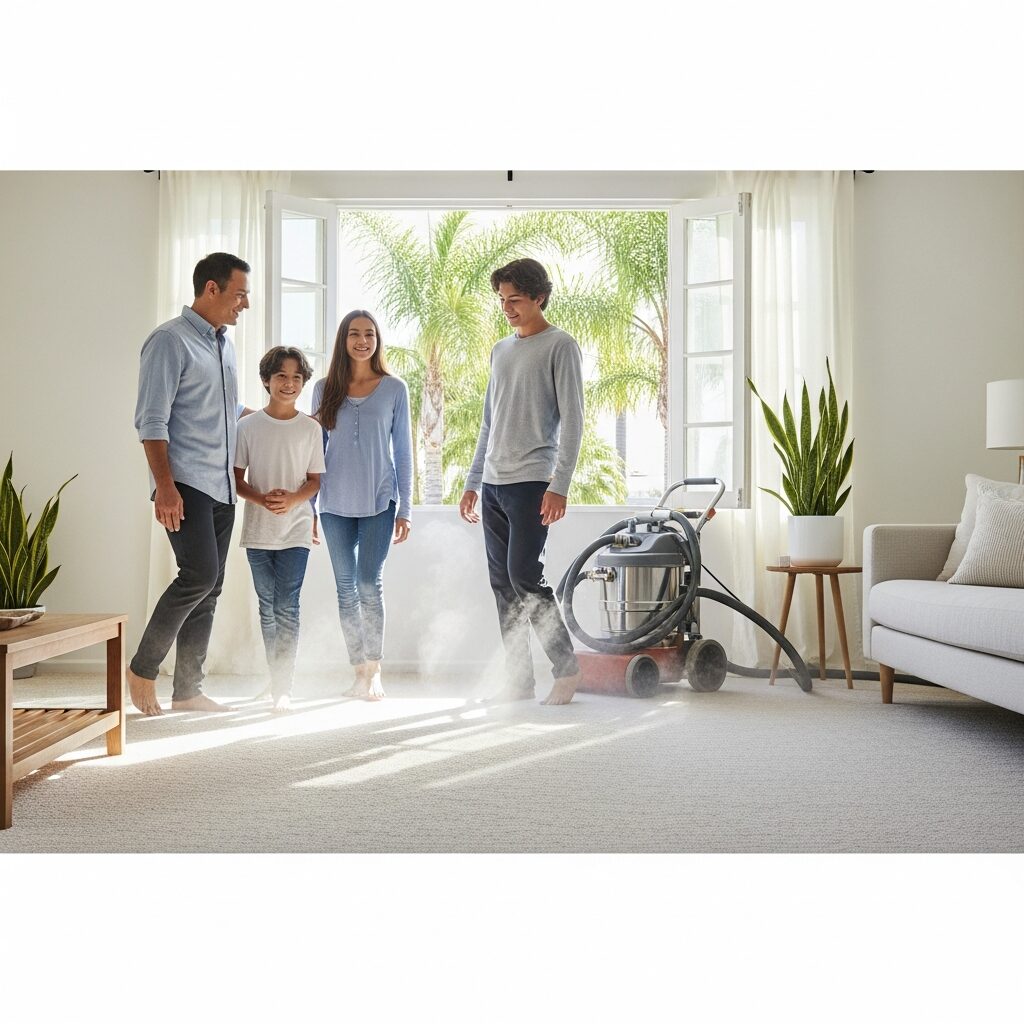
Step outside on a crisp morning in Sherman Oaks and you can feel the Valley’s particular rhythm: palm fronds clicking in a light breeze, the distant hush of the 101, and the faint scent of chaparral rolling off the hills. It’s a beautiful place to live, but those same breezes and dry, sunlit days carry microscopic debris that always seems to end up in our homes. As a local who has spent years helping neighbors protect their indoor environments, I’ve come to appreciate just how much our carpets act as both a filter and a foundation for healthy living. When cared for thoughtfully, they contribute to better breathing, calmer sinuses, and a more comfortable home. That is why the conversation around carpet cleaning in Sherman Oaks is ultimately a conversation about health—of our families, our pets, and our homes themselves.
Think of a carpet as the unsung air filter under your feet. Each day, it quietly traps what the Valley air brings indoors: dust from dry canyons, pollen dislodged by late-afternoon gusts, fine grit from construction along Ventura Boulevard, and microscopic residues that hitch a ride on our shoes and pet paws. Unlike hard floors that allow dust to dance back into the air with every footstep, carpet can hold particles in place until they are properly removed. The catch, of course, is that removal needs to happen on a schedule and with methods that protect both the fibers and the people who live with them. Done correctly, cleaning turns a dust-trapping textile into a reliable frontline defense against the stressors that make our eyes water and our lungs work harder.
Why Sherman Oaks’ Microclimate Matters
Our neighborhood enjoys a Mediterranean climate with long, dry summers and brief, energetic bursts of rain. During the dry months, the combination of warmth, vehicle traffic, and the topography of the Valley encourages fine particulates to hang in the air. Then, when Santa Ana winds arrive, the velocity and dryness cause dust and pollen to ramp up dramatically, sometimes in just a day. Even if you keep windows closed, air exchanges occur every time a door opens, groceries come in, or the dog bolts to greet visitors. Over time, these realities mean more airborne matter settles into carpet, and if it isn’t addressed, your home’s air quality—and your family’s comfort—can suffer.
Humidity swings also play a role. Occasional winter rains or a plumbing hiccup can leave traces of moisture deep in carpet backing or padding. In that damp micro-environment, dust and organic matter become the perfect food source for microbes and odors. Professional-grade extraction and controlled drying counteract that risk, restoring balance before problems set in. This is not a scare tactic; it is simply a recognition that our local conditions reward prevention and regular attention.
Allergens, Asthma, and Everyday Comfort
Many Sherman Oaks households include someone with allergies or mild asthma. For these residents, the impact of clean carpet is often immediate: fewer morning sneezes, less irritation after vacuuming, and less fatigue at the end of the day. Pollen from oaks and ornamental trees, dust from landscaping projects, and dander from pets love to nestle into the safe haven of carpet fibers. Routine maintenance loosens and removes these culprits before they become part of the air you breathe. Over months, that effort adds up to more restful sleep, more comfortable work-from-home days, and more energized playtime for kids and pets.
Consider as well the way we use our living rooms and bedrooms. We read on the floor, sit cross-legged during game night, and spread out blankets for movie marathons. Kids sprawl with their homework, pets nap in sunny spots by the window, and toddlers explore by crawling. Clean carpet makes those moments healthier and more inviting, so that the home feels like a true sanctuary rather than a space you need to dust and vacuum around constantly.
Pet Dander, Odors, and the Realities of Valley Living
Pets bring our homes to life, but they also shed and track in the world from their walks along treelined streets. In Sherman Oaks, where parks and dog-friendly patios are part of the lifestyle, that means more interaction with outdoor allergens and microbes. Dander, oily residues, and the occasional accident settle down and cling to carpet fibers. If left unaddressed, odors linger, and even after basic spot cleaning, they can resurface, especially when humidity changes. Thorough cleaning reaches below the visible pile, addressing both fibers and the underlying pad. When properly managed, pet-loving households enjoy fresh, soft carpet without the faint reminder of yesterday’s adventure around Van Nuys-Sherman Oaks Park.
Another important pet-related factor is re-soiling. Many common spot cleaners leave residues that attract dirt, making a previously light stain darken over time. Professional methods emphasize balanced pH and thorough rinsing, which help your carpet resist rapid re-soiling and stay cleaner between visits. The result is a home that looks and smells like itself—sunny, open, and welcoming—without the background noise of pet odors or sticky fibers.
Indoor Air Quality and the Science of Removal
Indoor air quality is often discussed in terms of HVAC filters and ventilation. Carpets participate in that equation by trapping tiny particles until they can be extracted. High-efficiency vacuuming removes a large portion, and periodic deep cleaning dissolves what vacuums cannot dislodge. In practice, this means hot-water extraction, low-moisture encapsulation where appropriate, and meticulous drying protocols that avoid leaving anything behind that could ferment into odor or discoloration. Think of it as hitting the reset button on your home’s baseline air quality so that your daily or weekly vacuuming continues to make a genuine difference.
Residents frequently report clearer sinuses within a day or two of a well-executed cleaning. While that experience can be subjective, it aligns with what we know about particle load in textile floor coverings. Reduce the trapped particulates, and the amount of matter that becomes airborne with everyday walking or vacuuming drops as well. Over time, that stabilization of the indoor environment yields fewer flare-ups, fewer itchy eyes after tidying up, and a general sense of a fresher home.
Moisture, Mold, and Odor Prevention
In our semi-arid climate, most problems come from dust. But moisture sneaks in more often than people realize, whether from a toppled water bottle that soaked longer than it should have, an overwatered plant, or condensation during a cool, damp evening. Without effective extraction, that moisture invites microbial life. Carpets that feel dry at the surface can hide dampness in the backing or padding. A health-oriented approach to cleaning prioritizes careful moisture management: targeted extraction for spills, attention to subfloor dryness, and air movement that completes the job. When these steps become routine, they dramatically reduce the odds of lingering odors or mold conditions taking hold unnoticed.
If you have a lower-level room or a shaded area that rarely gets warm sunlight, a proactive schedule pays off even more. These spaces benefit from periodic resets that address invisible buildup and restore the carpet to a neutral, dry state. That is one of the quiet ways carpet care supports health: by removing the conditions that problems need before they ever get the chance to start.
What a Health-Focused Cleaning Visit Looks Like
When I walk into a Sherman Oaks home, I am listening and observing before any equipment comes out. Are there allergy concerns? Pets? Any rooms that run cooler and might stay damp a touch longer? Are we dealing with Santa Ana fallout or the aftermath of a busy renovation? That conversation shapes the cleaning plan. A thorough pre-vacuum removes loose matter. Spot treatments target stains without leaving behind sticky residues. Then the appropriate deep-cleaning method is selected to match carpet fiber, construction, and soil levels, followed by careful drying to return the room to service as quickly and safely as possible.
Health benefits flow from that attention to detail. Each stage is about minimizing irritants, preventing what-ifs, and preserving the life and feel of the carpet so that your home stays soft underfoot without compromise. In family rooms where toddlers crawl and in bedrooms where we spend a third of our lives, that level of care delivers peace of mind you can sense every time you inhale.
How Often Should Sherman Oaks Homes Clean?
There is no one-size-fits-all answer, but our microclimate nudges most homes toward more frequent maintenance than you might expect. If you keep windows open on mild evenings or run fans to pull in fresh air, particle load rises. Add a pet or two and a mix of indoor-outdoor living, and a quarterly to semiannual deep clean is often the sweet spot. Between visits, steady vacuuming—slow passes with a good machine—keeps the day-to-day dust from getting comfortable. When a home follows that rhythm, the benefits compound: allergies remain calmer, odors fade into memory, and the carpet itself resists the matted, tired look that makes rooms feel older than they are.
Right in the middle of that routine sits the choice to schedule periodic professional care. A home that leans into scheduled carpet cleaning experiences fewer emergencies, because the maintenance interrupts the buildup cycles that lead to sudden smells or blotchy traffic lanes. It’s similar to servicing a car before the check engine light turns on: by the time a room “smells musty” or a hallway looks gray, hidden accumulations have already taken root.
Protecting Vulnerable Occupants: Kids, Seniors, and Pets
Kids explore the world with their hands and faces close to the floor. Seniors often feel more comfortable with secure, padded walking surfaces that cushion joints and reduce the risk of slips. Pets are happiest when they can nest, nap, and roll around in sunny patches. Clean carpet supports all three groups. Fewer irritants means fewer sniffles and less friction on sensitive skin. Balanced cleaning chemistry avoids residues that could transfer to paws or curious fingers. Thoughtful drying limits any downtime in common areas, so routines remain undisturbed and safe.
For families managing asthma or compromised immunity, the stakes are higher. Regular maintenance creates a defensible space indoors—an area where outside particulates and microbes lose their grip. While no home can be a perfect bubble, clean carpet, good ventilation, and mindful housekeeping together make a resilient ecosystem that adapts to the ebbs and flows of Valley life.
Extending Carpet Life and Reducing Waste
There is also a sustainability angle to health. Replacing carpet is disruptive, expensive, and resource-intensive. Maintenance that preserves the integrity of fibers and backing keeps usable materials in service longer. That means fewer installation adhesives, fewer truck trips, and less landfill waste over the lifespan of a home. Clean carpet feels better underfoot, but it also plays a part in a lighter environmental footprint—something many Sherman Oaks homeowners value as they make long-term decisions for their properties.
In practical terms, that looks like traffic-lane restoration, proper spot treatment, and the occasional fiber protection strategy suited to the carpet type. Each of these keeps daily soils from locking onto fibers, and each helps the next cleaning be more effective. Over time, the result is a virtuous cycle: cleaner air, calmer allergies, and a carpet that continues to look and perform like it should.
Aftercare: Keeping It Fresh Between Appointments
After a deep clean, a few small habits go a long way. Allow shoes-off zones near entryways to prevent the Valley from hitching a ride inside. Vacuum more slowly than you think you need to; one patient pass often collects more than two hurried ones. Tend to small spills quickly with blotting and a small amount of water rather than scrubbing and heavy detergents, which can spread stains or set them in. Open windows for cross-ventilation on mild days, but close them when Santa Ana winds kick up to keep grit from bulldozing its way into soft furnishings.
These little rituals make your space feel cared for, and they mean that when the next scheduled cleaning arrives, it functions like a gentle nudge rather than a rescue mission. In turn, each appointment becomes an opportunity to refine your approach and keep your home a step ahead of dust and dander.
The Emotional Benefit: A Calmer Home
There is a psychological component to a fresh, clean space. In the middle of a busy week, it is reassuring to sit down and know your home is not quietly working against your well-being. Clean carpet softens sound, warms a room, and signals that the environment is tended to. That sense of order helps many of us focus better, sleep more deeply, and enjoy hosting friends and family. In Sherman Oaks, where indoor-outdoor living is a pleasure most of the year, that grounding effect amplifies the brightness and openness we love about our homes.
Frequently Asked Questions
Q: Will frequent carpet cleaning wear out my carpet faster?
A: When done correctly with methods matched to your carpet type, professional cleaning preserves fibers rather than wearing them out. Abrasive soils create more damage than cleaning ever will, so removing them regularly extends your carpet’s useful life.
Q: Is hot-water extraction safe for homes with kids and pets?
A: Yes, when performed by trained technicians who balance temperature, solution, and drying, it is safe and highly effective. Proper rinsing and thorough extraction ensure no sticky residues remain to attract dirt or transfer to paws or hands.
Q: How long should carpets take to dry in Sherman Oaks?
A: In our climate, well-extracted carpets often dry within a few hours. Factors like fiber type, pile density, and indoor airflow influence exact times. Good air movement and moderate warmth help complete drying efficiently.
Q: What about allergy-specific cleaning options?
A: Allergy-focused service emphasizes high-filtration pre-vacuuming, careful spot treatment, selection of cleaning agents with low or no fragrance, and accelerated drying. These steps minimize irritants and keep the indoor environment stable.
Q: Do I need to clean even if my carpet “looks fine”?
A: Yes. Microscopic soils accumulate long before they become visible. Treat carpet like you would an HVAC filter: regular service maintains performance and prevents the gradual decline that only shows up months later.
Q: Can I open windows to speed drying even during windy days?
A: It is better to balance airflow with particle control. On mild, calm days, opening windows helps. During Santa Anas or high-pollen days, rely on indoor fans and HVAC to avoid pulling in more dust than you remove.
Your Next Step
If you have been waiting for the perfect time to refresh the rooms where you live the most, consider this your nudge. A thoughtful, health-centered cleaning plan brings immediate comfort and long-term benefits you will feel with every deep breath. When you are ready to put your home’s well-being first, schedule trusted, local carpet cleaning and enjoy the difference a meticulously clean foundation makes in Sherman Oaks life.