
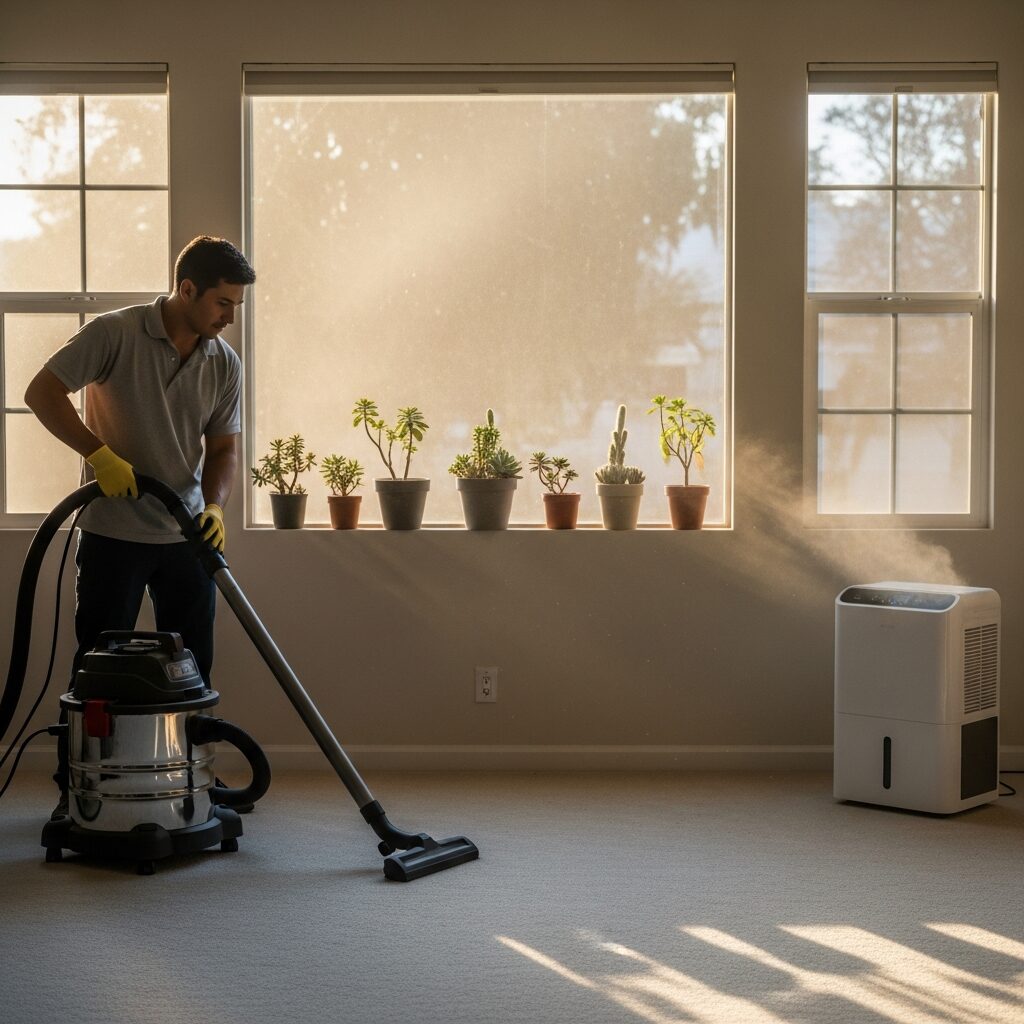
The first hint that the Santa Ana winds are arriving in Sherman Oaks is not always the rush of air; sometimes it is the new texture on your windowsill, a dusting on the dashboard, or a faint dryness in the living room that was not there the day before. Within hours, gusts sweep across the Valley, picking up fine particulates from canyons, construction sites, and streets, then driving them through every vulnerability in our homes. We learn to close windows, secure patio furniture, and postpone certain chores, but the winds still leave a calling card underfoot. Carpets absorb the brunt of it—quietly, invisibly, and completely predictably. That is why seasonal strategy matters, and why many households weave professional carpet cleaning into their annual rhythm as naturally as changing HVAC filters or pruning backyard citrus.
To someone new to the area, Santa Anas can feel like a dramatic but occasional inconvenience. To those of us who have lived through years of wind seasons, they are a pattern. The air dries, static increases, and dust behaves as if it were actively seeking soft landings. When the winds pause, the aftermath lingers: an ultra-fine layer of grit that seems to mute color and cling to surfaces, especially textiles. That is because textiles like carpet hold particles in their microstructure. The good news is that this tendency protects the breathing zone by preventing dust from constantly recirculating—provided we remove it effectively between events.
Understanding Santa Ana Dust
Not all dust is created equal. The particulates that ride on Santa Ana winds are extremely fine and often electrostatically active. They originate from dry canyon soils, pulverized leaf matter, roadway residues, and construction debris. Their small size helps them penetrate screen mesh and door gaps and bypass casual defenses. Once inside, they settle into carpet where they mingle with household dust and oils to create a stubborn film that dulls fibers and resists ordinary vacuuming.
In homes with pets, this film bonds to dander and coat oils, forming a composite soil that is difficult to break without the right chemistry and agitation. In rooms with open floor plans, prevailing airflow patterns can create dusty “drifts” along certain walls and under furniture, leading to uneven appearance that is hard to understand until you have lived through a few seasons.
Pre-Wind Preparation
Preparation reduces the load your carpet has to bear. Before the season ramps up, attend to small air leaks around doors and windows. Place washable entry rugs at exterior doors and consider a shoes-off habit during wind advisories. Replace HVAC filters so your system is ready to capture what sneaks past your thresholds. A methodical vacuum and edge detail along baseboards create a clean baseline so you can gauge how much the winds contribute when they hit.
It also helps to identify rooms that run cooler or receive less sun; these areas may dry more slowly after cleaning and attract more dust during still periods between gusts. Knowing your home’s tendencies makes it easier to schedule service and choose days when drying conditions will be favorable.
During the Winds: Smart Habits
When the Santa Anas are active, think control rather than conquest. Keep windows closed and use the HVAC fan to circulate air through clean filters. Use a dry dust mop on hard floors and vacuum high-traffic areas of carpet more slowly than usual, giving your machine time to lift what has just settled. Avoid wet mopping or heavy spot work unless absolutely necessary; the very dry air can create rapid evaporation that locks residues to fibers if not thoroughly rinsed.
Pets will still need their walks, and kids will still race in and out. Capture grit at the door with mats and quick towel wipes on paws when you can. These small interventions shrink the task that awaits you when the winds subside.
Post-Wind Reset: Why Timing Counts
After a wind event, the temptation is to focus on what you can see—the film on furniture and the fine grit on windowsills. The less visible accumulation in carpet is just as important, because it continues to influence indoor air and appearance with every step. A post-event reset interrupts that cycle. Begin with a thorough vacuum, including edges along baseboards where dust sifts down. Then, schedule a deep clean that dissolves the bonded film and extracts it completely. In Sherman Oaks, well-timed resets—especially after the most intense Santa Ana weeks—restore color and texture before the dust cements itself into traffic lanes.
Drying matters here as well. After the winds, humidity often remains low but temperatures can vary. Professionals balance solution volume with strong extraction and air movement to speed drying and prevent wicking. The goal is to return your carpet to a neutral state before daily life lays down a new layer.
How Professional Methods Tackle Wind-Borne Soils
Santa Ana dust behaves like a fine abrasive suspended in a light oil film. Effective removal starts with high-filtration pre-vacuuming to lower the particulate load, followed by pre-treatment that loosens oily binders. Gentle agitation lifts the soil; rinse extraction removes it. In some cases, low-moisture encapsulation can be used in areas that need rapid turnaround, but it is usually paired with periodic hot-water extraction to ensure deep flushing over the season.
Edge work is crucial. Fine dust creeps under baseboards and accumulates where carpet meets trim. Addressing those lines restores a crisp border that makes rooms look freshly detailed. Grooming the pile afterward helps fibers reflect light evenly, which is one reason a well-cleaned room appears brighter even on an overcast day.
Integrating Santa Ana Strategy Into Your Year
A seasonal plan is simple. Establish a baseline deep clean ahead of the windy period so your carpet starts clean. During the winds, focus on containment and interim vacuuming. After the worst gusts pass, book a reset to remove what accumulated. Repeat as needed with the season’s ebbs and flows. In households with pets, layer in spot attention and, if necessary, targeted subsurface treatments in areas where accidents and dust intersect, such as near favorite napping spots by sliding doors.
In the middle of the year, when breezes soften and evenings invite open windows, balance the pleasure with maintenance. A scheduled carpet cleaning during these calmer months ensures that the next wind season begins with a clean slate, making each subsequent reset easier and more effective.
Special Considerations: Allergies and Sensitive Noses
For allergy sufferers, Santa Anas can mean itchy eyes and restless nights. Carpets that have trapped a season’s worth of fine particulate release small amounts with every step, especially along traffic lanes and where pets play. Reducing that load through thorough, well-timed cleaning lightens the body’s burden. Equally important is the choice of low- or no-fragrance solutions and careful rinsing, which preserve the neutral, fabric-only scent that signals a truly clean room.
For infants, seniors, and pets, swift drying helps return rooms to safe, comfortable use. Air movement, balanced temperatures, and good extraction are non-negotiables. This is where the difference between a quick pass and a professional service becomes obvious the next morning: no crunchy texture, no drifting dust, just the feel of fibers that have been restored rather than saturated.
Protecting High-Use Areas
Entry zones, living rooms adjacent to patios, and stairs collect the brunt of wind-borne soil. A little targeted reinforcement goes a long way. Rotate small rugs, vacuum edges, and consider fiber protection after deep cleaning to make future soil release easier. This not only supports appearance; it also speeds routine maintenance because dust and oils have less to cling to.
Pay attention to furniture feet and the undersides of sofas and chairs near windows. These areas can harbor fine particulate that sifts down steadily. Lifting and vacuuming beneath them as part of your post-wind reset keeps the room coherent, preventing clean patches and dull borders.
After Construction or Landscaping
Santa Ana season often coincides with home projects. Fresh stucco dust, sawdust, or soil from new plantings can ride the same winds that bring canyon silt. If your home has recently had work done, plan an extra cleaning pass once the project wraps. Construction fine dust is tenacious; it bonds to carpet in a way that resists casual efforts. A methodical process breaks that bond and removes it before it becomes a long-term resident.
Likewise, if wildfire smoke has touched the region, residue can drift in even without visible ash. Neutralizing that faint, smoky undertone requires specific treatments followed by thorough rinsing. The result is a home that smells like itself again, not like last season’s headlines.
The Look and Feel of a Successful Season
When you manage carpet with the winds in mind, the difference is tangible. Colors read true in afternoon light instead of muddied by a gray cast. The pile feels soft underfoot, not filmy. The air carries a quiet, neutral scent instead of a mélange of dust and old detergent. These are the signals that tell you your home is handling the season gracefully.
Even better, maintenance gets easier. Each reset removes less than the last because you are not starting from a place of neglect. Your vacuum glides and collects; it does not fight. Family and guests notice the freshness even if they cannot name its source. That is the subtle reward of a plan that meets the season on its own terms.
Frequently Asked Questions
Q: How often should I schedule professional cleaning during Santa Ana season?
A: Many Sherman Oaks households plan a baseline cleaning before the winds, then a targeted reset after the most intense period. Pet homes or those that keep doors open frequently may benefit from an additional mid-season touch-up.
Q: Can I keep windows open during mild wind days?
A: If winds are active, even mildly, expect more dust indoors. It is better to ventilate during calm periods and rely on HVAC filtration during wind advisories to reduce the load on your carpet.
Q: Will more frequent cleaning wear out my carpet?
A: On the contrary, removing abrasive, wind-borne grit prevents fiber damage that makes carpet look tired. Professional methods protect construction while restoring appearance and feel.
Q: How can I tell if dust has bonded to my carpet?
A: Look for a muted, grayish cast in traffic lanes and a slightly sticky feel that resists vacuuming. If colors brighten noticeably after professional service, bonded film was part of the issue.
Q: Do I need special products after wildfire smoke?
A: Smoke residues respond best to targeted treatments followed by thorough rinsing. Fragrances mask but do not solve. A professional can select the right sequence to neutralize odors and restore a neutral scent.
Q: How fast should carpets dry after a reset?
A: With balanced application and strong extraction, most areas dry within a few hours in our climate. Air movement hastens the process and helps prevent wicking of fine residues back to the surface.
Make the Next Wind a Non-Event
Santa Anas will always be part of Sherman Oaks life, but their aftermath does not have to define your home. With a smart plan and well-timed, professional carpet cleaning, you can meet the season confidently, keeping color bright, fibers soft, and air calm no matter how the forecast reads.