
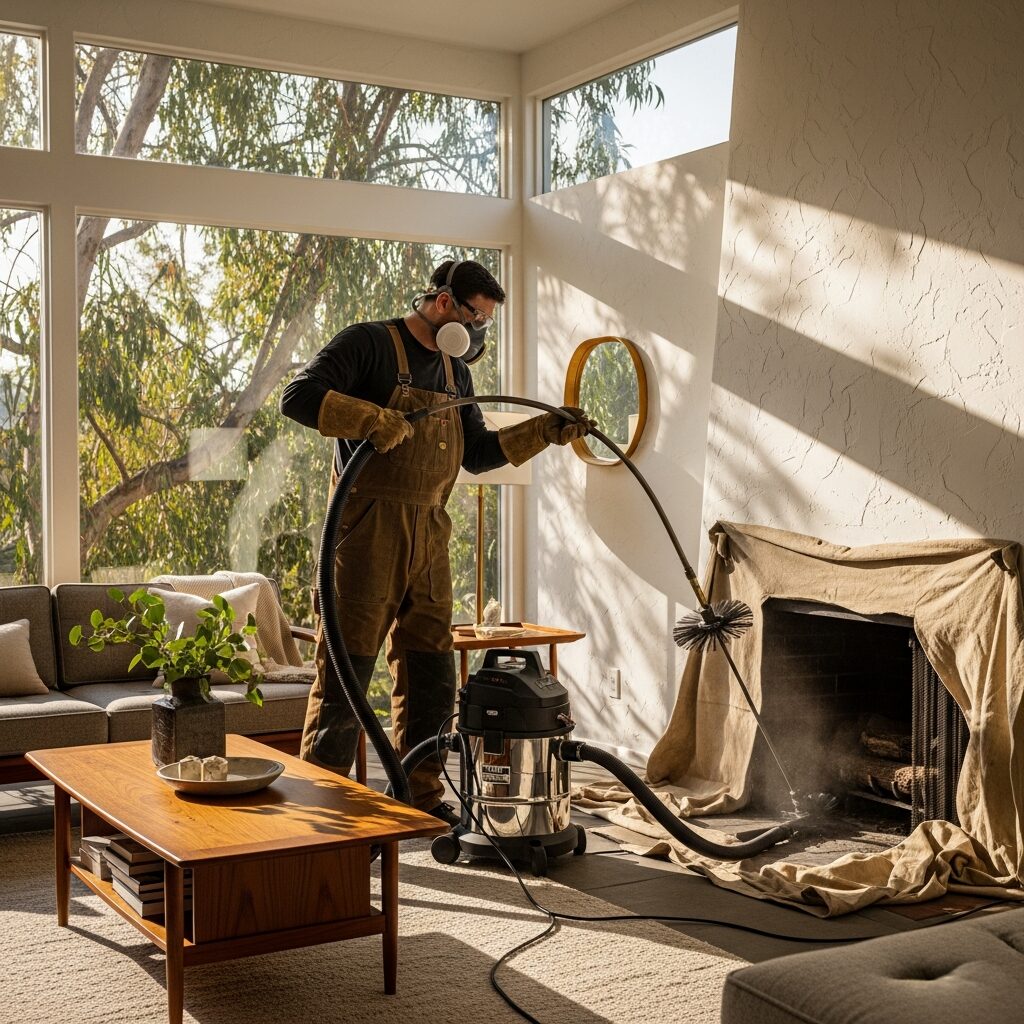
Chimney Cleaning Services in Sherman Oaks, California
When you live in Sherman Oaks, your home does a little bit of everything. It shelters you from cool canyon breezes dropping down from Mulholland, it keeps dust at bay when the Santa Anas pick up, and on crisp evenings it becomes the gathering spot for stories told around a glowing fire. A fireplace is both comfort and character, the kind of feature that gives a home its soul. Yet to keep it safe and performing the way it should, your chimney needs thoughtful attention. That is where professional chimney cleaning makes all the difference, tailored to the particular rhythms and weather patterns of our San Fernando Valley community.
As a local, you probably already sense that the Valley’s microclimates shape how soot and debris behave. Dry weeks can carry fine particulates from roadside dust and distant wildfires, even when flames are nowhere in sight. Wet mornings can leave a faint damp in the flue that affects draft. And those beautiful eucalyptus and jacaranda trees that line so many Sherman Oaks streets? Their blossoms and leaves float everywhere, sometimes finding the exact nook or cap gap that leads them toward the top of a chimney. Because of these conditions, chimney care here isn’t a generic checklist—it is a practiced approach honed by experience with stucco bungalows near Ventura Boulevard, mid-century ranch homes in the flats, and hillside properties with sweeping views and steep rooflines.
Understanding what a professional service actually does helps homeowners feel confident and informed. A modern chimney cleaning begins well before a brush ever meets the flue. Technicians start with a visual assessment from the firebox to the cap, noting the condition of the damper, smoke shelf, and any visible flue tiles. They look for the subtle signs that differentiate ordinary soot from stubborn, glazed accumulations, and they pay attention to airflow the moment the fireplace is opened. In Sherman Oaks, that airflow read often tells a story—whether roofline eddies are causing downdrafts, whether a nearby tree canopy is interrupting the breeze, or whether a gas starter has been used regularly enough to leave particular residues behind.
From there, the work proceeds with careful preparation of the living area. Drop cloths, high-efficiency vacuums with multi-stage filtration, and specialized tools are all standard. Good chimney care should feel respectful: no ash wafting into your living room, no marks left on the hearth, no guesswork. The goal is thorough removal of combustion byproducts from the flue walls and smoke chamber while protecting the home from a speck of dust. That balance—thorough and tidy—defines a professional service, and it is particularly important in older Sherman Oaks homes where original fireplaces share space with updated interiors and carefully curated furnishings.
What Makes Sherman Oaks Chimneys Unique
The age and style of local homes play a big role in how a chimney is cleaned. Many houses here feature classic masonry chimneys with clay tile liners. Others, especially later remodels or additions, may have a factory-built system with a metal flue. Each calls for its own gear and technique. Masonry flues respond well to certain rotary brushes and flexible rods that scrub the tile without chipping edges. Prefabricated systems require gentler, system-approved methods to preserve the integrity of the metal and joints. A seasoned sweep knows the difference on sight, and that familiarity prevents damage and helps the system last longer.
Then there is the roof. Sherman Oaks has plenty of easy, low-slope roofs, but the hills offer a different story. On a steep hillside lot, safe roof access is everything. Technicians consider ladder placement, anchoring points, and the presence of solar panels or skylights. Many homes also incorporate modern caps and spark arrestors, which protect against embers and wildlife but can accumulate debris. Those need cleaning and inspection too, because a cap that is partially blocked can reduce draft, encourage smoke spillage, and make it harder to light a clean, efficient fire.
A local service also understands that fireplaces here see varied use. Some burn regularly through the shorter winter season, while others are lit only for holidays and special occasions. Irregular use can be deceptive. Even a rarely used chimney can collect dust, nesting materials, and the kind of light, fluffy soot that drifts downward over time. That is why professionals focus on the whole pathway—from the firebox and smoke chamber into the liner and up past the crown—rather than only the areas that appear dirty at a glance.
How a Thorough Cleaning Protects Your Home
Combustion creates residue. In a wood-burning fireplace, that residue includes soot and creosote, each with its own texture, color, and behavior under heat. Over time, layers can build, roughening the flue and making draft less predictable. Incomplete combustion not only wastes energy; it allows more byproducts to accumulate where they should not be. The purpose of cleaning is to reset the system to a safe baseline: smooth passage for smoke, steady airflow, and a firebox free from fragile, dusty buildup.
Beyond the flue, attention to the smoke chamber is essential. In many older homes, this transition area above the damper can be irregular and rough. When that surface is dirty, it tends to shed particulate back into the living space. A proper service reaches up into this space, gently dislodging deposits and drawing them into containment. In doing so, it also allows the technician to examine mortar joints, look for small cracks, and confirm that the damper opens and closes fully. Catching these details before they become problems is one of the quiet benefits homeowners appreciate after a few seasons of consistent care.
Exterior components matter as well. The crown—the topmost concrete or mortar cap that sheds water—is a frequent source of trouble. Hairline cracks can admit water, and in colder snaps that moisture may expand and contract. Over time, this cycle weakens joints and allows more water inside the structure. A careful cleaning service notices these issues and recommends sensible next steps. Similarly, flashing where the chimney meets the roof can lift or separate, especially when roofing work has been done. While cleaning focuses on the interior, the best services integrate a roofline check, giving homeowners a clear sense of overall condition.
Seasonal Realities in the Valley
Climate shapes fireplaces more than many people realize. The same breezes that make Sherman Oaks evenings comfortable can also carry fine debris. After a windy spell, many homeowners notice a faint, ashy scent from the fireplace even if it has not been used. That scent is a clue: airflow moving down an imperfectly sealed flue, carrying outdoor particulates. During a professional visit, these patterns are evaluated by observing draft under different conditions, opening and closing the damper, and sometimes using a small amount of safe, visible smoke to analyze movement. The goal is to ensure that, no matter the wind pattern outside, your system is set up to draw properly from the moment you strike a flame.
Wildfire seasons, even when distant, add another layer of consideration. Air quality events can move soot-like particles into every nook of a home, including the top of a chimney. When those particulates mingle with moisture overnight, they can adhere lightly to surfaces, adding to residue without a fire ever being lit. That is why homeowners who barely used their hearth one year can still benefit from a thorough sweep before the next. It is also why many locals schedule cleaning earlier in the season, before the first cool snap inspires a neighborhood’s worth of fires.
Gas Fireplaces and Hybrid Setups
Not every hearth in Sherman Oaks burns wood. Gas log sets, inserts, and hybrid arrangements are common in renovations and accessory dwelling units. These systems have their own maintenance needs. While gas produces less soot, it still leaves deposits, and it relies on clean, unobstructed pathways for exhaust. Dust, spider webs, and small bits of masonry can impede sensors and burners. A thoughtful service checks ignition, flame quality, and venting, ensuring that the promise of convenience matches safe operation. If you switched from wood to gas in the last few years, a technician will also pay attention to the way the former residues and the newer byproducts interact, especially in the first sections of the flue.
What to Expect During a Visit
From the moment a technician steps onto the property, the plan is clear communication. You should hear a concise explanation of the process, the protective measures taken, and a sense of timing. Before and after photos of the flue interior and smoke chamber are increasingly common and very helpful. If access from the roof is required, it is done with obvious care for landscaping and roofing materials. Inside, furniture is respected and pathways are protected. After the flue is brushed and vacuumed, the technician confirms that the damper moves freely, the ash pit or clean-out (if present) is tidy, and the cap is secure. You should be left with a straightforward summary of findings and practical recommendations.
Over the years, local homeowners learn to value this rhythm. They schedule well ahead of the first cool stretch, they pair cleaning with a general home tune-up, and they come to rely on the feel of a well-drafting system. Fires light more readily, glass doors stay clearer, and that light, lingering smoke scent disappears. The difference is not only in how the fireplace looks once cleaned but in the way the entire home breathes when it is used.
Choosing the Right Help
In a city as big as Los Angeles, it is easy to assume all services are the same, but Sherman Oaks benefits from providers who know its neighborhoods and building styles. Look for experience with both masonry and prefabricated systems, a commitment to clean containment, and clear reporting. Ask how they approach steep roofs, what kind of vacuums and filtration they use, and how they document the interior of the flue. While the work itself might seem straightforward, craftsmanship shows in the details, and those details add up to lasting safety and comfort.
Homeowners sometimes ask whether they can tackle the job themselves. There are consumer-grade brushes on the market and plenty of online advice. What those guides cannot provide is situational judgment: understanding when soot is normal and when it hints at a combustion or venting imbalance, recognizing the small spall in a clay tile that suggests a past chimney fire, or distinguishing a harmless draft quirk from a condition that deserves a closer look. Professional service folds that judgment into every step, preserving the integrity of the system and keeping the living space pristine.
Mid-Season Checks and the Value of Consistency
Even with a meticulous sweep, habits and weather keep chimneys dynamic. If you enjoy frequent fires, a mid-season check can confirm that everything is still performing as it should. This is especially true after big wind events or if you switched wood varieties. Hardwoods and softer species behave differently, and even well-seasoned fuel can surprise you when the local humidity swings. A quick look and light touch-up can keep everything on track. In the sunnier months, a final check ensures that the cap is secure for the dry season and that critters have not taken an interest in the cozy space above your damper.
Some homeowners coordinate chimney care with other home maintenance, like gutter cleaning or roof inspections. The timing makes sense: access equipment is already in place, and technicians can share notes about what they see along the roofline. If repairs are ever needed, the combined information helps prioritize sensible, efficient work, whether that means addressing flashing, re-crowning, or simply adjusting a cap to improve draft in a tricky wind corridor.
Local Insights That Matter
Neighborhood specifics also shape the approach. Near Chandler Estates, tree cover is denser and leaf litter heavier, which means caps deserve extra attention. Closer to Ventura Boulevard, air particulates from traffic can adhere to existing soot, forming a slightly tackier film on the flue walls. Up in the hills, thermal inversions sometimes hold smoke lower in the evening, making a well-tuned draft even more valuable. These are the kinds of details a local service learns over time. They are small on their own, but together they turn a good cleaning into a great one.
Midway through the season, many homeowners revisit their initial goals for the fireplace. Maybe you started with a plan to host friends for a few warm, convivial evenings and found yourself lighting the hearth three times a week. Or perhaps you realized that your gas set is the perfect backdrop for quiet mornings. Either way, taking a moment to reassess and, if needed, schedule a check-in supports that experience. If you are exploring options or simply want clarity about best practices, professional chimney cleaning advice can help you choose the right path with confidence.
Frequently Asked Questions
How often should a chimney be cleaned in Sherman Oaks?
The general guideline is to have your system inspected annually and cleaned as needed based on use and findings. Our local climate, with breezy spells and occasional air quality events, can introduce debris even in low-use fireplaces, so an inspection before the cool season is wise.
What are signs my chimney needs attention now?
Common indicators include difficulty starting a fire, smoke drifting into the room, a persistent campfire smell when the fireplace is cold, visible soot around the damper, or debris falling into the firebox. Birds investigating the cap or unusual draft noises are also clues worth noting.
Can gas fireplaces skip regular cleanings?
Gas systems produce fewer residues than wood, but they still benefit from periodic cleaning and inspection. Dust, pet hair, and venting issues can all affect performance. A brief annual check keeps ignition reliable and ensures exhaust pathways are clear.
What is involved in protecting my home during the process?
Technicians use clean drop cloths, seal the work area, and rely on high-efficiency vacuums to capture fine particulates. Furniture and flooring near the hearth are protected, and containment remains in place until the last bit of soot is removed.
Do caps and spark arrestors really make a difference?
Absolutely. Caps reduce water entry, deter animals, and help block wind-driven debris. Spark arrestors add a layer of safety by containing embers. Keeping them clean and well-fitted improves draft and prolongs the life of the chimney.
Is there a best time of year to schedule service?
Early fall is popular because it prepares the home for the season ahead, but late spring and summer are excellent as well. Off-peak appointments can be easier to schedule, and your chimney is ready the moment cooler evenings return.
What if I barely used my fireplace last year?
Even infrequent use can leave residues, and local winds carry fine particulates that settle inside the flue. A quick inspection confirms condition and ensures you are ready for safe use without surprises when the next chill arrives.
Final Word and Next Steps
Your fireplace is part of what makes a Sherman Oaks home feel truly welcoming. Keeping it safe and responsive means choosing careful, consistent care grounded in local know-how. If you are ready to prepare for the cool evenings ahead or want a mid-season check that puts your mind at ease, schedule expert chimney cleaning today and enjoy every fire with confidence.