
Air Duct Cleaning in Sherman Oaks: A Balanced Look at Pros and Cons
In Sherman Oaks, home comfort is a year-round project. We lean on air conditioning through long warm stretches, switch to heat when nights cool down, and often keep the system cycling because indoor temperatures can swing more than you’d expect. With that constant airflow, it’s natural to wonder whether air duct cleaning is worth it. Some neighbors swear by it; others feel it’s unnecessary. The truth is more nuanced, and it depends on your home, your HVAC setup, and what you’re trying to improve.
This guide takes a balanced, local perspective on the pros and cons for Sherman Oaks homes. The goal isn’t to sell you on a decision, but to help you make a confident one. If you decide cleaning makes sense, you’ll also want to make sure you’re looking at a complete service. A thorough air duct cleaning addresses the system’s pathways, not just the vent openings, and that distinction matters when you’re weighing benefits against potential downsides.
Because our neighborhood includes older homes, remodels, and newer builds, ductwork can range from straightforward metal trunks to mixed systems with flexible duct runs. Those differences affect both the upside of cleaning and the risks if it’s done carelessly. Let’s walk through the real advantages and the honest cautions, based on what typically shows up in Valley homes.
The Pros: Why Many Sherman Oaks Homeowners Choose Duct Cleaning
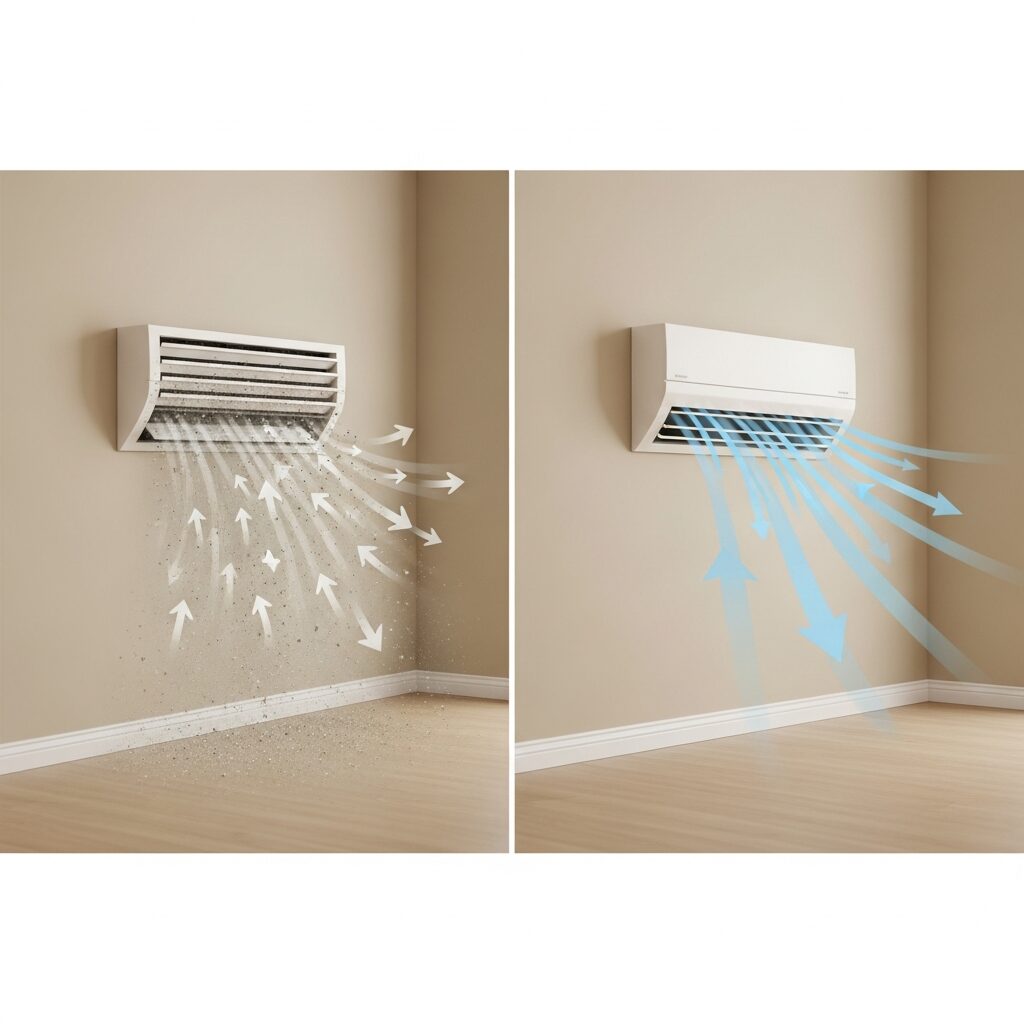
One of the most practical benefits is reducing the amount of accumulated dust and debris sitting inside the system. Ducts can act like a storage space for fine particles—dust, lint, pet dander, and bits of outdoor grit. When the HVAC runs, airflow can disturb that buildup, contributing to dust settling near vents and around rooms. A thorough cleaning removes that reservoir, and many homeowners notice that surfaces stay cleaner a little longer, especially in frequently used spaces like living rooms and bedrooms.
Another advantage is addressing odors that appear when the system starts. In some homes, dust inside ducts or near the air handler warms up and produces a “stale” smell. It’s not always dramatic, but it can be persistent enough to make the home feel less fresh. When cleaning is done properly, removing debris from supply and return pathways can reduce those start-up odors and make indoor air feel more neutral.
Duct cleaning can also be particularly helpful after remodeling. Sherman Oaks homeowners renovate often—kitchens, floors, additions, and full modern updates. Even with plastic sheeting and fans, fine construction dust travels. It can settle in return pathways and ducts and then linger long after the remodel is complete. Cleaning ducts after a project can feel like the final reset that makes the home feel truly clean again.
Finally, there’s the peace-of-mind factor. When you know the system moving air through your home is cleaner, it’s easier to relax and run the AC without wondering what’s being circulated. That comfort matters, especially for households with allergies or sensitivities where the idea of recirculated dust can be stressful.
The Cons: When Duct Cleaning May Not Be the Best Move
The biggest “con” isn’t that duct cleaning is harmful; it’s that it can be ineffective if done poorly or if you don’t actually need it. If a provider only vacuums the vent openings and doesn’t clean the trunk lines and returns, you may pay for a service that doesn’t change how your home feels. That can lead people to conclude duct cleaning “doesn’t work,” when the real issue was the scope and method.
Another concern is the potential for mess if containment isn’t done correctly. Duct cleaning should remove debris from the system, not blow it into your living space. A rushed crew or improper setup can stir dust, leaving you with more cleanup afterward. This is why choosing an experienced provider is essential, particularly in lived-in homes with rugs, upholstery, and open shelving that can collect airborne particles.
There’s also the issue of duct material. Many homes have flexible ducts in parts of the system. Flex duct can be cleaned, but it requires a gentle approach. Aggressive tools used improperly can damage the inner lining, creating new problems. If your home has older ductwork, careless handling can loosen connections or disturb seals. The “con” here is not the cleaning itself, but the risk of poor workmanship.
Finally, duct cleaning is not a cure-all for indoor air quality. If you have poor filtration habits, a dirty evaporator coil, moisture issues near the air handler, or leaky ducts pulling in attic dust, cleaning may help but won’t fully solve the problem. It’s important to view duct cleaning as one piece of a broader indoor comfort puzzle.
When the Pros Tend to Outweigh the Cons in Sherman Oaks
In my experience, duct cleaning tends to be most worthwhile when there’s a clear reason. If you’ve recently remodeled, if you’ve noticed dust puffing from vents, if odors appear when the system turns on, or if dust seems to return unusually quickly, those are practical signals. Homes with multiple pets, heavy HVAC use, or older ducts that haven’t been addressed in years also often see more noticeable improvement.
It’s also reasonable to consider cleaning after specific environmental events. In Southern California, we all know wildfire season can affect indoor air. Even with windows closed, fine particles can find their way in. If you’ve run your HVAC during poor outdoor air conditions, an inspection can help determine whether cleaning would be beneficial.
The key is to pair the service with good habits. Clean ducts won’t stay clean if filters are neglected or if return grilles are blocked. When homeowners combine a thorough service with consistent filter changes, the benefits tend to last longer and feel more meaningful over time.
Midway Take: The Real Deciding Factor Is Quality
When people debate duct cleaning, they often argue about the concept instead of the execution. In practice, the biggest difference is whether the work is done as a complete system service. A careful air duct cleaning should include attention to both supply and return pathways and should be performed with containment so debris is captured rather than scattered.
This is especially important in Sherman Oaks homes where ductwork may be a mix of materials and ages. A provider who understands how to work with flex duct, older metal trunks, and tight attic access will reduce risks and improve results. Quality is what turns duct cleaning from a questionable expense into a service that actually changes how your home feels.
If you’re unsure, consider starting with an inspection. A straightforward look at registers and accessible duct sections can reveal whether there’s meaningful buildup. That way, you’re not making the decision based on general opinions—you’re making it based on your actual home.
How to Minimize Downsides if You Decide to Proceed
If you choose to move forward, the best way to reduce risk is to hire a provider that explains the process clearly. Ask how they contain dust, whether they clean both returns and supplies, and how they handle flexible duct sections if you have them. You can also ask what steps they take to protect your floors and furnishings. A confident, professional team will answer these questions without getting defensive.
On your end, prepare the home so technicians can work efficiently. Clear access to vents and the HVAC unit. If the air handler is in a closet, make sure it’s accessible. If attic access is needed, clear the path. These small steps help the crew stay focused and reduce the temptation to rush.
Afterward, keep up with filter changes and basic housekeeping. Many homeowners find that once ducts are clean, a consistent filter routine makes the home easier to keep comfortable. In the Valley climate, where HVAC use is frequent, those small habits protect the benefits of the service.
FAQ: Air Duct Cleaning Pros and Cons for Sherman Oaks Homes
Q: What’s the biggest benefit of duct cleaning?
A: For many homes, it’s reducing accumulated dust and debris that can be recirculated through the HVAC system, which may help the home feel fresher and reduce how quickly dust settles near vents.
Q: What’s the biggest downside?
A: The main downside is paying for a superficial service that doesn’t address the full system, or hiring a provider that lacks proper containment and care, which can lead to mess or even duct damage in rare cases.
Q: Is duct cleaning recommended after remodeling?
A: Often, yes. Construction dust is fine and mobile, and it can settle in returns and ducts. Cleaning can remove that hidden layer and help the home feel finished.
Q: Can duct cleaning help with odors when the HVAC turns on?
A: It can, especially if odors are caused by dust or debris in the duct pathways. Persistent odors may require additional inspection of other components.
Q: How do I know if my ducts are flexible or metal?
A: A technician can usually tell by inspecting accessible sections near the air handler or in the attic. Many homes have a mix, particularly after upgrades.
If You Want the Upside, Choose the Right Service
If the pros sound like they match your situation—post-remodel dust, persistent odors, or a home that never seems to stay clean—duct cleaning may be a sensible step. The key is to choose a careful, complete service that respects your home and your ductwork. When you’re ready to pursue the benefits while minimizing the downsides, explore professional air duct cleaning and schedule a visit that’s tailored to how Sherman Oaks homes are actually built and lived in.