
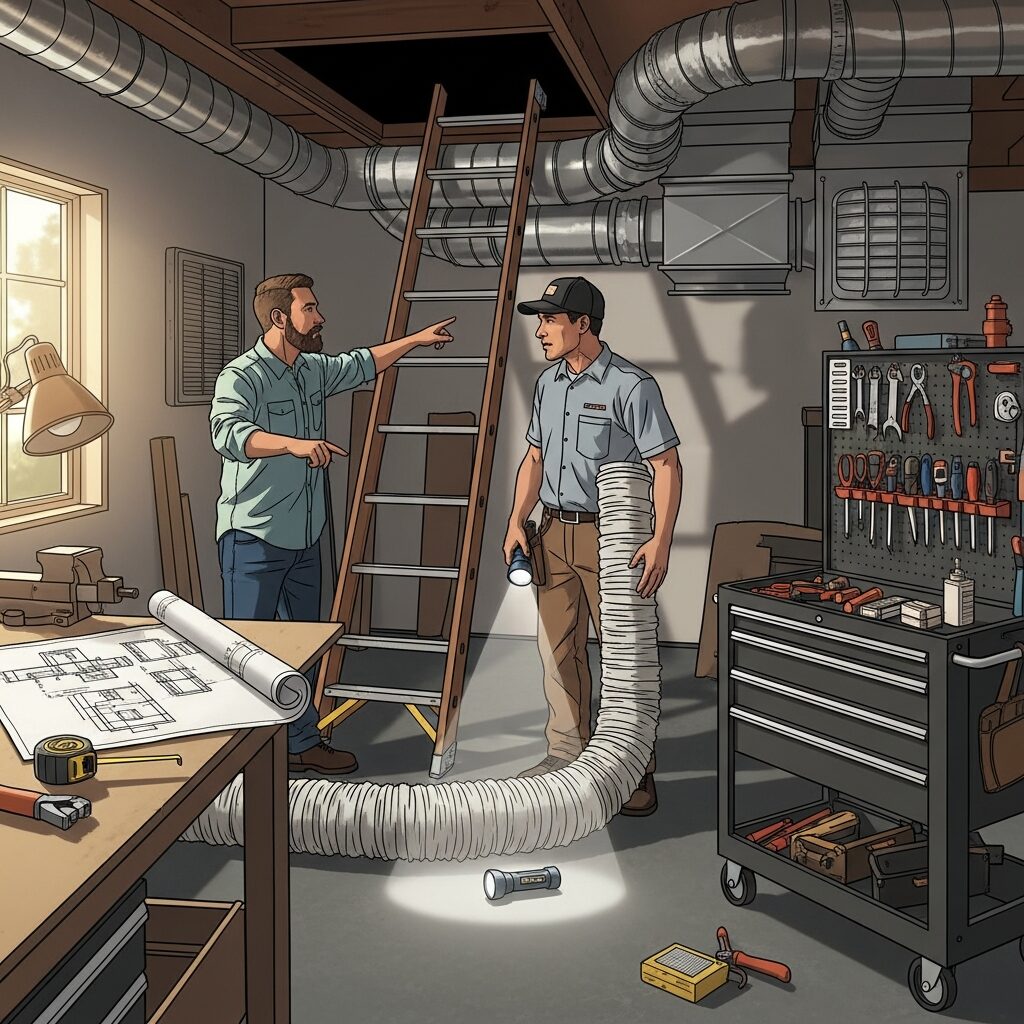
Average Air Duct Cleaning Cost in Sherman Oaks, California (Without the Guesswork)
Homeowners in Sherman Oaks are practical. We’ll happily invest in comfort—especially when summer heat settles into the Valley—but we also want to know what we’re getting, what’s included, and why one quote can sound completely different from another. If you’ve searched for “average” service expectations, you’re probably trying to understand what a reasonable scope looks like before you invite anyone into your home. That’s smart, because with duct cleaning, the biggest difference isn’t a number on a page—it’s what the company actually plans to do once they arrive. A good starting point is understanding what professional air duct cleaning typically involves, how Sherman Oaks homes are built, and which variables tend to make the work more straightforward or more complex.
One important note up front: this discussion intentionally avoids quoting prices. Not because the topic isn’t valid, but because real-world costs change and, more importantly, because focusing only on “average” can lead homeowners to accept a low-scope service that doesn’t address the full system. Instead, think in terms of value: the thoroughness of cleaning, the care taken with your home, and the clarity of what’s included.
Why “Average” Can Be Misleading in Sherman Oaks
Sherman Oaks is not a one-size-fits-all neighborhood. Along the flats near Ventura Boulevard, you’ll find classic single-story homes with duct runs that may be easy to access in the attic. Up in the hills, multi-level layouts can mean longer runs, multiple returns, and more complicated routing. Condos and townhomes can have compact mechanical closets and tighter access that demands extra patience. All of these factors change the labor, equipment setup, and time required to do a complete job.
“Average” also assumes the duct system is in typical condition. But in our area, you may see fine dust accumulation from dry weather, pollen during seasonal blooms, or leftover debris after a remodel. Some homes have been lived in gently for decades; others have had multiple pets, frequent cooking, or regular construction nearby. The amount and type of buildup affects how methodical the cleaning needs to be.
What a Thorough Duct Cleaning Should Include
When homeowners ask what they should expect, I encourage them to think of the HVAC system as a connected pathway. The supply ducts deliver conditioned air, while return ducts pull air back to the system. If only supply vents are addressed, you may get a “surface-level” improvement but still have dust and debris cycling through the returns. A comprehensive service usually aims to address both sides in a controlled way, so loosened debris is captured rather than pushed into rooms.
Another important aspect is attention to main trunk lines, not just the branches you can see from the registers. Some companies focus on the most accessible portions because it’s quicker. A homeowner may not realize what was skipped because ducts disappear into ceilings and walls. Clear communication about which components are included is one of the best ways to compare providers without relying on a vague “average.”
Common Factors That Influence Scope and Time
Even within Sherman Oaks, two homes with the same square footage can have very different duct systems. One may have a single central return; another may have multiple returns designed to improve circulation. Some systems have flexible ducting that needs gentler agitation, while others have metal ducts that allow different tools. The location of the air handler matters too—an attic installation can require careful movement and setup, while a garage or closet installation can be quicker to access but still demands protection for floors and nearby surfaces.
Accessibility is one of the most overlooked factors. If technicians can reach duct runs and service points easily, they can focus on cleaning rather than problem-solving. Tight attic spaces, low clearance, or older access panels can add time simply because working safely and carefully takes longer. In hillside homes, even bringing equipment up a long driveway or navigating stairs can become part of the planning.
What You’re Really Comparing When You Compare Quotes
When two quotes differ, it’s rarely because one company has discovered a secret shortcut. More often, they’re describing different scopes. One may be offering a minimal pass focused on visible registers, while another is describing a full-system approach that includes returns, main lines, and careful containment. Some providers also build time into the appointment for a walkthrough and explanation—showing you where returns are located, what they’ll access, and what you should expect afterward.
Instead of asking, “Is this cheaper than average?” consider asking, “What parts of my system will you clean, and how will you keep loosened debris from entering the living space?” The clarity of the answer tells you more than a number does. A professional should be able to describe their process in plain language, without rushing you or relying on jargon.
How Sherman Oaks Lifestyle Affects Indoor Air
In Sherman Oaks, we often run HVAC systems for long stretches—cooling through hot months and, depending on your household, heating during chilly Valley mornings. Many homes also rely on closed windows due to freeway noise or outdoor air concerns. That means whatever is inside the system becomes a bigger part of the day-to-day environment. If you’ve noticed your home feels dusty soon after cleaning, or you catch a faint odor when the system starts, it can be a sign that your ventilation pathways deserve attention.
Local conditions matter too. Dry weather can make fine particles more mobile. Pollen seasons can be intense. Nearby construction, even a few streets away, can add a constant background of dust. None of this means your home is “dirty”; it means your HVAC system may be doing more work filtering and moving air than you realize.
Mid-Article Focus: Understanding What “Good” Looks Like
If you’re trying to set expectations, it helps to read a detailed description of what a professional service entails. This resource on air duct cleaning is useful because it frames the work as a step-by-step process rather than a quick, mysterious procedure. When you understand the anatomy of your system—supplies, returns, trunks, and access points—you can ask better questions and feel more confident that the service matches your home’s needs.
It’s also worth recognizing what duct cleaning is not. It’s not a substitute for using the right HVAC filter and changing it regularly. It’s not a cure-all for every indoor air issue, especially if there are duct leaks pulling in attic air or if the evaporator coil is dirty. But as part of a broader home-care approach, it can be a meaningful reset—particularly after remodeling, moving into a new-to-you home, or noticing persistent dust patterns.
How to Talk With a Provider Without Getting Stuck on Numbers
When you call a local company, describe your home and your concerns rather than leading with “What’s the average?” Mention whether you’re in a single-story home near Magnolia, a multi-level home in the hills, or a condo with a compact mechanical closet. Share what you’re noticing: dust that returns quickly, airflow that seems uneven, or a smell when the AC starts. Those details help a provider explain the likely scope and what they would inspect upon arrival.
You can also ask how long the appointment typically takes for a home like yours. Time isn’t a perfect indicator of quality, but a service that seems too rushed can be a red flag. A thoughtful provider will also tell you how to prepare—clearing access to vents, ensuring pets are secure, and making attic access reachable if needed.
What to Expect After a Proper Cleaning
Many homeowners report that the home feels fresher when the system cycles on, and that dust accumulation slows over time. If airflow was restricted by buildup in key runs, some rooms may feel more consistent. The best results often show up in the background of daily life: less of that “stale” start-up smell, fewer surprises when sunlight hits a shelf, and a general sense that the HVAC system is supporting comfort rather than complicating it.
After the service, it’s a good time to commit to filter habits. Use the correct size, ensure the filter is seated properly, and replace it on a schedule that fits your household. If you have pets, a busy kitchen, or frequent HVAC use, you may need more frequent changes. Duct cleaning helps reset the system, but your day-to-day habits determine how long that reset lasts.
FAQ: “Average” Expectations for Duct Cleaning in Sherman Oaks
Q: Why do quotes vary so much for the same neighborhood?
A: Homes may look similar from the street but have different duct layouts, access conditions, and numbers of returns and supply runs. Quotes can also reflect different scopes—some companies include both supply and return pathways, while others focus on only part of the system.
Q: Does a bigger home always mean a bigger job?
A: Not always. Layout and duct design matter as much as square footage. A smaller multi-level home with complex routing can take more time than a larger single-story home with straightforward access.
Q: Should I schedule duct cleaning after a remodel?
A: Many homeowners do, because fine dust from cutting and sanding can settle into returns and circulate. It’s especially worth considering if you noticed more dust than usual after the work was completed.
Q: Will duct cleaning help with odors?
A: It can help if the odor is tied to dust and debris in the airflow pathway. If odors come from moisture, a dirty coil, or another source, you may need additional HVAC maintenance to fully resolve it.
Q: How can I tell if the service was thorough?
A: A thorough provider can explain what they cleaned, where they accessed the system, and what they observed. You should feel that the process was controlled and that debris was captured rather than spread around the home.
Take the Next Step With Confidence
If you’re trying to understand what “average” really means for Sherman Oaks, the best approach is to focus on scope, clarity, and craftsmanship rather than chasing a single number. Your home’s comfort depends on the details: the condition of the ducts, the accessibility of the system, and the care taken during the cleaning. When you’re ready to learn what a full, thoughtful air duct cleaning service looks like for your specific home, reach out to a local team and ask for a walkthrough of the process so you can make an informed decision.