
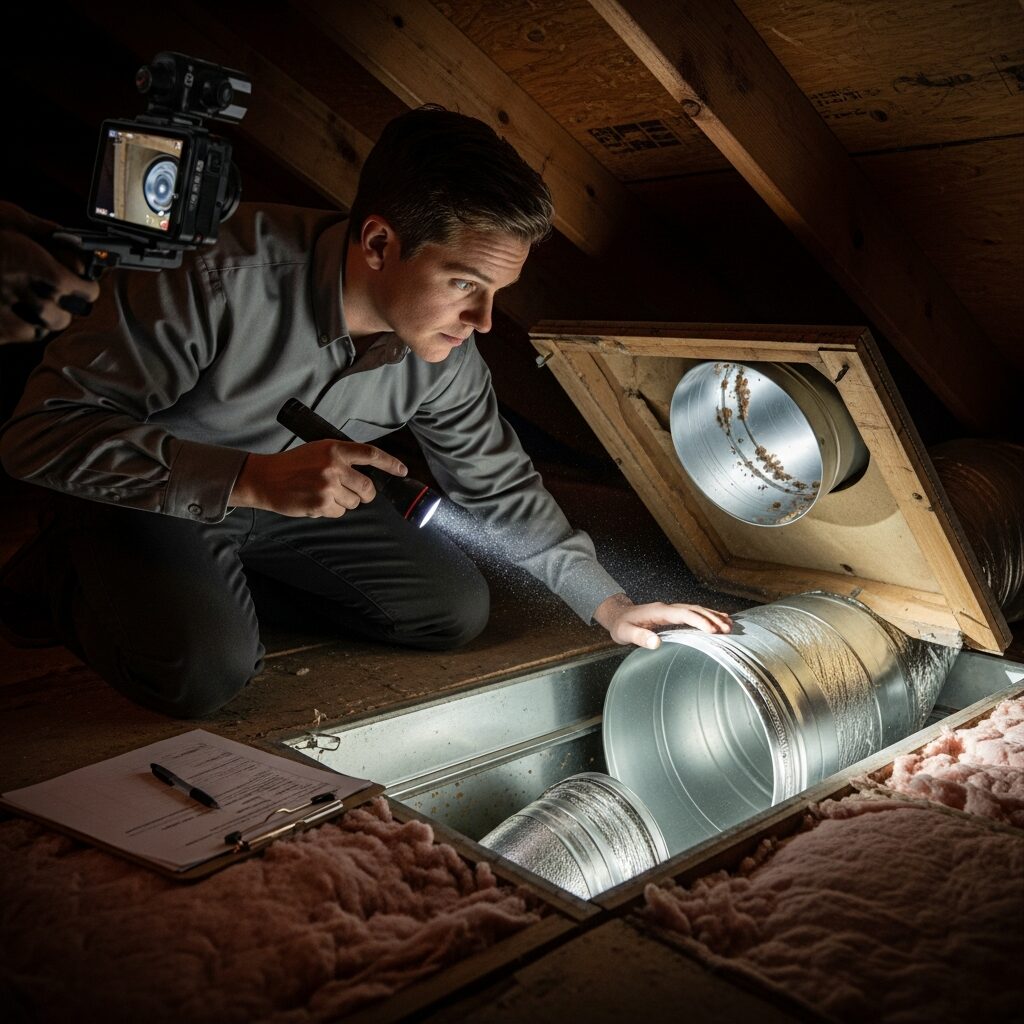
What a Real Duct Inspection Looks Like in a Sherman Oaks Home
If you’ve ever stood under a ceiling vent on a hot Sherman Oaks afternoon and wondered what’s happening behind that grille, you’re not alone. Ductwork is one of those home systems that’s easy to forget because it’s hidden, yet it influences comfort every time your HVAC turns on. A duct cleaning inspection is the step that turns guesswork into clarity. Instead of assuming the ducts are dirty—or assuming they’re fine—an inspection looks at the actual condition of the system, identifies where debris is accumulating, and helps determine whether cleaning is appropriate and what areas should be addressed. For homeowners considering air duct cleaning, understanding what an inspection covers can help you feel confident that the service is targeted, sensible, and aligned with your home’s needs.
Sherman Oaks homes vary widely. You might be in a mid-century house with older duct routing, a newer build with tighter construction, or a condo with shared structural constraints. Each layout affects how air moves and where dust tends to settle. An inspection is not just a quick look at a vent cover; it’s an evaluation of the airflow pathways and the accessible components that shape the cleanliness and performance of the system.
Starting at the Vents: Registers, Grilles, and Visible Clues
Inspections typically begin where you can see the system: supply registers and return grilles. These surfaces provide useful clues. Darkened edges around a vent can suggest consistent dust movement and accumulation at the perimeter. A return grille coated in lint can indicate the home is producing a lot of fine debris, or that filtration and airflow habits need attention.
During this phase, an inspector may look for signs of residue that suggests the duct interiors are contributing to indoor dust. They may also note whether vents are blocked by furniture or rugs, because restricted airflow can change pressure patterns and contribute to uneven distribution of air and debris. While this part of the inspection feels straightforward, it sets the stage for what the deeper evaluation might reveal.
Looking Inside: Duct Interior Condition and Debris Types
The heart of an inspection is observing the inside of the ductwork to assess how much material is present and what kind it is. Not all debris is the same. Some homes have mostly fine, dry dust. Others may have heavier buildup that includes hair, lint, and particles consistent with past remodeling. In some cases, you might see evidence of insulation fibers, which can happen if ducts run near or through insulated spaces and there are small breaches.
For Sherman Oaks households that have done renovations—flooring, drywall work, or sanding—construction dust is a common finding. Even if a project looked well-contained, fine particulate matter travels easily and can be pulled into returns while the HVAC runs. An inspection helps distinguish normal light dust from heavier deposits that are more likely to affect airflow, odor, or indoor cleanliness.
Return Pathways: Where the System Pulls Air Back
Return ducts often collect more visible debris than supply ducts because they’re pulling air from living spaces back toward the HVAC equipment. If you have central returns in hallways or large returns near main living areas, those pathways can become collection points for the household’s everyday dust. Inspection of return pathways can reveal whether there are concentrated areas of buildup, especially near bends, transitions, and return plenums.
This part of the inspection matters because the return side influences the entire system. If return pathways are heavily loaded with debris, the HVAC may be pulling air through a “dirty corridor” before it reaches the filter and equipment. In those cases, cleaning may have a noticeable impact on how quickly dust appears near vents and on surfaces after routine housekeeping.
Registers, Boots, and the Places Dust Likes to Hide
Even when ducts are generally in decent shape, there can be pockets of buildup near register boots—the short sections connecting the duct run to the vent opening. These areas experience turbulence and can trap debris, especially in homes where filters have not always been changed consistently. An inspection that includes these zones can be helpful because it identifies whether a targeted cleaning near registers might address the most immediate sources of dust release into rooms.
In practical terms, this is where homeowners often notice improvements first: less debris around vents, fewer dark outlines, and less dust settling directly below supply registers. By identifying where the dust is concentrated, an inspection can help avoid an overly broad approach and instead focus on the areas that are actually contributing to day-to-day discomfort.
Mid-Inspection Conversations: What You Should Ask and Listen For
Halfway through a good inspection, you should start getting a clearer narrative about your home. What kinds of debris are present? Does it look like typical household dust, or does it suggest a past event like remodeling? Are there sections that look clean and others that look heavily loaded? These details matter because they shape the recommendation.
This is also where many homeowners realize that an inspection is not just a yes-or-no decision about cleaning. It’s an opportunity to understand how your home behaves. If you’re hearing that the ducts contain construction dust, it might explain why the home feels dusty even after deep cleaning. If the return side is heavily loaded, it might clarify why dust seems to reappear quickly. And if the ducts look relatively clean, you gain peace of mind and can focus on filtration, sealing, or other aspects of HVAC care.
When you’re ready to move from inspection to service, it’s natural to connect the findings to a plan for air duct cleaning that’s proportional to the actual condition of your system. The goal is to address what needs attention without treating every home as if it has the same level of buildup.
Signs of Leakage or Disconnection: Not Cleaning, But Important
While the focus of a duct inspection is cleanliness, it can also reveal issues that affect cleanliness indirectly. Small duct leaks, gaps at joints, or poorly sealed transitions can pull in dust from attics, crawl spaces, or wall cavities. In a Valley environment, that can mean extra fine dust entering the system even if your indoor housekeeping is excellent. If an inspector observes signs that suggest leakage—like debris patterns near seams or unusually heavy dust in certain sections—this can be valuable information.
Cleaning can remove what’s already there, but if outside debris is being pulled in continuously through leaks, buildup may return faster than expected. Identifying that possibility during inspection helps you make better decisions about what to address next, whether that’s sealing work, filter improvements, or adjustments to airflow management.
Moisture and Odor Clues Near the HVAC Equipment
In Sherman Oaks, air conditioning use is common, and that means condensation management is important. While duct inspections primarily focus on duct interiors, they often include a look at areas near the HVAC equipment where moisture can be present, such as around the coil housing and drain components. If there are musty odors, visible residue, or signs that moisture has been lingering, that can inform the overall plan.
Odors that homeowners attribute to “dirty ducts” sometimes originate from damp conditions around the equipment rather than from dust alone. A good inspection doesn’t jump to conclusions; it considers how dust, airflow, and moisture interact to create the experience you’re noticing inside your home.
How Inspection Findings Translate Into a Cleaning Plan
After the inspection, the next step is translating observations into an approach. If the ducts show light dust consistent with normal living, you might decide to focus on filtration and return grille cleaning while planning a cleaning later. If there is heavier buildup, especially from construction dust or pet-related debris, cleaning may be recommended sooner. If debris is concentrated near registers and return pathways, a plan may prioritize those areas.
This is where inspection adds real value: it prevents you from making decisions based on marketing claims or general timelines. Your home’s needs are specific, and an inspection helps ensure that any cleaning performed is based on evidence and is likely to produce meaningful results in comfort and cleanliness.
FAQ: What an Air Duct Cleaning Inspection Covers
Q: Is an inspection just looking at my vent covers?
A: A proper inspection goes beyond vent covers. It evaluates the interior condition of ducts where possible, the return pathways, and often the areas near the HVAC equipment that can influence odor and debris movement.
Q: What kinds of debris are common in Sherman Oaks ductwork?
A: Typical findings include fine dust, lint, hair, pet dander, and sometimes construction dust if the home has been remodeled or if the system ran during renovation work.
Q: Can an inspection tell if I have duct leaks?
A: It may reveal patterns that suggest leakage or dust intrusion at seams and joints. Confirming and addressing leaks may require additional evaluation, but the inspection can raise the right flags.
Q: If my ducts look clean, does that mean I never need cleaning?
A: Not necessarily. It means cleaning may not be urgent right now. Conditions change with time, pets, remodeling, and outdoor dust. Many homeowners use inspections to decide timing rather than cleaning automatically.
Q: Why do odors sometimes seem tied to the HVAC system?
A: Odors can be carried by dust in ducts, but they can also be linked to moisture near the HVAC coil and drain components. An inspection helps identify likely sources.
Ready to Replace Guesswork with Clarity?
If you’ve been wondering whether your home’s ducts are contributing to dust, odors, or uneven comfort, an inspection is the most grounded first step. It gives you a picture of what’s happening in the hidden pathways that move air through your rooms and helps you decide what to do next. When you’re ready to act on real findings—not assumptions—visit air duct cleaning and schedule an inspection and service plan that fits your Sherman Oaks home.