
Ask three neighbors in Sherman Oaks how carpet cleaning is “priced per room,” and you will hear three different stories. That is because the phrase blends real-world variables—room size, soil level, furniture, access—into a tidy label that sounds standardized when, in practice, it rarely is. If you have ever wondered what sits behind that simple idea, this guide translates the concept into everyday terms, without quoting figures or fixating on numbers. The aim is clarity: when you understand what shapes a per-room approach, you can plan confidently and schedule carpet cleaning at the moment that fits your home’s needs.
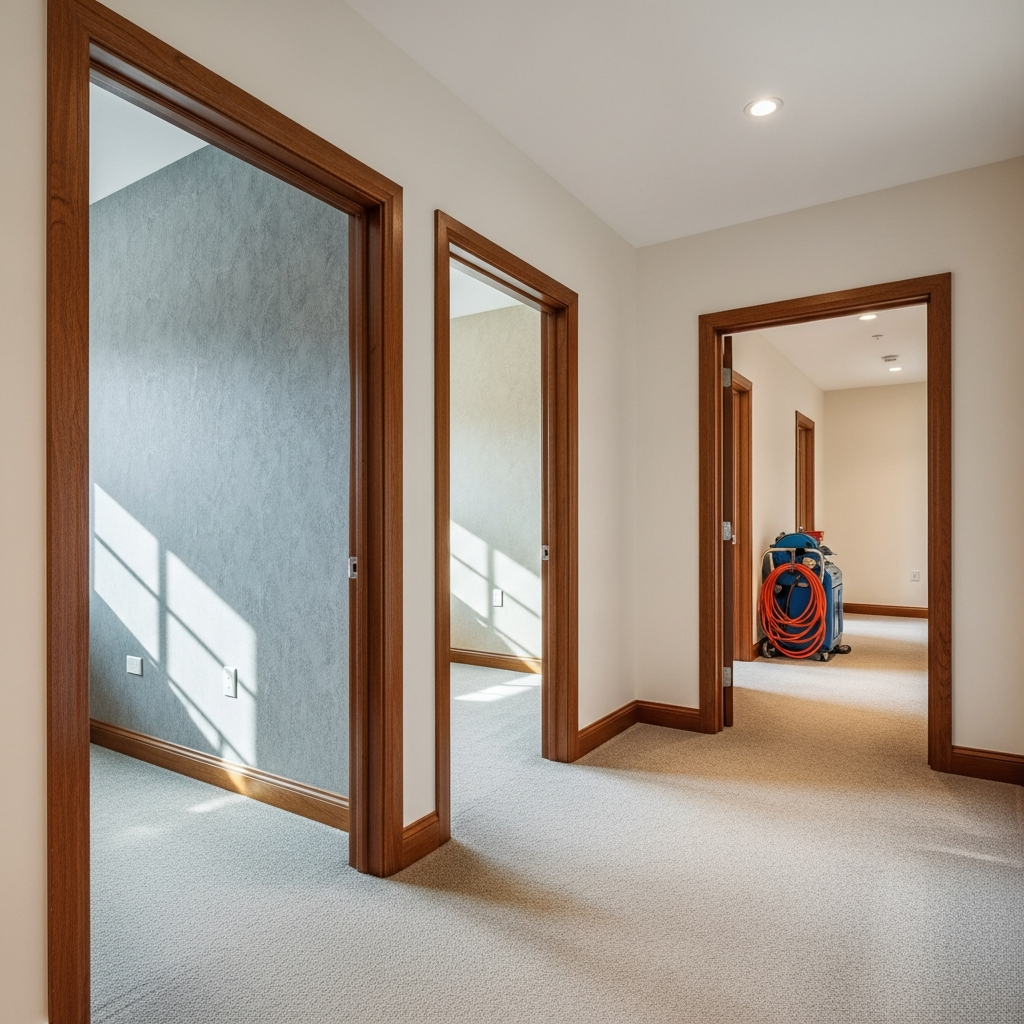
Start with what a “room” means. In some homes, the definition is straightforward: a bedroom with a single entry and minimal furniture. In others, it is more fluid: an open-plan living space that flows into a dining area, or a large primary suite where a sitting nook blends into the sleeping area. When a service uses a per-room framework, they need a working definition to avoid confusion. Clear conversations at the outset—about openings, transitions, and where one area ends and another begins—set the tone for a smooth visit.
Square footage quietly shapes expectations too. A compact den off Ventura Boulevard does not present the same workload as a sprawling family room in the hills. While the label “per room” abstracts that difference, the time, solutions, and thoroughness required obviously shift with size and layout. Professionals anticipate this by asking questions or conducting a brief walkthrough. The goal is not to nitpick; it is to align effort with reality so the finish looks uniform across the entire space.
Soil conditions are another variable. Sherman Oaks homes live a dual life—indoors that welcome guests, kids, and pets, and outdoors that deliver dust on the breeze and pollen during bloom-heavy weeks. A lightly used guest bedroom cleans differently from a living room that hosts weekend game nights. High-traffic lanes often need additional attention: targeted pretreatments, agitation to loosen embedded particles, and extra extraction passes. A per-room concept leaves room for those nuanced steps without overwhelming you with technical detail.
Furniture and layout influence both access and outcomes. A minimalist room with a few movable pieces invites a different approach than a library with floor-to-ceiling shelves and a generous sectional. Professional teams plan around immovable items, protect delicate legs or finishes, and decide whether limited moving makes sense to reach key traffic areas. The aim is a balance between thoroughness and respect for the space as it lives every day.
Material matters as well. Nylon, polyester, wool, and blends all have personalities. Wool prefers gentler temperatures and pH; nylon appreciates a thorough rinse; polyester benefits from grooming to counter matting. When you hear a per-room description, know that the underlying method often adapts to the fiber underfoot. That adaptation is part of what makes results feel tailored rather than generic.
Pet life adds a practical layer. Accidents, lingering odors, and dander can concentrate in specific zones. Addressing them effectively may involve targeted pretreatments and adjustments to the main method, whether hot water extraction for a deep rinse or a low-moisture approach for maintenance. None of this is about complexity for its own sake; it is about aiming at causes rather than symptoms so the room smells and feels genuinely fresh after the visit.
Access logistics in Sherman Oaks deserve their own mention. Condos and apartment buildings near busy corridors may require elevator coordination, HOA notifications, or specific parking guidance. Hillside homes can involve narrow driveways or stairs that shape equipment choices and timing. The per-room idea does not capture those realities, but experienced local teams account for them in planning so that the service flows without hiccups.
Drying expectations play into the picture as well. Warmer, drier days support efficient drying with good airflow, while cooler or damp spells motivate a lighter touch with moisture and increased extraction. Your technician’s job is to manage these variables so rooms return to normal comfortably and without surprises. A succinct aftercare briefing—ventilation tips, light traffic guidance—keeps everything moving in the right direction.
In open-concept homes, boundaries become conversation points. Does the dining room count separately if there is no door? How about a step-down sunken living room that shares the same carpet? Clear, friendly communication brings consistency. Some homeowners like to prioritize the heaviest-use sections during a visit and plan for adjoining areas later. Others prefer a whole-home reset all at once. There is no single right answer; the “per room” lens is simply a way of organizing the work.
Maintenance rhythm is the secret ingredient. A living room that receives periodic, well-timed resets stays brighter with less effort, whereas long gaps allow soils to settle, making the next clean more involved. Pairing thoughtful vacuuming and prompt spill management with scheduled professional care maintains that clean, calm feeling beneath your feet. When you map your calendar to your home’s realities—holidays, guests, renovations, new pets—the per-room conversation becomes straightforward because you are working from shared expectations.
Stain history can shape decisions, too. A room that has seen years of coffee cups and occasional wine nights will present different challenges than a rarely used study. Communicating what happened and what products you have tried gives your cleaner crucial context. Some over-the-counter treatments change how fibers accept color, and that affects what is realistic. Transparency avoids surprises and helps every appointment deliver the best achievable result.
Rugs layered over carpet deserve attention. Liquids can seep through a rug and leave a halo beneath it, so part of the planning is to lift, check, and address both surfaces appropriately. This small step pays off in consistency, preventing shadows from reappearing and keeping the overall look cohesive long after the appointment ends.
Eco-minded homeowners often ask how per-room conversations intersect with responsible cleaning. The answer lies in precision. Using the right product in the right place at the right dilution reduces waste and leaves fewer residues. The hallmark of success is neutral, fresh rooms rather than perfumed cover-ups. Professional teams in Sherman Oaks are accustomed to these requests and can explain how their process supports a healthier indoor environment.
At this point, you might wonder whether the “per room” idea helps or hinders planning. In my experience, it is helpful as a starting frame. It gives us a way to talk about scope before diving into details. Then, with a quick walk-through or a few photos, we refine that frame so it reflects the shape of your home and the way you live in it. The final plan respects your time, your rooms, and the outcomes you care about—brightness, softness underfoot, and a neutral, truly clean scent.
In Sherman Oaks, timing matters, too. Scheduling around weather, school calendars, and community rhythms means fewer surprises and smoother aftercare. On breezy, dry days, ventilation is easy; during cooler weeks, technicians tune moisture levels and bring in air movement. Either way, predictability is the goal, and local teams are adept at reading the Valley’s tempo.
One advantage of thinking in rooms is prioritization. You can refresh the spaces that carry the family’s daily load—the living room, hallway, and primary bedroom—then rotate attention to guest rooms or a home office later. This sequencing keeps appearance high where it counts without overcomplicating the schedule. It also dovetails nicely with the maintenance habits you already have in place.
Communication is the throughline. Share preferences about furniture, sensitivities to fragrances, or the need to keep a napping child’s room undisturbed until a certain time. Professionals factor these into their sequence and equipment choices. They protect corners and baseboards, place tabs under furniture legs where appropriate, and finish with grooming that makes the carpet look uniformly renewed.
Midway through planning, I often pause and ask clients what “finished” looks like to them. Is it brighter color in the traffic lanes, a softer feel in the bedroom, or the end of a persistent odor in the den? Clarifying that vision ensures the work in each room adds up to a whole-home result you can sense the moment you walk back in. And at the center of it all is a practical cadence—regular, well-timed professional carpet cleaning that supports the way you really live.
As your home evolves—new furniture, a new puppy, or a switch to remote work—the per-room conversation evolves with it. The definition of “room” flexes; the method selection shifts; access logistics change. A local team keeps pace, remembers the history, and refines the plan so you are never starting from scratch.
FAQ: What does “per room” usually include?
It typically refers to cleaning the carpeted area within defined boundaries of a space, with standard preparation, appropriate pretreatments, and method choice based on fiber and soil. The exact scope is clarified during a walkthrough so expectations match your home’s layout.
FAQ: How do open floor plans factor into a per-room approach?
Open concepts prompt a quick conversation about logical boundaries. Some homeowners group adjacent spaces as one area for simplicity; others separate them to prioritize heavy-use zones first. The key is agreeing on what makes practical sense for your lifestyle.
FAQ: Do pets change how a room is handled?
Yes, pet history informs pretreatment and sometimes the main method. Targeted enzymes or oxidizers address biological residues, and careful extraction helps neutralize odors. Sharing details about accident patterns leads to better outcomes.
FAQ: How should I prepare a room before cleaning?
Light decluttering helps, along with pointing out concerns and noting any previous DIY products used. Technicians handle access, protect delicate items, and coordinate limited furniture movement when it supports a better result.
FAQ: How long until rooms are ready for regular use?
Drying depends on method, airflow, humidity, and pile density. Local pros tune their process to Sherman Oaks conditions and provide simple guidance for ventilation and light traffic until the carpet is comfortably dry.
FAQ: Are eco-friendly approaches compatible with a per-room plan?
Absolutely. Responsible chemistry and precise application are integral to modern cleaning. The outcome is a truly fresh room without heavy fragrance or sticky residues, supporting a healthier indoor environment.
If you are ready to turn understanding into action and enjoy rooms that look brighter, feel softer, and smell genuinely fresh, schedule trusted carpet cleaning with a local Sherman Oaks team. With a clear plan rooted in how you use your spaces, every room can meet the moment beautifully.