
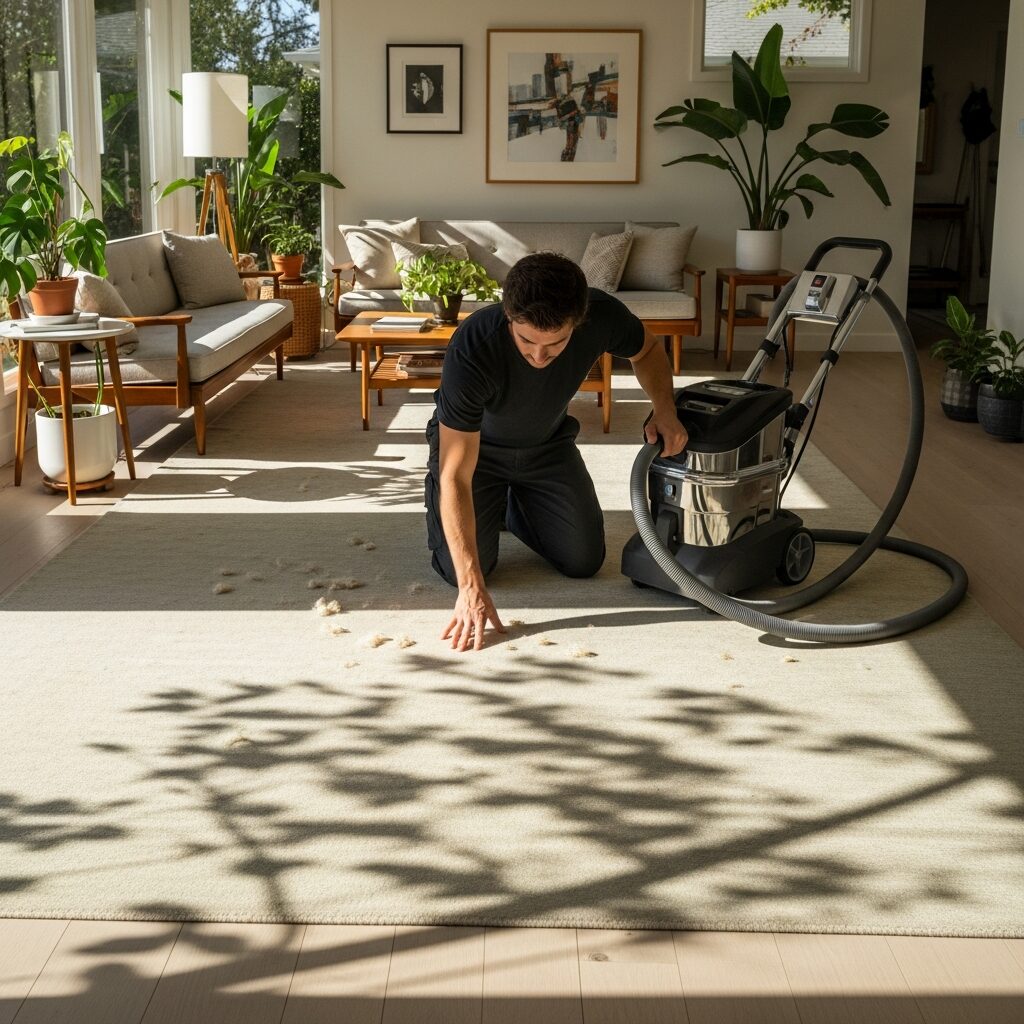
Living in Sherman Oaks means enjoying the blend of tree-lined streets, bustling Ventura Boulevard, and the energy of a neighborhood that bridges the Valley and the Westside. It also means our carpets see a lot—foot traffic that tracks in canyon dust, the occasional spill from a backyard gathering, and the fine film that drifts in during Santa Ana winds. Choosing the right professional to refresh those fibers isn’t as simple as searching for the closest company. It’s about finding a service that understands this community’s rhythms, building styles, and everyday realities. That local knowledge is what separates a merely clean-looking rug from a truly healthy, long-lasting carpet.
When I get asked how to choose the best “carpet cleaning near me” in Sherman Oaks, I start with one idea: context matters. A high-rise condo along Ventura has different access needs than a mid-century ranch near Chandler Estates. Parking restrictions on street sweeping days affect arrival times. HOAs may have rules about water use or elevator padding. The right team anticipates those details rather than scrambling at your doorstep. If you want a quick shortcut for orienting yourself, it helps to browse reputable providers that specialize in carpet cleaning for Valley homes and condos, because the nuances of this area matter more than any flashy ad claim.
Let’s walk through the key points I encourage neighbors to consider, framed by the real-world scenarios we see every week. You’ll notice there’s no generic checklist; what you need depends on your lifestyle, the age and material of your carpet, and even how sunlight pours across your floors in the afternoon.
Start with how your home actually lives
Think about your daily patterns. In Sherman Oaks, many homes mix hardwood with area rugs and wall-to-wall carpet in bedrooms. If you have a busy household, your hallway fibers wear differently than a guest room that stays pristine most of the month. Pet-friendly apartments near the Galleria put extra stress on entryways and living rooms, especially if your pup loves Griffith Park before brunch on Ventura. Sharing this context during scheduling helps cleaners select the right tools and pre-treatments, so you don’t end up with a one-size-fits-all approach that looks good for a week and then rebounds with old patterns of soiling.
Sunlight is another subtle factor. Rooms that bathe in afternoon light can experience gradual fiber oxidation and color shifts. Skilled technicians notice these patterns and adjust detergency, temperature, and agitation accordingly. They’ll ask about furniture placement too, because the shadow of a big sectional creates distinctive wear lines that benefit from different grooming after the rinse. These aren’t minor details—they’re signs your cleaner is thinking like a fabric caretaker rather than a machine operator.
Know your fibers and backing
Most households here have nylon or polyester carpeting, sometimes with a bit of wool in higher-end spaces. Nylon responds well to thorough rinsing and proper heat, while polyester holds onto oily soils and needs precise chemistry to release that dingy look in traffic lanes. Wool, of course, requires gentler pH and mindful temperatures. Then there’s the matter of backing and pad: multi-level units often use pads that change airflow, affecting drying dynamics. Good cleaners ask the right questions beforehand because their process hinges on what’s under the surface as much as what you can see.
If you don’t know your carpet type, don’t worry. A trustworthy technician will test fibers discreetly and explain what that means for results. You want someone confident enough to say, “This will brighten nicely,” and honest enough to add, “This particular spot may lighten but won’t disappear completely without risking fiber distortion.” Realistic expectations prevent disappointment and protect your investment.
Method matters—but technique matters more
Many Sherman Oaks homeowners ask whether to choose steam (hot water extraction) or a low-moisture method. The truth is both can perform wonderfully in the right hands. Hot water extraction excels at flushing embedded soils and allergens, especially after thorough dry-soil removal and targeted preconditioning. Low-moisture techniques shine for maintenance visits, quick turnarounds, and moisture-sensitive spaces. What separates pros from pretenders is procedural discipline: dry vacuuming first, heating solutions correctly, matching pre-spray to soil load, evenly agitating, then rinsing with controlled pressure and balanced pH.
When you interview companies, listen for how they describe these steps. If the explanation feels rushed or fuzzy, keep looking. Detailed answers show the team takes process seriously. In Sherman Oaks’ microclimate—warm afternoons, cooler evenings, and periodic dryness—dialing in rinse temperatures and airflow speeds up drying while protecting the latex in your carpet backing. Thoughtful technique also minimizes wicking, where a stain looks gone but creeps back as the carpet dries. That’s the difference between a good day-after and a good month-after result.
Stains, spills, and the stories behind them
No two spots behave alike, and our neighborhood provides a little of everything: red wine from dinner parties, tannin from tea, pigments from art projects on the dining rug, makeup dust near vanities, and pet accidents by balcony doors. The best cleaners treat spots as tiny chemistry puzzles. They’ll ask what happened and when, then match the approach accordingly—oxidizers for certain dyes, reducers for others, solvents for oily residues, enzyme solutions for organics. They know when to stop too, because overworking a spot can cause fraying or color loss that outlasts the original spill.
I’ve seen fantastic recoveries when a client snapped a quick photo right after a spill and shared that before the appointment. That context guides pre-treatment, dwell time, and testing. In multi-family buildings, technicians must prepare for frequent pet-related issues. They’ll often use UV lights or moisture meters to find hidden contamination under a rug or along baseboards, then adapt the cleaning so the surface looks fresh and the underlying source gets addressed. The goal is to refresh your space, not just your view.
Airflow and drying in Valley homes
Our weather often tempts people to crack a window and call it a day. But optimal drying is a balance of temperature, movement, and humidity, and professionals bring air movers to get that balance right regardless of the day’s forecast. In older homes where windows don’t seal tightly, or in condos where balcony doors face afternoon sun, managing airflow minimizes the risk of musty odors and speeds up the return of that soft underfoot feel. Responsible teams will also protect corners, use guards on hoses, and place tabs or blocks under furnishings to prevent wood dye transfer. Those small steps keep your home comfortable while fibers recover.
Local logistics you’ll be glad someone anticipated
Parking in Sherman Oaks can be surprisingly complex depending on the block and time of day. Seasoned crews plan for driveway access or load from a curbside spot that keeps hoses safe from pedestrians. In condo towers, they coordinate elevator bookings, bring protective coverings, and confirm water access rules with the building manager. For hillside homes north of Ventura, they may switch to portable systems for tight driveways. All of this shows up as a smoother, calmer appointment, where your schedule and your space stay respected.
Evaluating communication and professionalism
Before you commit, assess how a company communicates. Do they respond promptly? Ask thoughtful questions? Provide preparation tips like lifting small items, pinning drapes, or having a pet plan for the day? That level of clarity up front is usually matched by clarity on-site. After the appointment, strong teams will summarize what they did, what to expect over the next 24 hours, and any specific aftercare, like blotting technique if a newly revealed spot wicks up. They’ll also suggest an appropriate maintenance cadence rather than pushing a one-size-fits-all package.
Maintenance schedules that match real life
For busy families, I often recommend one restorative cleaning each year and one lighter maintenance visit in between, especially for entryways and hallways. In pet households, consider a touch-up plan that targets favorite lounging zones and litter-adjacent areas where fine dust settles. If you entertain often, plan a quick freshening a week or two before a big gathering so you’re not relying on last-minute miracles. The best cleaners will map this out with you based on your carpet’s fiber, pile height, color, and age.
When certifications help—and when they don’t
Credentials can be a useful signal, particularly certifications that emphasize fabric care, spot treatment, and safety. But remember, a card on a wallet isn’t the same as experience in Sherman Oaks homes and multi-unit buildings. Ask about recent projects similar to yours. It’s also fair to ask what a team does when results fall short of hopes; that answer reveals whether you’re hiring a partner or just a vendor. The right company takes pride in problem-solving and follows through with clear next steps.
The value of a local, steady presence
Our neighborhood changes quickly—new restaurants, fresh renovations, seasonal landscaping shifts that track in different soils. A cleaner who’s steadily working Sherman Oaks sees those patterns in real time. They know when jacaranda season leaves a faint purple-brown residue at entries. They anticipate holiday traffic in living rooms and plan staffing accordingly. That continuity translates into better recommendations and, most importantly, better outcomes for your particular rooms.
Mid-process transparency
One of the most reassuring moments during a visit is when a technician pauses mid-process to check in: “This traffic lane is responding well; we’ll do a second pass,” or “This coffee spill reacted to the reducer, so let’s give it more dwell time.” That dialogue signals craftsmanship. It also creates opportunities for you to ask about wool-safe treatments in a nursery or low-residue rinses for sensitive skin. If you’re researching options, keep an eye out for teams who emphasize both process and people. Many reputable providers in the Valley highlight their approach to carpet cleaning as a combination of science, equipment, and listening. That triangle is where consistently excellent results live.
Preparing your space for the best results
A little prep goes a long way. Clear small items from floors, tuck up bed skirts, move fragile decor to a safe spot, and make a note of any unusual concerns like a loose transition strip or a squeaky floorboard. If you have a baby or pets, set up a comfortable zone away from hoses and open doors. Share parking or access notes the day before, especially if your street has time-limited spaces. The smoother the setup, the more of the appointment can go to thoughtful cleaning instead of problem-solving on the fly.
Aftercare that extends carpet life
Post-cleaning, your carpet benefits from gentle grooming that lines up fibers and helps them dry evenly. Keep foot traffic light until the surface is fully dry, and place a towel by entry points where someone might forget and step in. Once dry, a quick vacuum can lift the last traces of grooming marks and reveal the refreshed pile. Consider using mats at doors and rotating area rugs seasonally to balance sun and wear. Little habits add years to the look and feel of your flooring, which saves money and reduces waste over time.
Reading signals from your carpet
Even with great maintenance, carpets talk. If you notice a lingering musty scent after a rainy spell, or an area that looks shadowy even right after vacuuming, it may be time for an assessment. Sometimes what looks like a stain is actually pile distortion from a rolling chair, and a different grooming technique is the fix. Other times, hidden moisture from a small plant-water spill causes discoloration around a pot—something a UV light can reveal and a targeted treatment can resolve. Trust your senses and ask questions; the earlier you address a change, the simpler the solution tends to be.
Final thoughts on choosing well
At the end of the day, your goal is a cleaner that feels like part of your home’s support team. Look for curiosity, calm competence, and respect for the realities of Sherman Oaks living. When you find that mix, appointments feel easy and your rooms look and feel better longer. And that’s really the point—carpet care that blends into your life and amplifies the comfort you’ve created here.
Frequently Asked Questions
How often should I clean my carpets in Sherman Oaks? It depends on traffic and lifestyle. Many homes do well with a thorough annual cleaning and a lighter maintenance visit in between, while pet households or entertainers may prefer more frequent touch-ups for high-use areas.
Is steam cleaning safe for all carpets? Hot water extraction is widely recommended for most synthetic carpets when performed by trained technicians. Wool and certain delicate fibers require adjusted temperatures and pH. A good provider will assess and tailor the process.
Will every stain come out? Not always. Some dyes bond permanently or leave a faint shadow, and aggressively chasing them can risk fiber damage. Honest pros set expectations, test carefully, and aim for the best improvement without compromising longevity.
How long does carpet take to dry? Drying time varies with fiber type, pile density, ventilation, and weather. Teams that manage airflow and use balanced rinses help speed things along, and they will advise you on what to expect for your specific rooms.
Can I walk on the carpet right away? Light, careful walking with clean socks is usually fine if necessary, but avoiding traffic until fully dry yields the best results. Technicians can place protective pathways if needed.
What about pet odors? Effective odor control treats both surface fibers and the backing or pad if necessary. Technicians may use enzyme-based solutions or targeted oxidizers, and they’ll explain which approach fits your situation.
Do eco-friendly options work as well? Many do, especially modern low-residue solutions paired with smart rinsing. Your technician can discuss plant-based or low-VOC options that still deliver a deep clean.
How should I prepare before the appointment? Clear small items, secure pets, share access details, and point out concerns like loose seams. If you live in a multi-unit building, confirm elevator and parking arrangements.
If I’m selling my home, when should I schedule cleaning? Ideally after most staging is complete and before professional photos, with a light touch-up if needed prior to open houses.
Do I need to be home? It’s helpful for walkthroughs and questions, but arrangements can be made if you prefer a key exchange or door code. Choose what feels secure and convenient for you.
If you want a partner who understands the Valley’s pace and your home’s unique character, consider scheduling with a provider known for attentive carpet cleaning. Reach out, share your goals, and let a thoughtful team bring back the comfort, color, and quiet confidence that well-cared-for carpets add to everyday living in Sherman Oaks.