
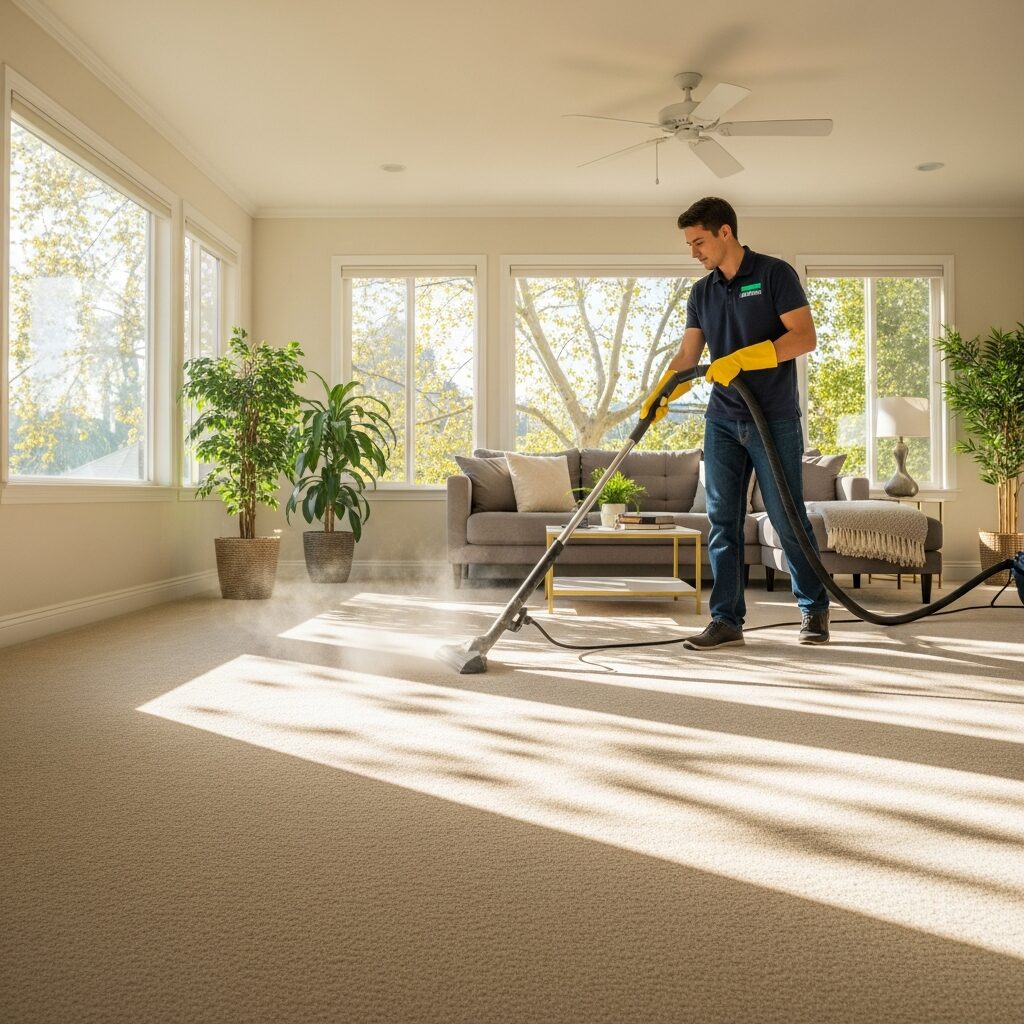
Living in Sherman Oaks means embracing sunshine, tree-lined streets, and a lively neighborhood rhythm that flows from Ventura Boulevard to the quieter residential pockets tucked along the hills. Yet our beautiful microclimate also brings a unique blend of airborne particles—pollen from ornamental trees, fine dust that drifts in on dry afternoons, and the occasional surge of debris during windy spells. Over time, these tiny intruders settle into carpet fibers, where they mingle with the usual suspects like skin flakes, pet dander, and tracked-in soil. Regular carpet cleaning does more than brighten a room; it supports healthier breathing, fewer irritants, and a fresher-feeling home that reflects the comfort and care Sherman Oaks residents take pride in.
To appreciate why clean carpets matter for your health, picture the daily traffic patterns in your home. The areas near entryways and the main walkways from the kitchen to the living room handle the most footsteps, carrying grit and contaminants deeper into fibers. Even if a room looks tidy, allergens can hide below the surface and become airborne again whenever someone walks by or fluffs a cushion. This constant re-suspension is why homeowners often notice a cycle of sneezing or mild congestion that seems to return despite regular dusting. Targeted maintenance breaks that cycle, and when cleaning is performed with the right methods and timing, the benefits extend well beyond cosmetic improvement.
Why indoor air quality in the Valley matters
Our location in the San Fernando Valley shapes indoor environments in subtle ways. During hot, dry periods, windows stay closed and air conditioning hums for hours at a stretch. While that keeps us cool, it also means indoor air can become a reservoir for fine particles. Carpets act as giant filters, trapping some of those particles until they’re either removed or released again underfoot. When you remove that reservoir through deep cleaning, you reduce an unseen load on your HVAC system and help your living spaces feel crisper, with fewer lingering odors and less dust accumulation on surfaces. That lightness you sense after a thorough cleaning isn’t your imagination; it’s measurable in the reduction of particulate matter and organic debris.
Families with young children and pets tend to notice the health benefits first. Crawlers are in constant contact with floors, and curious toddlers love to sit and play where fibers meet sunlight near a sliding door. Pets bring joy and companionship, but they also track oils, outdoor particles, and occasional accidents into rugs. Regular maintenance addresses all of this by lifting embedded grime, neutralizing odors at their source, and limiting the presence of bacteria that can proliferate in damp, soiled areas. Cleaner floors can translate into fewer sniffles, less eye irritation, and a more comfortable environment for sensitive family members.
Allergens, dust mites, and your breathing
The most common indoor allergens living in carpet fibers include dust mite waste, pet dander, and pollen. Dust mites feed on skin flakes and prefer warm, humid microclimates down in the pile. While you’ll never completely eliminate mites in a normal household, reducing their food source and regularly flushing fibers with hot water extraction can keep populations and allergen levels low. Similarly, dander from cats and dogs clings to fibers and can linger, even after a pet is no longer in the home. Routine deep cleaning and thoughtful vacuuming significantly decrease allergen reservoirs, especially when combined with well-timed filter changes for your HVAC.
Beyond allergies, indoor pollutants such as combustion byproducts from cooking and outdoor vehicle emissions make their way inside and settle into carpets. The fibers capture and hold these substances until dislodged. Deep cleaning is a strategic moment to remove what daily vacuuming alone can’t reach. In practice, this means better air quality in the hours and days following a professional visit and a calmer baseline for those who struggle with seasonal sensitivities when the Valley’s trees and grasses are shedding pollen.
Moisture, mold, and what careful technique prevents
When people think about mold, they picture damp basements or leaks. Yet in a semi-arid climate like ours, mold problems often stem from small, repeated moisture events—spills that never quite dry, or pet accidents that seep below the face fibers. The right approach to maintenance focuses as much on proper drying as on flushing out soils. Using balanced moisture, controlled heat, and strong airflow is essential. When a spill is addressed quickly and residues are rinsed thoroughly, you cut off the conditions that allow mildew odors and microorganisms to develop out of sight. Good technique is a health strategy, not just a housekeeping preference.
Airflow deserves its own spotlight. After a deep clean, open interior doors and, when outdoor conditions permit, crack a window to encourage cross-ventilation. Run ceiling fans on low and keep the thermostat’s fan setting to “on” for a few hours to cycle air. This accelerates dry times, which not only lets you return rooms to normal faster but also minimizes the window for any musty smells to form. Thoughtful post-cleaning airflow turns a good cleaning into a great health outcome.
Reducing odors at the source
Persistent odors are more than a nuisance; they’re a sign of stubborn residues or microbial activity within fibers and backing. In Sherman Oaks, we often see odor issues tied to kitchen-adjacent family rooms where food oils and fine cooking smoke migrate and settle imperceptibly over months. Pet households, too, may find that routine surface cleaning never fully resolves that “dog smell.” True deodorization targets the chemistry behind the odor—breaking it down and then rinsing the area to remove byproducts—so that freshness is more than a perfume overlay. The result is a space that not only smells clean but supports easier breathing and a calmer, more inviting atmosphere.
For those with asthma or chronic sinus issues, eliminating hidden odor sources can reduce the background irritation that keeps airways reactive. When your carpet is genuinely clean, you won’t need to mask scents with candles or air fresheners, both of which can introduce their own irritants. It’s remarkable how quiet a room can feel when the air is simply neutral. That quiet often correlates with better sleep and fewer morning sniffles.
Healthy habits between deep cleanings
Daily and weekly habits play a huge role in health outcomes. A steady vacuum routine using a machine with a well-sealed body and HEPA filtration helps keep allergen levels low. Addressing spills promptly with a gentle blotting technique prevents wicking and reduces the need for aggressive spot treatments later. Rotating rugs and using walk-off mats at entry points cut down on tracked-in grit, protecting both the fibers and the indoor air you breathe. If you have pets, a quick brush near doorways and regular grooming pays dividends in reduced dander accumulation.
Equally important is understanding fiber types and how they impact cleanliness. Nylon and polyester respond differently to soils and stains, and natural fibers like wool have their own care requirements. When the maintenance plan matches the material underfoot, results last longer and the home stays fresher. Over the course of a year, the cumulative effect of small, consistent actions adds up to a noticeably cleaner environment that feels welcoming the moment you walk through the door.
The mid-year reset for Sherman Oaks households
There’s a pragmatic rhythm to home care here. Many residents aim for a mid-year reset, often in late spring or early summer, when pollen spikes have eased and households gear up for gatherings. This is an ideal time to evaluate high-traffic zones, touch up any lingering spots, and plan a comprehensive deep cleaning. As you map out home projects—organizing a garage, sealing drafty windows, or refreshing upholstery—include a focus on floors. It’s remarkable how thoroughly a deep maintenance session clears the air, literally and figuratively, especially when combined with targeted carpet cleaning for the busiest rooms.
Another smart checkpoint arrives after the hottest weeks of the year. Once outdoor dust loads decrease and windows begin to open again in the evenings, tackle any stickiness or dulling in family spaces. With the holidays on the horizon, autumn is also a popular moment to reset indoor air before guests arrive. A clean, neutral-smelling home sets the tone for gatherings, allows fragrances from cooking or fresh greenery to shine, and makes post-event cleanup easier because fibers aren’t already burdened with months of embedded grime.
What to expect from professional methods
The methods most associated with deep health benefits combine thorough soil removal with a controlled rinse and efficient drying. Hot water extraction (sometimes called steam cleaning) remains a standard for its ability to flush contaminants from the base of the pile. When performed with balanced chemistry and proper equipment, it removes soils and residues that consumer-grade machines often leave behind. Encapsulation methods can provide excellent interim results for certain fiber types and traffic patterns, especially in lightly soiled areas, though they are not a substitute for periodic flushing of the backing and pad interface where odors and fine particulate can accumulate.
Skilled technicians understand that every home is a system. They’ll evaluate ventilation, spot historical problem areas like filtration lines along baseboards, and tailor the approach to fiber type, construction, and the realities of your household—kids, pets, and foot traffic included. The difference shows up not only the day after cleaning but in the weeks that follow, when rooms continue to smell fresh and surfaces seem to collect less dust.
Long-term health dividends
Health is ultimately about patterns rather than one-off efforts. When your carpets are on a thoughtful maintenance schedule, you create a lower-allergen baseline for your home. People notice calmer sinuses, fewer headaches triggered by stale odors, and an overall sense that rooms “breathe” better. This can be especially meaningful for multigenerational households, where seniors sensitive to dust share space with toddlers and pets that stir up floors multiple times a day. Over time, these small improvements support better rest, greater comfort, and a more enjoyable home life.
Another often-overlooked benefit is the way clean floors encourage healthy activity. Children spend more time playing on the ground when the surface feels and smells clean. Yoga mats come out more often when floors are fresh. And for anyone practicing at-home workouts, a clean, supportive surface makes those routines more appealing and sustainable. In this sense, regular maintenance becomes a quiet partner in your wellness goals.
Frequently Asked Questions
How often should Sherman Oaks households schedule deep carpet cleaning for health?
For most homes, a deep cleaning every six to twelve months maintains a healthy baseline, with the shorter interval favored for families with pets, young children, or allergy concerns. High-traffic zones may benefit from interim touch-ups to prevent buildup between full services. The key is to combine periodic deep cleaning with consistent vacuuming and prompt spill care so allergens and residues never gain a foothold.
Which method is best for reducing allergens?
Hot water extraction is widely regarded as effective for reducing embedded allergens because it flushes particles from deep within the pile. Success depends on balanced chemistry, thorough rinsing, and robust drying. A HEPA-filtered vacuum routine before and after professional service further cuts airborne allergen levels, making the results more durable.
Will deep cleaning make my indoor air quality immediately better?
Many homeowners report that rooms feel lighter and smell fresher right away, and measurements of particulate levels often drop after thorough service. The improvement is most noticeable in the first days post-cleaning, but long-term gains come from staying on a schedule and maintaining good airflow and filtration throughout the year.
What can I do to speed drying and prevent any musty smells?
Encourage airflow by running ceiling fans on low, turning the HVAC fan to “on” for a few hours, and cracking a window when outdoor conditions permit. Keep interior doors open to promote circulation. Good drying practice not only speeds your return to normal but also helps ensure odors don’t develop in the hours after cleaning.
Are eco-friendly products strong enough to remove odors and stains?
Yes, when chemistry and technique are well matched to the problem. Many modern, environmentally responsible solutions are highly effective at breaking down soils and neutralizing odors without harsh residues. The secret is selecting the right product for the specific stain type and fiber, then thoroughly rinsing so nothing remains to attract new soil.
How does pet ownership change the health equation for carpets?
Pets introduce dander, natural oils, and occasional accidents that can sink into backing if not addressed quickly. A slightly more frequent schedule, paired with prompt blotting of mishaps and regular grooming, keeps fibers fresher. Targeted deodorization for problem spots ensures that cleanliness goes deeper than surface fragrance, leading to a more comfortable environment for both people and animals.
If you’re ready to breathe easier and enjoy rooms that feel truly refreshed from the ground up, consider scheduling focused, professional care that aligns with how your household actually lives. Your home deserves that crisp, healthy baseline—start by booking expert carpet cleaning so your favorite spaces in Sherman Oaks feel as vibrant and welcoming as the neighborhood itself.