
Life with pets in Sherman Oaks is joyful, lively, and sometimes messy. From early-morning walks beneath jacaranda trees to late-night cuddles on the sofa, our four-legged family members make homes warmer—and they also occasionally challenge our carpets. If you are noticing faint rings that reappear after you thought a spot was gone, or a subtle odor that seems stronger on warm afternoons, you are dealing with the reality that pet accidents do not always stay on the surface. The right plan for carpet cleaning and odor removal respects both your bond with your animal and the technical steps required to fully neutralize what was left behind.
In our part of the Valley, breezes can carry dust into open windows, and busy footsteps from family and friends mean plenty of traffic across living rooms and hallways. Add a puppy’s learning curve or a senior cat’s occasional miss, and you have a recipe for recurring spots. What many homeowners discover is that a stain can wick back up from the backing and pad as carpet dries, creating the impression that cleaning “didn’t work.” In truth, the contamination may simply be deeper than the first treatment reached. Effective solutions combine inspection, appropriate chemistry, and, when needed, subsurface extraction to address the issue where it lives.
Understanding pet stains beneath the surface
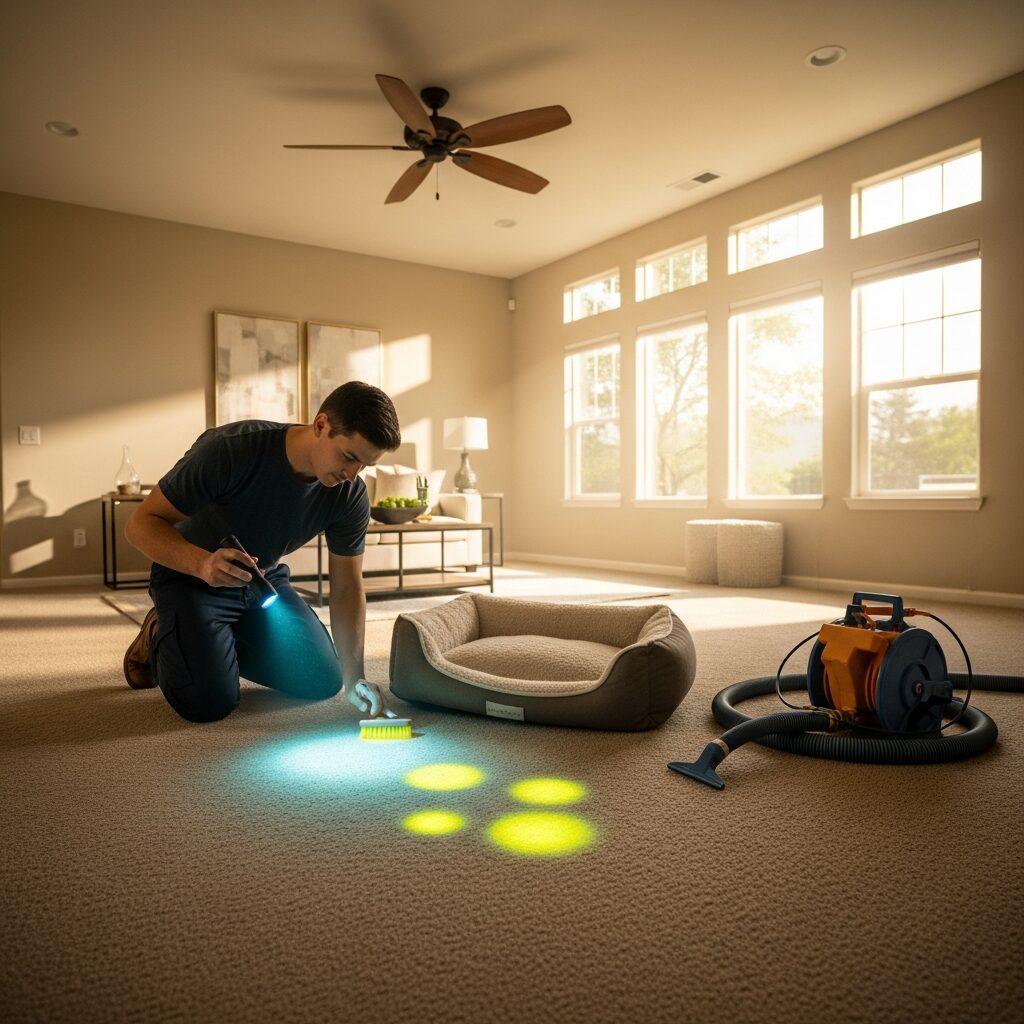
Every accident is a small chemistry experiment. Fresh deposits behave differently from older ones, and the composition changes as they dry and interact with the fibers. Over time, crystals form that can reactivate with humidity, releasing odor even when the spot looks faint. Pets also have remarkable noses; if they catch the smallest trace, they may revisit the same area. This is why targeted treatments that neutralize at the source are essential. A thoughtful technician will use inspection tools, including UV illumination in low light, to map the true scope of the issue before recommending a plan.
Fiber type adds another layer. Nylon is forgiving and responds well to deep rinsing when chemistry is balanced. Polyester resists staining but can trap oily residues that carry odor, requiring tailored solutions to break the bond without harming the pile. Wool and other natural fibers ask for a gentler pH and moderated moisture, coupled with a patient approach that respects their structure. In multi-fiber households—plush bedrooms, looped runners on stairs, patterned rugs over hardwood—each surface calls for a slightly different strategy to ensure consistent results.
The role of inspection and mapping
Before any solution is applied, a skilled pro will listen to the story of your home. When did issues begin? Are they concentrated near exterior doors, favorite sleeping spots, or a particular corner of the living room? Inspection includes more than the obvious marks; it looks for faint halos, checks the perimeter of rooms where pets like to patrol, and considers airflow patterns that may intensify odors on warm afternoons. With UV assistance, hidden areas become visible, guiding a focused plan that avoids over-treating clean zones while giving problem areas the attention they truly need.
Once the map is clear, the technician determines whether a topical treatment will suffice or if deeper measures are necessary. In mild cases, targeted application followed by controlled agitation and thorough extraction can reset the area effectively. In recurring or older issues, a subsurface approach may be recommended that flushes the backing and, when feasible, addresses contamination at the pad to minimize the chance of odors surfacing later.
From chemistry to technique: neutralizing at the source
Modern solutions are capable and considerate when chosen carefully and rinsed well. Enzymatic and oxygen-based treatments, used properly, can break down odor-causing compounds without harsh residues. The sequence matters: identify, precondition, agitate, allow measured dwell time, and extract thoroughly so the carpet is left clean and balanced. Heat, when used, should be calibrated to respect the fiber and the chemistry in play. The goal is not only to make the spot disappear today but also to prevent it from returning as humidity changes or as the carpet dries.
Drying strategy is part of the plan. Grooming the fibers to stand up, encouraging airflow with fans, and creating a gentle cross-breeze support even drying, which helps prevent rings and minimizes the chance of wicking. A professional will also discuss traffic patterns during the drying window, recommending clean socks, temporary runners, or room sequencing so the family can keep moving without re-soiling damp areas.
Addressing recurring issues with patience and clarity
When spots return, it can be frustrating, but there is almost always a reason that can be solved with the right approach. Recurrence points to absorption below the face yarn. Subsurface extraction, essentially a deeper flush that reaches the cushion, is often the answer. In some severe cases, technicians may recommend lifting a section to treat or replace the pad before carefully resetting the carpet, especially if multiple accidents occurred in the same spot over time. These decisions are made thoughtfully, with full explanation and your comfort as the guiding priority.
For many households, a layered plan works best: a comprehensive reset to neutralize existing issues, followed by a maintenance rhythm that includes quicker touch-ups in favorite pet areas. Because Sherman Oaks has warm afternoons and cooler mornings, it helps to plan deeper work when airflow can be optimized and to keep windows cracked for a light breeze when conditions allow.
Living well with pets after treatment
Prevention supports everything that happens on service day. Entry mats placed where paws come back inside capture grit and moisture. A steady, unhurried vacuum routine keeps dander and dust from accumulating. For training or retraining, consider temporary barriers around repeat locations and provide accessible, comfortable alternatives for rest and play. Reward-based reinforcement helps pets build new habits, and a clean slate underfoot makes those habits stick because scents are no longer inviting them back to the same spot.
Protectants can be helpful in targeted areas once fibers are fully clean and dry. They do not make carpet stain-proof, but they can buy you time to blot up an accident before it penetrates deeply. Used thoughtfully, protectants complement good habits rather than replace them. If you have wool or other natural fibers, your technician will discuss suitable options and realistic expectations.
Apartment and condo considerations
Many pet owners in Sherman Oaks live in multi-unit buildings. Respect for shared spaces is part of a smooth experience. Expect careful staging in hallways, corner guards to prevent scuffs, and quiet modes when possible. Building managers often appreciate a quick heads-up and protective coverings for elevator cabs. A seasoned crew adapts to these expectations easily, turning what could be an obstacle into a seamless part of the day.
Inside units, sound and airflow require finesse. Technicians plan sequencing so bedrooms and living spaces re-open quickly. They may use portable equipment when truck access is limited or when a quieter profile is best. Communication with neighbors about service hours and a tidy cleanup ensure everyone remains at ease, even in close quarters.
When an area rug is the culprit
Pets love a soft landing, and area rugs often take the brunt of their affection. Construction varies widely—hand-knotted wool, tufted pieces with latex backings, synthetic blends—and each requires a specific approach. Some rugs are best treated off-site where thorough flushing and controlled drying yield the most reliable results. A professional will advise you honestly, recommending in-home treatment when appropriate and an off-site bath when that is the smarter route for color stability and odor neutralization.
Rug pads deserve attention as well. They can trap odor or transfer discoloration if they break down. After treatment, consider replacing a tired pad with a higher-quality option designed to breathe and to support both the rug and the floor beneath.
FAQ: Pet stains, odor, and healthy homes
Why does a pet spot seem to come back days after I thought it was gone? That ring effect often signals wicking from the backing or pad as the carpet dries. A deeper, targeted flush and balanced drying strategy can resolve it.
Will professional treatments be safe for my animals? When applied correctly and rinsed thoroughly, modern solutions are chosen with families and pets in mind. Your technician will explain options and perform spot tests for added confidence.
Can every odor be removed? Most can be dramatically reduced or eliminated with the right plan. In extreme cases where contamination is extensive, addressing the cushion beneath the carpet may be necessary for a true reset.
How can I prevent repeat accidents in the same area? Thorough neutralization is step one. Pair it with training reinforcement, accessible alternatives for rest, and short-term barriers or supervision until new habits are secure.
Do I need to replace my carpet if my puppy had several accidents? Not necessarily. Many situations respond well to comprehensive treatment. A candid inspection will determine whether deeper measures, like pad replacement in a small zone, make sense.
What can I do between professional visits? Vacuum slowly, launder or replace entry mats, and blot fresh accidents promptly with a clean, absorbent cloth. Avoid harsh scrubbing, which can distort fibers and spread the issue.
If you are ready to reclaim the fresh, welcoming feeling you love without sacrificing the joyful chaos that pets bring, partner with a local pro who understands both. Share your goals, ask questions without hesitation, and schedule focused carpet cleaning that neutralizes odor at the source so your home feels calm, comfortable, and truly yours again.