
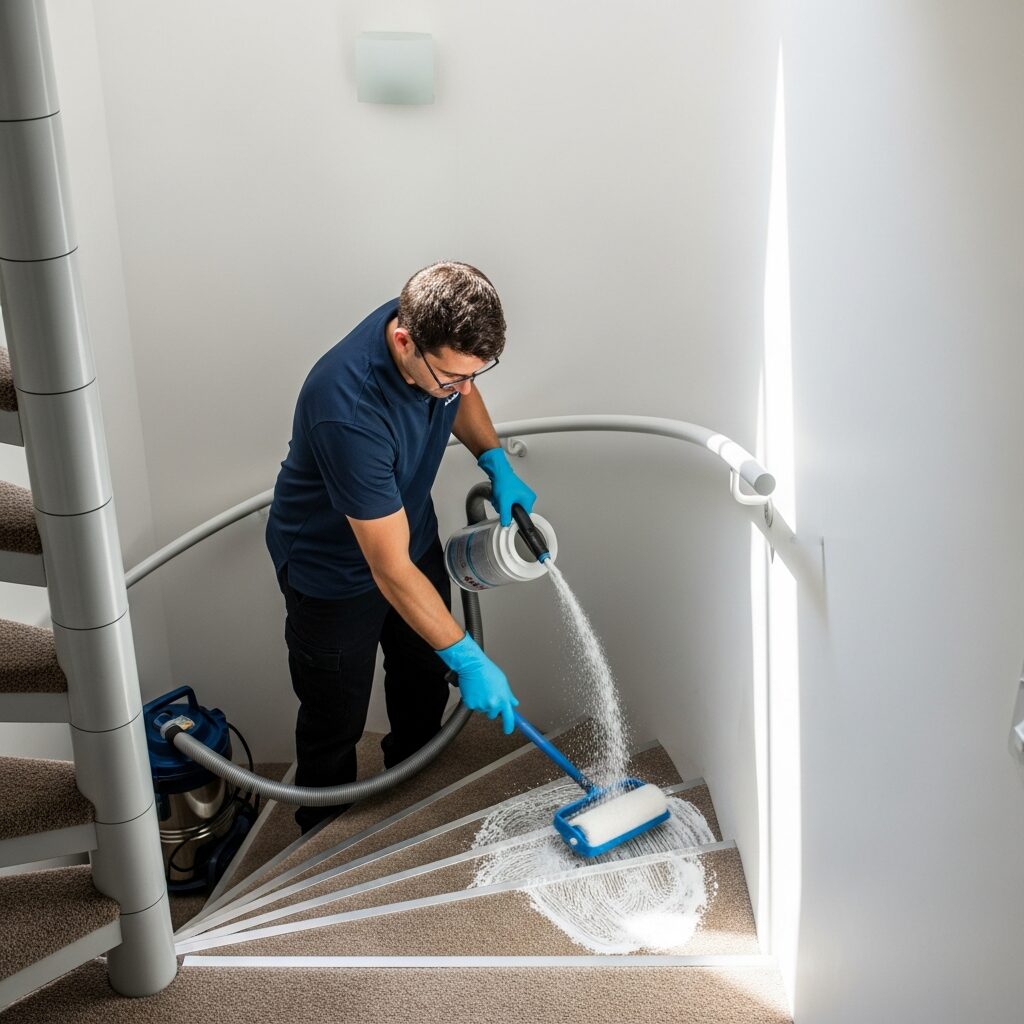
Dry carpet cleaning has a way of sounding almost too convenient: quick-drying, low-disruption, and tidy from start to finish. For many Sherman Oaks homeowners and renters, it can be exactly the right call—provided you understand when and why to choose it over a full hot water extraction. Our neighborhood’s mix of hillside houses, busy family homes, and multi-unit buildings creates plenty of scenarios where a low-moisture approach shines. The art lies in matching the method to the moment so you get a clean, comfortable result without over-processing fibers or overstretching your schedule.
First, a quick orientation. “Dry cleaning” in the carpet world typically means low-moisture methods that use specialized compounds or encapsulating detergents to lift and capture soil. The carpet ends up slightly damp rather than wet, and drying is fast. That speed makes it a natural fit for touch-ups, moisture-sensitive spaces, and situations where access complicates traditional setups. But as with most good tools, context decides whether it’s the best choice or just an appealing option.
Think about the way your home works. A condo along Ventura with a carpeted bedroom and a small office might need a quiet, quick refresh before guests arrive for the weekend. A hillside home with narrow access and limited parking might make hose routing and truck placement difficult, nudging the decision toward portable, low-moisture solutions. A household with kids racing to afternoon activities might appreciate a method that lets everyone back on the floor sooner. In each case, dry cleaning offers a polished look with minimal wait time.
Another prime scenario is maintenance between restorative cleans. If you schedule a deep hot water extraction annually, a low-moisture cleaning at midyear can lift surface soils, brighten traffic lanes, and reset texture without saturating the pile. That balanced approach extends carpet life and keeps rooms feeling consistently cared for. In Sherman Oaks, where our climate swings from warm, breezy afternoons to cooler evenings, those lighter touch-ups can keep dust at bay during dry spells and freshen rooms after a busy season of entertaining.
How low-moisture methods work
Dry compound systems spread an absorbent material across the carpet, work it into the pile, and then recover it with thorough vacuuming, taking soils along for the ride. Encapsulation methods apply a light solution that bonds with soils and forms crystals as it dries, which are removed during subsequent vacuuming. Both approaches hinge on preparation: strong pre-vacuuming, targeted spot treatment, and mindful agitation that lifts fibers without fraying. The payoff is a carpet that looks brighter and feels refreshed with a fraction of the drying time of traditional methods.
Because these systems introduce less water, they’re especially helpful on moisture-sensitive backings or where subfloors could telegraph stains. They also suit rooms with plenty of furniture that’s hard to move, allowing technicians to clean around key pieces efficiently. And in multi-family buildings, the reduced equipment footprint means less time negotiating elevators and more time focused on the carpet itself.
When dry cleaning is the smarter choice
Speed and access top the list. If you’re staging a home for photos or prepping for a small gathering, the quick turnaround is invaluable. In buildings with strict elevator windows or limited parking near Ventura, compact gear and fast drying keep everything on schedule. For offices or guest rooms that see mild to moderate use, low-moisture methods deliver a crisp reset without overkill.
They can also be strategically useful where residue is the concern. If a previous service left a sticky film that seems to attract soils quickly, a carefully selected encapsulant can break that cycle and restore a cleaner baseline. Likewise, for carpets that feel slightly matted but not deeply soiled, gentle agitation combined with encapsulation can lift the pile and improve appearance between deep cleans.
When hot water extraction is still king
It’s important to acknowledge limits. Deep, embedded soils, heavy pet contamination, and long-neglected traffic lanes usually respond best to a thorough flush. Hot water extraction reaches into the full depth of the pile and removes residues effectively when done correctly. If your living room hosts movie nights, pet naps, and snack time, a restorative clean is more efficient and more complete. Many Sherman Oaks households alternate: one restorative clean per year, targeted low-moisture touch-ups as needed, and quick spot care in between.
Spot treatment and realistic goals
Regardless of method, thoughtful spot care makes or breaks results. For a coffee spill, makeup smudge, or a child’s art project gone rogue, a technician should test, treat, and rinse or recover the area before proceeding. In low-moisture cleaning, this often means a localized wet extraction or careful application of a spotter followed by absorbent recovery. Honest expectations matter too. Some dyes and wear patterns won’t disappear, and chasing them too aggressively risks fiber distortion. The right pro aims for the best improvement compatible with long-term carpet health.
Drying dynamics in our microclimate
One reason low-moisture methods feel so friendly in Sherman Oaks is how they play with our weather. A little afternoon warmth plus directed airflow means rooms transition quickly. Technicians often place small air movers to accelerate the process, and they’ll groom fibers so they dry uniformly. Even with fast-drying methods, you’ll hear familiar best practices: keep foot traffic light until the slight dampness disappears, and use protective blocks or tabs under furniture if there’s any chance of transfer.
Practical prep for smoother appointments
Whether you live off Ventura or up a winding street, a few simple steps help. Clear small items, communicate parking or elevator rules, and let your technician know about previous DIY spotters that might interact with new products. If pets are part of the household, plan a comfortable zone away from equipment. Little bits of planning turn a short appointment into an effortless one.
Choosing a provider with range
The best partner isn’t the one who insists on a single method; it’s the one who can explain why a particular method fits your situation today. Ask how they decide between low-moisture and hot water extraction, how they manage residues, and how they ensure fast, even drying. Their answers will tell you whether they’re thinking about your carpet as a system—fiber, backing, pad, and room airflow—rather than a surface to be made to look good for a few days.
If you’re in the early stages of researching pros, it can be useful to review a local provider that outlines both dry methods and deep restorative carpet cleaning. Their willingness to discuss strengths and limits signals respect for your time and your floors. Look for language about balanced chemistry, low-residue philosophy, and building-specific logistics; that’s where reliable outcomes come from.
Maintaining momentum after a dry clean
The biggest compliment to a low-moisture visit is a smart routine that keeps results longer. Vacuum regularly, rotate rugs, and attend to small spills quickly with blotting rather than scrubbing. Consider a protector application in traffic lanes if your household is busy. And make a note of which rooms seemed to benefit most so you can plan targeted refreshes next time rather than defaulting to the whole house.
Frequently Asked Questions
Is dry carpet cleaning really dry? It’s more accurate to say low-moisture. Your carpet may feel slightly damp for a short time, but the turnaround is typically much faster than a full hot water extraction.
Will dry cleaning remove deep pet odors? It can improve light, recent issues, but heavy or long-standing contamination often requires hot water extraction or subsurface treatments. A good provider will assess and recommend the right level of care.
Does low-moisture cleaning leave residue? Quality encapsulants are designed to dry to a brittle crystal that releases during vacuuming. Paired with strong pre-vacuuming and proper application, they help break the cycle of sticky residues.
How often should I choose dry cleaning? Consider it between restorative cleans or for rooms that see moderate use. Many households schedule an annual deep clean with one or two low-moisture refreshes for traffic areas.
Is it safe for wool? Some low-moisture methods can be tailored for wool with gentle chemistry and cautious agitation, but testing is essential. Discuss fiber type with your technician beforehand.
What prep is needed? Clear small items, share access notes, and identify any previous spotters or areas of concern. If you’re in a multi-unit building, confirm elevator windows and HOA guidelines.
Will my carpet look streaky afterward? When applied and groomed properly, low-moisture methods leave a uniform appearance. Any light patterns from grooming lift out with the first post-clean vacuum.
If your schedule is tight or your space calls for a nimble, low-moisture approach, reach out to a Sherman Oaks team that can deliver crisp results and also guide you on when a deeper carpet cleaning is the smarter choice. Share your goals, your timeline, and any access quirks, and let a local expert match the method to the moment so your rooms look and feel their best without missing a beat.