
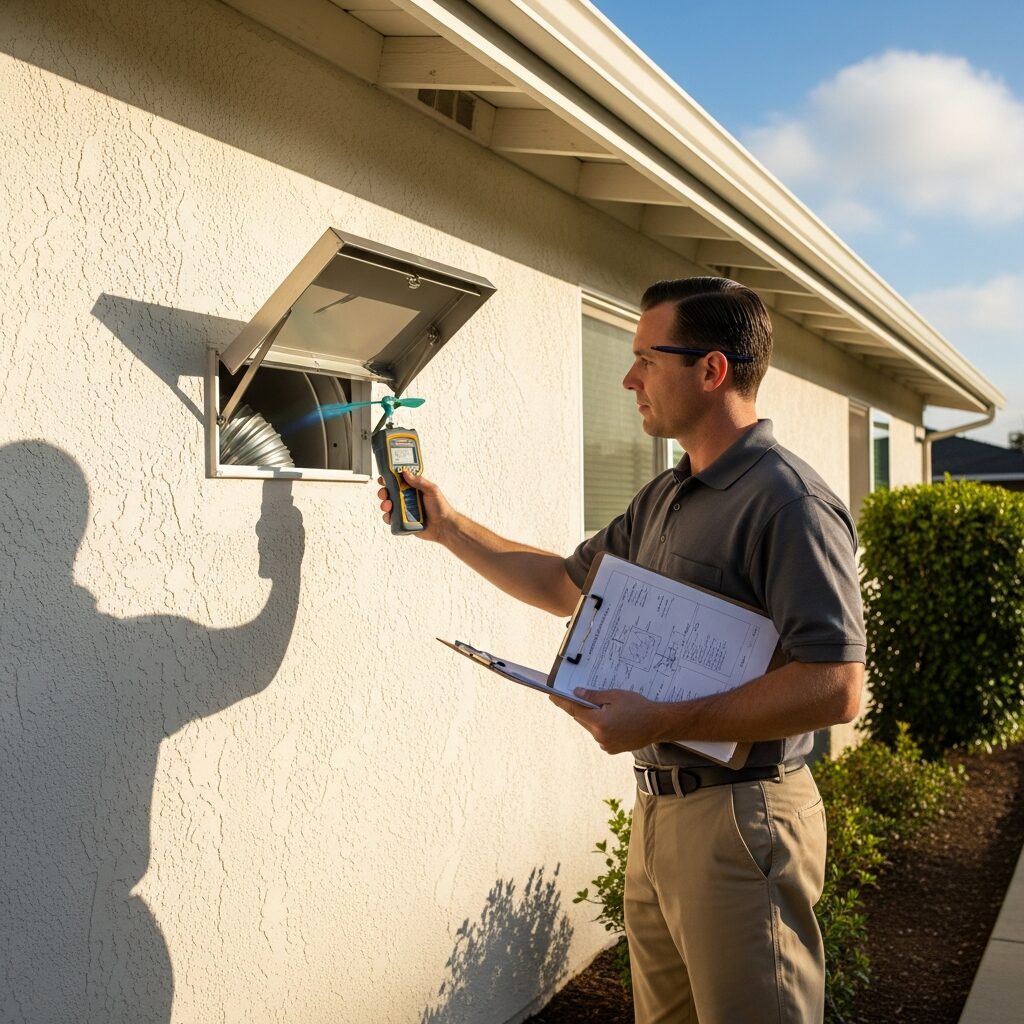
When neighbors around Sherman Oaks start comparing experiences with their dryers, the conversation often turns to what it takes to keep vents clear and what shapes the overall value of the service. While no two homes are identical, there are consistent factors in our part of the Valley that influence the scope of work a technician will recommend and the kind of results you can expect. Think of it less as a number and more as an alignment of expertise, access, and a tailored approach to your home’s layout. By looking closely at the features that make Sherman Oaks unique—from hillside architecture to outdoor exposure and building age—you can better understand what goes into an informed quote without getting lost in line items or confusing jargon.
Before diving into those variables, it helps to orient yourself with a reliable overview of best practices. A straightforward resource like dryer vent cleaning lays out the essentials, including what a careful inspection looks like, how airflow is measured, and why certain connectors or terminations are recommended. Approaching your quote with that context makes it easier to ask focused questions and ensure you are comparing like-for-like proposals.
Why Sherman Oaks homes can vary widely
Our neighborhood is a tapestry of building styles and ages. Mid-century homes along quiet residential streets often have laundry rooms that back to an exterior wall, creating a short, efficient vent path. By contrast, hillside properties south of the Boulevard may push warm air upward to rooftop terminations with several bends along the way. Garden-style apartments near Ventura Boulevard, as well as condo buildings, sometimes place washers and dryers in interior closets with vents running through shared chases. Each configuration suggests a different approach to cleaning, access, and verification.
These construction differences are not academic. They can change how long a visit takes, the tooling needed to reach blockages, and the number of access points used. For example, an interior laundry closet on an upper floor may require more protective materials for walls and flooring, plus careful appliance handling and a plan to reach the exterior hood or roof cap. A ground-level home with a short, straight run still benefits from a thorough cleaning, but the path to completion and verification is different.
What goes into a thoughtful quote
Every reliable estimate begins with understanding your specific vent path. A technician will want to know where the dryer is located, where the vent terminates, and how the two are connected. They will ask about the type of ducting, the number of elbows, and whether the exterior outlet is at a wall or a roof. This reconnaissance shapes the plan for dislodging lint safely and completely, and it informs how they will verify improvement at the end.
Another core element is access. Tight laundry closets, stacked units, or appliances near cabinetry require gentle, deliberate movement to avoid scuffs and damage. In multi-unit buildings, access protocols, parking, and elevator use add a logistical layer that experienced local providers handle smoothly. These are not complications for their own sake; they are considerations that determine how the work gets done with respect for both your home and your neighbors.
Blockage severity and material considerations
The texture of what has accumulated inside your vent matters. In Sherman Oaks, lint often mixes with fine Valley dust and pet hair, creating a denser buildup. If a vent includes older, ribbed materials, the interior ridges can snag and hold debris more aggressively than smoother paths. Elbows are similarly prone to accumulation, particularly if the vent rises to a roof termination. A seasoned pro will anticipate these trouble spots and may plan to work from both ends to ensure a complete clearing, all of which informs the time and effort reflected in your estimate.
Transition connectors—the short section behind your dryer—also enter the conversation. Overly long or flimsy connectors can kink when the dryer is pushed back, choking airflow immediately after a cleaning. Replacement with a safer, shorter connector is often recommended when needed to preserve the gains made during service. That kind of small upgrade is not a cosmetic tweak; it maintains the integrity of the vent’s performance.
Evidence and verification
Another dimension of value is what the provider does to prove improvement. Baseline and final airflow readings at the exterior, visual checks of the termination hood or cap, and a walkthrough of what was found inside the run all demonstrate that your home’s unique issues were addressed. In multi-unit residences, simple unit-by-unit notes are especially helpful, both for your records and for HOA compliance. This transparency gives you confidence that the visit accomplished what it set out to do.
Many Sherman Oaks homeowners also appreciate seeing the condition of the transition connector behind the dryer, the cleanliness of the wall or floor penetration, and the freedom of movement at the exterior damper. A good technician will point out anything that could compromise performance in the future, helping you make decisions that avoid repeated problems.
Safety, efficiency, and household rhythm
It is easy to focus purely on the logistics of the visit, but the real measure of value is what happens after the van pulls away. With a clear vent, cycles return to normal, fabrics feel fully dry without overheating, and the laundry area runs cooler. Over time, calmer temperatures inside the dryer reduce wear on components and support dependable operation. In a busy household, this return to normal is a relief, especially when sports gear, towels, and linens create an ongoing stream of laundry. A well-executed cleaning gives you back time each week, and that is worth protecting with periodic maintenance.
There is also a comfort in knowing that lint, a dry and fibrous material, is not trapped in hidden spots along the vent. Restored airflow removes this ignition-friendly buildup and reduces humidity lingering in a small laundry closet. During hot Valley months, every bit of heat reduction matters, and a clear vent contributes to a more comfortable indoor environment.
Local knowledge makes the difference
Sherman Oaks sits at the crossroads of canyon breezes and Valley heat, with mature trees dropping organic material through the year and rooftops soaking in sun. A local technician familiar with these patterns knows to check for bird activity in spring, to verify damper movement after windy stretches, and to carry the right ladders for hillside access. They recognize the quirks of post-war garden apartments and the challenges of reaching roof terminations in taller buildings. This situational awareness streamlines the visit and leads to better outcomes.
As you evaluate proposals, consider the provider’s familiarity with our housing stock and their communication style. Clear explanations, respectful scheduling, and a steady plan from the first phone call to the final airflow reading tell you as much about the value you will receive as any line item ever could.
Preparing for your appointment
You can support a smooth visit with a few simple steps. Clear a path to the laundry area, relocate delicate items from nearby shelves, and share any relevant building access instructions in advance. If you have noticed specific symptoms—like heat in the laundry closet, an unusual smell, or a sluggish exterior vent flap—mention them during scheduling so the technician can prioritize the right checks immediately on arrival. If roof access is involved, confirming any HOA or property management requirements ahead of time keeps the day moving without surprises.
Homeowners often find it helpful to run a load just before service so the difference in drying time afterward is more obvious. You may discover that a cycle that once dragged now finishes right on cue, a simple confirmation that the appointment accomplished its goals.
How to compare providers fairly
When you gather multiple quotes, line up their scope rather than chasing only the lowest number. Ask whether airflow will be measured before and after. Clarify if the technician plans to clean from both the interior and the exterior when appropriate. Confirm that the exterior termination will be checked for free movement and proper configuration. If your laundry closet is tight or your vent terminates on a roof, ask how they will protect finishes and ensure safety. These questions help you compare approaches and select a neighborly professional who treats your home like their own.
It can be helpful to pace your research with a midstream review of reliable guidance. Reading up on professional dryer vent cleaning while you evaluate proposals equips you to spot thoughtful details in a provider’s plan and avoid proposals that gloss over important steps.
Expectations after service
After a thorough cleaning, you should notice stronger airflow at the exterior, a cooler laundry closet, and shorter drying times for typical loads. The dryer may sound more relaxed, free of the slightly strained tone that accompanies restricted venting. The technician should walk you through what they found, any minor upgrades made, and what rhythm of maintenance makes sense given your household’s laundry volume and vent configuration. Clear notes and a patient explanation are as much a part of the value as the cleaning itself.
With a plan in place, you can move forward confidently. Instead of reacting to slow cycles or excess heat, you can set a cadence that keeps your dryer running smoothly, season after season, through busy school weeks and relaxed summer evenings alike.
Frequently asked questions
What details are most important to share when requesting a quote?
Let the provider know where the dryer is located, whether the unit is stacked, where the vent exits, and if you suspect a roof termination. Mention any signs you have noticed, such as longer cycles or a warm laundry closet. This information helps shape an accurate, thoughtful estimate and an efficient plan for the day of service.
How long does a typical visit take?
Time varies based on vent length, number of elbows, access constraints, and the amount of buildup discovered. A straightforward, short run is usually faster than an interior closet with a long, upward path to a roof cap. A reliable provider will communicate timing expectations and update you during the appointment if the scope changes.
Will the technician need access to the roof?
If your vent terminates at a roof cap, roof access is often helpful and sometimes necessary for a complete cleaning and verification. Local professionals accustomed to hillside homes and taller buildings bring the right safety gear and coordinate access thoughtfully.
What improvements should I expect right away?
Most homeowners notice shorter drying times, cooler temperatures around the dryer, and stronger airflow at the exterior termination. Fabrics often come out feeling fully dry without the slightly overheated feel that can accompany restricted venting.
How often should maintenance occur for busy households?
High-volume laundry homes—big families, frequent guests, short-cycle athletic wear—tend to benefit from more frequent attention. After an initial service establishes a baseline, your technician can recommend a maintenance rhythm that matches your usage and vent design.
Is there anything I can do between professional visits?
Avoid pushing the dryer so far back that it kinks the connector, keep the exterior termination clear of leaves, and occasionally check airflow at the exterior while a load is running. If you notice a significant change, schedule service before the problem compounds.
If you are ready to move forward with confidence and want a dependable neighborly perspective, take the next step and speak with a local professional who understands our Valley homes. For clarity on what to expect and how a well-executed visit should unfold, start with this helpful overview of dryer vent cleaning in Sherman Oaks, then reach out to schedule a visit that puts your home’s safety and performance first.