
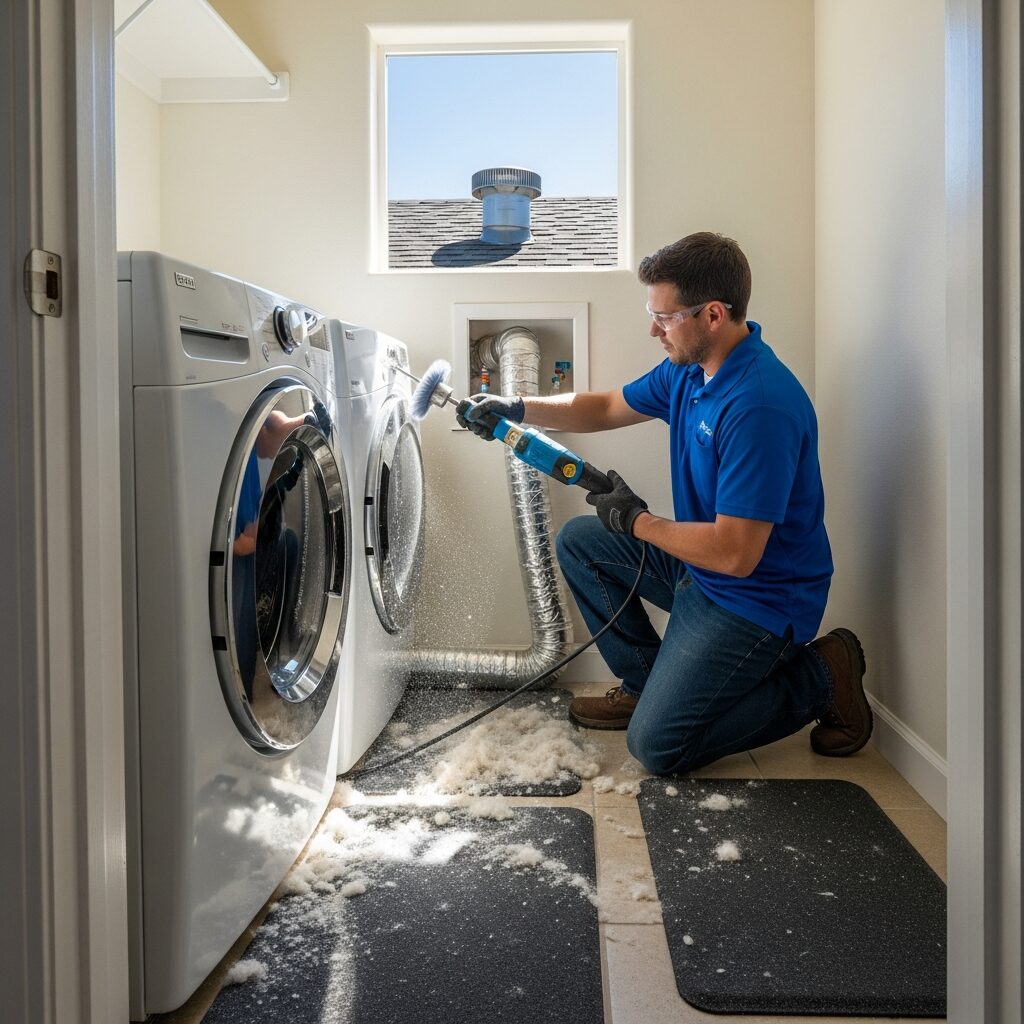
If you live in Sherman Oaks, you know how quickly the rhythm of daily life hums along. Between runs down Ventura Boulevard, drop-offs at local schools, and weekend hikes in the Santa Monica Mountains, it is easy to overlook the quiet workhorse in your laundry room. Yet keeping that system safe and efficient begins with something simple and essential: routine dryer vent cleaning. When neighbors ask where to find reliable help “near me,” they are really asking for peace of mind—someone who understands our hillside homes, condo communities along the 101 corridor, and the quirks of older vent runs tucked behind plaster walls. This guide breaks down why dryer vents in Sherman Oaks deserve special attention, what a thorough cleaning really involves, what to expect from a seasoned local technician, and how to keep your home safer through every dry cycle.
Why Sherman Oaks Homes Need Close Attention to Dryer Vents
Sherman Oaks sits at the meeting point of canyon breezes and freeway air, with the Santa Ana winds sometimes sweeping grit and dust into every crevice. In single-family ranch homes off Valley Vista, that airborne dust mingles with household lint and pet hair, settling inside ductwork where moisture from laundry can cause lint to mat. In multi-level townhomes near Sepulveda, longer vertical vent runs add friction and encourage lint to cling. Even newer condos along Ventura Place can have serpentine duct paths that slow airflow. All of these local realities put your dryer vent on the front lines, and neglect can lead to longer dry times, energy waste, and unnecessary wear on your appliance. Most importantly, lint is delicate and highly combustible, so allowing it to accumulate creates a risk you can easily avoid with routine maintenance.
The Hidden Path From Appliance to Outdoors
Think of your dryer vent as a small highway. Warm, moist air carries tiny fibers from your clothes out through a metal or rigid plastic tube. Every elbow, screw, and seam along that path is a place lint can snag. In many Sherman Oaks homes, the vent exits the roof, which means vertical rise and several bends before daylight. In courtyard-style buildings, the termination might be on a side wall behind shrubbery, where leaves and cobwebs can block the exterior cap. If you have an accessory dwelling unit tucked behind the main house, it might share a tight service corridor, making the vent tricky to access. These complications are not problems in themselves; they simply mean a trained professional’s methodical approach makes a real difference in performance and safety.
Everyday Clues It’s Time to Clean
Most homeowners first notice a change in routine. A load that once dried in forty minutes now needs another cycle. Clothes feel hotter than usual yet come out slightly damp. The laundry room feels warmer, and a faint burnt-lint odor lingers after a cycle finishes. At the exterior vent, the damper flap may barely open, or it may stick altogether due to lint at the hinge. If you live in an HOA community, a neighbor might report lint drifting onto a shared walkway. These subtle signs often arrive together, and they rarely resolve on their own. A proper cleaning resets the system, restores strong airflow, and reduces strain on the dryer’s heating element and blower wheel.
The Professional Cleaning Process, Step by Step
A seasoned local technician always starts with inspection. They will confirm the vent route, check for foil or plastic transition hoses that should be upgraded to a safer material, and measure baseline airflow at the exterior termination. Inside, the dryer is carefully pulled forward to access the transition hose and the rear exhaust port. Lint is gently loosened from the appliance cavity, then captured to prevent mess. From there, the technician works from one end of the vent to the other using the right tools for the layout—often a rotary brush system tailored to the duct’s diameter or compressed air tools that push loosened lint toward a capture device. On roof terminations common in Sherman Oaks, safe access and careful brushing at the cap are essential to dislodge clumps without damaging the bird guard or back-draft damper. The service concludes with a second airflow reading and a short run of the dryer to confirm strong exhaust and normal temperatures.
Local Nuances: Roof Caps, Canyon Debris, and Older Construction
Many mid-century homes in the hills above Valley Vista have roof caps installed decades ago. Over time, the internal screen can cake with lint, and seasonal debris from nearby eucalyptus and sycamore trees may settle across the opening. During Santa Ana conditions, that material can pack tightly, creating the illusion of an intact cap while airflow quietly drops. In ground-level apartments near Kester or Hazeltine, the vent may exit low on a stucco wall, where lawn care and leaf blowers stir dust that sticks to damp lint. A technician who knows these patterns will bring the right brushes, extension rods, and cap-safe scrapers to restore full flow without cracking tiles or loosening stucco around the duct collar.
Why Thoroughness Matters More Than Speed
It is not enough to swirl a brush at the nearest elbow and call it a day. Lint often forms dense mats at joints and in hidden transitions behind cabinets or within interior chases. Professional cleaners take the path of the air, section by section, making sure each bend is fully addressed. They also pay attention to little details like ensuring the transition hose has a gentle arc rather than a tight crush behind the dryer, that the clamp seals well without screws intruding into the airstream, and that the vent cap flap opens freely. These small corrections compound into significant gains: quicker dry times, cooler operating temperatures, and less stress on belts, bearings, and heating elements. In the middle of a busy week, you will notice the difference in both convenience and confidence. If you are evaluating your options right now, it helps to know that true dryer vent cleaning is a systematic reset, not a spot fix.
Safety First in Tight Spaces and On the Roof
Some Sherman Oaks properties present tighter working areas. Laundry closets tucked under staircases, stacked units inside narrow alcoves, and rooftop terminations along steep pitches call for extra care. Reputable technicians protect floors, move appliances carefully, and secure themselves properly if roof work is necessary. They also carry the right adaptors to avoid over-spinning brushes that could separate a joint in older ductwork. Safety-minded work not only protects your home today but keeps the vent intact for future maintenance, preventing leaks that would otherwise send moist air into walls or attics.
What to Do Before and After a Cleaning
Before your appointment, clear a small path for the technician to move the dryer forward and ensure an accessible parking spot if your street fills quickly. If you live in a multi-unit building, let your manager or HOA know the appointment time so shared access areas remain open. After the cleaning, take note of the shorter cycles and cooler laundry room. Clean your lint screen before each load, and if you use dryer sheets, wash the screen periodically with mild soap to remove residue that can reduce airflow. Consider marking a calendar reminder to schedule your next service well before the busy holiday laundry season arrives.
Common Misconceptions and What Really Works
Homeowners sometimes rely on the lint screen as a proxy for the vent’s condition. While a clean screen is important, it captures only a portion of the fibers produced during drying. Others assume their dryer is failing when cycles lengthen, when in reality the machine is doing its best to push against a growing restriction. Finally, some believe a quick vacuum at the vent cap is enough. In practice, real cleaning involves loosening lint throughout the full run, verifying the termination is clear, and testing airflow to prove the improvement. When that process is followed, performance returns quickly and consistently.
Frequently Asked Questions
Below are answers to common questions from Sherman Oaks homeowners who want to keep their dryers running safely and efficiently.
How often should a Sherman Oaks home have its dryer vent cleaned?
For a typical household, annual service keeps airflow strong and risk low. Homes with large families, multiple pets, long vertical vents to a roof cap, or frequent towel and blanket loads may benefit from cleaning every six to nine months. If you notice longer dry times or warmth in the laundry area, schedule sooner rather than waiting for a calendar date.
What are the signs my vent is restricted?
Clothes taking longer to dry, a hotter-than-usual laundry room, a faint burnt-lint smell, and a vent flap that barely opens during a cycle are the most common signs. In some cases you may see lint collecting around the exterior cap or drifting nearby. If your dryer shuts off mid-cycle or displays error codes, the machine may be protecting itself from overheating due to poor airflow.
Can I clean the vent myself?
Some homeowners can safely clear short, straight runs on a single-story wall termination, but most Sherman Oaks layouts include bends, long vertical sections, or roof caps. Without the right tools and technique, it is possible to pack lint tighter, detach a hidden joint, or damage the damper at the roof. A professional brings the equipment and experience to clean thoroughly without creating new problems.
Will cleaning really make my dryer last longer?
Yes. Strong airflow keeps operating temperatures in check, reducing strain on heating elements, thermostats, and bearings. With less back pressure, the blower wheel and motor work more efficiently, and cycle times shorten. Over the life of the appliance, these gains add up, saving wear and reducing the chance of mid-season breakdowns.
What if birds or animals have nested in my vent?
Nests are more likely in side-wall terminations with missing or damaged flaps. A professional can remove the nest material, sanitize the immediate area if needed, and ensure the cap closes and opens freely. They will also advise on improvements to deter future nesting without blocking airflow.
Is there a best time of year to schedule service?
Any time is fine, but many homeowners prefer cooler months when laundry loads increase. Before holiday gatherings or ahead of the first strong Santa Ana winds of fall are both popular times. Scheduling before peak seasons helps you avoid delays and ensures your system is ready when you need it most.
How do I know the job was done well?
You should notice faster dry cycles almost immediately. A good technician will share before-and-after airflow readings, point out any corrections they made—such as improving a transition hose path—and show you the cleared vent cap. The laundry area should be left clean and tidy, with the dryer running smoothly.
Ready to Schedule Your Dryer Vent Service in Sherman Oaks?
If you are searching for help near you, choose a team that understands our local homes, roof caps, and building layouts. Make the next load your most efficient one by booking trusted dryer vent cleaning today. From single-family residences to condo communities, you will feel the difference in safety, performance, and peace of mind from the very first cycle.