
What Professional Dryer Vent Cleaning Really Means
In Sherman Oaks, homes range from classic ranch layouts to multi-story hillside properties with complex rooflines. That variety keeps daily life interesting—and it is exactly why a professional approach to dryer vent cleaning matters. A high-quality service is not just about running a brush down a tube. It is a disciplined process built on inspection, methodical cleaning from the right access points, airflow verification, and careful attention to safety details that are easy to miss without training and the right tools.
A professional begins by understanding your home. Where does the vent travel? How many bends are in the run? What material is the duct made of? Does the termination sit on a wall or a roof, and is a damper working freely? These questions guide tool selection and the sequence of work. If you are evaluating providers, look for clear explanations of these steps and the confidence that comes from regular work in our Sherman Oaks neighborhoods. You can also look for teams dedicated to dryer vent cleaning who know how local conditions, from summer heat to seasonal winds, influence lint build-up.
Inspection: The Cornerstone of a Good Visit
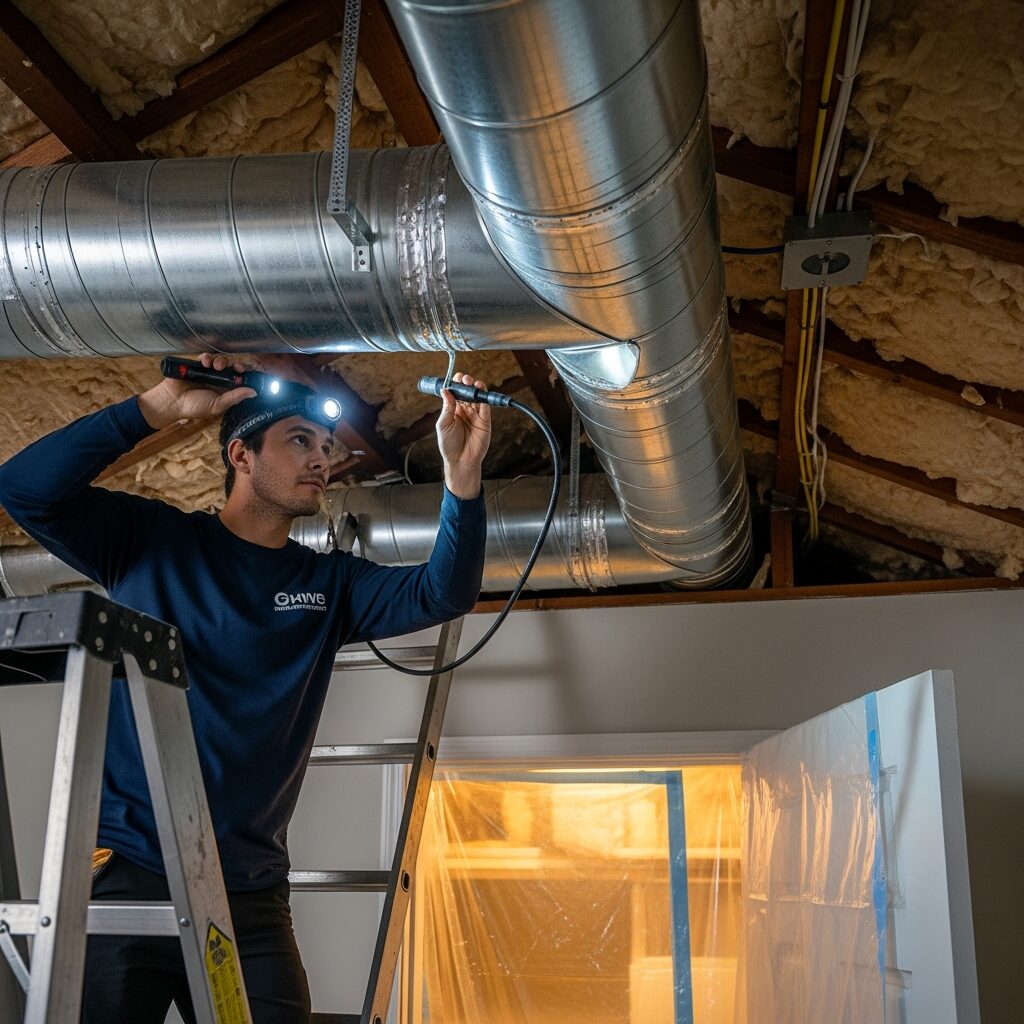
An effective service starts with visual checks and, where appropriate, a camera-assisted look inside the duct. The technician confirms that the transition behind the dryer is safe and not crushed, that the duct is continuous and smooth, and that any screws or fasteners do not protrude into the airstream where they can snag lint. At the termination, the damper should open easily and the cap should shed water without trapping lint or inviting pests to nest.
In Sherman Oaks, we often see attic runs in hillside homes and straightforward wall terminations in flats closer to Ventura Boulevard. Each style has its own quirks. Roof caps can stick, wall hoods can clog at their screens, and transitional connectors can crimp when a dryer is pushed back into a tight closet. Inspection identifies where attention is needed and how best to proceed.
Methods and Tools that Make the Difference
Pros select from rotary brush systems, compressed-air whips, air snakes, and HEPA-filtered collection to clear debris without making a mess. The choice depends on your vent’s length, bends, and material. In tight, winding runs, a combination of tools is often the most efficient route to a spotless interior. Attention then turns to the termination, where ensuring a free-moving damper and clear pathway is essential for sustained airflow.
Behind the dryer, the transition is upgraded if necessary to a rigid or semi-rigid metal connector, measured and trimmed to fit the space so it does not kink when the appliance is pushed back. This single detail preserves the gains made during cleaning and prevents the all-too-common pattern of crushed connectors that undo the work.
Verification: Proof Your System is Breathing Easy
When the debris is cleared, airflow readings provide objective confirmation of improvement. The dryer is run to verify proper temperatures and exhaust velocity. In some cases, a follow-up camera look confirms that the interior is smooth, continuous, and free of obstructions. A professional will share these observations and help you understand how to keep things running well, from cleaning the lint screen regularly to recognizing early signs of restriction.
Verification is particularly important in multi-unit buildings, where shared shafts and complex routes make it easy for hidden issues to linger. Working with a team comfortable in these environments ensures that the right checks are completed and documented.
Why Professional Beats DIY
Store-bought kits are appealing, but they rarely reach the entire length of a vent, and they struggle at elbows where lint hardens. Worse, aggressive drilling can break rods inside the duct or loosen joints, creating a hidden hazard. Professionals bring purpose-built tools, training, and the discipline to keep debris contained rather than redistributing it into your laundry area or attic. The result is a cleaner, safer, and measurably better-performing vent system.
Another advantage is perspective. Pros recognize when an odd smell indicates overheated lint versus a deteriorating connector, or when a stuck roof damper is to blame for a sudden rise in dry times. They also know when a particular layout in Sherman Oaks—say, a long run through a crowded attic—warrants an alternate access point to ensure a thorough cleaning.
Local Insight: Sherman Oaks Homes and Habits
Our valley climate encourages frequent laundry cycles during warmer months, and households with active lifestyles often run multiple loads per day. That adds up to more lint, faster. Neighborhood winds can push dust into exterior terminations, and nearby landscaping can shed leaves around wall hoods. These local realities inform how often you should schedule service and what a technician will check at the end of a visit.
Whether your home sits near the flats or climbs into the hills, a professional familiar with Sherman Oaks will arrive ready for roof work when needed, carry the right ladders and safety equipment, and protect both interiors and exteriors from scuffs and debris.
Timing and Scheduling
Many residents prefer to pair service with seasonal chores—spring refreshes or pre-holiday prep. Others schedule in response to signals from the dryer itself: increased cycle times, a hotter laundry room, or weak airflow at the exterior hood. There is no single calendar date that fits every home, but a professional can help you develop a rhythm based on your usage and vent design.
In multi-unit properties, coordinating service by stack or floor keeps airflow consistent and reduces surprises. Communication with building management ensures access windows and safety protocols are followed, keeping the visit efficient for everyone involved.
Mid-Visit Learning Moments
Homeowners who like to understand the “why” behind the work often appreciate a mid-visit update. As airflow improves, a technician can point out bends that collect lint faster, show where a cap needed attention, or explain why a rigid transition behind the dryer is critical. These insights translate into better everyday habits and fewer headaches over time. If you have questions, ask during the visit—professionals welcome the conversation.
It is also reassuring to see the measures taken to keep your home clean. Drop cloths, corner guards, and containment demonstrate the respect a pro has for your space. The best providers leave your laundry area looking exactly as it did—just with a vent system that works better.
FAQ: Professional Dryer Vent Service
Q: What should I prepare before a visit?
A: Clearing a small pathway to the laundry area helps. Technicians handle moving and protecting the dryer and nearby surfaces.
Q: How is the cleaning method chosen?
A: The method depends on your vent’s length, number of bends, and material. Pros match tools to conditions to ensure a complete, contained result.
Q: Do you need to go on the roof?
A: Only if the termination is on the roof. Many Sherman Oaks homes vent through an exterior wall that is accessible from the ground.
Q: Will you upgrade unsafe connectors?
A: Yes. Replacing crushed or unsafe transitions with properly sized metal connectors preserves airflow and reduces risk.
Q: How will I know the difference afterward?
A: Expect shorter dry times, stronger exhaust at the exterior, and normal operating temperatures. Technicians can share airflow readings as proof.
Bring in a Pro Who Knows Sherman Oaks
If your dryer has been taking longer than it should or you simply want the confidence that everything is running safely, bring in specialists who focus on dryer vent cleaning and understand our local homes. You will enjoy a cleaner, safer system, quicker laundry cycles, and the peace of mind that comes from professional care.