
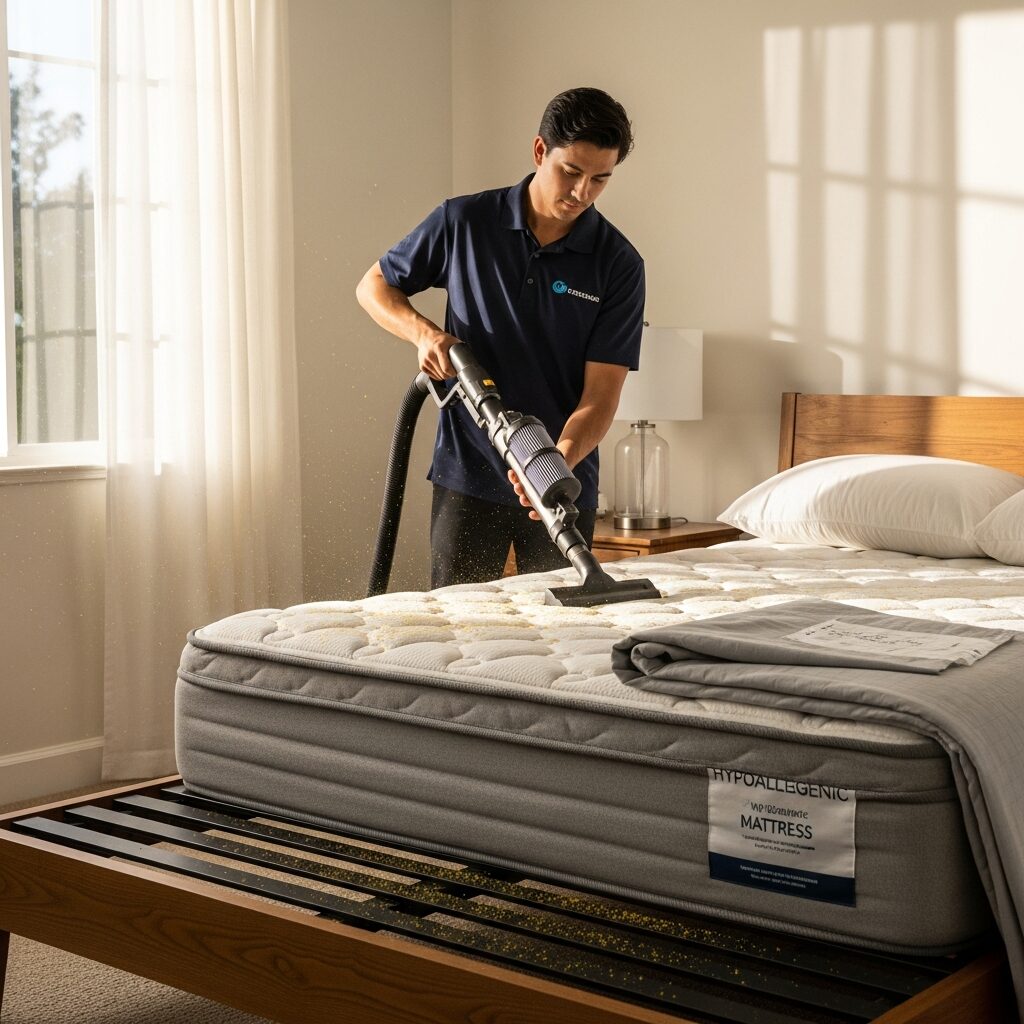
If your mornings in Sherman Oaks begin with a stuffy nose or a scratchy throat, your mattress may be part of the conversation. Our community’s beauty—mature trees shading Ventura Boulevard, canyon breezes slipping over Mulholland, and mild evenings that encourage windows to stay open—also brings a steady flow of pollen, dust, and fine particulates into our homes. Those invisible visitors often settle where we spend the most time: the bed. Thoughtful, professional mattress cleaning is one of the most effective steps you can take to cut your nightly allergen exposure, rebalance your indoor air, and wake up with a clearer head.
Why beds concentrate allergens
At night, your mattress acts like a landing zone for the day’s airborne particles. As the room cools and air currents calm, dust and pollen drift downward and find a home among fibers and quilting. Add in normal skin cell shedding and body oils, and you have the food and shelter dust mites need to thrive. The mites themselves are not the primary irritant; it is their microscopic waste that provokes sneezing, congestion, and itchy eyes—especially when you roll over and those particles become briefly airborne. In the Valley’s seasonal cycle, the bed can quickly accumulate a blend of irritants that overwhelm even the best bedding routine.
Sherman Oaks conditions that make symptoms flare
Our geography shapes our air. Santa Ana winds sweep desert-dry air into the Valley, increasing indoor particle activity and drying sinuses. Spring and early summer bring bursts of tree and grass pollen that hitch a ride indoors on hair, clothing, and pets. Late summer heat builds perspiration and humidity at the pillow end of the bed, while cooler mornings can nudge indoor moisture up just enough to support mite growth. Apartment dwellers near the 101 might notice sootier dust, while hillside homes may see more outdoor pollen accumulations. Each microenvironment shifts what the mattress collects, but the result is similar: irritated airways and unsettled sleep.
How professional cleaning targets the problem
Allergy relief requires more than fresh sheets. A proper mattress cleaning sequence begins with high-filtration vacuuming designed to capture the finest dust without releasing it back into the room. Targeted treatments dissolve body oils and persistent residues that trap allergens, followed by controlled rinsing to move those contaminants out of the textile system. Moisture is carefully managed so the mattress rebounds quickly, and drying support helps prevent any musty after-scent. The combined effect is a significant reduction in particulate reservoirs and a calmer environment for your nighttime breathing.
What you feel after a deep reset
Clients across Sherman Oaks often share the same story: after a thorough cleaning, the bedroom air feels lighter, morning congestion eases, and that nagging urge to crack the window at 2 a.m. fades. If you have been waking to rub your eyes or sip water just to soothe a dry tickle, a reset can change the pattern. Because your body is no longer wrestling with a cloud of irritants each time you turn in bed, it can commit more fully to rest. Over days and weeks, this translates to steadier energy and fewer flare-ups that used to arrive like clockwork after windy days or high-pollen weekends.
Allergies, kids, and multi-pet homes
In homes with children, sensitivities show up fast, and sleep disruptions ripple through the whole household. A cleaner mattress base helps keep nighttime symptoms from stacking up on top of seasonal exposures from sports fields, school yards, and weekend hikes. For pet lovers, dander accumulates despite frequent grooming, especially when pets share the bed for midday naps. Targeted cleaning reduces that buildup dramatically and makes it easier to maintain a comfortable equilibrium with the animals you love.
Safer solutions for sensitive systems
For many allergy-prone residents, strong fragrances are triggers. Quality service emphasizes low- or no-added-scent solutions and thorough rinsing, leaving the mattress free of sticky residues and perfume trails. You should expect your bedroom to smell like nothing at all after a day or two—clean air more than any particular fragrance. Technicians can also adjust processes for those who are sensitive to moisture or who sleep on specialty foams, ensuring the approach supports both the material and your comfort.
Pairing cleaning with better daily habits
Professional work shines brightest when supported by simple routines. Launder pillowcases and sheets frequently in warm water to remove surface allergens before they migrate deeper. Allow the bed to air briefly in the morning before making it, letting overnight humidity disperse. If you enjoy open windows in the evening, consider closing them an hour before bedtime during high pollen counts so particulates can settle outside the sleeping window. These are gentle shifts, not strict rules, and they pay back with quieter nights.
The middle-of-the-year refresh
Timing matters for allergy relief. Many Sherman Oaks residents find success with a two-step rhythm: a deep cleaning after the bulk of spring pollen easing and a second refresh after the peak summer heat. That cadence keeps mite and allergen loads lower year-round. If someone in the home has persistent symptoms, or if pets spend much of the day on the bed, increase frequency and monitor how mornings feel. Because every household is different, your technician’s observations—combined with what you notice—will shape the schedule that serves you best. A midyear appointment that includes mattress cleaning can set the tone for months of easier breathing.
Why DIY alone falls short
Vacuuming helps and is worth doing, but consumer machines cannot dissolve perspiration salts or lift embedded residues as effectively as professional systems. Over-the-counter sprays often leave sticky films that hold onto dust and can cause re-soiling or new odors. Steamers, when misused, drive too much moisture into foams and batting, raising the risk of mustiness. None of this means you should not care for the mattress yourself—it simply highlights why periodic professional service is the anchor of an allergy-relief plan.
Encasements, protectors, and airflow
Mattress protectors are often misunderstood. A breathable, washable protector keeps fresh allergens from settling into the mattress and buys you more time between deep cleans. Fully zippered encasements can be appropriate for severe sensitivities, but they should still be breathable and paired with sensible room humidity management. Keep some space under the bed so air can circulate, and avoid pressing the head of the mattress tightly against solid walls where exhaled moisture can collect. Simple airflow is a quiet, powerful tool in allergy control.
Real households, real results
Consider a familiar scenario: a Sherman Oaks family near the Galleria with two kids, a cat, and a bedroom that heats up in late afternoon sun. Despite frequent laundry, their mornings were punctuated by sneezing and throat clearing. After a deep mattress cleaning—paired with advice to delay bed-making by thirty minutes and swap to a breathable protector—the difference was immediate. The cat still sleeps at their feet, the windows still open on cool nights, and yet mornings are calmer. Allergy relief is rarely about perfection; it is about a set of habits that turns down the volume on irritants so your body can rest.
Aligning with your health goals
From yoga studios off Ventura to early runs in the I-405 corridor neighborhoods, Sherman Oaks values wellness. Mattress cleaning fits right into that culture. Like nutrition or movement, it is not a one-and-done event but a steady rhythm that keeps your environment in tune with your goals. When you treat your bed as central to your respiratory health, you elevate the impact of every other wellness habit in your life.
What results can you expect and how soon
Some feel relief the very first night, especially those whose symptoms were driven by heavy particulate loads. Others notice a gradual easing over a week or two as bedding cycles through laundry and the room’s air clears. If symptoms persist despite a clean mattress, consider other sources like carpets, draperies, or forced-air systems, and continue the conversation with your provider. The mattress, though, remains the most intimate and influential surface in your home, and addressing it often unlocks the largest gains.
How does cleaning interact with specialty foams and hybrids
Materials matter. Memory foam and latex each behave differently from traditional coil beds. Controlled-moisture techniques protect foam structures while still dislodging trapped residues. Your technician will evaluate stitching, zippers, and construction so treatments flow where needed and avoid sensitive areas. The goal is a thorough clean matched with the integrity and longevity of the mattress.
Preparing for service day
Strip the bed, clear access, and share any history of spills or sensitivities. If you can, run ceiling fans or open a window slightly for cross-flow during drying. Plan to launder bedding while the mattress is serviced so you can redress with fresh linens. Small steps make the day smooth and help you feel the benefits immediately that night.
How often should I have my mattress professionally cleaned for allergies?
For many Sherman Oaks homes, once a year is a solid baseline. If symptoms are pronounced, if you have multiple pets, or if windows are often open during high-pollen periods, move to every six to nine months. The right schedule is the one that keeps mornings clear and nights interruption-free.
Will cleaning trigger my sensitivities with fragrances or residues?
It should not. Tell your technician about sensitivities so they select low- or no-fragrance solutions and rinse thoroughly. Proper methods leave no sticky film and only a neutral, freshly cleaned feel. The room should smell like clean air, not perfume.
Can I rely on protective encasements alone?
Encasements help by blocking fresh allergens from settling into the mattress, but they do not remove what is already inside, nor do they address pillow-top fabrics. Periodic cleaning reduces the internal load, while protectors and encasements maintain that cleaner state. Working together, they support consistent relief.
Is steam cleaning a good idea for allergen control?
High heat can sanitize surfaces, but on mattresses it can drive excess moisture into materials and create musty conditions if not managed precisely. Professional cleaning geared to mattresses uses controlled moisture and extraction to remove allergens without saturating the bed. Ask for methods designed specifically for bedding.
What else in my bedroom should I address for allergy relief?
Look at pillows, duvets, and nearby soft furnishings. Wash bedding regularly, choose washable pillow inserts, and consider the bedroom’s dust load from rugs and drapery. The mattress is the priority because it is the closest to your breathing zone for hours each night, but a holistic view strengthens results.
If you are ready to turn restless, sneezy nights into smoother sleep and easier mornings, make your next step a targeted service that meets Sherman Oaks conditions head-on. For practical help and results you can feel the first week, schedule your mattress cleaning today and wake up breathing easier.