
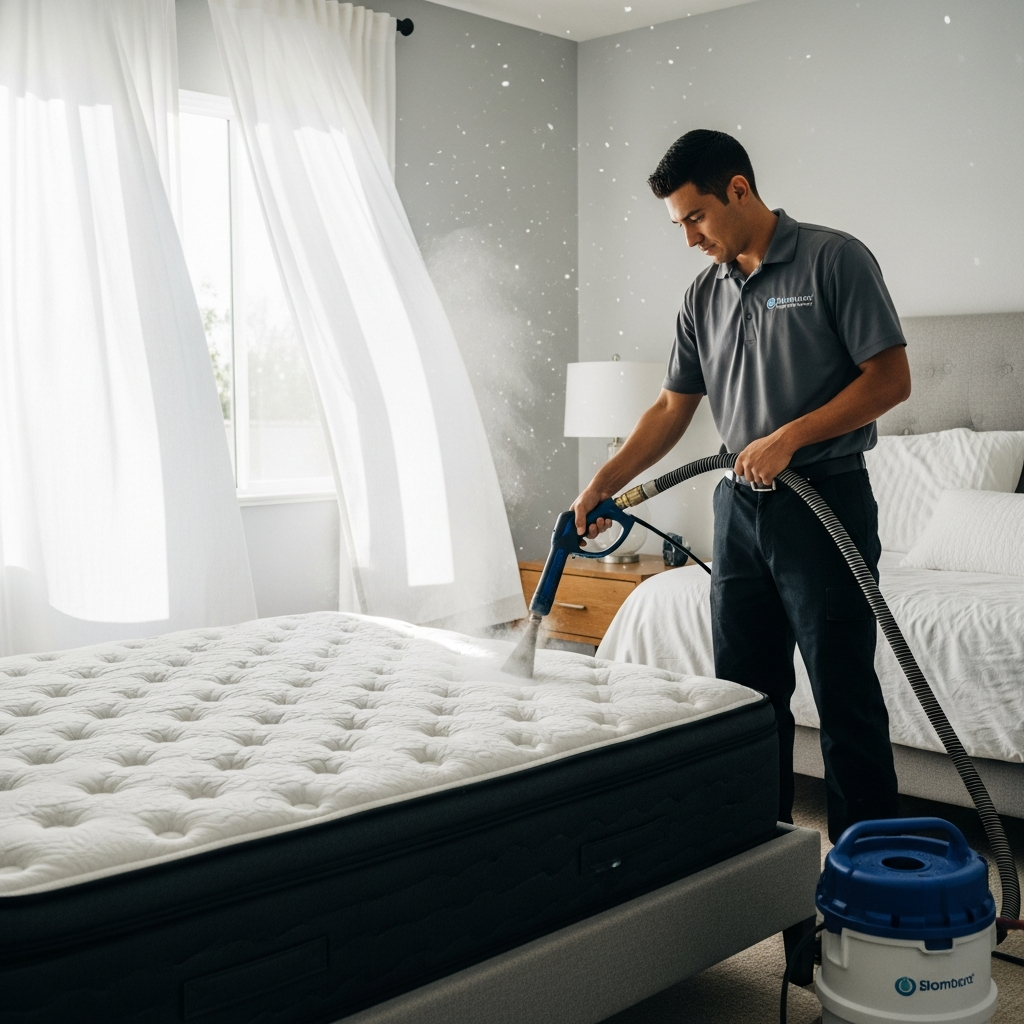
Steam Power, Local Know-How: Mattress Care in Sherman Oaks
In Sherman Oaks, where calm, tree-lined streets meet the energy of Ventura Boulevard, sleep is sacred. When residents ask about steam cleaning for mattresses, they are really looking for a deep, restorative process that is as careful as it is effective. The phrase “steam cleaning” often becomes shorthand for hot-water-based extraction and low-moisture sanitation, a family of methods that rely on heat, precise application, and thorough recovery. When done by an experienced local professional, these techniques lift embedded soils, reduce allergens, and refresh fabrics without flooding the mattress. If you are exploring Sherman Oaks mattress cleaning that uses steam-informed methods, it helps to understand how the process is tailored to different materials and to our Valley climate.
Heat is a powerful ally. Applied the right way, it loosens body oils, mobilizes residues, and supports the neutralization of odor-causing compounds. But heat alone is not enough. Control—over moisture volume, dwell time, and recovery—is the difference between success and frustration. In bedrooms from hillside homes to apartments near the Galleria, a methodical sequence ensures your mattress is genuinely clean, not just damp and perfumed.
How Steam-Oriented Cleaning Works on Mattresses
The journey begins with inspection and dry soil removal. Specialized vacuuming pulls out the ultra-fine dust that hides in quilting and seams. Then come targeted pre-treatments for stains and odor, chosen to match the nature of the spot—enzyme action for protein-based accidents, gentle oxidizers for beverages, and surfactants that release body oils from fibers. When heated solution is introduced, it is applied sparingly, often through precision tools designed to keep moisture near the surface while heat does the heavy lifting. Immediate extraction removes the loosened soils, carrying them away without driving water deep into the core.
Key to the process is balance. Mattresses are engineered for comfort, not bathing. A professional modulates temperature and flow to suit materials, reducing the risk of overwetting. In practical terms, that means keeping the cleaning energy up where it is needed while preserving the integrity of foam and batting below.
Memory Foam, Latex, Innerspring, and Hybrids
Different constructions require different strategies. Memory foam, with its slow-recovery structure, asks for a lighter hand, restrained moisture, and extra airflow after cleaning. Latex is resilient and benefits from a warm, quick rinse that lifts soils without lingering. Innerspring designs, often quilted on top, can tolerate more surface agitation, especially along body zones that collect perspiration and hair oils. Hybrids combine traits from multiple categories and reward an observant technician who responds to the mattress’s feedback as the work progresses.
Border fabrics and pillow tops present their own challenges. Tufting and cording catch dust and sometimes wick moisture if handled too aggressively. Here, precision tools and handwork make a difference—keeping edges crisp, colors true, and seams intact while releasing residues that dull the look over time.
Why Local Conditions Change the Playbook
Sherman Oaks sees shifting patterns of air quality, from breezy afternoons to the occasional Santa Ana gust. That variability changes how mattresses accumulate particles and how they dry. A professional familiar with the Valley incorporates these realities into the plan. On dry, warm days, a slightly more generous rinse may be appropriate because evaporation assists. When the air is cooler or the room shaded, the approach tightens: less liquid, more targeted heat, and carefully staged airflow to guide moisture out of the fabric layers.
The physical spaces matter, too. Bedrooms tucked at the back of a deep-lot home can be far from exterior doors, which affects equipment setup and hose management. Apartments off Ventura Boulevard may have narrow halls and elevators to navigate with care. Local technicians are practiced in making these logistics invisible, protecting walls and floors while setting the room for good drying.
Myths About Steam and Mattresses
One common misconception is that more steam equals better results. In reality, a mattress prefers finesse. Too much moisture can push soils deeper and prolong dry times. Another myth is that heat alone solves odor. Odor sources need to be addressed chemically as well—enzymes for biological sources, for instance—before heat and extraction remove the byproducts. Finally, there is the belief that DIY steamers can perform like professional systems. While consumer tools have their place, they often lack the temperature control and recovery needed to clean thoroughly without overwetting.
Professionals pair the right chemistry with calibrated heat and extraction. That trio—targeted treatment, temperature, and recovery—produces the refreshed look and feel you want without unintended side effects.
What to Expect During a Visit
The appointment starts with a walkthrough. You will point out concerns, discuss sensitivities to fragrance, and review any recent spills or pet incidents. The technician will note the fabric type and construction, check seams and stitching, and map out a sequence that prioritizes your highest concerns first. Dry soil removal comes next, followed by spot-specific pre-treatments and the controlled, heat-assisted cleaning phase. Throughout, furniture and flooring are protected, and the room setup anticipates drying—fans placed at angles, doors or windows adjusted for gentle cross-ventilation if conditions allow.
About midway through, there is usually a progress check. This is the moment to refine techniques: perhaps adding a second enzyme application to a stubborn area or shifting to a gentler rinse around a decorative border. The goal is not just clean, but consistently clean across the whole surface. It is also a good time to ask questions about maintenance and to learn simple habits that prolong results.
Aftercare and Drying, the Right Way
Once the surface is refreshed, airflow and patience seal the deal. A properly cleaned mattress should feel uniformly cool and dry before you remake the bed. Professionals will advise on how long to wait based on the day’s conditions and your mattress type. In many Sherman Oaks bedrooms, a fan angled across the surface and a short window of ventilation are enough. A breathable protector keeps the clean surface safe from future spills without trapping residual moisture.
For the first night or two, notice the air in the room. It should feel calmer, with fewer distracting scents. That quiet is a sign that residues have been lifted and odors were treated at their source rather than masked.
Why Choose a Local Team for Steam-Informed Care
Working with a Sherman Oaks-based service brings intangible but important benefits. Scheduling aligns with neighborhood rhythms, equipment loading is thoughtful about driveways and stairs, and communication feels like a conversation with a neighbor. The technician who has cleaned in homes like yours understands what typically collects along the head of the bed, how certain fabrics respond to warm rinses, and how to set airflow for quick, confident drying without turning your bedroom into a wind tunnel.
There is also comfort in accountability. When your service provider is part of the community, your satisfaction travels by word of mouth. That trust encourages a meticulous, respectful approach from the first hello to the final walkthrough.
Frequently Asked Questions About Mattress Steam Cleaning
Is steam cleaning safe for all mattresses?
When performed by a trained professional who controls moisture and temperature, steam-informed methods are safe for memory foam, latex, innerspring, and hybrids. The key is tailoring the process to each material’s needs.
Will steam alone remove odors?
Heat supports odor reduction, but source-specific chemistry—such as enzymes for biological spills—is essential. The combination of targeted treatment, heat, and thorough extraction delivers the best results.
How long does drying take after a steam-oriented cleaning?
Dry times depend on materials and room conditions. Your technician will set airflow and provide guidance so you know exactly when the bed can be remade. The emphasis is on safe, even drying rather than speed alone.
Can I use my household steamer for spot cleaning?
Household tools can help with very light surface refreshes, but they often lack the control needed to avoid overwetting. For stains and odors, professional care protects the mattress while thoroughly lifting residues.
What if my mattress has a pillow top or decorative border?
Those features are cleaned with precision tools and careful handwork to protect stitching and color while releasing trapped dust and oils. A skilled technician balances appearance and sanitation for a consistent finish.
How often should I schedule steam-informed cleaning?
Many Sherman Oaks households benefit from annual service, with timing adjusted for pets, kids, seasonal allergies, and personal preference. Guest beds can be refreshed before important visits.
Will there be a strong scent afterward?
Professional products are designed for low residue. If you prefer unscented finishes, let your technician know. The aim is a subtle, clean neutrality rather than a heavy fragrance.
What can I do to maintain results?
Use a breathable protector, vacuum the surface periodically with a clean upholstery tool, and allow the mattress to air briefly before making the bed. These small habits support long-lasting freshness.
Ready to Experience a Calmer Bedroom?
If you are picturing a crisp, cool sleeping surface and air that feels newly quiet, now is the perfect time to schedule expert mattress cleaning with steam-informed care. A local Sherman Oaks team will bring calibrated heat, thoughtful technique, and neighborly service to your home so you can settle in for better rest tonight.