
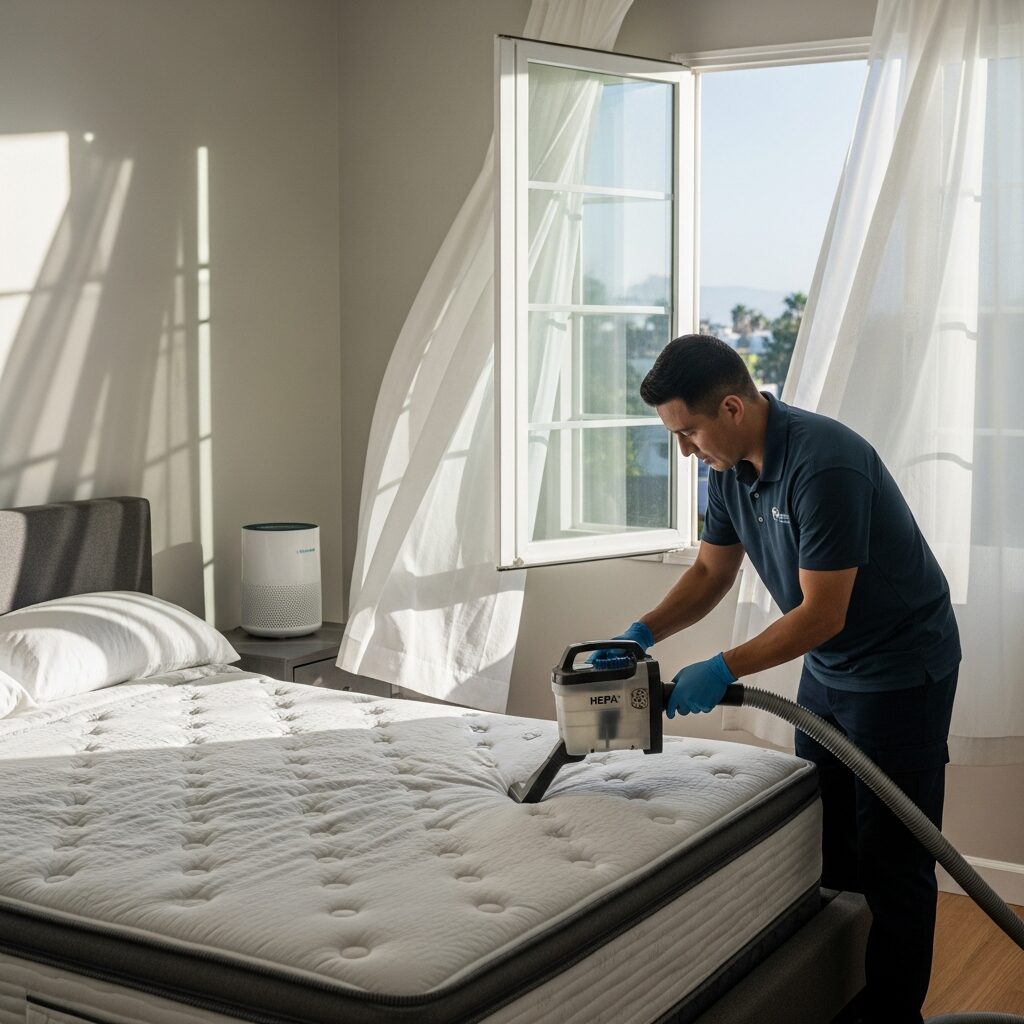
Allergy season in Sherman Oaks can feel like it never truly ends. Between our valley winds, proximity to canyons, and the everyday swirl of indoor dust and pet dander, many residents experience nighttime congestion or wake up with itchy eyes even when daytime symptoms are mild. Over the years, I have seen how one change—investing in regular, professional professional mattress cleaning—can significantly improve comfort for sensitive sleepers. When your bed stops harboring the microscopic triggers that stir up nasal passages and lungs, sleep becomes deeper, mornings arrive gentler, and your bedroom finally feels like a true retreat.
The story is familiar to so many neighbors. They try air purifiers, switch to fragrance-free detergents, and keep windows closed during high pollen days, but they still wake up stuffy. The culprit is often a reservoir of particles embedded in the mattress, a place we spend hours each night breathing closely against. Because Sherman Oaks homes run warm in the afternoons and cool down rapidly after sunset, humidity swings can encourage dust mite activity. Effective mattress care targets these realities directly, going far beyond surface vacuuming and fabric fresheners to address what actually affects sensitive sinuses.
Understanding allergens that linger in mattresses
To reduce nighttime reactions, it helps to know what you are up against. Mattresses collect ordinary household dust, skin flakes, fibers from clothing and bedding, and in many homes, pet dander. Add in seasonal pollens that drift in on hair and clothes, and you have an ecosystem that needs regular attention. The materials used in modern mattresses—memory foam, latex blends, quilting, and plush toppers—are designed for comfort and support, but their nooks and layers can hold onto tiny particles that do not respond well to light DIY efforts.
Over time, even a meticulous cleaner can see symptoms creep back if the mattress itself is not addressed. This is where a deliberate, professional approach helps. It is not just about equipment; it is also about sequence and control. The process must lift what is loose, loosen what is lodged, and remove what should be removed, all while preserving the mattress’s structure and avoiding over-wetting that could create its own problems. When done correctly, the result is not perfumed—it is simply fresher, calmer air against your face and clearer mornings.
What professional cleaning looks like for allergy relief
An allergy-focused service starts with a careful conversation. Are mornings worse than evenings? Do symptoms spike after laundry day or during certain months? Do pets sleep on the bed? Answers shape the plan. A skilled technician will then perform a close visual inspection and, if appropriate, a targeted dry extraction to capture loose debris along seams and quilting. This early step is more than housekeeping—it removes the lightest, most mobile particles so they do not become airborne during later phases.
Next comes precise, mattress-safe treatment that targets embedded soils. Methods vary depending on construction, but the guiding principle remains constant: control. Moisture is applied conservatively, agitation is tailored, and extraction is thorough without being aggressive. The aim is to minimize residue, leave fabrics neutral, and reduce the micro-environment that dust mites find hospitable. Drying support—air movement, timing recommendations, and room ventilation—finishes the visit so you can return the bed to use with confidence later the same day.
The Sherman Oaks factor: climate and lifestyle
Our neighborhood’s climate plays a meaningful role in allergy management. Warm afternoons can make bedrooms feel cozy but also concentrate indoor air; evening breezes occasionally carry pollen from nearby hills. Many of us also live with beloved cats and dogs, whose presence adds joy and dander in equal measure. Professional cleaning acknowledges all of this by focusing on genuine removal rather than masking, and by advising you on everyday habits that fit a Sherman Oaks rhythm—cracking a window at the right time, running ceiling fans on low, and rotating bedding on a timeline that actually matches our seasons.
For households with children or multi-generational living, schedules can complicate allergy control. The right team will coordinate appointment times, protect surrounding furniture, and guide you through safe room re-entry for sensitive family members. Consistent maintenance—supported by practical advice for laundry, protectors, and ventilation—helps reduce flare-ups even when the calendar gets busy or the winds kick up.
How a cleaner mattress supports other allergy strategies
Think of the mattress as the foundation of your allergy plan. When it is truly clean, other strategies do their best work. Air purifiers handle fewer particles per hour, bedding stays fresher longer, and morning routines can focus on getting out the door rather than soothing irritated sinuses. Many residents tell me that vacuuming the bedroom begins to feel more effective after the mattress is professionally addressed because the background load of irritants falls dramatically. It is a simple chain reaction: less in the mattress means less in the air overall.
Importantly, a neutral-smelling mattress reduces the temptation to rely on strong fragrances, which can themselves be bothersome to sensitive noses. By emphasizing removal over cover-up, cleaning supports a calmer, quieter sensory environment. That quiet is what your body craves at night—the chance to rest without subtle triggers keeping your system on alert.
What to ask before you book
Before scheduling an appointment, ask prospective providers about their approach to foam and hybrid mattresses, how they control moisture, and what drying guidance they provide. Share your household specifics—pets, young children, or known allergies—so the plan accounts for them. In Sherman Oaks, many residents prefer morning visits to take advantage of daytime warmth and gentle air movement. A good provider will suggest a time window and steps that match your home’s ventilation patterns and the way you use the bedroom.
Also consider how the team communicates. You should feel comfortable asking questions and confident that your concerns are being heard. Allergy relief is personal, and a provider who listens carefully is better equipped to deliver the outcome you need. They will explain what can be improved, what may remain, and how to keep gains going between visits.
Maintaining results between professional cleanings
Once your mattress has been refreshed, a few steady habits help protect your progress. Use a breathable protector that can be laundered regularly without trapping heat. Wash sheets and pillowcases on a schedule that matches your sensitivity level, and consider a quick morning airing—pull back blankets and let the mattress breathe for a few minutes before making the bed. Gentle surface vacuuming with a clean upholstery tool can capture stray particulates, especially around seams where they collect.
On high pollen days, it may help to change clothes before bedtime and keep pets off the bed, even if they are welcome during the day. If you enjoy sleeping with a window open, try it on evenings with lower counts and pair it with a low fan setting to keep air moving. These small adjustments do not replace professional attention, but they stretch the benefits and keep your nighttime air pleasantly calm.
Halfway through your maintenance cycle, consider a quick check-in with your provider. If your mornings start to feel a bit heavier, a targeted touch-up may be worthwhile. Many Sherman Oaks families find that a consistent rhythm aligns naturally with our microclimate and household routines, reducing the guesswork that often accompanies allergy control.
Frequently asked questions about allergy-focused cleaning
Will professional cleaning eliminate all allergy symptoms
Every person’s sensitivity is different, and no single step erases all triggers. That said, reducing the load of dust, dander, and fine debris in the mattress can make a noticeable difference for many sleepers. The goal is a calmer environment that lets your other strategies work better—clean bedding, smart ventilation, and mindful bedroom habits.
Is the process safe for memory foam and hybrid mattresses
Yes, when performed by a team trained in moisture control and gentle extraction. Modern methods are designed to respect layered constructions, preserve structural integrity, and avoid over-wetting. The key is tailoring the approach to the specific materials in your bed and supporting efficient drying afterward.
How soon can I sleep on the mattress
In typical Sherman Oaks conditions, many mattresses can be re-dressed the same evening, provided there is good airflow and the service has been tailored to the material. Your technician will confirm timing based on the day’s weather and your room’s ventilation.
Do I need to leave the house during cleaning
Most households can remain at home. The team will work in the bedroom while you go about your day, and they will provide guidance for anyone with particularly sensitive airways. Keeping doors open for airflow and using ceiling fans on low can make the process even smoother.
How often should I schedule service for allergies
Frequency depends on your sensitivity, pets, and household routines. Many residents benefit from a regular cadence aligned with our seasons, adjusting as needed for high-pollen periods or after events that introduce extra dust. Your provider can suggest a schedule that fits your needs and home.
When you are ready to breathe easier at night and greet the morning feeling rested, choose a local team that understands the way Sherman Oaks homes actually live. Book thoughtfully planned professional mattress cleaning and give yourself the gift of a calmer, clearer bedroom—one that supports your health every time you close your eyes.