
Apartment Living, Local Know-How, and Cleaner Rugs in Sherman Oaks
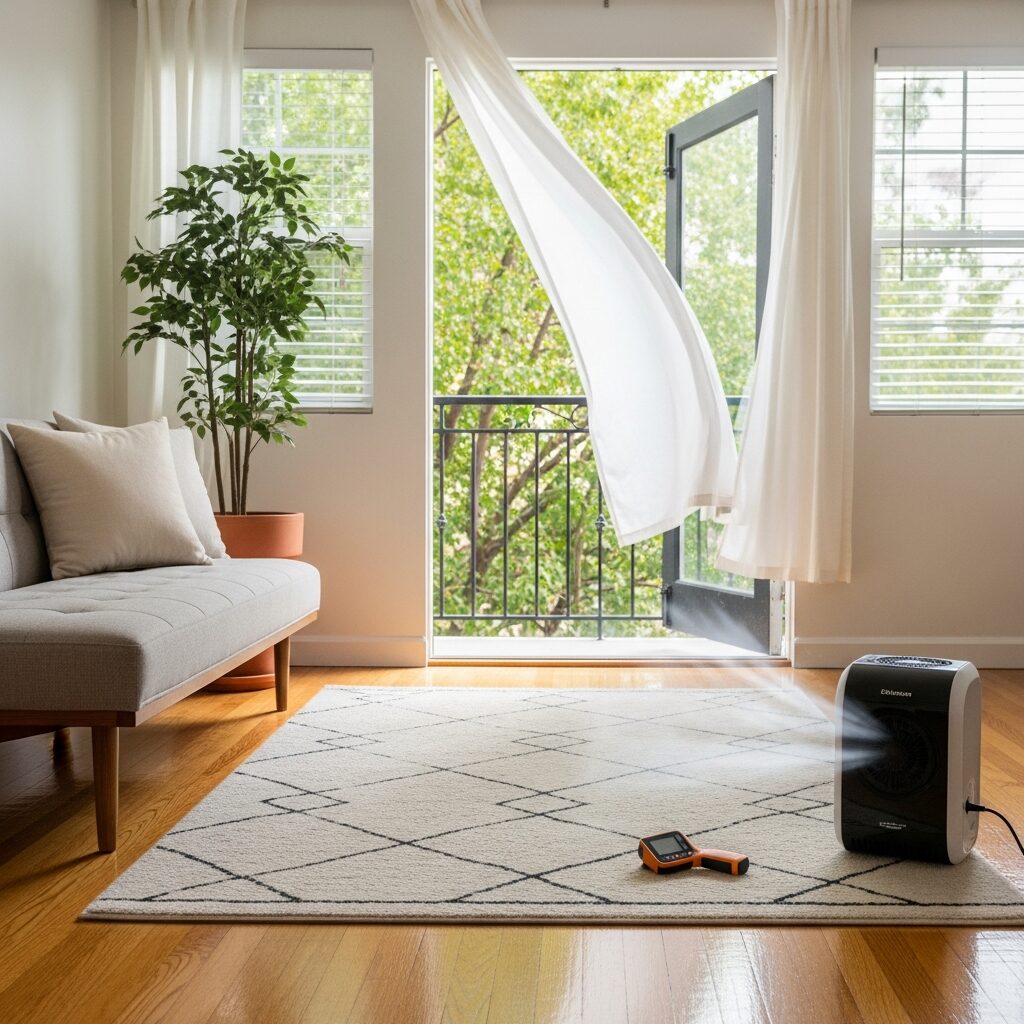
Life in Sherman Oaks has a particular rhythm, a blend of neighborhood warmth and city convenience that you feel the moment you step onto Ventura Boulevard or take a quiet evening stroll along tree-lined residential blocks. For those of us living in apartments—from charming mid-century walk-ups to modern buildings with elevators and rooftop views—our area rugs do more than define space; they ground our homes in comfort, color, and a sense of calm. That is why thoughtfully planned rug cleaning tailored to apartment life matters so much. When a rug captures the dust from open windows on a Santa Ana day, the grit from daily commutes, and the life that happens around the coffee table, a careful approach keeps fibers healthy and colors true without disrupting neighbors or the building’s routines.
What Makes Apartment Rug Care Different in Sherman Oaks
Compared to single-family homes, apartments introduce constraints that shape how we clean area rugs. Tight entryways, shared corridors, elevators, and HOA or management rules influence everything from pickup and delivery to how we control moisture and drying. Local climate also plays its part. During hot, dry stretches, fine dust can blow in and settle deep into rug foundations; during cooler mornings, windows cracked for fresh air invite pollen and urban particulates. Add in the realities of small-space living—dining areas that double as work zones, high-traffic kitchen thresholds, and pets who love to nap where the sun lands—and you have a clear case for professional care that minimizes disruption while maximizing hygiene and fiber longevity.
Understanding the Rugs in Our Apartments
In Sherman Oaks apartments, I often see a mix of contemporary synthetics, tufted wool, flat-woven cotton, and the occasional heirloom hand-knotted piece that anchors a living room. Each type behaves differently. Synthetic rugs can hide soil but hold onto oils that dull the surface; wool resists staining yet requires pH-balanced solutions; cotton flatweaves can curl at the edges and show traffic shading faster; viscose and bamboo-silk blends crave especially delicate handling to avoid texture changes. Getting these distinctions right prevents color migration, pile distortion, and that uneven look that happens when a quick DIY spot treatment goes sideways. The point isn’t just “cleaner,” it’s safeguarding the rug’s character so it continues to brighten a space without fuss.
Hidden Soil and the Apartment Factor
One surprise for many apartment dwellers is how much soil a rug can hold without looking filthy. Footfall concentrates in narrow corridors and entry drops. Lint, pet dander, and airborne dust settle in the weft and foundation, where regular vacuuming can’t always reach. In Sherman Oaks, where we balance indoor-outdoor living with patio doors and balcony plants, fine particulates collect faster than you’d expect. When those particulates mix with oils from bare feet, cooking vapors, and the occasional beverage splash, they bind to fibers and subtly mute color. Professional dusting and wash techniques dislodge that blend in a way standard home tools simply can’t, especially when space is tight and you’re mindful of wall scuffs, elevators, and neighbors’ quiet hours.
A Safer, Smarter Cleaning Process for Apartments
Apartment-focused service starts with a careful pre-inspection at pickup. We look for prior spills, pet “hot spots,” sun-fade lines from sliding doors, and any loose threads at corners that could snag in transport. Dye testing is non-negotiable; a small, discrete check confirms that colors will remain steady throughout a wash. After that, thorough dusting removes pounds of grit you often never knew existed. Depending on the rug’s construction, cleaning may involve an immersion-style wash for durable, colorfast pieces, or a low-moisture, controlled method for delicate or tufted rugs with latex backings to protect the structure. The rinse phase draws out residues that make fibers look waxy or dull, and drying is performed with airflow and measured humidity—critical steps when you’re bringing the rug back into a compact living space that needs to stay fresh and safe.
Moisture Control, Drying, and Building-Friendly Logistics
One of the worries I hear from apartment residents is, “Will my place feel damp?” The answer is no when the work happens correctly. Proper professional cleaning is performed off-site, with moisture monitored meticulously so that rugs return fully dry. That means no lingering odors, no risk to wood or laminate floors, and no need to prop windows wide all afternoon. Coordinated pickup and delivery make the process easy, especially when garages have limited clearance or the building requires a simple certificate of insurance. We plan around elevator size, protect tight corners, and schedule in windows that dovetail with your day and your neighbors’ peace of mind.
Spots, Spills, and the Temptation of Home Remedies
Every Sherman Oaks apartment has its story: a matcha latte set down during a Zoom call, a candle mishap, a puppy who thought the shag by the sofa was grass. The internet is full of tips, but a surprising number of them cause more trouble than they solve. Over-the-counter spotters with high pH can strip wool’s natural protection and set a stain’s outline. Oxygenated boosters can push dyes to wander in handmade pieces. The safest first steps are simple: blot, don’t rub; use a little cool water on a white cloth to dilute; then stop. At that point, we can take over with fiber-specific chemistry and controlled agitation to lift the problem without haloing or texture changes. When in doubt, do less and call—especially for investment pieces.
Color, Texture, and the Way Rugs Age
Rugs age visibly in apartments because we define zones tightly: sofa to media console, bed to dresser, desk to window. That means traffic lines and chair casters find the same paths every day. Add sunlight and you get softened colors along the balcony side while the shaded side stays richer. Cleaning resets the baseline, removing dulling soils so the original palette stands a chance again, but we also talk about rotation and pads. A good rug pad designed for apartment floors stabilizes movement, softens impact, and reduces wear. Turn the rug twice a year so light and footsteps share the load. If fringe shows wear, we’ll advise on tidy, conservative repairs that prevent further fray without changing the rug’s character.
Allergies, Indoor Air, and Apartment Comfort
Allergy and asthma considerations come up often. In a compact home, particles recirculate quickly, so rugs act like filters, capturing what would otherwise stay airborne. That’s helpful, but only if we release those particles on a routine schedule. Thorough dusting and a proper wash reduce the “micro-dust” you can’t see but feel when you open the windows or walk barefoot. For families with young kids or pets, that translates to softer pile, better-smelling rooms, and easier breathing. We also avoid strong perfumes and unnecessary residues; the goal is a gentle, neutral finish that feels like a fresh start, not a masking scent. In the middle of the routine, a thoughtfully timed professional rug cleaning acts like a reset button for your space.
When DIY Vacuuming Isn’t Enough
Regular vacuuming is essential, but technique matters in small spaces. Use a vacuum with adjustable suction to avoid fuzzing delicate fibers, and vacuum both sides of flatweaves if you can. Still, even consistent care leaves embedded soils behind. That’s where controlled dusting makes all the difference. By gently vibrating and lifting out grit before washing, we prevent mud-like slurry from settling during cleaning. Think of it as rinsing a sponge only after you’ve shaken out the sand. Less abrasion equals longer fiber life and fewer complaints like “why does it look gray even after I vacuum?” It’s a quiet, methodical process that respects the apartment setting and the rug’s construction.
Stain Scenarios from Real Sherman Oaks Apartments
Consider a hand-tufted wool rug beneath a dining table in a second-floor unit off Kester. Over a year of dinner parties and Sunday pancakes, the rug collected tiny syrup dots, chair scuffs, and a soft ring where a planter once sat. During inspection, we mapped each area, tested the dyes, and adjusted the solution strength for the syrup’s sugar profile and the planter’s mineral stain. After dusting, a controlled wash and rinse lifted everything safely, and drying on racks prevented backing distortions. The rug returned brighter, the pile standing taller, and the space felt larger because the floor’s visual noise was gone. That kind of nuanced approach is what we bring to every apartment job: not a generic “clean,” but a solution tuned to the building, the lifestyle, and the piece itself.
Eco Considerations and Peace of Mind
We all want methods that are mindful of our homes and our environment. Modern rug care can be both thorough and responsible. The goal is to choose solutions that are effective yet gentle, rinse fully so nothing remains to attract soil, and dry in conditions that prevent mustiness without extreme energy use. Equally important is preventing rework: the more carefully we handle a rug, the less often we need major interventions. When schedules are predictable and communication is clear, apartment residents can plan cleanings around busy weeks, knowing their rugs are in good hands and will come back soft, clean, and ready for bare feet.
Aftercare in Tight Quarters
Once your rug returns, placement and routine keep it looking its best. Slide felt or furniture pads under table and sofa legs to reduce compression marks. If your apartment faces the afternoon sun, draw sheer curtains during peak hours to temper UV exposure. Shake out small flatweaves on the balcony, but mind the neighbors below; better yet, vacuum slowly with strokes in the direction of the pile. For spills, breathe and blot. And consider a gentle quarterly calendar reminder: a quick look for corner curls, fringe tangles, or a stubborn spot that might benefit from early attention. These little habits pay off when you’re curating comfort in a smaller footprint.
Why Local Experience Matters
There’s a world of difference between theory and the feel of an actual building: how the garage turns, how the elevator doors time out, where a delivery cart can roll safely without grazing paint, and how to protect a hallway with runners during pickup. Working in Sherman Oaks apartments has taught us to anticipate the details—calling the manager ahead of time if needed, folding traffic into quieter hours, and making sure your entryway looks exactly as it did when we arrived. Just as importantly, it has shown us how rugs tell the story of a home. We respect that story, and our cleaning methods are designed to preserve it.
Frequently Asked Questions
Below are answers to common questions we hear from Sherman Oaks apartment residents. If your situation is unique, we’re always happy to talk through the specifics of your building and your rug.
How often should I clean an area rug in an apartment?
For most apartments, every 12 to 18 months is a good rhythm, with high-traffic pieces—entry runners, living room anchors, dining rugs—leaning toward the earlier side. Households with pets or allergy concerns may benefit from more frequent dusting and washing. Regular vacuuming in between and rotating the rug twice a year help maintain appearance and extend time between professional services.
Can you work around my building’s rules and elevator access?
Yes. We coordinate with management as needed, protect common areas during pickup and delivery, and schedule during windows that respect neighbors. If elevators are small, we plan careful rolling and folding techniques appropriate for the rug’s construction so nothing is stressed in transit. Communication ahead of time streamlines the process and makes it low-impact for everyone.
Will colors bleed on my rug?
That’s what dye testing prevents. Before any wash, we test for colorfastness in a hidden area. Based on the result, we adjust cleaning chemistry and method. Handmade and vegetable-dyed pieces get special attention; immersion, controlled moisture, or barrier techniques may be chosen to keep colors stable and crisp. The goal is always to lift soil while safeguarding design integrity.
Is professional cleaning safe for small children and pets?
Yes, when done correctly. We use appropriate solutions for each fiber and rinse thoroughly so no sticky residues remain to attract soil. Rugs return fully dry and neutral, which is kinder to skin, noses, and paws. If there are sensitivities in your household, let us know so we can tailor product selection accordingly.
Do you handle pet accidents or lingering odors in apartments?
We do. Pet accidents require targeted treatment that addresses the contamination in the face yarn and the foundation, not just the surface. We use techniques that neutralize odor-causing compounds at their source and verify results by nose—because if we can smell it, so can you. A thorough wash, proper drying, and sometimes a padding update solve most apartment odor issues.
What about delicate viscose or silk-blend rugs?
Delicate fibers demand a lighter hand. We avoid over-wetting and aggressive agitation, support the pile direction during cleaning, and dry under carefully controlled airflow. Our aim is to restore sheen and remove soil while preventing pile distortion or hardening that can happen with the wrong approach. If a rug’s construction limits what’s safe, we’ll explain options clearly before we begin.
Final Thoughts and Next Steps
Your apartment should feel like a retreat, and your rugs do a lot of the work to make that happen. When they’re fresh, the whole room seems to exhale. If you’re ready to reset your living space and bring back the color, softness, and comfort your floors deserve, schedule professional rug cleaning with a team that understands Sherman Oaks apartments, respects building rules, and treats each rug with the care it deserves. We’ll handle the logistics, you enjoy the results.