
Living with Pets, Loving Your Rugs
Sherman Oaks is a neighborhood of dog walks at dusk, cats sunbathing in picture windows, and homes where the rugs are as much a part of family life as the pets themselves. I’ve spent years helping neighbors restore their favorite pieces after accidents, muddy paws, and the occasional surprise that shows up long after it happened. The goal is always the same: to neutralize odor at its source and bring back the comfort that makes a room feel whole. That takes more than a scented spray. It takes a process that respects fibers and dyes, as well as a rhythm of care that fits the flow of your household. When friends ask where to begin, I talk about realistic home strategies paired with professional rug cleaning that reaches the foundation where pet-related residues often settle.
Let’s begin with a simple truth: pet accidents are chemistry. When urine first lands on a rug, it’s mildly acidic. As it dries, it becomes alkaline and forms crystals that cling to the fiber and the foundation. Those crystals are hygroscopic—they draw moisture from the air—so on a humid day or after a superficial cleanup, odor “blooms” again. That’s why a room can seem fine for a while and then suddenly smell off. The answer is not stronger fragrance; it’s targeted neutralization and thorough rinsing that remove the residues themselves. Once that is accomplished, your rug returns to a clean, quiet state where the only scent is the soft, natural one of wool or cotton.
First Response at Home: Calm, Quick, and Gentle
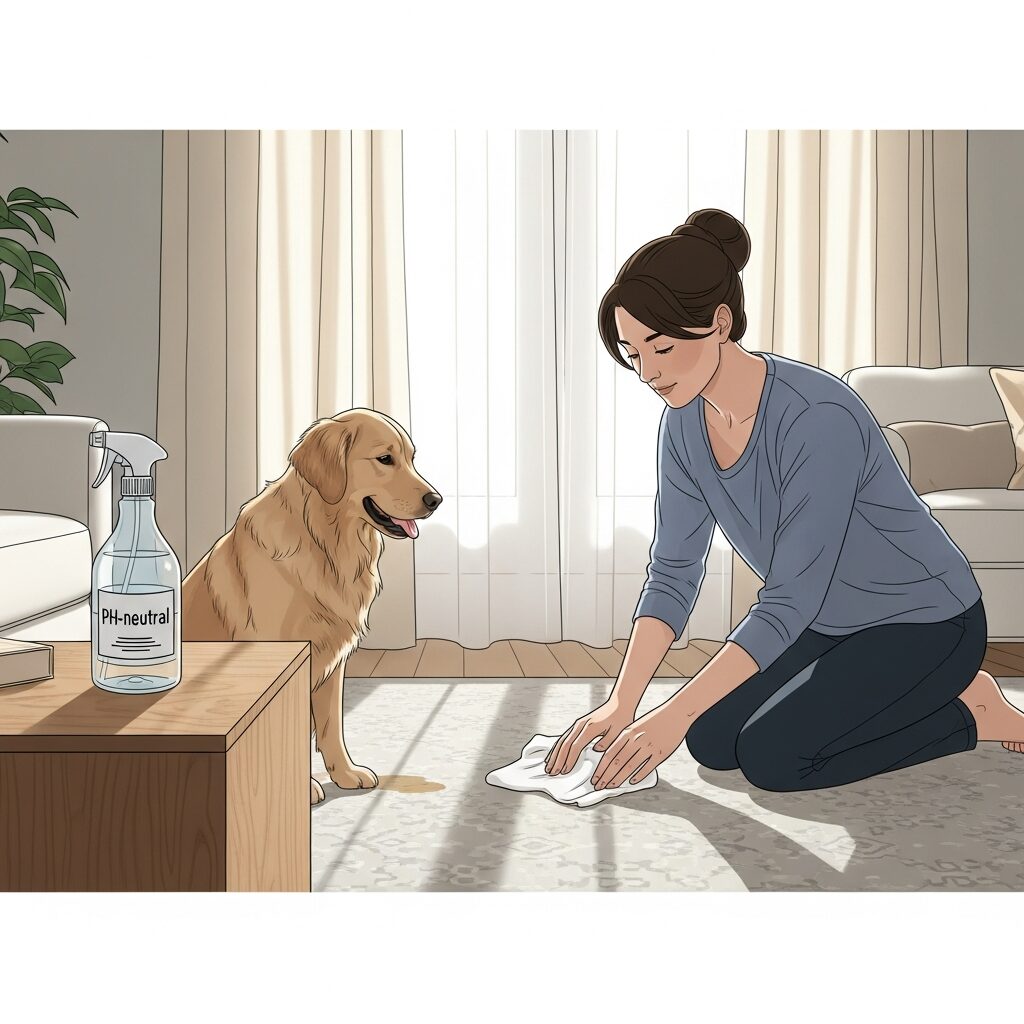
When an accident happens, speed matters. Blot immediately with a white cotton cloth and cool water. Press firmly to lift moisture rather than scrubbing, which can push contamination deeper and rough up the pile. If you have a home enzyme product labeled safe for rugs, use it sparingly and test an inconspicuous corner first. Less is more; over-wetting extends dry time and can encourage dye movement. Think of your role as stabilizing the situation. Your prompt action reduces the work needed later and minimizes the chance of lingering odor.
For solids, lift gently and blot with cool water. Avoid hot water or high-alkaline cleaners; both can set stains and distort fibers. If your rug includes silk highlights or delicate dyes—common in certain Oriental pieces—pause after blotting and consult a professional before applying anything more. A quick call can spare you from well-intended steps that complicate later treatment.
Why Odor Returns After a “Clean”
It’s a familiar story. You cleaned the spot, it looked fine, and then the smell returned a week later. What happened? The answer is almost always that the odor remained in the foundation. Surface cleaning can lift discoloration and make the pile look better, but if the base of the rug still holds crystals, they will reawaken with humidity. Professional treatment addresses this by reaching the foundation through controlled washing. Solutions are chosen to neutralize the contamination, and the rug is thoroughly rinsed so residues leave with the water. Drying under steady airflow completes the reset, preventing wicking that can bring traces back to the surface.
The Professional Process, Step by Step
Experienced cleaners begin with inspection and mapping. Under bright light, the rug is checked for multiple incident zones—because pets often revisit the same spots—along with dye testing to ensure stability during treatment. Dusting follows, which is crucial. Grit and hair trapped in the base act as barricades that keep solutions from reaching the source of the odor. Once the rug is properly dusted, targeted neutralization starts, tailored to the fiber and the incident’s age. Some situations call for an immersion wash to fully reach the foundation; others are resolved with controlled, low-moisture methods that keep delicate constructions safe. In every case, extensive rinsing carries contaminants away, and drying is managed carefully so the rug returns flat, clean, and free from lingering smell.
Grooming after the wash restores the lay of the pile so light travels evenly across the surface. This matters because uneven nap can look like discoloration even when a spot is fully neutralized. A good finish means the rug not only smells clean but also looks harmonized, with pile direction reset and texture soft underfoot.
Working with Pads and Floors
After a significant accident, evaluate the rug pad too. Pads can trap contamination and release odor even when the rug above is clean. Replacing a compromised pad gives you a truly fresh start. It also restores cushion and stability, which reduces friction on both the rug and your floor. In Sherman Oaks, many of our homes feature hardwood, and a high-quality pad is a quiet ally in keeping everything where it belongs while adding day-to-day comfort.
Preventing Repeat Incidents
Pets are creatures of habit. If a spot becomes a target, prompt, thorough neutralization is the first line of defense. Adjust the room layout temporarily so the area is a little less welcoming while the habit fades. Keep doors to rarely used rooms closed, and consider more frequent outdoor breaks during periods of training or transition. Pair these steps with gentle, positive reinforcement. A clean rug and a calm pet routine go hand in hand, and small environmental shifts often make a big difference.
Stains Versus Odors: Two Different Problems
It’s helpful to separate appearance from smell. A stain is about what you see; odor is about residues you often can’t. A rug can look fine and still harbor scent, or it can look discolored even after odor is gone because of dye shift or fiber distortion from the original incident. Setting expectations clearly leads to better outcomes. Cleaning removes what’s removable and stabilizes what remains, and sometimes minor color correction or grooming is needed to bring the visual result in line with the clean, neutral foundation you now have.
Safe Home Products and Smart Limits
Home enzyme treatments can be helpful in the first hours after an accident, but they should be used carefully. Always choose products specifically labeled for use on rugs and natural fibers if your piece contains wool. Apply conservatively and blot thoroughly. More is not better. If discoloration persists, or if odor lingers after a day or two, that is your signal to schedule professional treatment. Avoid high-alkaline cleaners, bleach, or heat; they can set stains permanently, alter dyes, and stiffen the pile.
Seasonal Considerations in the Valley
Our microclimate plays a role in how odor behaves. Dry air can make a rug seem fine for weeks, then a humid spell reactivates a scent you thought was gone. During warmer months, keep airflow steady with fans and open windows when practical. In cooler seasons, a dehumidifier can be useful after spot work to ensure the area dries quickly and evenly. These small adjustments shorten the window during which wicking and reactivation are most likely.
Frequently Asked Questions
Can pet odor really be removed from my rug?
Yes, when the treatment reaches the foundation where residues remain. Surface cleaning alone rarely solves the problem. A professional process neutralizes the contamination and rinses it away, followed by controlled drying that prevents wicking and returns the rug to a clean, stable state.
What should I do the moment an accident happens?
Blot immediately with a white cloth and cool water. Avoid scrubbing. If you use a home enzyme product, apply sparingly and test first. Then let the area dry with good airflow. If odor lingers the next day, schedule professional care to reach the source.
Will cleaning harm the dyes in my rug?
Proper dye testing and a fiber-appropriate plan protect color. The right solutions and temperatures stabilize dyes while lifting residues. Problems usually arise from rushed, generic methods or harsh chemicals. A careful approach preserves both palette and texture.
How can I stop my pet from returning to the same spot?
Thorough neutralization is step one. Then, adjust the environment briefly—move furniture, block access, or increase supervised outdoor breaks. Positive reinforcement during this period helps reset the habit. A clean slate plus subtle layout changes is often enough to break the cycle.
What about the rug pad—do I need to replace it?
If an accident soaked through, the pad likely needs replacement to eliminate lingering odor. A fresh, high-quality pad also adds comfort and keeps the rug stable, reducing wear along edges and traffic lanes.
How often should rugs be professionally cleaned in a pet-friendly home?
Frequency depends on traffic and the number of pets, but many households benefit from a regular schedule that resets fibers before soil and odor accumulate. When the rug looks dull despite vacuuming or if a room smells off after humidity rises, it’s time to call in the pros.
Restore Freshness and Comfort
If a recent mishap has left your favorite piece smelling less than welcoming, don’t settle for temporary cover-ups. Work with a local team that understands pet chemistry, fiber care, and the rhythm of Sherman Oaks living. With experienced, methodical rug cleaning, you can neutralize odor at its source and enjoy a home that feels as inviting as it looks—tail wags, purrs, and all.