
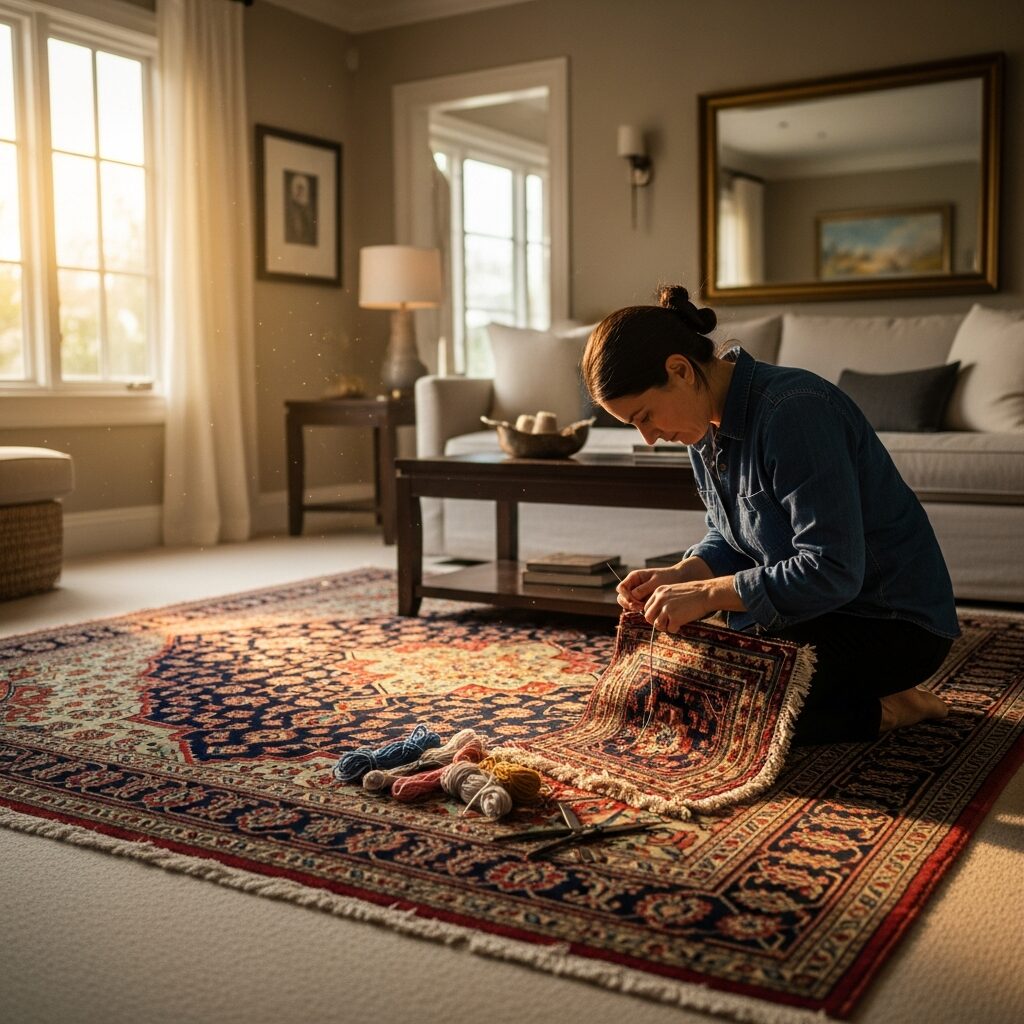
Clean, Repair, and Renew: The Complete Rug Care Approach
In Sherman Oaks, our rugs do more than cover floors—they define rooms, soften sound, and carry the color stories that make a house feel like home. Over time, traffic, sunlight, chair legs, and the occasional spill take their toll. The smartest path to longevity is a coordinated plan that pairs careful cleaning with timely repairs. When rug cleaning restores clarity and softness while repair techniques stabilize edges, secure fringes, and address worn areas, the result is a rug that lives gracefully through busy seasons without losing its voice.
Why Cleaning and Repair Belong Together
Cleaning reveals the truth about a rug. Soil hides color loss, masks minor damage, and weighs down pile. After a proper wash, details re-emerge—and so do small issues that deserve attention before they grow: a selvedge that looks fuzzy, fringe knots loosening, a corner that curls and catches, or a chair dent that won’t lift. Addressing these concerns after cleaning means we’re working on a stable, fresh foundation, where repair blends naturally into revived color and hand.
Inspection: Mapping a Rug’s Needs
Before we touch water or thread, we map the rug. We look for sun-fade lines near windows, pet hot spots, side-curl on flatweaves, prior repairs, and tension irregularities. Dye testing informs chemistry choices; fiber ID guides grooming tools. If the rug has sentimental value or a known history, we note it—context helps us choose reversible, conservative solutions. The aim is not to reimagine the rug, but to support its original intent so it can continue to anchor your space gracefully.
Dusting, Washing, and the Return of Color
Dry soil removal is essential. Dusting shakes loose the grit that abrades fibers and dulls palette. Then we wash using methods suited to construction: immersion for sturdy, colorfast pieces; controlled, low-moisture strategies for tufted or delicate rugs. Rinsing fully is critical; residues left behind attract new soil and flatten pile. As the rug dries under measured airflow, its pattern transitions from “cloudy” to articulated, and colors separate the way the weaver intended.
Edge Stabilization and Selvedge Tidy
Selvedges protect a rug’s sides. When they fray or loosen, wear accelerates and the outline loses crispness. A tidy can range from re-wrapping with sympathetic yarns to stabilizing just the compromised stretch. The goal is to halt loss, not to make the rug look newly minted. In Sherman Oaks homes with active family rooms, a modest selvedge refresh can add years of confident use and keep the visual line clean where the eye reads the border.
Fringe Care: Function and Form
Fringes are warp ends; they are structure, not decoration alone. Cleaning removes embedded soils that make them appear prematurely aged, followed by careful grooming so they lay neatly. If knots are failing or ends are brittle, we can secure them conservatively. We avoid harsh bleaching that weakens fiber; instead, we prioritize integrity. The right approach makes the fringe quietly harmonious with the field and border, rather than a bright distraction.
Patching, Re-Knotting, and Invisible Mends
When a rug has a worn spot or a moth nibble, options range from support patches under the foundation to re-knotting missing pile with fibers matched for twist, color, and sheen. Not every rug warrants a museum-level restoration, and that’s okay. The art is in matching intervention to value, use, and sentiment. For a beloved family rug in a Sherman Oaks den, an invisible mend in a focal motif may be worth doing, while a subtle support under furniture may suffice elsewhere. We discuss goals openly so the work suits the rug’s life.
Addressing Curl, Waves, and Tension Issues
Flatweaves and certain tufted rugs can curl at corners or develop waves after years on uneven pads. After cleaning, blocking the rug—gently resetting its geometry under mild, even tension—often restores a calm outline. In cases where humidity and sunlight have created minor distortions, a focused block and dry can settle the field again. The result is a rug that sits politely, reducing trip risk and visual noise.
Color Loss, Abrash, and Honest Outcomes
Cleaning can’t reverse UV-fade, but it can remove the haze that makes fade lines more apparent. We talk plainly about expectations. Persian or Turkish pieces often carry abrash—intentional or natural dye variation—that we preserve. Where a modern rug shows localized color loss from a harsh spot treatment, we may improve the transition’s look but won’t overreach with aggressive recoloring that ages poorly. Longevity and authenticity beat short-term flash every time.
Pet Accidents and Odor Within a Repair Plan
Odor control and structural repair often intersect. If a rug’s foundation absorbed pet accidents, we address that with targeted flushing or immersion washing before any stitching begins, so we’re not trapping residues. Sometimes a compromised pad or backing needs replacement to prevent recurring odor. By sequencing odor correction first, we protect both the rug and your home environment.
Home Life in Sherman Oaks and Practical Durability
Our neighborhoods are made for living—kids on the floor building cities, dogs ferrying toys from room to room, friends coming over after a hike. That’s why we pair cleaning and repair with practical advice: choose a breathable pad that won’t trap moisture, rotate twice a year to share sunlight and footsteps, and slide felt protectors under chair legs to ease pressure points. Gentle routines reduce the need for major interventions and let repairs act as quiet guardians instead of emergency measures.
Frequently Asked Questions
Below are common questions from Sherman Oaks homeowners seeking both cleaning and repair that feel natural, not heavy-handed.
How do I know if my rug needs repair in addition to cleaning?
After a thorough wash, look at edges, corners, and high-traffic lines. If selvedges look fuzzy, fringes are pulling through, corners curl, or pile has a thin spot, a small repair now can prevent larger problems. Inspection before and after cleaning helps pinpoint priorities.
Will repairs make my rug look “too new”?
They shouldn’t. Good repair is sympathetic—stabilizing structure and tidying appearance without erasing history. We match yarn type, twist, and color carefully and focus on halting wear. The goal is a harmonious result where your eye reads the design, not the fix.
Can you remove pet odors before repairing a rug?
Yes. Odor correction comes first so residues aren’t trapped. We use immersion or targeted flushing, then dry thoroughly. Once the rug is neutral, repairs proceed on a stable foundation. If pads contributed to odor, we recommend replacing them to keep results lasting.
What about a tufted rug with loose backing or waves?
We can often improve stability. Cleaning reduces residues that make latex brittle, and selective re-adhesion or support can help. For persistent waves, a careful block-and-dry resets shape. We’ll always explain options and limits based on construction and condition.
Is color touch-up ever appropriate?
Sometimes, for small, localized issues, but we prefer conservative choices. When used, inpainting should be minimal, stable, and reversible if possible. Our priority is preserving the rug’s long-term health and authentic look rather than chasing temporary perfection.
Do you provide pickup and delivery in Sherman Oaks?
Yes. We protect your home during handling, coordinate timing, and return rugs fully dry and groomed. If your home has stairs or tight hallways, we plan transport that respects the rug’s structure and your walls and floors.
Ready to Renew Your Rug
If your rug looks tired or a loose edge keeps snagging, it’s time to pair cleaning with a thoughtful repair plan. Schedule professional rug cleaning with a local team that can also stabilize edges, refresh fringe, and restore confidence to your favorite piece. We’ll do the careful work so your rug can keep telling your home’s story for years to come.