
Ask three homeowners in Sherman Oaks what goes into the cost of having a chimney cleaned and you will likely hear three very different answers. Some recall an effortless visit that wrapped up before lunch; others remember a more involved appointment with sootier surprises. Living and working here, I have come to appreciate how our microclimates, hillside streets, and eclectic home styles all play a role in what a thorough appointment requires. Before we explore the moving pieces, let us ground ourselves in the purpose: a clean, safe flue that drafts properly and supports relaxed evenings in front of the fire without lingering smoke or worry. In the pages that follow, I will explain the practical factors that shape the final scope of work so you can anticipate the process with confidence.
Early on, it helps to understand what professionals mean by a routine sweep versus a more detailed service. In many Sherman Oaks homes, a standard visit addresses seasonal creosote buildup, checks the firebox and damper, and verifies that the flue is free from obstructions. But the details vary from street to street. A flat-topped Ranch near Chandler may be straightforward, while a hillside Tudor off Valley Vista might demand additional ladder work, staging, or attention to older masonry. When you are comparing what is included, make sure you are weighing the work, not just the name of the service. For context on local providers, many residents start their search for dependable chimney cleaning with neighbors’ recommendations and a clear understanding of their own system.
Chimney anatomy matters. Whether your home has a traditional masonry chimney lined with clay tiles or a factory-built metal system tucked behind stucco makes a difference. Masonry flues can harbor uneven creosote layers between tiles and may show hairline cracks that warrant a closer look. Prefab systems have termination caps and chase covers that age differently in our sunny, occasionally windy conditions. The technician’s toolkit and time on site adjust to the configuration at hand. This is why two homeowners on the same block can have very different appointments even if they both use their fireplaces on weekend evenings.
Usage patterns also play a role. A family that burns dense hardwoods every cool weekend, relies on their fireplace during holiday gatherings, and enjoys the occasional rainy-day fire will see different creosote dynamics than someone who lights only a handful of fires each season. Wood moisture, how hot you run the fires, and whether the damper is opened fully all influence soot and creosote accumulation. Excessively cool, smoldering burns tend to leave sticky deposits that cling stubbornly to the flue. Hot, efficient burns generally leave lighter residue, though even these benefit from routine attention to maintain airflow and catch minor issues early.
Then there is the question of access. Sherman Oaks is wonderfully varied—tree-lined flats south of the boulevard give way to switchback roads where homes perch above canyons. Roof pitches differ dramatically, and so do the logistics of safely reaching the chimney crown. A one-story home with direct roof access is different from a three-story hillside property requiring ridge hooks, tie-offs, or two technicians for safe ladder handling. Responsible companies plan for proper safety measures, and that planning is built into the appointment’s scope. The aim is never to rush; it is to work carefully, keep your property protected, and complete a reliable clean.
Wildlife and weather can complicate matters in ways homeowners do not always expect. Even if you have not used your fireplace in months, small animals may find caps inviting, and wind-blown debris can settle in elbows and offsets. After Santa Ana events, we sometimes see fine particulate gather around termination points, especially where trees overhang the roofline. During a sweep, a technician will identify and remove these obstructions, and if a cap is loose, rusted, or missing mesh, they will note it. Addressing such issues is about preserving draft and preventing sparks from escaping where they should not—two safety fundamentals in any Sherman Oaks neighborhood.
Age and maintenance history of the chimney also shape the visit. Older flues may have patchwork repairs, historic mortar that has weathered under decades of sun, or smoke chambers with rough transitions that trap residue. If a chimney has not been serviced for years, the first appointment is rarely a quick in-and-out; it becomes a careful reset that prepares the system for regular attention thereafter. In contrast, homeowners who schedule maintenance annually or at the start of burning season tend to have predictably smooth visits. Establishing a rhythm is not just convenient; it brings peace of mind and helps catch subtle changes before they become larger projects.
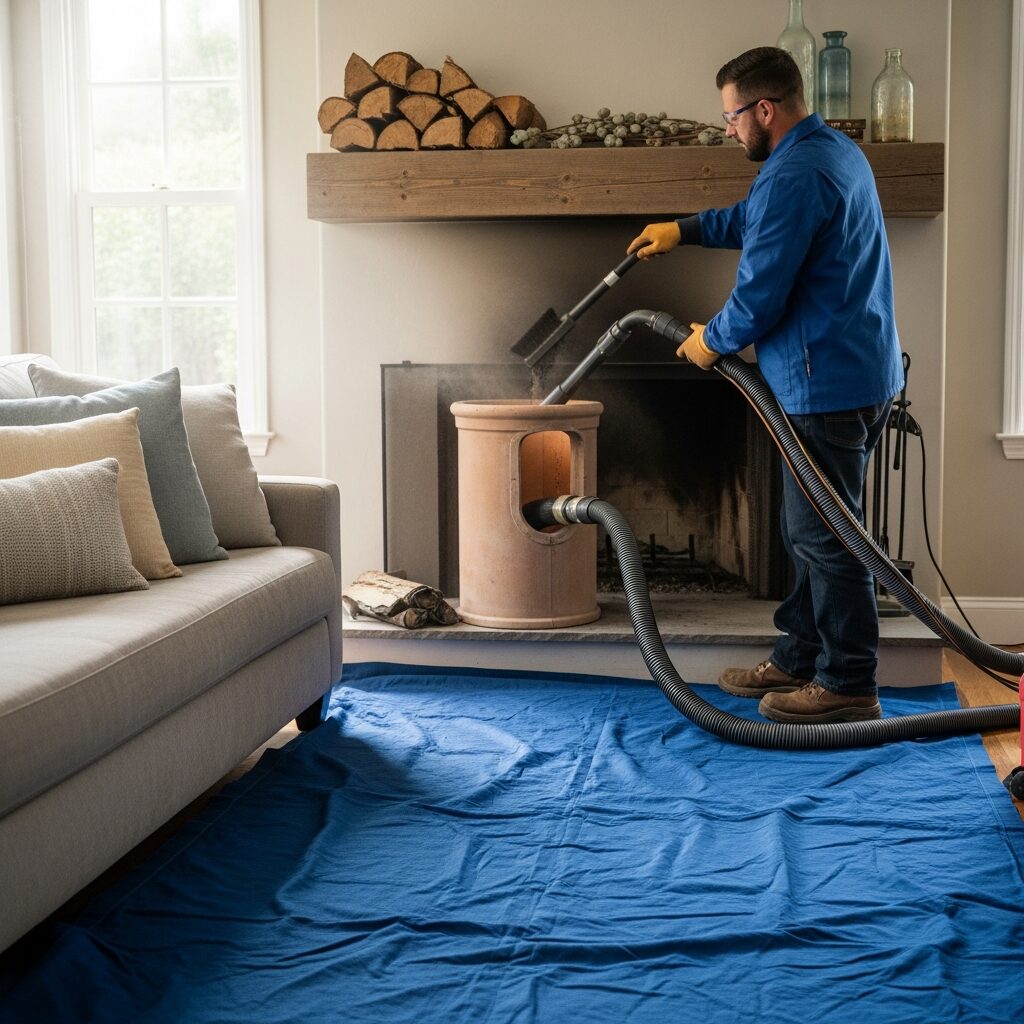
Another piece of the puzzle is cleanliness and protection inside your home. Thorough teams take time to cover nearby furnishings, set containment at the hearth, and use HEPA filtration to keep airborne particulates in check. On narrower hillside streets, they may also make decisions about equipment staging to avoid blocking neighbors or scuffing landscaping. This conscientious setup and teardown bookend the work and safeguard your living area. While it might not seem directly connected to the flue, it is part of delivering a service that leaves your home as tidy as it was found.
Once brushes and rods are in play, the technician’s technique depends on what they encounter. Powdery soot from occasional fires behaves differently than glazed creosote left by long smolders. Some residues respond quickly to traditional sweeping; others require specialized heads and carefully applied solvents to break their bond. When additional steps are needed, reputable professionals explain the why and the how in plain language, often showing photos so you can see exactly what was inside your chimney. That transparency is as important as the cleanup itself because it equips you to make informed decisions about your hearth.
Midway through many visits, questions naturally arise: How soon should we schedule the next appointment? Are there signs to watch for? Is there anything unusual about our setup? This is the ideal moment to talk through draft behavior, thermostat habits, wood storage, and seasonal patterns particular to Sherman Oaks. For example, if your home sits in a wind corridor, your cap choice matters for preventing downdrafts. If you are near dense tree canopies, leaf litter may call for a quick check before holiday gatherings. Collaboration with your technician at this stage makes the whole experience feel less like a transaction and more like a neighborhood service tailored to you. And if you are weighing options or simply want to compare approaches, you can always revisit local resources and read up on trusted chimney cleaning providers to align expectations.
While we are focusing on cleaning, it is impossible to ignore the role of inspection. Even a light sweeping should include a careful look at the firebox, damper, visible flue sections, crown, and cap. Where access allows, a camera inspection can be invaluable, especially in older homes or those that have undergone seismic activity. Minor cracks, missing mortar, or chipped tiles do not always demand immediate reconstruction, but they do deserve documentation and a conversation about long-term resilience. The goal is not to push more work; it is to understand the condition of your system and ensure it is truly ready for the season ahead.
Scheduling also influences the overall experience. In Sherman Oaks, autumn is prime time as cooler evenings return and families gear up for gatherings. That means calendars fill quickly. Homeowners who plan a month or two ahead enjoy more flexible appointment windows and less rushing to beat the first rain. On the other end of the spectrum, post-storm calls can spike when smoke odors alert people to draft weaknesses or leaky caps. Neither is wrong; life is busy. But setting a reminder to book before the rush smooths the process and keeps your home ahead of the curve.
Communication is another quietly powerful component. From the first phone call or booking form to the follow-up note with photos, clarity builds trust. If a company takes the time to explain what is included, what they may recommend once onsite, and how they will protect your space, you can weigh your options comfortably. On the day of service, you should never feel in the dark about next steps. A few thoughtful minutes of explanation can transform a technical task into a reassuring, neighborly experience.
Homeowners often ask whether they can reduce future buildups with changes to their routine. The answer is yes, and the details are practical rather than fussy. Store firewood so it stays dry, use seasoned logs, open the damper fully, and allow a good bed of coals to support cleaner combustion. If you love the ambiance of a slow, low fire, it is fine to indulge—just remember those burns produce different residues and may call for a steadier maintenance rhythm. Your technician can share tips specific to your fireplace and home layout that make a visible difference in how clean the flue stays between visits.
It is also worth highlighting how our climate influences masonry and metalwork up top. Strong sun exposure can bake crowns and chase covers, making them more prone to hairline cracking or warping. Occasional heavy downpours test flashing and caps. Together, heat and moisture cycles etch their story into your chimney over the years. Including a quick exterior check in your annual routine helps catch small vulnerabilities before they allow water intrusion, which can stain walls or produce that telltale musty smell near the hearth.
Inside the home, seals and moving parts deserve attention too. Dampers should open and close smoothly and seat properly. Firebox joints should be intact, and any decorative surrounds should remain free of soot streaks that hint at draft issues. None of these checks are dramatic, but they are the kind of thoughtful housekeeping that supports an easy, predictable fire when the mood strikes. When your chimney is maintained regularly, you feel it in the way the room warms evenly and in the absence of lingering odor the next morning.
For households with gas fireplaces or log sets, the conversation shifts slightly. There may be fewer particulates, but there is still a path for exhaust and a need to confirm clearances and ventilation. Dust, spider webs, and pet hair can accumulate around pilots and orifices, while glass doors benefit from safe, careful cleaning to prevent etching. Treating these appointments with the same care you would a wood-burning sweep brings similar peace of mind, just tailored to the appliance type.
If your home features a shared flue or multiple fireplaces, plan for a bit more time. Duplexes, ADUs, and larger residences in Sherman Oaks often bundle their maintenance into a single day to minimize disruption. Coordinating access, verifying which damper belongs to which hearth, and documenting each flue clearly keeps things organized for future reference. The binder or digital folder you keep for your home’s systems should include these notes; future you will be grateful when the next season rolls around.
Ultimately, the cost conversation in Sherman Oaks is less about a one-size-fits-all number and more about the story your chimney tells: its age, its architecture, the way your family uses it, and the environment it endures. A thorough appointment reflects that story. It brings together careful setup, the right tools, a practiced eye, transparent communication, and a shared goal of safety and relaxation. When you approach it this way, the investment feels not just sensible but satisfying—your home is ready for the moments that matter.
Frequently Asked Questions
How often should I schedule chimney cleaning in Sherman Oaks?
For most households that enjoy fires during the cooler months, an annual visit is a practical rhythm. If you burn more frequently, prefer long, low burns, or notice heavier residue, consider a check sooner. Gas fireplaces generally benefit from annual service as well, focused on ventilation and appliance components.
What signs at home suggest I should book sooner rather than later?
Persistent smoke in the room, a damper that feels sticky or does not seat, a sour or musty odor near the hearth after rain, or visible soot streaks on the surround are all cues. If a recent wind event left your yard covered in debris, it is wise to have the cap and flue checked before your next gathering.
Is every appointment the same from one house to the next?
Not in Sherman Oaks. Roof access, chimney type, usage patterns, and age all influence the work. A single-story Ranch with a simple masonry flue differs from a hillside home with a steep pitch and a prefab system. A reputable technician adapts tools and time to your specific setup and explains those adjustments clearly.
What should I do to prepare before the technician arrives?
Clear a path to the fireplace, move delicate items from the mantel, and ensure pets are comfortable in another room. If parking is tight on your street, reserving a space nearby can speed setup. The team will bring coverings and HEPA filtration to protect your home during the work.
Does cleaning include an inspection?
A conscientious service includes a basic inspection of readily accessible areas and notes any concerns found during cleaning. If your chimney is older, has a history of issues, or has experienced seismic activity, you may benefit from a more detailed camera-assisted look. The technician should explain findings and options without pressure.
Will cleaning eliminate smoky odors?
Often, yes, especially if creosote buildup or light obstructions were contributing. However, odors can also stem from moisture intrusion, poor draft, or a missing cap. A thorough evaluation pinpoints the source so that any lingering smell can be resolved rather than masked temporarily.
Ready to enjoy a safer, cleaner hearth?
If you are looking to schedule or simply want to talk through your fireplace’s unique story, reach out to a trusted local team. We will walk the roofline, protect your interior, and leave you with clear photos and practical guidance for the season ahead. When you are ready to take the next step toward dependable warmth, book professional chimney cleaning and feel the difference the very next time you light a fire.