
When neighbors in Sherman Oaks start planning for fireplace season, the same question pops up again and again: what goes into the figure behind chimney cleaning for a typical Valley home? It is a fair question, and the most helpful answer breaks down the work and the variables so you can understand the value behind a thorough service. Speaking as a local who has seen flues from hillside ranches above Valley Vista to remodels just off Ventura, I can tell you that no two chimneys collect residue in exactly the same way. That is why professionals don’t quote blindly; they consider your system’s specifics, your roofline, and your use. If you prefer to start with a dependable, well-reviewed option, begin your research with a team known for careful chimney cleaning and clear communication with Sherman Oaks homeowners.
Let’s talk about the system itself. A flue lined with terra-cotta tiles behaves differently than a stainless-steel liner attached to a modern insert. Older masonry flues may include tight offsets or a smoke chamber that narrows quickly, both of which can affect how residue accumulates and how a brush navigates the path. Newer systems can be more predictable but still benefit from a technician who understands how to pair tools with the appliance type. The materials inside your chimney—and the route they take upward—are a primary factor in planning the visit length and approach.
The next variable is the nature of the buildup. Not all creosote is created equal. Flaky deposits are typically easier to remove and result from well-seasoned wood and strong draft. Shiny, glazed deposits tell a story of smoldering fires, damp fuel, or restricted air. They cling more stubbornly and can require specialized methods. A seasoned pro evaluates what is present and explains the plan in everyday language, so you understand why certain steps are necessary.
Accessibility matters as well. Sherman Oaks homes can present steep roofs, complex multi-level designs, or ivy and landscaping that complicate exterior access. A conscientious team will assess roof pitch, safe tie-in points, and how to protect the property while working. Inside, they will look at the path from the entry to the hearth, how to safeguard floors and furnishings, and how to contain dust and soot for a clean process. The more thoughtful the setup, the smoother the visit.
Usage history has a story to tell. If the fireplace has been a favorite gathering spot every weekend, a bit more residue is to be expected. If it sat idle for a few seasons, there may be nesting material near the top or a damp odor lingering in the flue. Either pattern shifts the scope of the job. Local winds, rain events, and even nearby tree cover also influence what a technician encounters. Our Santa Ana winds can rattle caps and nudge debris into places it does not belong, while a rainy winter can reveal small vulnerabilities in crowns and mortar joints.
Then there are the add-ons people ask about because they impact performance: caps to keep out weather and wildlife, top-sealing dampers to improve energy efficiency, or minor smoke chamber smoothing to help exhaust move freely. While these are not part of a basic cleaning, they are frequently discussed during a visit because they affect how your system breathes and how clean it stays between services. A trustworthy pro will explain options without pressure and help you decide what fits your home and habits.
Timing across the calendar is a subtle factor too. Late summer and early fall are the most popular windows for service, and schedules naturally get busier then. Off-peak times can offer more flexibility for booking and may allow for longer appointment windows when more complex work is needed. Regardless of the month, the quality of the work is what truly matters, and that quality shows in the way a technician preps the space, protects your belongings, and documents what they find.
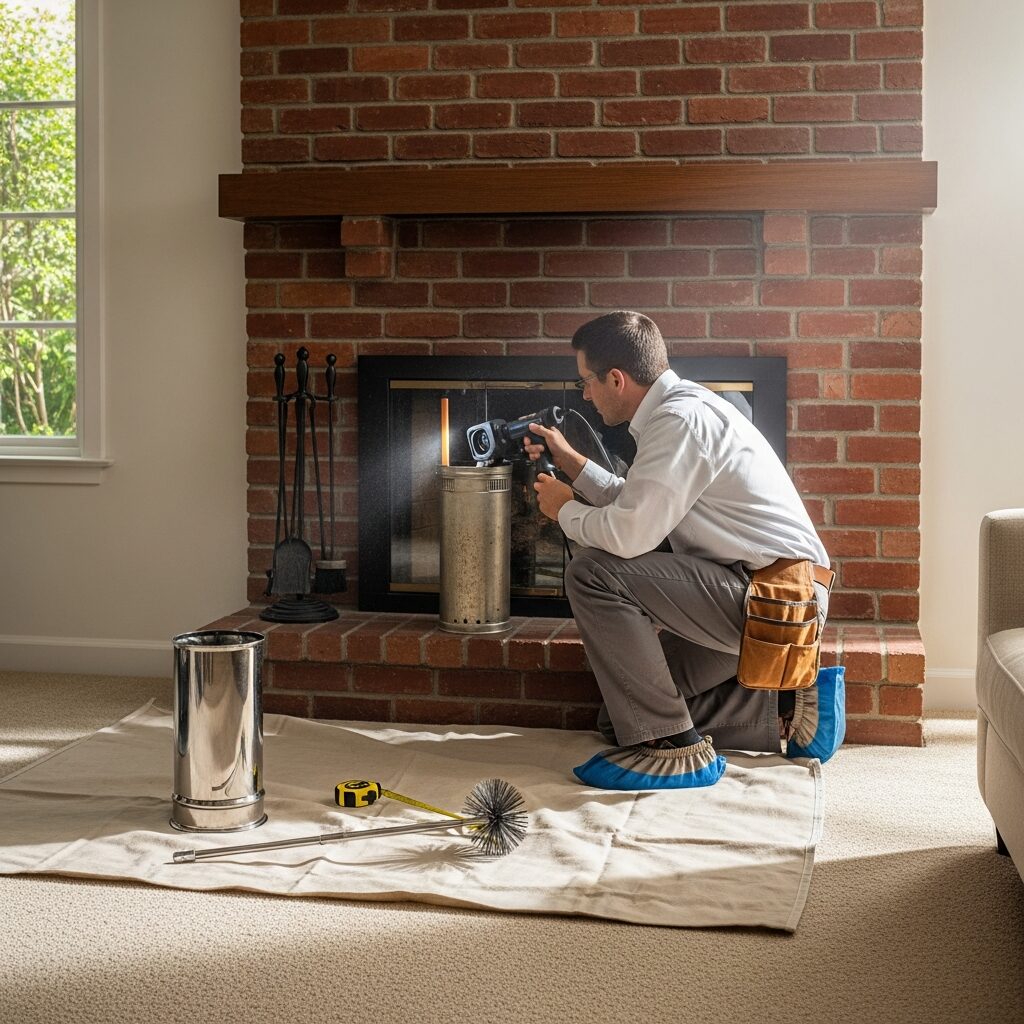
Homeowners sometimes wonder how a visit unfolds from arrival to wrap-up. A polished experience starts with a friendly check-in at the door, shoe covers, and canvas or plastic coverings laid out from entry to hearth. The technician sets up a sealed vacuum to keep fine particulates contained, then brushes the flue and smoke chamber methodically. They may use cameras or mirrors for a closer look inside the system. Afterward, they review photos, point out areas worth watching, and provide practical tips—like choosing seasoned hardwoods, warming the flue on cold mornings, and ensuring logs have enough airflow for complete combustion.
There is also the difference that true local experience makes. Sherman Oaks properties range from post-war bungalows to new builds that tie traditional hearths into modern mechanical systems. A pro who works here every week knows the quirks of each style and anticipates what to look for: a hairline crack on a sunbaked crown, a damper that sticks after a windy week, or a cap whose screen is about ready for a refresh. That anticipation saves time and keeps small issues from turning into seasonal frustrations.
From a homeowner’s perspective, transparency is the foundation of a positive experience. You deserve to know what will be done, what was found, and what should be considered down the road. Skilled sweeps bring you into the process with clear explanations and a tidy workspace that leaves your living room as clean as they found it. Around the midpoint of your planning, when you are comparing options or looking for a reliable schedule, it is wise to consider a local specialist in professional chimney cleaning who works across the Valley and understands Sherman Oaks homes inside and out.
Preparation on your end can also make the day smoother. Clearing the immediate area around the hearth, moving delicate items from the mantel, and ensuring an open path from driveway to door help your technician get right to work. If you have questions about your fireplace’s history, jot them down before the visit so you can discuss them when the technician reviews findings. These small efforts go a long way toward a focused, efficient appointment.
Some residents wonder whether a gas fireplace needs the same attention as a wood-burning unit. While gas produces less residue, vents still gather dust, insects, and minor byproducts, and the appliance itself has components that benefit from inspection. Viewed through the lens of value, taking care of all your hearth systems together makes sense: they share the same roofline weather, the same wind patterns, and the same need for a clear, well-functioning exhaust path.
Finally, there is peace of mind—a benefit that is hard to quantify yet easy to feel. When you light the first fire of the season and the flame draws steadily, the room warms nicely, and the glass on your insert stays clear, you feel the result of clean passages and tuned airflow. That feeling is why homeowners schedule regular care and stick with technicians they trust year after year.
Frequently Asked Questions
What influences the scope of a chimney cleaning in Sherman Oaks?
The chimney’s design and materials, the type and amount of residue, roof and interior access, and how often the system is used are the big drivers. Local weather and surrounding trees can also play a role.
Is there a best time of year to schedule?
Late summer and early fall are popular because they set you up for the cooler months. That said, any time you notice smoke spillover, odors, or a long gap between burns, it is wise to schedule sooner.
Do gas fireplaces benefit from a cleaning visit?
Yes. Gas systems accumulate minor byproducts and dust, and their vents, caps, and components still need inspection to maintain safe, efficient operation.
What should I have ready for the appointment?
Clear a few feet around the hearth, remove fragile items from the mantel, and provide access to the driveway or entry. If pets are in the home, plan a quiet space for them during the visit.
Will the technician go on the roof?
Often, yes. A thorough visit includes checking the cap, crown, flashing, and visible exterior sections, especially after windy or rainy seasons that can stress those components.
How long does a typical visit take?
Duration varies with system complexity and residue levels. Your technician will give a reasonable window when booking and refine that estimate after a quick on-site assessment.
When you are ready to enjoy quiet, confident fires all season long, choose a local team known for tidy setups, thoughtful explanations, and reliable results. Reach out today to book a convenient appointment and schedule your chimney cleaning before the next cool wave drifts through the Valley.