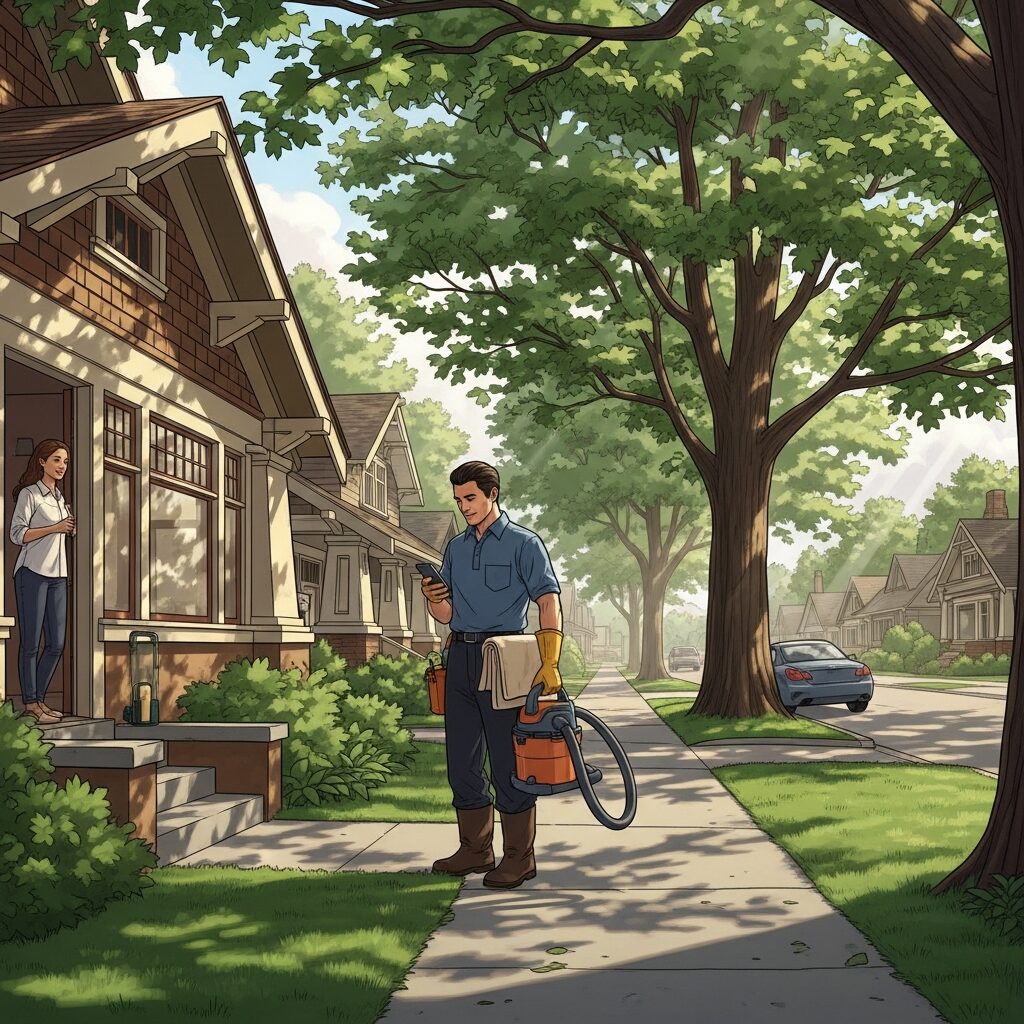
In Sherman Oaks, trust is built one appointment at a time. I have spent years walking into living rooms from Magnolia Woods to the hills above Valley Vista, laying down clean drop cloths, and listening carefully to what homeowners want most: safety, clarity, and a job done with respect for their home. “Trusted” is a word people use loosely, but in our neighborhood it still means something. It is the technician who texts before arrival, the crew that parks considerately on a narrow hillside street, and the team that protects a handwoven rug as if it were their own. When you search for a dependable partner for chimney cleaning, these are the details that add up to comfort and confidence.
What “Trusted” Looks Like in Day-to-Day Practice
Trust starts with preparation. A reputable crew arrives on time with clean drop cloths, a high-filtration vacuum, and the right brushes for your specific flue dimensions. They introduce themselves, confirm your goals for the visit, and walk you through the plan. You should see boot covers at the door and careful handling of furniture around the hearth. If your home sits on a slope—and many Sherman Oaks properties do—they will secure ladders thoughtfully, taking care with tile roofs and skylights. The workspace stays organized, and communication remains clear from the first knock to the final handshake.
Trusted service also means explaining what you cannot easily see. A good technician takes photos along the way, pointing out the smoke shelf, the damper, and the areas where soot tends to gather. If they notice loose mortar in a masonry system or a shifted chase cover on a prefab unit, they will show you exactly what they mean. When a homeowner understands the “why” behind each recommendation, decisions feel straightforward rather than stressful.
Local Knowledge You Can Feel
Sherman Oaks has a personality shaped by geography and architecture. Some homes boast original midcentury masonry fireplaces. Others feature newer, factory-built units installed during remodels. A trusted team recognizes the difference and treats each style on its own terms. In the hills, roof access can be challenging, so safety and staging come first. Near the boulevard, where mature trees abound, caps and screens may collect more leaves and twigs after blustery days. From sunny patios that funnel wind to shaded backyards that hold onto moisture, the nuances of your lot inform how a technician approaches inspection and cleaning.
Then there are our seasonal rhythms. The first cool snap brings a rush of appointments. Windy weeks can leave caps ringing with debris. Damp spring mornings can reveal odors in fireplaces that have not been serviced since the holidays. A truly local provider helps you plan around these cycles, recommending dates and intervals that keep your fireplace ready when you need it most.
From the First Call to the Final Report
You can feel the difference with the first conversation. A trusted company answers the phone with friendly competence, confirms details of your home, and proposes a window that respects your schedule. On site, they will protect your floors, brush and vacuum the flue using methods appropriate for masonry or metal liners, and verify the damper and firebox are in good working order. If you have a gas fireplace, they will clean dust, check the pilot and thermocouple, and arrange the media so flames present evenly.
Documentation closes the loop. You should receive clear, readable notes and, where possible, images that highlight what was done and any areas to keep an eye on. These records are invaluable for insurance, real estate transactions, and your own peace of mind. They also serve as a maintenance diary, making it easy to schedule follow-ups at sensible intervals rather than guessing.
Safety Is the Heart of Trust
At its core, trusted service is about safety—yours, your family’s, and your home’s. That means controlling dust with the right filtration, confirming that the flue is clear and drafting well, and verifying that components such as caps, chase covers, and dampers are seated properly. It also means giving honest, plain-language feedback. If something can wait, a good technician will tell you. If something deserves timely attention, they will explain why, show you photos, and help you prioritize.
In Sherman Oaks, we also think about wind. A cap that looks fine on a still day may struggle when Santa Ana gusts gather speed. Downdrafts can push smoke back into the room, and the solution might be as simple as a different cap design or a small change in termination height. Local teams have seen these patterns house to house and can offer targeted, real-world fixes rather than guesswork.
What to Expect During the Visit
Expect a courteous walkthrough, tarps where they are needed, and quiet professionalism. Brushes matched to your flue size, flexible rods for offsets, and a vacuum built to capture fine particulates are hallmarks of a well-equipped crew. The process is methodical: protect, inspect, clean, verify, and document. Your living space should feel as clean as when the team arrived—often cleaner, because they leave the hearth tidied and the glass on gas units sparkling.
Communication matters as much as technique. You should never feel rushed or talked over. When you have questions—about draft, odor, or the advantages of a cap upgrade—the answers should be crisp and specific to your home, not canned or generic. The best teams treat education as part of the service, making you a more confident homeowner with every visit.
When to Schedule in Sherman Oaks
Late summer and early fall are excellent times to get ahead, avoiding the seasonal spike when the first cool evenings arrive. Spring appointments help clear post-holiday soot and keep odors at bay during damp weather. If you have recently moved, or if you cannot recall the date of your last service, consider putting an appointment on the calendar now and building a simple annual rhythm from there. Many families here set a reminder right after school starts or around the first Santa Ana winds, tying the habit to cues we all recognize.
At the practical level, it is wise to schedule chimney cleaning before a planned gathering, renovation, or roof project. Coordinating with other home services—HVAC, painting, tree trimming—reduces surprises and helps everyone do their best work without stepping on each other’s toes.
Red Flags to Watch For
Trust is reinforced by what you see—and what you do not. Be cautious if a provider rushes through the walkthrough, offers vague answers, or seems reluctant to show photos. A lack of floor protection, mismatched tools, or evasive communication can be early indicators that standards are not what they should be. Conversely, a team that explains recommendations clearly, invites your questions, and provides thorough documentation is signaling that they value long-term relationships over quick transactions.
Another red flag is indifference to local realities. If a provider dismisses concerns about wind, nearby trees, or hillside access, they may not have the neighborhood experience you want. Sherman Oaks homes, with their range of rooflines and materials, reward those who plan carefully and adapt to the site.
Frequently Asked Questions
Over the years, certain questions come up again and again. Here are practical answers grounded in daily work around Sherman Oaks.
How long does a typical appointment take?
Most visits fit comfortably within a morning or afternoon window, allowing time for careful preparation, cleaning, and a thorough wrap-up with photos and notes. Complex access or unusual flue geometry can add time, but clear communication keeps expectations aligned.
Do I need to be home?
It is helpful to be present at least for the initial walkthrough and the final review, so your questions are addressed and you fully understand any recommendations. Many homeowners schedule during a work-from-home day for convenience.
Will the process be messy?
Properly done, no. High-filtration vacuums capture fine particulates as they are dislodged, and clean drop cloths protect floors and furnishings. When the team leaves, your hearth area should be tidy and your living room dust-free.
What if I have a gas fireplace?
Gas units need periodic attention, too. Dust and lint can affect flames and odors, and spider webs can interfere with pilots. A good visit will include cleaning, visual inspection, and verification that controls and safety features operate as intended.
Why are caps and screens so important here?
Between seasonal winds and mature trees, caps and screens do a lot of quiet work. They keep animals and debris out, help control embers, and support stable draft. In many homes, cap condition is a make-or-break detail for everyday enjoyment.
Can I coordinate service with other home projects?
Absolutely. Let your provider know about roof, solar, painting, or tree work. Coordination avoids conflicts, protects new materials, and ensures safe access.
What if the technician finds something unexpected?
Good documentation is your friend. Clear photos and simple explanations help you decide next steps without pressure. In many cases, small fixes can be scheduled promptly to prevent minor issues from growing.
Ready for a Reliable Local Partner?
If you have been searching for a team that communicates clearly, respects your home, and stands behind its work, now is a great time to get on the calendar. Plan ahead, ask questions, and expect thoughtful care from start to finish. When you are ready, book your next chimney cleaning and enjoy the comfort that comes with a trusted local relationship.