
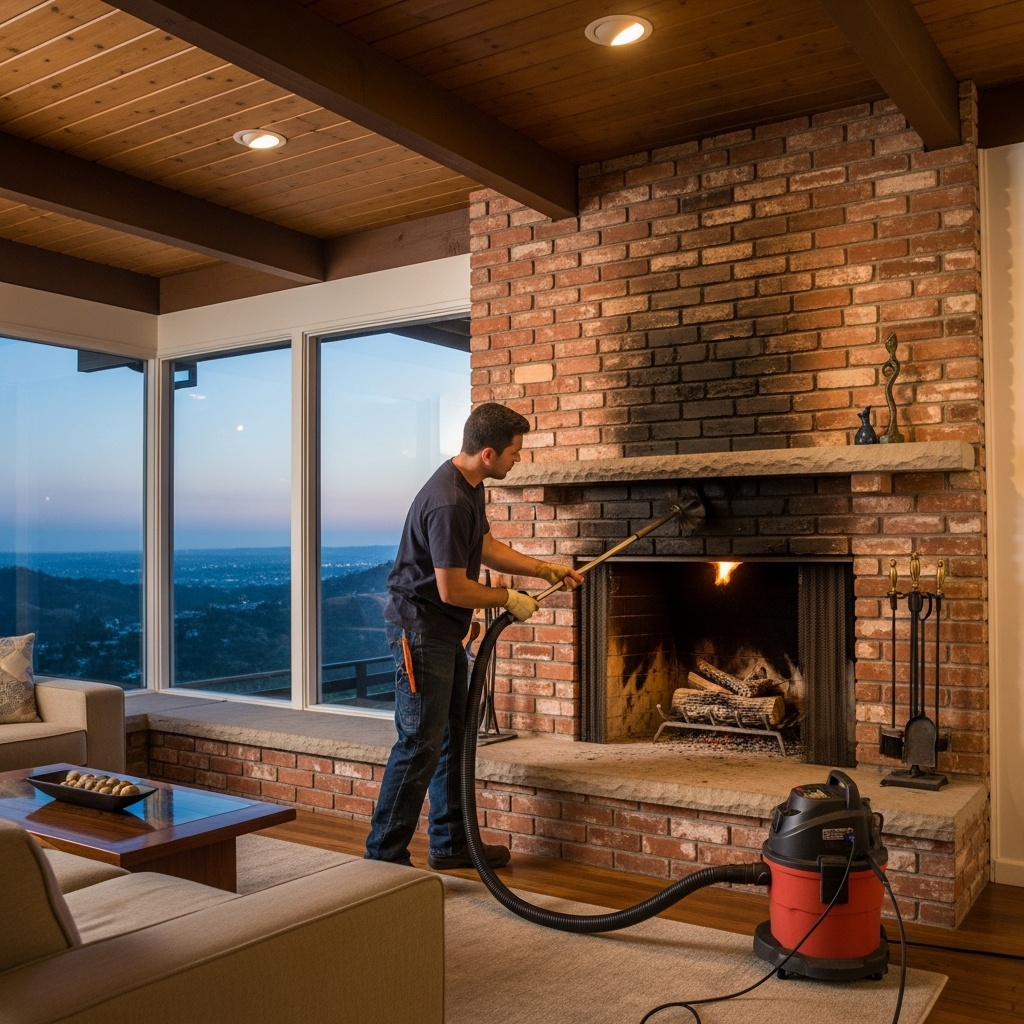
On a crisp evening in Sherman Oaks, when the coastal fog hangs low beyond the hilltops and the Valley settles into that familiar calm, there is nothing quite like the glow of a fireplace. Around here, a hearth is more than a feature; it is a companion to the neighborhood’s mid-century charm, ranch-style homes, and canyon-view townhouses. Yet the comfort of a fire only lasts when it is built on care. That is why homeowners across Sherman Oaks put genuine attention into the health of their chimneys and fireplaces, and why scheduling professional chimney cleaning is not just routine maintenance but a smart investment in safety, comfort, and the longevity of a home.
Living in the Valley means we experience a unique blend of conditions. Santa Ana winds can tear through the canyons, summer heat bakes the rooftops, and the occasional winter storm sneaks in off the Pacific. All of that affects a chimney’s masonry, liner, and cap, and it changes how a fireplace behaves. If you have ever noticed a lingering smoky smell on a dry, windy day or a stubborn draft that seems to pull smoke into the room, you have seen the way our microclimate in Sherman Oaks shapes fireplace performance. Understanding those patterns—and keeping the system clean—helps your fireplace work the way it should, without surprises or risks.
Many people assume that if they do not burn wood frequently, they do not need to worry much about maintenance. But even gas logs can leave behind residue, and the brick, mortar, or metal flue that carry combustion byproducts out of your home are constantly exposed to heat and moisture. Over time, creosote builds up in wood-burning systems, and fine soot and debris accumulate in gas systems as well. Both can reduce draft, increase the chance of odors, and, in the case of creosote, raise the risk of a dangerous chimney fire. The solution is not complicated; it is consistent inspection and cleaning tailored to how you live and the specifics of your home and neighborhood.
The Sherman Oaks Setting: Climate, Wind, and the Way Chimneys Age
Every community develops its own relationship with the fireplace. In Sherman Oaks, that relationship is defined by wide temperature swings, dry seasonal winds, and the occasional blast of wildfire smoke from across the region. Dry air accelerates the hardening of creosote and can encourage the formation of the glazed, stubborn layer that clings to flue tiles when fires burn hot and fast. Meanwhile, periods of poor air quality and inversion layers in the Valley can influence draft, especially in homes where nearby trees, rooflines, and neighboring structures create wind eddies and downwash along the roof.
Chimneys here are also tested by heat and UV exposure. A crown that looks sound after the rainy season can show hairline cracks by late summer; mortar joints can open slightly and then wick in moisture during a brief storm. Even small defects have a way of growing when hot gases rush past them repeatedly. Those same joints and bricks expand with heat from the first fires of the season and contract in the cool nights, and any soot or creosote present can absorb moisture and foster acidic conditions against the masonry. The outcome is predictable unless you intervene with cleaning and routine care: stains on the exterior brick, a persistent campfire odor in the living room, and in the worst case, hidden damage along the flue liner.
Fire Safety Starts with a Clean Flue
Ask any local firefighter and they will tell you that chimney fires do not always start with a dramatic whoosh. Sometimes they smolder in a pocket of creosote and send sparks up through a cap, and sometimes they ignite with a roar that sounds like a freight train. In either case, the root is often the same—flammable deposits inside a space meant only to pass hot gases. The more fuel you provide inside the flue, the greater the chance it can ignite. Cleaning removes that fuel. It also reveals cracks or gaps that could allow heat and flames to migrate into framing or the attic, particularly in older homes where renovations may have added insulation or changed airflow patterns.
Safety is not just about fires. A neglected chimney can make a home uncomfortable in subtle ways. Smoke that struggles to rise meets resistance, and that resistance encourages soot to settle back into the firebox and the room. Carbon monoxide, a colorless and odorless gas, can slip into living spaces if a liner is compromised or the draft is inadequate. These are not everyday occurrences, but in the balance of risk and comfort, a clean and inspected chimney drastically tilts the odds in your favor.
Efficiency, Comfort, and the Pleasure of a Fire that Burns Right
There is a satisfying crackle that comes from dry, seasoned wood in a clean fireplace. You see it in the bright flames, you hear it in the steady draw, and you feel it in the warmth that radiates without a cloud of smoke hanging over the room. A clean system drafts more efficiently, because the airflow is unobstructed. That means fewer smoky starts, less glass haze on gas-logs enclosures, and more consistent flames. When the flue is free of deposits and the damper seats properly, the entire system cooperates. The result is a fire that burns hotter and cleaner while sending fewer particulates into the neighborhood air and your living room.
Efficiency has another dimension in Southern California households: indoor air quality. We run HVAC systems many months of the year. A fireplace that sheds soot or odors can quickly circulate that contamination throughout the home when the central fan is on. Clean chimneys help keep the rest of the house cleaner. They also prevent the subtle energy penalty of a damper that cannot close properly because of debris or deformation, which allows heated or cooled indoor air to escape up the flue even when the fireplace is not in use.
Protecting Property Value and Extending the Life of Your Chimney
Chimneys are hardworking assemblies, and they are integral to a home’s curb appeal. Brick spalling, crown cracks, damaged caps, or stained stucco on a factory-built chase can diminish both aesthetics and function. Regular cleaning keeps the system in a condition where problems can be spotted early. For example, a small crack in a clay tile liner that is visible after a cleaning might be missed under layers of soot. Catching it early avoids more complicated repairs later. For metal-lined chimneys, removing corrosive deposits limits pitting and extends the life of the liner.
In a market like Sherman Oaks, where buyers look for well-maintained homes and where earthquake retrofits and roof condition are already high on the list, a documented record of regular chimney care is persuasive. It signals that the fireplace is not an afterthought and that the home has been responsibly managed. And when a storm does blow through or an earthquake rattles the Valley, a clean, inspected system rebounds better because minor vulnerabilities were already addressed.
Wood, Gas, and Everything Between: Why All Systems Benefit
There is a persistent myth that gas fireplaces need no maintenance. While gas burns cleaner than wood, it still produces byproducts that can settle in venting. Glass doors haze over, spider webs and dust can collect in air passages, and burners can suffer from incomplete combustion if soot accumulates. Factory-built units, in particular, rely on specific clearances and intact gaskets to keep everything safe and efficient. Cleaning and inspection confirm those conditions. For wood-burning fireplaces, especially those occasionally fed with unseasoned wood, cleaning is nonnegotiable. Stoves and inserts benefit as well, though their design and venting require a slightly different approach that a professional will tailor to the appliance and home.
What Professional Cleaning Looks Like
While the techniques vary, the general approach to chimney cleaning in Sherman Oaks balances thoroughness with protection for the home. Floors are covered, the firebox is prepared, and specialized brushes are used to dislodge soot and creosote. In many cases, video inspection tools document the interior of the flue, so the homeowner can see the condition firsthand. The cap, crown, flashing, and exterior masonry or chase are also examined. Ash and debris are contained with high-efficiency vacuums designed to keep fine particles from escaping into the living area. The process is part prevention, part diagnosis, and part education, with the homeowner gaining insight into how to operate the fireplace more effectively.
As a neighborhood fixture, I have seen more than a few cases where a small, easy-to-correct issue was discovered during routine service and saved a homeowner from a much larger headache. A bird had nested under a cap that looked intact from the yard; a damper handle had loosened and no longer closed properly; a tight bend in a flue had encouraged bake-on deposits that did not look like much until a brush and camera revealed their extent. Mid-Valley homeowners who prioritize regular chimney cleaning tend to enjoy calmer winters and stress-free evenings because these discoveries happen before the first celebratory fire of the season.
Local Considerations: Codes, Restrictions, and Wildfire Season
In the greater Los Angeles area, including Sherman Oaks, seasonal air quality advisories and wildfire smoke events can influence when and how you use a fireplace. While most city codes focus on construction and safety, common-sense practices apply during Red Flag conditions. Chimney caps with spark arrestors are essential to reduce ember release, and keeping the flue clear means you are not adding to neighborhood smoke levels with a smoldering, inefficient burn. In older homes, especially those that have seen multiple remodels, verifying clearances to combustibles and ensuring that any installed gas log sets are compatible with the existing fireplace structure are equally important. A clean system makes those checks easier and more reliable.
How to Know It’s Time
The signals are usually there if you know how to read them. A faint sooty smell after a warm day can point to deposits in the flue that are absorbing and off-gassing odors as temperatures fluctuate. Streaks on the chimney exterior may indicate moisture interacting with soot inside. Smoke that hesitates to rise, or a tendency for the fire to blow back when a gust hits the roofline, can reflect a partial obstruction or heavy buildup. Even if you seldom use the fireplace, nests, leaves, and debris can accumulate through the cap during our windy months. And if you are moving into a new home or have completed a remodel, a clean baseline inspection ensures your fireplace is ready for use when you want it.
Preparing for a Service Visit
Homeowners often ask how to prepare. The short answer: not much is required. It helps to remove fragile items from the mantel, clear a bit of space in front of the hearth, and avoid using the fireplace for at least 24 hours beforehand so that everything is cool to the touch. If you have questions about specific odors, drafts, or unusual performance, jot them down so you can discuss them on site. A good technician appreciates those details and will use them, along with what they see, to tailor recommendations.
Peace of Mind for the Season Ahead
The best reason to keep your chimney clean is also the simplest: it lets you enjoy your home. A crackling fire on a December night, a soft glow on a rainy Sunday afternoon, or even the quiet presence of a gas flame during a family gathering—these are moments you do not want shadowed by worry. Staying ahead of maintenance creates that ease. For longtime residents who remember the El Niño winters and the hot, dry autumns, it becomes part of the seasonal rhythm to schedule service before the first real cold snap. Doing so means your fireplace is not merely decorative, but reliable.
FAQ: Answers from a Local Perspective
Q: How often should a Sherman Oaks homeowner schedule cleaning? A: Frequency depends on use and fuel, but an annual inspection is the standard starting point. If you burn wood regularly during winter, cleaning is typically recommended once a year, sometimes more often if fires are frequent or if you occasionally burn unseasoned wood. For gas fireplaces, an annual check keeps the venting and components in good order.
Q: I rarely use my fireplace. Do I still need service? A: Yes, because wind, dust, and wildlife do not take a break just because you light a fire only on holidays. Debris can obstruct the flue, and seals and dampers still age. An annual or biannual inspection ensures safety when you do decide to enjoy a fire.
Q: What are the signs of a problem? A: Persistent smoky odors, difficulty starting or maintaining a draft, visible soot streaks at the fireplace opening, black staining on the exterior, and rattling or damaged caps are all warning signs. Any popping or roaring sound in the flue during a fire should be treated as urgent—extinguish the fire and call a professional.
Q: Does cleaning make my fireplace more efficient? A: Absolutely. Removing deposits restores proper airflow, helps fires burn cleaner and hotter, and reduces the particulate matter that can cloud your living room and your glass doors. It also helps the damper seal more completely when not in use.
Q: Are there special considerations after a remodel? A: Yes. Changes to a home’s ventilation—like a new range hood, tighter windows, or a whole-house fan—can alter draft dynamics. A post-remodel inspection verifies that your fireplace and venting still perform safely with the updated airflow.
Q: What about wildfire season? A: Install and maintain a cap with a spark arrestor, keep the flue clear for better combustion, and be mindful of air quality advisories. A clean system minimizes smoke and reduces ember risks when conditions are dry and windy.
Ready to Enjoy Your Fireplace with Confidence?
If it has been a while since you last had your system checked, there is no better time than now. A brief visit today can set you up for a season of safe, satisfying fires when the evenings cool and friends gather. Reach out to schedule expert chimney cleaning and take the guesswork out of your next cozy night in. Your home, your family, and your peace of mind are worth it.