
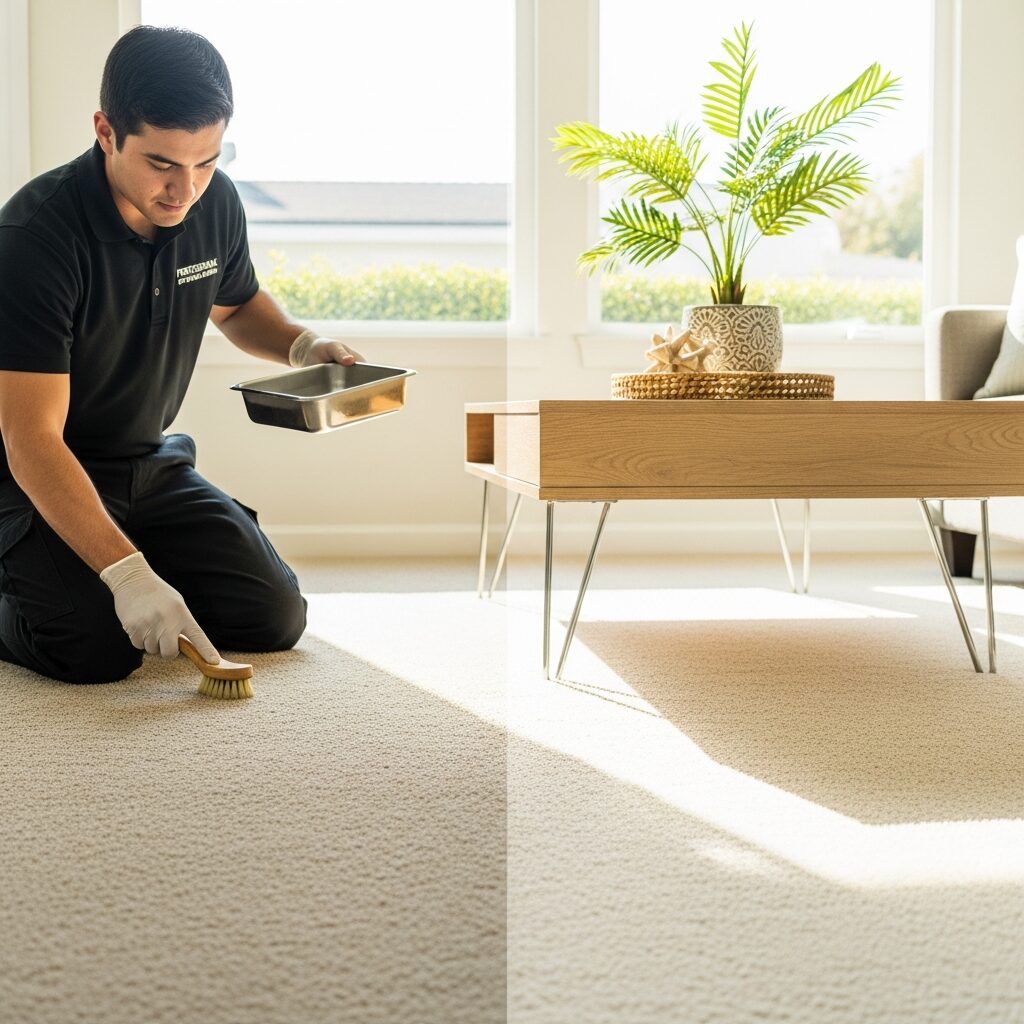
Walk through any Sherman Oaks home and you’ll see carpets that have lived full, happy lives—movie nights, birthday parties, pet zoomies, and quiet Sunday mornings with sunlight pooled across the floor. With that life comes a predictable set of cleaning challenges. Understanding those issues, their causes, and the smartest responses saves frustration and preserves the look and health of your spaces. From recurring spots to filtration lines, the most common problems are solvable with calm technique and a dash of local insight. Along the way, a cadence of professional carpet cleaning helps keep persistent troublemakers from taking root.
Let’s start with the complaint homeowners mention most: a spot that seems to vanish after cleaning and then reappears days later. That exasperating return is usually wicking. Liquids migrate downward into the backing or pad at the moment of the spill. When you later attempt to clean the surface, you remove what you can see, but as the area dries, the deeper portion travels back up the fibers and shows itself again. Preventing wicking is all about moisture control—limited application of solution, thorough blotting, and forced airflow during drying. For older spills, a deep flush and extraction, followed by weighted drying with clean towels, can stop the cycle.
Residue and rapid re-soiling
Another frequent culprit behind dingy-looking areas is detergent residue. Many consumer spotters and rented machines leave behind sticky films if they’re not rinsed completely. Those films act like magnets for fresh soil, so what looks clean today can look worse within a week. The solution is twofold: use the minimum effective chemistry and always follow with a clear-water rinse and diligent blotting. In professional service, balanced preconditioners and high-flow rinsing, combined with careful heat and airflow, reduce residue to near zero, which in turn extends the fresh look and feel of your carpet.
Over-shampooing with too little extraction creates a similar problem across entire rooms. The carpet may feel crunchy as it dries, and within days, traffic lanes gray faster than before. If this happens, the fix is a corrective rinse using water and mild acidic solution to neutralize and remove leftover detergents. You’ll often see the plushness return once residues are gone and fibers can release and realign naturally.
Traffic lanes that won’t brighten
Hallways and family room pathways carry the weight of daily life. The combination of fine grit and body oils creates a film that binds to fiber surfaces, making those lanes appear dull even after routine cleaning. In Sherman Oaks homes with open-plan layouts, these pathways often run past kitchens, where cooking oils join the mix. A targeted pre-treatment that breaks down oily soils, followed by thorough rinsing and brushing, can restore brightness. Persistently dark lanes sometimes reflect actual fiber wear—light can’t reflect well from abraded fibers—so complete reversal isn’t always possible, but measured technique maximizes what the fabric can give.
To delay future dulling, manage dry soil loads at the source. Walk-off mats at entries, frequent vacuuming in these specific lanes, and periodic grooming with a carpet rake keep fibers upright and less prone to matting. Small, steady habits are more effective than occasional heroic efforts, and they make the gains from deep cleaning last much longer.
Filtration lines along baseboards and under doors
Those faint gray lines that outline rooms or trace the bottom of rarely opened doors are called filtration soiling. Air seeks the path of least resistance and carries fine particles with it. When that air moves through gaps at the baseboards or under closed doors, the carpet acts like a filter, catching soot, cooking smoke, and micro-dust. These soils bond to fibers and can be stubborn. Effective removal involves gentle agitation with the right solution, time to let it work, and careful extraction. Equally important is addressing the air pathways—closing gaps, improving weatherstripping, and changing HVAC filters on schedule—to keep the issue from returning quickly.
Candle lovers see more of this than they expect, as do homes near heavily trafficked streets where ultra-fine particles drift indoors. If you notice early signs, act quickly. The longer those particles dwell, the more they bond, and the more aggressive the chemistry required to release them. Swift, measured action preserves both appearance and fiber health.
Pet urine and odor dynamics
Pet accidents are a reality in lively households. Urine can travel deeply and spread laterally, creating a much larger affected zone beneath the surface than what you see above. As the spot dries, urine crystals form and can release odor again whenever humidity rises. Surface cleaning alone rarely resolves this. The path forward is to identify the true footprint—often with UV inspection—then apply targeted solutions that break down the odor compounds before flushing and extracting thoroughly. In cases where accidents have repeated in the same place, pad replacement may be part of the remedy, but timely intervention usually prevents escalation.
Odors that seem to linger in a room even after cleaning may come from a mix of issues: cooking residues settling into carpet, stale HVAC filters, or prior pet damage. Pinpointing the source matters. Neutralizing at the molecular level, rinsing completely, and ensuring robust airflow during drying work together to restore a neutral, truly fresh indoor environment.
Dye transfer, browning, and color changes
Area rugs layered over carpet can share dyes when exposed to moisture and friction, especially if a spill migrates across the boundary. Always check colorfastness in an inconspicuous corner before spot treatment and use barrier pads to prevent direct dye transfer during cleaning. Browning—a yellow or brown hue that appears after cleaning—often stems from cellulosic materials in the backing or from high alkalinity and slow drying. Adjusting chemistry and speeding airflow typically reverses mild browning. If you see color changes after DIY work, pause and consult a professional before further attempts, as repeated chemical swings can set the issue.
Sun fade presents differently: areas bathed in afternoon light gradually lose vibrancy. While cleaning can lift soils that exaggerate the faded look, it can’t restore lost dye. Mitigate future fade with window coverings during peak sunlight and by occasionally rotating rugs to balance exposure.
Over-wetting and delamination risks
Enthusiasm with a rental machine sometimes leads to over-wetting, where too much solution is applied and not enough is extracted. Carpets feel soggy for days, seams may ripple, and in worst cases, the primary and secondary backings can begin to separate—a failure known as delamination. Prevent this by making multiple dry passes after each wet pass and by avoiding repeated applications in the same spot. If you suspect over-wetting, increase airflow immediately: fans, HVAC, and open interior doors. Catching it early often averts long-term damage and prevents the musty odors that can develop when moisture lingers.
Similarly, aggressive scrubbing with stiff brushes can distort the pile, leaving a texture difference that reads like a stain even when the area is clean. Always choose the gentlest effective agitation and allow chemistry time to work so mechanical force stays low. Carpets prefer patience over pressure.
The mid-cycle malaise: when carpets look tired too soon
Many homeowners notice a post-cleaning honeymoon period followed by a quicker-than-expected slide back to dullness. The usual culprits are residue, inadequate dry soil removal, and traffic patterns that concentrate wear. The remedy is an integrated plan: regular HEPA-level vacuuming, walk-off mats at entrances, targeted interim touch-ups in the busiest lanes, and periodic, residue-free hot water extraction. In Sherman Oaks, layering this plan with attention to cooking areas and baseboards manages the local contributors—oily aerosols and fine dust—so the clean look lasts.
When this plan is in place, you can expect rooms to feel crisp for longer stretches. Surfaces gather less dust, odors stay neutral, and spots are rarer and easier to resolve. The home is simply calmer, and maintenance feels manageable rather than reactive.
Professional partnership that makes life easier
There’s wisdom in teaming up with a provider who understands local conditions and common problem patterns. A good technician reads the story your carpets tell—where pets nap, how the sun tracks, which path your family takes from kitchen to couch—and tailors the approach accordingly. That might mean pre-treating traffic lanes with an oil-breaker, spending extra time on filtration lines, or recommending small changes like a new entry rug or a different vacuum height setting. Regular, well-timed service extends the intervals between major interventions, contains recurring issues, and keeps your home feeling welcoming day after day.
Remember that the goal isn’t perfection; it’s progress you can feel underfoot and breathe in the air. With practical habits and occasional expert support, even stubborn issues loosen their grip. As you refine your routine, a midyear focus on busy zones and a pre-holiday refresh give you touchpoints to stay ahead of problems rather than chasing them after they’ve set in. Between these anchors, schedule targeted carpet cleaning for areas that take the heaviest use so the rest of the home benefits from a consistently high baseline.
Frequently Asked Questions
Why do my spots come back after I clean them?
Recurring spots are typically caused by wicking, where material that soaked into the backing rises to the surface during drying. Limit moisture, blot thoroughly, and promote airflow to shorten dry time. For older spills, a deeper flush and weighted drying with clean towels often solves the issue.
What causes gray lines along the edges of my rooms?
Those are filtration lines formed by air carrying fine particles through gaps at baseboards and under doors. Address both the soiling and the airflow pathways: clean carefully with the right solution and extraction, improve weatherstripping, and change HVAC filters on schedule to reduce recurrence.
My carpet feels crunchy after I used a rental machine. What happened?
Crunchiness usually signals leftover detergent residue and insufficient rinsing. A corrective rinse and neutralization typically restore softness. Going forward, use less solution, make more dry passes, and test products in small areas before scaling up.
Can you fully remove traffic lane discoloration?
Soil-related dullness often improves dramatically with the right pre-treatment and rinse, but abrasion from wear scatters light and can’t be reversed. The goal is to remove films and lift the pile so the fibers reflect as much light as possible, making lanes look cleaner and brighter.
What’s the best way to handle pet urine?
Act quickly, blot extensively, and avoid over-wetting. For set-in issues, targeted products that break down odor molecules, followed by thorough flushing and extraction, are essential. In repeated-accident zones, deeper intervention may be required, but early action usually prevents escalation.
How can I avoid delamination or ripples after DIY cleaning?
Use minimal solution, maximize extraction with extra dry passes, and maintain airflow during and after cleaning. If the carpet seems overly wet, focus on drying immediately with fans and HVAC. Gentle technique protects the backing and keeps the pile looking uniform.
When you’re ready to put stubborn problems behind you and enjoy rooms that look, feel, and smell refreshingly clean, schedule expert carpet cleaning that matches your home’s real-world patterns here in Sherman Oaks. With smart strategy and the right help, common issues become rare, and comfort becomes your everyday baseline.