
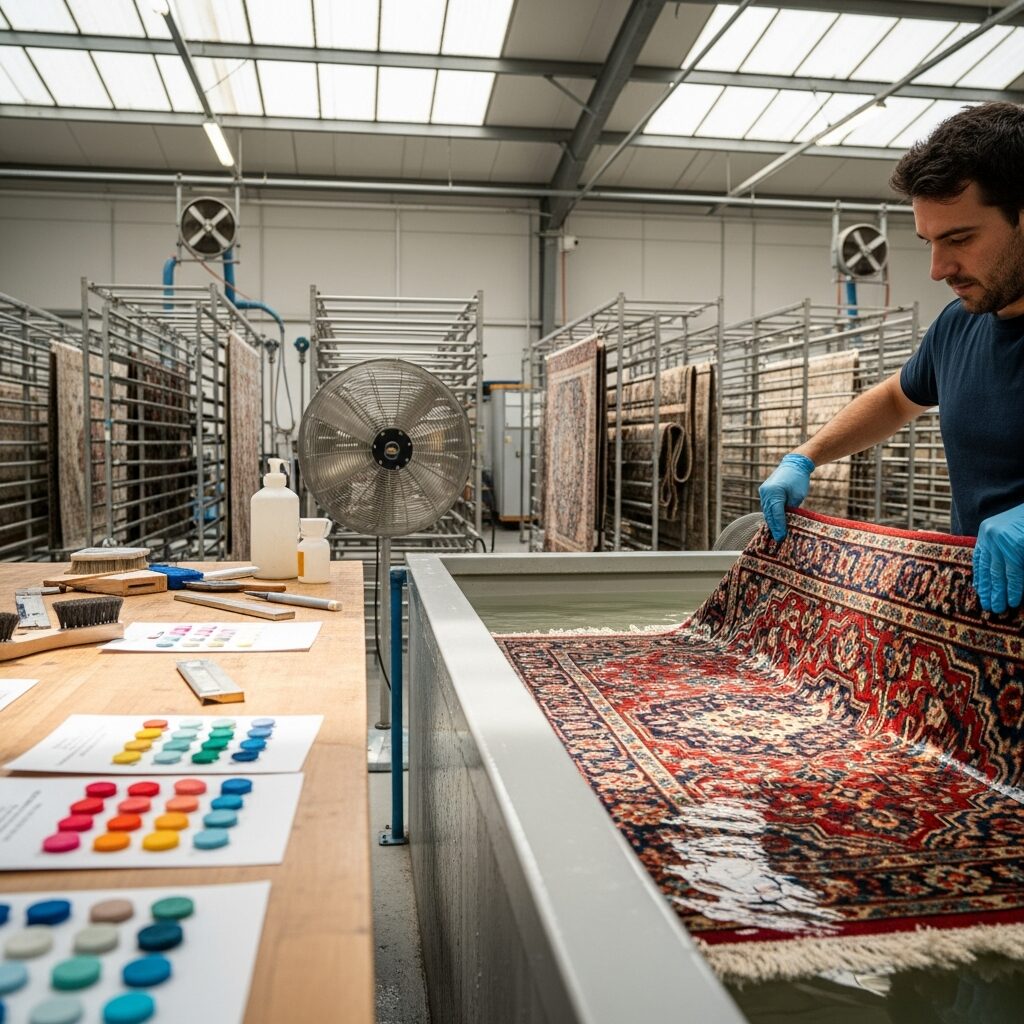
Oriental Rug Cleaning Near You in Sherman Oaks: Care Rooted in Respect
Walk into a Sherman Oaks living room bathed in afternoon light and you can often spot the heirloom at its heart—a hand-knotted Oriental rug whose colors deepen as the sun shifts. These textiles carry stories across generations and continents: Persian city weaves with graceful medallions, village pieces with lively borders, and Tibetan or Nepalese designs that mix tradition with modern palettes. Caring for them is about more than removing soil; it is about stewardship. When it’s time to plan Oriental rug cleaning near you, choosing a local expert who understands fiber, dye, and construction—as well as Valley life—protects both beauty and value.
Sherman Oaks homes blend easygoing warmth with curated style. Our rugs anchor open spaces, soften wood and stone floors, and mark the transition from one room to another. They welcome pets and guests, absorb the dust that drifts on canyon breezes, and cushion the quiet of early mornings. Over time, even the most carefully tended pieces collect fine grit that dulls color and stresses fibers. A respectful, immersive cleaning frees that burden so the rug breathes again—colors regain clarity, pile lifts, and the textile relaxes back into its rightful stature.
Understanding What You Own
Oriental rugs are diverse. A workshop Tabriz displays crisp curvilinear designs woven with high knot counts, while a Heriz might show bolder geometry and a heartier handle. Tribal pieces can carry charming asymmetries and abrash—a natural variation in dye that adds life. Tibetan weaves often feature a distinctive, lustrous wool and a particular knotting technique that influences pile feel. Silk highlights, whether in Persian city pieces or contemporary designs, invite the eye by reflecting light, but they also ask for gentle handling during cleaning.
Construction details matter. Foundations may be cotton, wool, or silk; each behaves differently in water. Dyes might be natural or synthetic, stable or prone to migrate under certain conditions. Fringes—often the exposed ends of the warp yarns—tell their own story of age and use. An expert cleaner begins by identifying these traits, then performs dye tests to guide chemistry so colors remain true. This assessment shapes the plan from dusting to drying.
Why Immersive Washing is Essential
It’s tempting to imagine that a quick surface refresh will do, but Oriental rugs are three-dimensional structures. Soil does not sit politely on top; it works its way into the pile and lodges around the foundation yarns. Dry soil removal is the first and crucial step, freeing pounds of fine grit you can’t reach with home vacuums. Only then does washing achieve what it should: a full rinse that lifts sticky residues, refreshes fibers, and respects the rug’s natural oils.
Immersive washing, when dyes are stable, provides equal treatment to the entire textile—front, back, and in between. It also allows for targeted attention where spills or pet accidents occurred. The result is not a perfumed cover-up but a genuine clearing away of what the rug has held. Water clarity at rinse, proper pH, and patient drying are the hallmarks of a process that leaves the textile lighter, cleaner, and truer to itself.
Protecting Color, Sheen, and Hand
Color in Oriental rugs is their soul, and it must be protected. Pre-wash testing identifies any tendency for migration, especially with reds and blues. If needed, chemistry and technique adapt to keep dyes asleep while soil departs. Silk pile or highlights require very gentle handling; agitation is minimized and grooming is deliberate to preserve sheen. Wool, by contrast, thrives with thorough rinsing when done within a balanced pH range, emerging supple and lively.
After washing, pile setting and grooming matter. A good finish aligns fibers, reduces shading, and restores the hand of the rug so it feels right underfoot. Fringes are cleaned for a natural brightness without the harshness of strong bleaching. Blocking follows when necessary, coaxing borders back to crispness and ensuring the rug lies flat and true.
Local Realities: Sunlight, Air, and the Valley Pace
In Sherman Oaks, light pours in. Over time, exposure can gently soften color on one side more than the other. Rotation shares that load. A local expert will talk about where in the room the rug will live, how sun tracks across your floors, and what window treatments might help balance beauty with protection. Our Valley air also carries fine dust that settles invisibly; regular vacuuming helps, but a periodic bath releases what no vacuum can reach.
The rhythm of life here—workdays, school runs, weekends at home—means timing matters. A dependable provider coordinates pickup and return thoughtfully, minimizes disruption, and communicates along the way. Your rug is away from home only as long as it needs to be, moving through inspection, dusting, washing, drying, and grooming with efficiency and care.
When Pets Share the Room
We love our pets, and many of them love our rugs. If accidents occur, addressing them completely is essential for Oriental textiles. Contamination can travel to the foundation, where salts and proteins lodge and later reawaken odors. A dedicated decontamination bath that reaches every fiber solves the problem at its root. Professionals then dry the rug under managed conditions so shape and texture remain right. The outcome is a piece that looks as it should and smells clean because it truly is.
Preserving Value: Repairs and Stabilization
Cleaning is often the best moment to address small needs. A slightly loose binding can be secured before it unravels. A tiny split near the edge can be stitched to prevent growth. Fringes can be stabilized to avoid further loss. These are not cosmetic indulgences; they protect structure and prevent minor wear from becoming major repair. A conscientious cleaner will point out options and explain what matters now versus what can wait, always with the goal of long-term preservation.
Care at Home Between Professional Washes
Good habits sustain beauty. Use a quality rug pad to cushion, discourage slipping, and protect floors. Vacuum with care—gentle suction and a light hand—steering clear of fringes. Rotate seasonally to share sun and foot traffic. If a spill happens, blot rather than rub and reach out for advice before experimenting with spotters. Keep the room breathing; fresh morning air helps textiles release the day-to-day atmosphere they naturally absorb.
Conversation and Confidence
Great service is a dialogue. You should feel welcome to ask about dye tests, wash chemistry, drying setup, and how blocking will support the rug’s geometry. A confident cleaner speaks plainly about what can improve dramatically and what may remain subtly visible because of prior dye shifts or age. This transparency builds trust and ensures your expectations align with the rug’s reality.
Frequently Asked Questions
How often should an Oriental rug be professionally cleaned?
Frequency depends on use and environment. In active households with pets or open windows, a yearly or every-other-year bath keeps colors bright and fibers healthy. Lightly used rooms can go longer. Trust your senses—if color looks muted despite vacuuming or a closed room carries a faint odor, it’s time.
Will washing damage natural dyes?
Done correctly, no. Professionals test for stability and adjust chemistry, temperature, and technique to keep dyes at rest while removing soil. Natural dyes often reveal deeper, more nuanced color once thoroughly rinsed.
Is in-home cleaning okay for Oriental rugs?
Generally, no. In-home methods can’t flush soil from the foundation or control drying adequately. A facility-based wash allows full rinsing and managed drying that protect structure, color, and shape.
Can pet odors be fully removed?
In many cases, yes. Odor originates where contamination resides—in the foundation as well as the pile. Immersive decontamination and thorough rinsing address the source rather than masking the symptom.
What about fragile fringes?
Fringes are handled gently, avoiding harsh brighteners that can weaken fibers. Stabilization or minor repair may be suggested to prevent further loss. The goal is a natural, clean look with integrity preserved.
How can I protect my rug from sunlight?
Rotate the rug periodically, use sheers or shades during peak hours, and consider layout adjustments that share exposure. A local professional can advise based on your room’s orientation and the way light moves through your space.
Bring Your Rug’s Story Back into Focus
If your Oriental rug’s colors seem quieter than you remember or a room holds the echo of the season’s dust, it may be time for a careful bath that honors its craft. Choose local Oriental rug cleaning rooted in testing, method, and respect. Then, when you’re ready, schedule rug cleaning with a team that knows Sherman Oaks, understands fine textiles, and treats your heirloom with the care it deserves—so it can keep telling its story, beautifully, for years to come.