
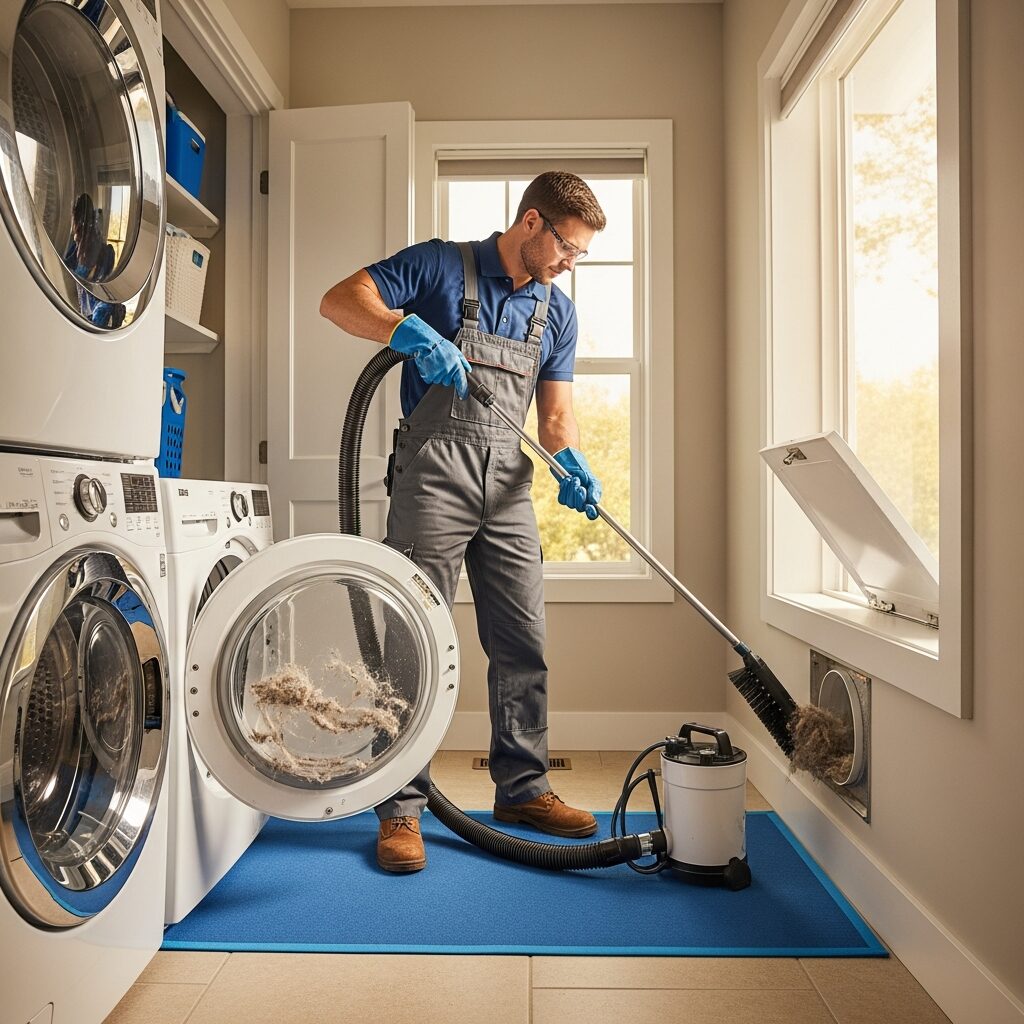
Living in Sherman Oaks means enjoying tree-lined streets, hillside views south of the Boulevard, and that unmistakable San Fernando Valley sunshine. It also means dealing with dust, pollen, canyon breezes, and the simple reality that our laundry rooms work hard all year long. Dryers tucked into hallway closets, stacked units in condo alcoves, and dedicated laundry rooms tucked off garages all share one thing in common: a hidden vent path that quietly moves warm, moist air out of your home. When that pathway narrows with lint, pet hair, and valley dust, your dryer works longer and hotter, and your peace of mind takes a hit. That is why neighbors so often search for reliable dryer vent cleaning near me and ask for guidance from someone who knows the area and its homes inside and out. If you are just beginning your search, it helps to understand how Sherman Oaks itself shapes the way vents are built and maintained, and what an attentive, local approach looks like from start to finish.
Before we go deeper, let me offer a quick, practical point of reference. When people here in the Valley ask about dependable help, they are usually trying to solve a problem that has been building for months: longer drying times, a hot laundry closet, a persistent musty odor, or lint gathering at the exterior hood. Taking action early can make a huge difference, and exploring a trusted resource such as dryer vent cleaning can help frame what to look for, what questions to ask, and how to evaluate a professional visit that treats your home with the care it deserves.
Why “near me” matters in Sherman Oaks
Proximity is not just about a short drive. In Sherman Oaks, homes range from mid-century ranches with rear patios to multi-level hillside properties and garden-style apartment communities spread across the Valley floor. The vent path in a single-story ranch may exit a side wall a few feet from the dryer, while a hillside home could push air upward to a roof cap three bends and twenty-five feet away. In large condo buildings near the Galleria or along Ventura Boulevard, vents sometimes run in chases that serve stacked laundry closets, with roof terminations exposed to sun and Santa Ana winds. A nearby professional who knows these patterns will arrive with the right tools, the right ladders, and a plan shaped by the way our neighborhood homes are actually built.
Local familiarity also extends to seasonal reality. During dry stretches and windy weeks, vents can accumulate a surprising mix of fine dust and lint. Add in pet hair from the many dog-loving households across our community, and you have a dense material that clings to elbows and damp interior sections of duct. A team that regularly works in the Valley anticipates these variables and recognizes the telltale signs on the first inspection, speeding up the troubleshooting phase and focusing on the sections that tend to cause the most trouble.
How our housing stock shapes vent design
Take a stroll through Sherman Oaks and you will see original ranch homes, expanded additions, revamped kitchens, and garage conversions that make the most of square footage. Each upgrade can subtly alter the route a dryer vent takes. Older homes might still have flexible foil ducts behind the appliance that should be upgraded to a smoother, safer connector. Some additions push the laundry deeper into the interior of the home, requiring a longer vent pathway to reach the outside. In hillside pockets, a vent may exit a stucco wall high above grade, or climb to a roof penetration shielded by a cap. Each of these details influences cleaning strategy, from the type of rotary brush selected to the direction of airflow testing before and after the service.
In multi-unit buildings, shared chases and roof terminations complicate matters in helpful ways for an experienced local pro. There are best practices for working floor by floor, coordinating with property management, and verifying that the correct unit’s vent is being cleaned when multiple ducts converge near a roof curb. Nearby technicians who routinely service these buildings bring realistic scheduling windows, carry safety gear for roof work, and communicate clearly with residents to minimize disruption.
Everyday signs your vent needs attention
Most homeowners notice the first signal inside the laundry room. A normal load that used to finish in one cycle begins to need that second or third round. The top of the dryer feels unusually warm, and the laundry closet grows stuffy. Clothing may come out hot but still a little damp, leaving you wondering whether the appliance itself is failing. Another early clue is lint accumulation around the exterior vent hood, especially if the flap seems to stick or the screen is matted gray. Sometimes, you might catch a musty scent that lingers in towels. These cues rarely appear all at once; more often, they arrive gradually, making it easy to shrug them off. Recognizing them for what they are—indicators of restricted airflow—can prevent unnecessary wear on the dryer and reduce risk inside the vent line itself.
There are also neighborhood-specific signals. Homes near busy stretches of the 101 or 405 can collect extra fine dust that binds with lint. Properties shaded by mature trees see leaves and bits of organic material gather near exterior terminations, and birds occasionally attempt to nest in quiet, sheltered vent caps during spring. A local technician will look for these patterns and check the exterior first, moving systematically inward to identify the main constriction.
What a thorough cleaning actually includes
People often imagine dryer vent cleaning as a quick pass with a brush. In reality, the most effective approach begins with assessment. A good visit starts by confirming the vent path, checking the transition connector behind the appliance, and measuring baseline airflow at the exterior. The cleaner will note the number of elbows, the vent material, and any signs of pinching behind the dryer. With the route mapped, they will use a flexible rod system with the correct brush head to gently agitate lint and debris through the entire run. If the vent exits to a roof, they may work from both ends to ensure no pocket of material is left behind—especially at elbows and seams where lint builds fastest.
During the process, it is common to use a vacuum with proper filtration to capture dislodged material and keep your laundry area tidy. The technician may also recommend replacing a flimsy or damaged transition connector with a safer, shorter alternative that reduces bends directly behind the machine. After cleaning, a second airflow reading helps confirm improvement, and the exterior hood or roof cap is checked for free movement and a clean, unobstructed path. Taking these steps consistently does more than restore performance; it builds a baseline for future maintenance.
Safety, efficiency, and the daily rhythm of Valley life
The two biggest benefits of a clear vent are safety and efficiency. Lint is a dry, fibrous material that becomes a heat trap when airflow is suppressed. By restoring a wide, smooth channel, you lower the temperature inside the system and reduce strain on your dryer’s heating elements and motor. In everyday terms, that means fewer repeated cycles, softer fabrics, and less heat pumping into an already warm laundry closet during our long Valley afternoons. It also means less humidity drifting into surrounding spaces, which can protect paint, shelving, and stored items from that slightly tacky, damp feel that is common in closed laundry nooks.
From a lifestyle standpoint, a clear vent gets you back to normal. With kids’ sports uniforms, beach towels, or bed linens rotating through, nobody wants a day to stall because the dryer is dragging. Local professionals understand the cadence of busy Valley households and do their best to accommodate timelines and minimize downtime. The familiar satisfaction of removing a load that is genuinely dry the first time is a small victory that adds up over months.
Choosing a nearby team you can trust
When you search for dryer vent cleaning near me, you are not just looking for a business with a truck; you want a neighbor with experience in this exact setting. Ask about their familiarity with hillside access, roof work, and condo stacks. Inquire how they verify airflow before and after, how they protect floors and paint in tight laundry closets, and whether they carry the right connectors in common diameters. The best teams in Sherman Oaks pair technical know-how with courteous scheduling and clear communication, explaining what they see and why each step matters. If you have an HOA, they should be comfortable providing simple documentation that confirms work done and vent condition.
It can also be helpful to anchor your expectations by reviewing a resource that outlines the process in clear terms. Midway through your research, pausing to read about professional dryer vent cleaning can clarify the questions you bring to your first phone call and help you compare approaches among nearby providers. That way, by the time a technician arrives, you have a shared vocabulary for discussing airflow, elbows, transition connectors, and roof caps.
Maintenance rhythms that fit Sherman Oaks
Not every household needs the same maintenance interval. A single person who runs a couple loads each week will put far less lint into a vent than a busy family juggling school, work, and weekend activities. Households with pets often generate more lint-like material, and short, frequently washed items like athletic wear shed more fibers than sturdier fabrics. The length and complexity of your vent path also matters. A straight, short path to a side wall is forgiving; a long, winding route upward to a roof cap tends to collect material sooner. A local pro can suggest a reasonable rhythm based on your situation, often recommending a check-in cadence that keeps airflow in the healthy range without over-servicing.
Between professional visits, a few simple habits help. Avoid pushing the dryer so far back that it crushes the transition connector. Every so often, step outside while a load is running and feel for a strong push of warm air at the exterior hood; a weak stream is a sign to schedule service. Keep the area around the exterior vent clear of leaves and debris, and be attentive to any change in the sound of the dryer’s exhaust. Subtle shifts can be early warnings that save you time and trouble later.
For property managers and HOA boards
Sherman Oaks has a healthy share of multi-family residences, from cozy courtyard apartments to newer condo buildings near Ventura Boulevard. Coordinating dryer vent maintenance across units requires planning. A nearby team that regularly handles building-wide service can stage equipment, coordinate access with residents, and provide simple before-and-after notes for each address. Communication is key, as is respect for shared spaces and elevator schedules. When done well, these visits feel orderly rather than disruptive, with residents noticing the quick return of normal dryer performance the next time they do laundry.
Frequently asked questions
How often should a typical Sherman Oaks household schedule dryer vent cleaning?
Frequency depends on laundry volume, pets, and vent complexity. Many Valley households benefit from an annual check, while larger families or homes with longer, rooftop-terminating vents may prefer a shorter interval. The best approach is to establish a baseline with one thorough service, then adjust based on airflow readings and how quickly signs like slow drying return.
What are the clearest signs my vent is restricted?
Longer drying times, a hotter-than-usual laundry closet, a musty smell lingering on fabrics, and noticeable lint around the exterior vent hood are common indicators. You may also hear the dryer working harder or feel reduced airflow at the exterior while a load is running. Any one of these is reason enough to schedule a cleaning.
Do all vents exit through the roof in Sherman Oaks?
No. Many single-family homes and ground-level condos vent through a side wall, while hillside homes and taller buildings often use roof terminations. The route depends on the original design and any remodels. A local technician will trace the path before cleaning so they can work from the most effective direction.
Is cleaning messy or disruptive?
It should not be. With protective coverings, proper containment, and a vacuum equipped with good filtration, the work area stays tidy. The appliance is usually pulled out a short distance for access, then returned once the connector and surrounding area are verified clean and secure.
Can a restricted vent damage my dryer?
Restricted airflow forces the dryer to run hotter and longer, which can stress heating elements and motors. Clearing the vent reduces that strain. Many homeowners notice that cycles shorten and the dryer sounds quieter after a proper cleaning, suggesting the machine is working under less load.
What about birds or screens in the exterior hood?
Bird nests do occasionally appear in quiet, sheltered caps. Screens installed across the exhaust outlet can trap lint and are not recommended. A pro will remove obstructions, verify the flap or damper moves freely, and confirm that the termination meets current best practices for safe airflow.
Is there anything I should do before the appointment?
Clearing a simple path to the laundry closet helps, as does moving fragile items from nearby shelves. If access requires a key or elevator scheduling in a multi-unit building, coordinate that in advance. Running a quick load just before the appointment is not required, but it can help you compare drying time before and after service.
If you are ready to breathe easier and get your laundry routine back on track, now is a smart time to reach out to a nearby expert who understands our Valley homes. Schedule a visit, ask questions, and expect clear communication from the first call to the final airflow check. For a straightforward guide and a dependable starting point, explore dryer vent cleaning in Sherman Oaks and take the next step toward a safer, more efficient home today.