
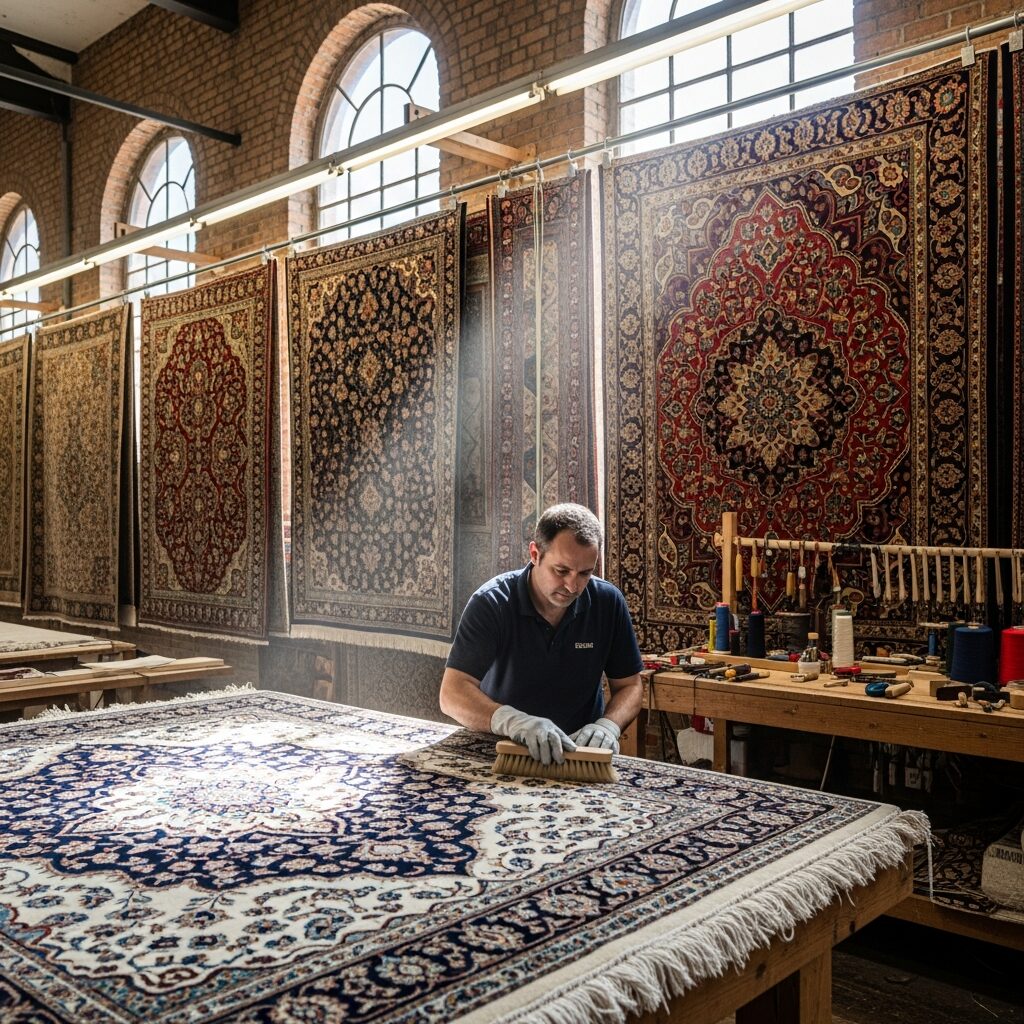
Why Persian Rugs Deserve Specialist Care in Sherman Oaks
Persian rugs are more than floor coverings; they are woven histories, carrying the language of pattern, dye, and hand. In Sherman Oaks homes—from classic ranch houses tucked off Magnolia to sleek condos rising near Ventura Boulevard—these pieces add warmth, cultural depth, and a sense of continuity. Cleaning them well requires respect for fiber, construction, and the artisan choices baked into every knot. True specialist care in rug cleaning balances thorough soil removal with a conservator’s eye, protecting color, sheen, and the supple hand that collectors cherish.
Handmade Construction and What It Means for Cleaning
Most Persian rugs are hand-knotted, with wool, silk, or wool-and-silk piles tied into a foundation of cotton or wool. Even within “wool,” microns vary, twists differ, and the finishing wash at origin affects how the pile reflects light. These micro-differences matter when we select chemistry and agitation. The wrong pH can harden hand, the wrong brush can blur a motif, and a hurried rinse can leave residues that flatten glow. Specialists slow down. We map the rug, test dyes, examine fringe condition, and note prior repairs or weak selvedges before a single drop of water touches the piece.
The Soil Load You Can’t See
Persian rugs, by design, hide soil. Their intricate fields and borders, coupled with dense pile, make them look presentable well past the point of needing care. In Sherman Oaks, open windows and patio life introduce fine dust that lodges deep. Wool naturally resists some soiling, but oils from shoes and skin bind particles and dull luster. Specialized dusting—done before washing—removes a surprising amount of grit, which prevents abrasion during cleaning and brings back the lively interplay of dyes that make a Persian rug sing.
Dye Varieties: From Vegetable to Chrome
Persian rugs can carry a spectrum of dye types. Vegetable dyes have personality—variations called abrash—that create movement and depth. Chrome dyes can be brilliantly stable, yet even they deserve testing. We sample in a hidden spot, gauging how reds, blues, and ivories respond. If a border shows risk, we plan containment and choose pH and dwell carefully. The target is not merely “no bleed,” but maintaining edge clarity and the crisp transitions that give motifs their authority.
Immersion Washing Done the Right Way
For many Persian rugs, immersion is the gold standard: controlled saturation, gentle agitation, thorough rinse, and careful water removal. It allows contaminants to float away from the pile rather than smear across it. But immersion isn’t a license to soak indiscriminately. Construction, age, repairs, and foundation strength must support the method. When they do, the result is a revived hand, brighter yet authentic color, and a clean that holds. When they don’t, we adjust—local flushes, top-wash with barrier layers, or reduced-moisture strategies—to keep the piece safe.
Fringe, Selvedge, and Structural Integrity
Fringes are warp threads—the skeleton of the rug—so cleaning them is about more than cosmetics. We remove embedded soils gently to avoid fuzzing, monitor for dye transfer from adjacent pile, and groom to a tidy finish. Selvedges, which protect the rug’s sides, can abrade at traffic points. We note looseness during inspection and recommend conservative repairs when needed to prevent escalation. True specialist care aims to preserve original material wherever possible and suggest reversible solutions when intervention is appropriate.
Sunlight, Rotation, and the Sherman Oaks Climate
Our local light is generous, and Persian rugs often bask in it near sliding doors and windows. While wool holds up well, UV can still lighten dyes over time. A simple rotation every six months, paired with sheer curtains during peak hours, keeps color development even. After cleaning, pile alignment and finishing groom enhance the way light travels over the surface, restoring the soft glow that turns a room from fine to exceptional.
Common Missteps and How We Avoid Them
Household spotters with high alkalinity can roughen wool and destabilize certain dyes, leading to dull patches or halos. Steam units designed for wall-to-wall carpet can force soil downward without proper recovery, and aggressive scrubbing can distort pile direction. We avoid these pitfalls with fiber-appropriate solutions, measured agitation, and comprehensive rinsing. Where prior DIY efforts have left a mark, we often can improve appearance significantly; honesty also matters, so we set expectations about stains that may be permanent while focusing on global improvement that elevates the rug’s presence.
Why “Clean” Looks Different on a Persian Rug
Persian pieces are meant to glow, not glare. After proper washing, the pile lifts, individual knots catch the light, and colors separate from one another so the drawing reads clearly. That refined, breathable look is a hallmark of specialty care. It comes from removing gritty soil, rinsing thoroughly, and drying under controlled airflow that preserves hand. The outcome is less about a chemical smell or forced brightness and more about a quiet, confident surface that invites you to sit, read, and live on it.
Local Stories: Rugs with a Life in Sherman Oaks
One Tabriz in a Moorpark Street home arrived with a soft gray cast and fringe that looked weary. Dusting alone produced a startling volume of grit, and dye tests suggested a careful immersion with pH control. Post-wash, the central medallion sharpened, and the fields displayed their intended abrash. We recommended a gentle selvedge tidy to halt minor wear and a six-month rotation plan for the sunlit side of the room. Another client brought in a Kashan with lingering tea spills and a minor moth nibble hidden under a sofa leg. The wash lifted the spill fully, and a discreet re-knot preserved the pattern’s flow. Both rugs returned to quietly commanding their rooms without clamoring for attention.
Storage, Pads, and Everyday Courtesies
If your Persian rug rests during a remodel, we advise clean-before-store, rolled with the pile in and a breathable wrap. For daily life, a natural rubber-and-felt pad stabilizes the piece, softens impact, and protects floors without trapping moisture. Vacuum with a smooth tool and moderate suction, following the pile direction. Spills happen—blot first, then call before using any potent home remedies. These courtesies extend the interval between professional washings and keep the rug feeling collected and whole.
Frequently Asked Questions
Below are answers rooted in specialist practice, tailored to the Persian rugs we see throughout Sherman Oaks.
How often should a Persian rug be professionally cleaned?
Frequency depends on use, but every 2 to 3 years is typical for living rooms, with earlier timelines for high-traffic areas or homes with pets and kids. Routine vacuuming and semiannual rotation help maintain appearance between washes. If a rug looks dull despite vacuuming, it likely holds embedded soil and is ready for a specialist clean.
Will my rug’s colors bleed during cleaning?
We prevent that by dye testing and tailoring pH, dwell, and flow. Many Persian rugs can be safely immersed; others benefit from barrier techniques or localized flushing. The goal is to remove soil and residues while preserving edge definition and the natural movement of abrash.
Can you clean silk or silk-highlight Persian rugs?
Yes, with careful control of moisture, agitation, and drying. Silk rewards precision: low-moisture pretreatments, gentle rinsing, and finishing that supports sheen without matting. We also manage handling so tension isn’t introduced at fringe or fragile areas during transport.
My rug has a musty odor. Is that fixable?
Often, yes. Mustiness usually indicates trapped moisture or organic residues in the foundation. Proper washing and controlled drying under measured airflow resolve the issue. If the rug has been stored damp or in a non-breathable wrap, we assess for any structural concerns before cleaning.
What about fringe whitening or brightening?
We avoid harsh bleaches that weaken fiber. Instead, we focus on thorough soil removal and gentle grooming so the fringe looks naturally clean. If stains remain without safe removal, we discuss realistic expectations and prioritize integrity over cosmetic shortcuts.
Do you handle pickup and delivery for delicate Persian rugs?
Yes. We protect corners and edges, roll with care, and coordinate with building rules when needed. Rugs return fully dry, groomed, and ready to place with pads if requested. Communication at each step ensures a low-stress experience for valuable pieces.
Specialist Care, Local Ease
When your Persian rug is due for its next chapter of care, trust a team that treats it like woven art while honoring the way you live with it every day. Schedule professional rug cleaning with specialists who understand dye nuance, fiber behavior, and the logistics of Sherman Oaks homes. We’ll do the meticulous work; you enjoy the renewed glow underfoot.