
Why Vent Care Rises to the Top of the To‑Do List in Sherman Oaks
Ask a Sherman Oaks neighbor what they value most about home life here, and you will hear about sunlight, leafy streets, and the easy access to canyon roads and Valley essentials. Behind those everyday joys is a quiet requirement that keeps the household moving: reliable laundry. While many of us clean the lint screen by habit, the larger pathway that carries warm, moist air outside can drift out of sight and out of mind. In our climate and housing mix, that oversight can cost time, comfort, and in rare cases, safety. Understanding why dryer vent cleaning truly matters in Sherman Oaks turns a chore into a smart strategy for a better-functioning home.
Start with geography. The San Fernando Valley’s heat gathers during the day, and by late afternoon in Sherman Oaks the warmth lingers along side streets and hillside cul-de-sacs. A working dryer adds its own heat to that microclimate, especially if the vent line is restricted. When the exhaust pathway is blocked or narrowed by compacted lint, the dryer runs longer at higher temperatures, injecting more warmth into the laundry zone and sometimes into adjacent rooms. Freeing the vent returns your machine to normal operating conditions, lowering heat output and keeping interiors more comfortable.
The Simple Physics of Airflow
Dryers are not magic, they are airflow devices. Warm air carries moisture off fabrics, and a fan propels that air through the duct to the exterior. Any bend, crush, or lint buildup introduces resistance. In a long vent run—common in second-floor laundry closets, older bungalows with roof exits, and ADUs tucked behind main homes—resistance multiplies. The result is a machine that sounds strained, cycles that stretch by twenty or thirty minutes, and laundry that emerges hot yet still damp in heavier seams or waistbands. Cleaning reverses that trend immediately. Restored airflow means the same dryer, same clothes, same detergent, and suddenly a dramatically different outcome: shorter dry times with less heat and kinder treatment of your fabrics.
Another part of the physics story involves humidity. The air that leaves the dryer carries moisture out of the home. If the vent leaks into an attic or crawlspace due to a loose connection or a puncture, that humidity can condense on cool surfaces and feed musty odors or microbial growth. It is an unseen problem that slowly becomes a whole-house annoyance. By clearing the vent and verifying that the path is sealed and continuous to the exterior, you protect building materials and preserve a fresher baseline indoors.
Safety and Peace of Mind
Lint is made of very fine fibers. It ignites easily and burns quickly if it is exposed to a heat source and enough oxygen. While modern dryers include safety sensors, those safeguards work best when the vent is clear. Cleaning does more than remove fuel; it keeps temperatures stable and reduces the stress that can push a dryer into fault conditions. In practical terms, that means you can run a load late in the evening, or start a cycle before work, without that background worry about whether the machine is running hotter than it should. The peace of mind is worth more than the time saved.
Many Sherman Oaks homes, especially multi-family buildings and remodeled properties, have creative venting to accommodate design goals. That can include long horizontal runs, tight elbows behind stacked units, or roof terminations that must contend with gusts on hilltops. Each quirk is manageable with proper maintenance. Regular cleaning ensures that the mechanical realities of those routes do not become liabilities. It is also a moment to catch problems early—like a flapper stuck open that invites debris or a crushed transition duct that collapses further every time the dryer is nudged back into place.
Efficiency, Utility Bills, and Comfort
Efficiency shows up in everyday ways. You will notice the lint screen collects a normal, thin layer instead of a dense pad load after load. You will hear the blower motor cycling comfortably rather than roaring at its upper limit. You will feel less residual warmth in the hallway by the laundry room. Perhaps most satisfying, you will fold dryer-fresh clothes sooner, with fewer wrinkles and less static, because the moisture escaped as designed. For households juggling school schedules, work-from-home days, and busy evenings, those gains help the week feel organized and calm.
Clean vents also reduce the background drag on your home’s energy use. Shorter cycles and lower heat levels add up. In summer, when air conditioning is shouldering most of the load, it is helpful not to add unnecessary heat into the interior from an overworked dryer. In winter, even our gentle Valley winters, you avoid saturating indoor air with extra humidity that a clogged vent can inadvertently push back into the home. The right kind of invisible work keeps every other system in the house a touch happier.
Local Building Details that Matter
Older ranch homes in Sherman Oaks frequently route vents into the attic before exiting a side wall or the roof. Those transitions can hide sags or joints that were never optimally supported. Newer construction often prioritizes space efficiency, which can mean the dryer sits in a narrow closet with minimal clearance for the transition hose. Condos and townhomes may rely on booster fans or shared chases that need periodic verification after cleaning. Each of these scenarios benefits from a careful, methodical sweep that removes lint and confirms that air can travel unimpeded to the outside. It is the difference between a system that muddles through and one that performs predictably day after day.
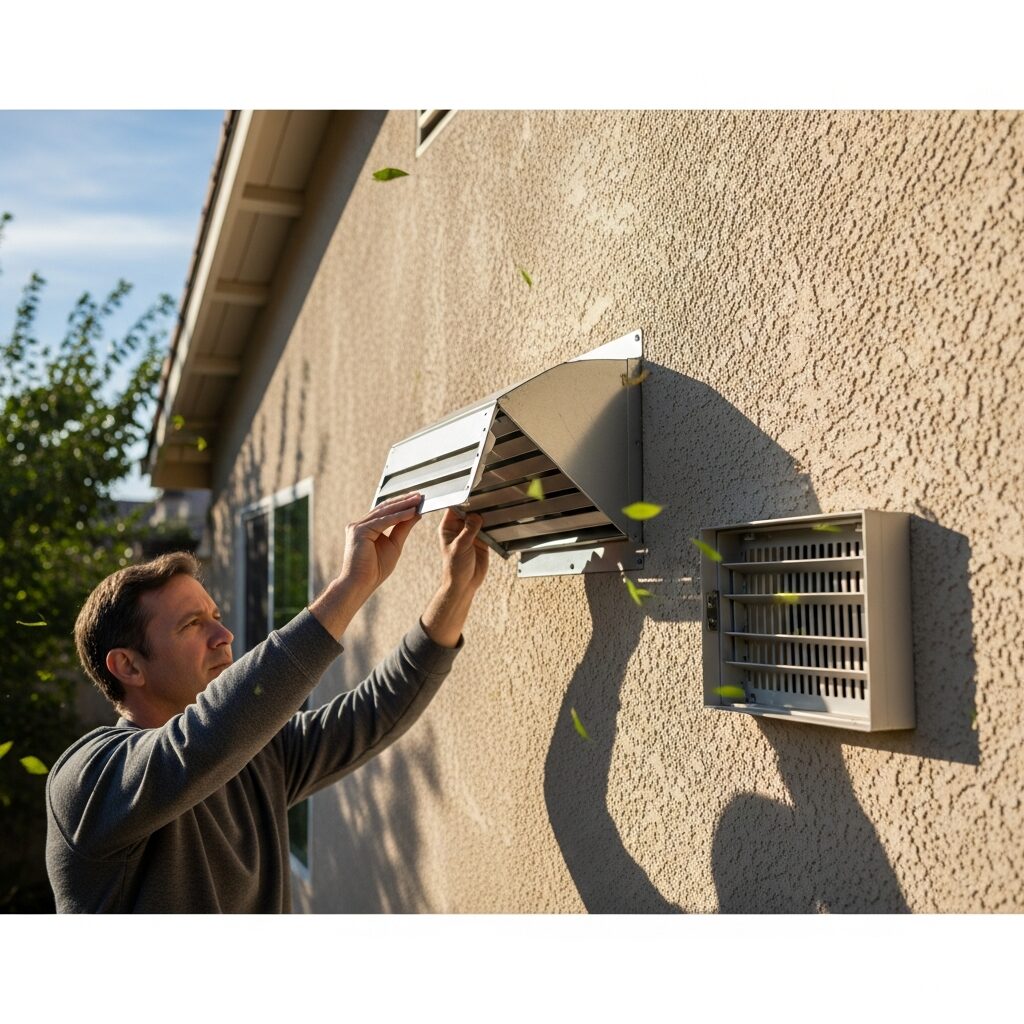
The exterior termination hood deserves a special mention. If the flap does not open easily during a cycle, or if you see lint around the grille, the pressure inside the duct is rising more than it should. Cleaning addresses the buildup that causes that pressure and ensures the flap can swing freely and close when the dryer stops, which also keeps critters and wind-driven debris out. During fall winds—and during those rare but memorable Santa Ana gusts—having a clean, properly weighted flap helps maintain one-way flow and prevents backdrafts.
Midway Proof: A Better Laundry Rhythm
By the time you reach the midweek laundry surge, the case for maintenance writes itself. When the vent is clean, you stack loads without the nagging suspicion that the next one will bog down. Bedding dries in a single pass rather than spilling into a second cycle. The machine sounds smoother and cooler to the touch. Many residents here now treat routine professional dryer vent cleaning as the anchor point for their laundry strategy, pairing it with simple habits like not overloading the drum and leaving a few inches of breathing room behind the appliance.
For households with pets, the benefits feel even larger. Pet hair and dander cling to lint and build up faster in the duct. Clearing that material helps control odors and reduces the chance of that warm, dusty smell that can creep into a laundry closet. If you have recently remodeled, it is also smart to schedule a cleaning—the fine dust from drywall and sawing can mingle with lint and accelerate accumulation in the vent path.
Setting a Schedule that Fits Your Home
The right interval depends on your household. A couple in a condo may be well served by an annual cleaning, while a busy family with multiple loads per day might benefit from service every six to nine months. If you have long or complex ducting, a quick visual check of the exterior hood during a cycle will become your best early-warning system. The flap should lift firmly. If it barely moves, if you see lint flecks on the wall, or if your dry times begin to creep upward, you will know it is time.
For landlords, an annual cleaning is a straightforward way to care for your property and keep tenants comfortable. For HOAs, coordinating building-wide maintenance for stacked units or shared chases provides efficiency and consistency. In both cases, documenting service dates helps create a clear history that supports compliance with safety guidelines and reduces unexpected repairs.
Frequently Asked Questions
How do I know my dryer vent is the reason for long dry times?
If the washer is spinning properly but clothes emerge hot and damp from the dryer, the vent is the prime suspect. Another clue is a laundry room that grows warmer and more humid during a cycle, or an exterior flap that barely opens. A cleaning followed by a quick airflow check usually confirms the difference immediately.
Is roof-vented ductwork more vulnerable in Sherman Oaks?
Roof exits are common and perfectly viable, but they require careful support and periodic inspection. Heat in the attic can encourage sags in flexible ducting, which trap lint. Properly supported metal duct runs perform best, and routine cleaning keeps them in top condition.
What risks come with ignoring a dirty vent?
Beyond slower cycles and higher energy use, the major risk is overheating that can stress components and, in extreme cases, create a fire hazard. Moisture pushed into unintended spaces can also encourage odors or stains on drywall. Addressing the vent now prevents a small maintenance item from becoming a bigger repair later.
Does vent cleaning help with laundry odors?
Yes. When moist air evacuates fully, laundry dries faster and odors do not linger in fabrics or the closet. Clearing the vent also removes lint that can trap detergent and fabric softener residues, which sometimes produce a stale smell when heated repeatedly.
How often should a busy family schedule service?
For homes running daily loads, aim for every six to nine months. If you have multiple pets, heavy towel use, or long vent runs with several elbows, you may appreciate an even tighter schedule. Watch the exterior flap and your average cycle length for guidance.
Do stacked units in small closets need special attention?
Yes. Space constraints make transition hoses more prone to kinks or crushing when the unit is nudged during cleaning. After a vent service, confirm the appliance sits without pressing the hose sharply against the back wall and that the hose has a smooth, supported path to the main duct.
Ready to Give Your Home an Easy Win?
If your laundry routine feels slower, hotter, or less predictable than it should, a clean vent is the most impactful fix you can make in an afternoon. Reclaim shorter cycles, steadier comfort, and the confidence to run the dryer when it suits your schedule. Reach out today and book trusted Sherman Oaks dryer vent cleaning so your home can get back to running the way you like it—calm, efficient, and safe.