
The New Shape of Dryer Vent Care in Sherman Oaks
Walk down a Sherman Oaks block and you will see the neighborhood evolving in small but meaningful ways: ADUs tucked behind classic ranch homes, remodeled bungalows with second-floor additions, and modern infill construction that squeezes more comfort into smaller footprints. Laundry spaces have adapted in turn, and so have the techniques and tools that keep dryer vents clear. Beyond the basic wisdom of removing lint, a handful of trends are reshaping how homeowners think about maintenance, safety, and performance. Understanding those developments helps you make better choices, whether you are renovating, buying new appliances, or simply ready to improve the weekly rhythm of laundry day. And yes, a thoughtful schedule of dryer vent cleaning still anchors the plan.
Probably the biggest shift is that vent care is no longer a once-and-done chore. As housing types diversify—from single-family homes with long attic runs to compact condos with stacked units—cleaning has become part of a lifecycle approach to home maintenance. The emphasis now is on prevention, documentation, and incremental improvement: verify airflow, note the route, correct small weaknesses, and track the next date. Like changing HVAC filters, the act itself is simple; the value arises from doing it consistently and adjusting it to the unique needs of your home.
Smarter Monitoring and Diagnostics
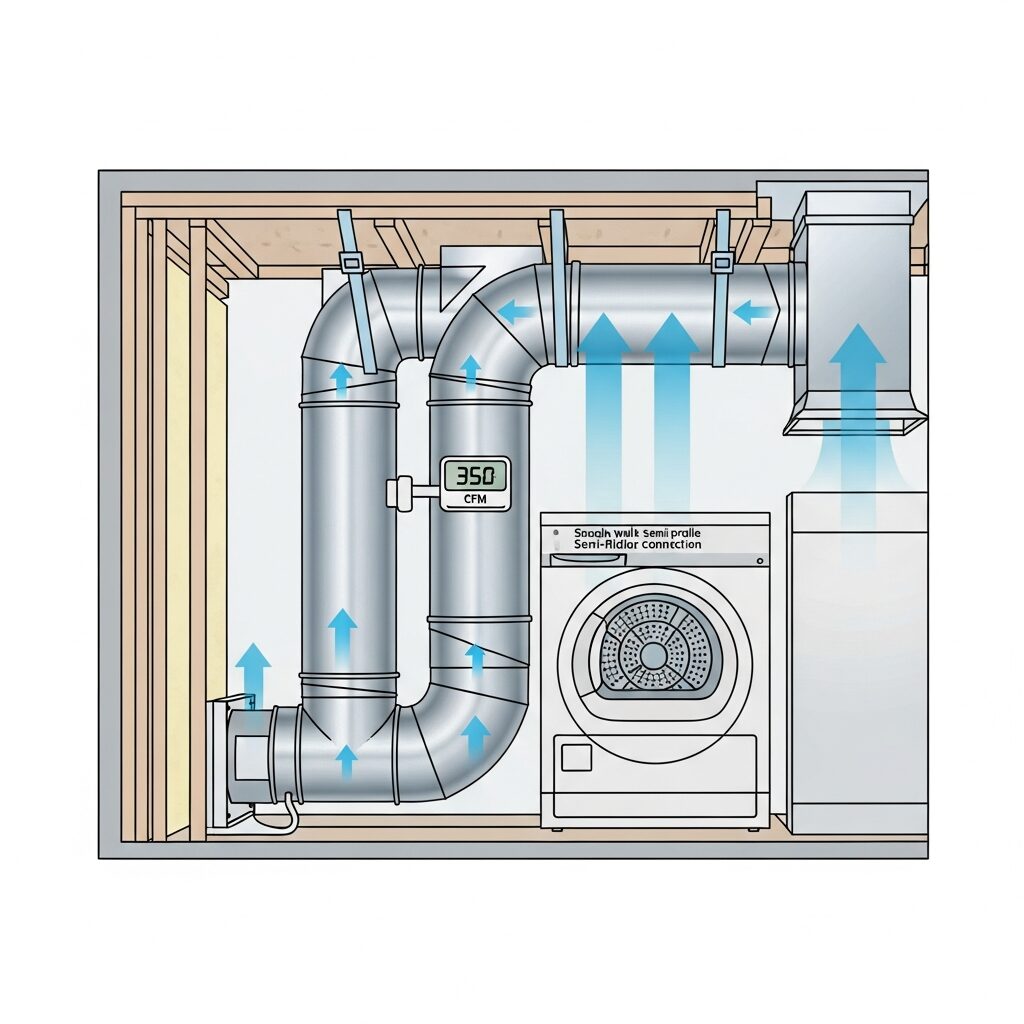
Homeowners are embracing sensors and simple indicators that reveal real-time vent performance. Some dryers already track estimated dry time and alert you if a cycle runs unusually long. Third-party pressure or airflow monitors can be installed along the duct run to show whether resistance is creeping up. While you do not need gadgets to tell you that towels are taking too long, these tools help catch subtle changes early, long before habits adjust around the problem. In a Sherman Oaks summer, when heat amplifies every inefficiency, such early warnings keep a minor lint buildup from turning into a weekend spent wrestling with multiple loads.
The diagnostic mindset extends to the cleaning visit itself. Instead of a quick sweep and go, the contemporary approach pairs mechanical cleaning with a before-and-after airflow reading and a visual inspection of the termination hood. If a flap is missing or a grille is partially obstructed, that is noted and addressed. If a transition hose repeatedly kinks in a tight closet, the current trend is to swap it for a rigid or semi-rigid option with a low-profile elbow that maintains a smooth, uncrushable bend. The result is a vent system designed to resist future problems rather than inviting them back.
Materials and Routing Upgrades
Flexible foil ducts are out; smooth-wall metal is in. That sentence sums up one of the clearest trends. Smooth surfaces resist lint adhesion, hold their shape, and withstand the thermal cycling that is common in attics over Sherman Oaks summers. When homes are remodeled, it is increasingly common to see builders specify rigid metal ducting with thoughtfully placed, wide-radius elbows that preserve airflow. On retrofits, technicians are recommending short sections of semi-rigid aluminum to bridge the dryer to the main duct, protected by elbows designed to sit close to the wall without crushing when the appliance is nudged back into place.
Rerouting has become a practical upgrade too. If a vent currently takes the scenic route through an attic, adding unnecessary feet and bends, the modern solution is to shorten that run where structure allows. In ADUs, where space is precious and layout creativity is the norm, designers are prioritizing short, direct routes that exit a side wall rather than detouring to the roof. The motivation is not only faster drying; it is also to reduce the chance of condensation in the line and to make future cleanings quicker and more effective.
Eco-Minded Laundry Habits
Sherman Oaks homeowners are a practical bunch, and the move toward greener habits intersects neatly with vent care. Washing with cooler water, drying with sensor-based cycles instead of timed full-heat blasts, and avoiding chronic overloading are now part of the conversation. Not only do these choices conserve energy, they also reduce the amount of sticky residue and fiber shed that can cling to vent interiors. Add in the small but meaningful habit of cleaning the lint screen before every load and you have a clear path to longer intervals between major issues, even if you still keep annual cleaning on the calendar.
Heat pump dryers merit a note here. Although they vent differently—or in some cases not at all—the trend of choosing appliances that run cooler and gentler complements the goal of reducing lint adhesion. For traditional vented dryers, pairing efficient appliances with well-supported ducting creates a one-two punch that keeps laundry day speedy and fabrics in better condition over the long term.
Attention to the Termination Point
The exit point is getting more design love, and with good reason. In our area, wind-driven debris and the occasional nesting attempt by birds can compromise a hood. The trend is toward hoods with smooth flappers and minimal internal obstructions. Importantly, screens that trap lint are being avoided on dryer terminations because they become choke points. Instead, the emphasis is on an open, one-way design that closes snugly when the dryer stops to keep pests out. On roof terminations, homeowners are choosing robust, UV-resistant components that will not warp under summer heat.
Regular inspection of that last piece of the puzzle is becoming standard. A quick look once a month, especially after a busy week of towels or bedding, can reveal lint buildup around the hood or a flap that does not swing freely. During a professional visit, the technician often begins and ends the appointment at this spot to verify operation, which helps catch non-vent-related issues like a damper spring that has fatigued or a cap that was painted shut during exterior work.
Midway Momentum: Proactive Service as a Habit
A defining trend is seeing vent cleaning as part of a broader home rhythm rather than a reaction to a problem. Many homeowners I work with schedule professional dryer vent cleaning around other seasonal tasks—HVAC service in spring, gutter checks in fall, and vent cleaning as summer heat arrives. The cadence is simple, unobtrusive, and rewarding. Each small action supports the others, and the home runs cooler and quieter without any dramatic overhaul.
The proactive mindset also changes how we prepare for service. Clearing a path to the appliance, confirming access to the exterior termination, and noting any recent changes—like a remodel or a move to a stacked unit—make the visit more efficient. After cleaning, a quick review of how the transition hose sits when the dryer is pushed back preserves the gains made during the appointment.
Multi-Family and HOA Considerations
In condos and townhomes, booster fans and shared chases are common. The trend here is twofold: group scheduling for efficiency and formal documentation for the building’s records. Coordinated service ensures every unit in a stack receives attention and that fans along the path are verified for proper operation after the sweep. In HOA communities, this practice simplifies compliance with safety guidelines and spreads the benefits across multiple households at once, which you will notice the next time laundry rooms across the building run cooler in the evening.
Landlords are also catching on. A documented maintenance plan minimizes surprise calls from tenants about long dry times and reduces stress on appliances, stretching replacement cycles. Transparency builds trust, and the building as a whole performs better when its hidden systems are kept in good order.
Education and Local Know-How
Another trend is the emphasis on homeowner education. A few minutes spent explaining why the exterior flap matters, how much clearance the transition hose needs, and what signs indicate rising resistance pays dividends. In Sherman Oaks, where homes vary widely from block to block, local knowledge helps tailor that advice. A hillside home might need extra attention to roof terminations exposed to wind; a flat-lot ranch likely benefits from a closer look at attic runs that traverse warm spaces. The goal is a customized plan that matches the home’s specific realities.
For families with pets, the conversation includes hair management and cycle cadence. For households with heavy athletic wear, the focus might shift to avoiding chronic high heat that bakes residues into lint. The education piece brings everyone onto the same page so the simple steps—clean the lint screen, do not overload, give the hose a smooth path—stick long after the appointment ends.
Looking Ahead
As homes continue to evolve, so will vents and the ways we care for them. We will likely see increased use of low-profile elbows that maintain full diameter through bends, more routine airflow verification after cleaning, and a broader shift to rigid ducting where structure allows. Smart diagnostics will become less of a novelty and more of a baseline expectation, particularly for stacked units in compact closets where the margin for error is slim. Through it all, the essentials remain steady: keep the path short, smooth, and clean; let the machine breathe; and revisit the system on a reliable schedule.
Frequently Asked Questions
What is the single most impactful upgrade for an older vent system?
Switching from flexible foil to smooth-wall metal ducting, supported and sealed properly, delivers the biggest improvement. It resists crushing, sheds lint more readily, and maintains diameter through bends, all of which translate to shorter, safer dry times.
Do smart sensors replace regular cleaning?
No. Sensors are excellent early-warning tools, but they do not remove lint. Think of them as a helpful reminder that complements a cleaning schedule rather than a substitute for it. A quick sweep paired with an airflow check remains the gold standard.
Are screens on exterior hoods a good idea?
Not for dryer vents. Screens trap lint and become choke points. A well-designed hood with a free-swinging damper is the correct choice, allowing air to exit smoothly and close when the dryer stops to keep pests and debris out.
How often should condos with stacked units schedule service?
Annually is a solid baseline, with adjustments based on usage. Stacked units in small closets are more prone to crushed transitions and need verification after any appliance move. If dry times creep up or the exterior flap barely opens, schedule sooner.
What role does the transition hose play?
It is the most vulnerable segment—easy to crush when the dryer is pushed back. Upgrading to a rigid or semi-rigid option with a low-profile elbow prevents kinks and preserves airflow, locking in the benefits of a thorough cleaning.
Does vent care still matter with a newer, high-efficiency dryer?
Absolutely. Even the best dryer cannot overcome a blocked pathway. Keeping the duct clean allows advanced sensors and heat controls to do their job, delivering the shorter, gentler cycles you paid for when you chose the appliance.
Bring Tomorrow’s Vent Care Home Today
If you are ready to pair modern know-how with practical maintenance, schedule trusted local help and feel the difference on your very next load. Whether you live in a classic ranch or a brand-new ADU, proactive attention to the vent pays off with faster drying, cooler rooms, and less noise. Book expert Sherman Oaks dryer vent cleaning and let your home enjoy the quiet, efficient momentum that today’s best practices deliver.