
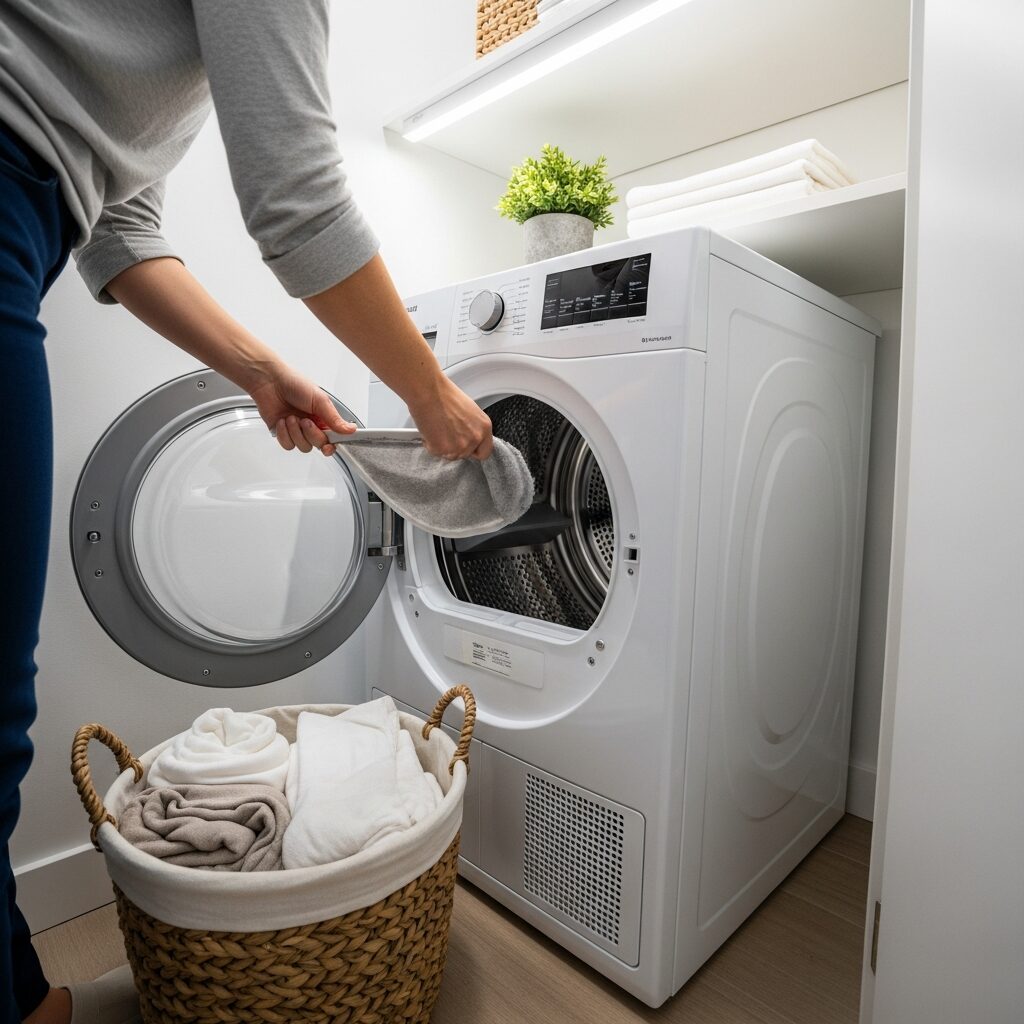
Practical Maintenance Advice for Sherman Oaks Dryer Vents
Good dryer performance in Sherman Oaks is not luck—it is the result of a few simple habits supported by occasional professional care. Between warm Valley summers, compact laundry closets in many homes, and the steady pace of daily life, our vents work harder than we realize. The good news is that a small, consistent routine protects safety, shortens dry times, and keeps your appliance running quietly. Start with the big picture: safe, unobstructed airflow from the dryer to the outdoors. That is what regular dryer vent cleaning delivers, and your everyday habits keep it that way.
Think about airflow like a story with a beginning, middle, and end. At the beginning is the lint screen. Kept clean, it allows warm air to move freely across the drum, lifting moisture from fabrics. At the middle is the transition hose and main duct run, which must remain round, smooth, and unobstructed. At the end is the exterior termination, a small but crucial device that should swing open easily during a cycle and close gently afterward. When each chapter reads smoothly, your laundry dries quickly at a reasonable temperature, without leaving the hallway warmer or the closet humid.
Set a Sensible Service Cadence
Most Sherman Oaks households do well with annual professional service. Larger families, pet owners, and homes with long or complex runs benefit from cleaning every six to nine months. A simple rule of thumb is to watch your average cycle time and the exterior flap. If dry times creep beyond the usual, or the flap barely lifts, move your appointment up. Document service dates in a notes app or on a small label inside the laundry closet door. The record becomes a quick reference the next time you are wondering whether the slow-down is new or a sign it is time again.
Scheduling matters too. Many neighbors prefer spring or early summer service, just before attic temperatures soar. Clearing the duct then helps the system resist sagging and keeps laundry areas cooler when outside heat peaks. If you are moving into a new place or have just finished a remodel, schedule a cleaning as part of your move-in checklist—the dust and debris from construction mix with lint and can start you off behind schedule.
Protect the Transition Hose
The most vulnerable part of the system is the short connector behind the dryer. Avoid thin foil flex that crushes easily. Instead, choose a semi-rigid or rigid option with a low-profile elbow that holds its shape when the dryer slides back. Leave a few inches of clearance between the appliance and the wall. When you reposition the unit after cleaning, push it back slowly, watching that the hose does not press sharply against the surface. This five-second check preserves airflow and protects you from months of slow, heat-heavy cycles caused by an unseen pinch.
If you live in a small condo or have stacked units, access can be tight. Plan ahead. Clearing a path for service and noting how the hose should sit pays off. After an appointment, take a quick picture of the setup. The next time you move the unit, you will know exactly how it looked when airflow was perfect, which makes restoring that arrangement easy.
Mind the Exterior Termination
The hood outside is easy to forget until it causes trouble. Make it part of your monthly routine to look at the flap during a cycle. You should see it lift firmly and settle closed when the machine stops. If it sticks, moves only slightly, or shows lint around the rim, address it sooner rather than later. A free-moving flap protects against backdrafts, discourages pests, and ensures that the dryer is not laboring to push air past a stuck door.
Hoods with screens are tempting for pest control, but screens trap lint and become choke points. Choose a dryer-rated hood with a smooth, unrestricted path. On roof terminations, materials matter—UV-resistant, sturdy components handle summer heat better and keep their shape season after season. During a professional visit, ask for a quick verification of flap travel and a check that the cap has not been painted shut during exterior work.
Build Better Laundry Habits
Maintenance is not just about parts; it is about rhythm. Clean the lint screen before each load, and give it a wash with mild soap if you notice residue from fabric softeners. Avoid chronic overloading—packed drums shed more lint, block internal air channels, and push moisture removal downstream to the vent, which accelerates buildup. If your dryer offers a sensor-based cycle, use it. Sensors tailor heat and time to the actual moisture level, which is gentler on fabrics and generates less lint than back-to-back timed high-heat runs.
Consider the types of loads you run. New towels and fleece items shed heavily during their first few washes. Running them separately, and not back-to-back with other heavy lint producers, gives the vent a breather. Pet bedding merits the same approach. These small acts do not replace cleaning, but they extend the period between appointments and keep everyday performance high.
Midway Checkpoints for Busy Homes
About halfway between cleanings, give your system a simple check. Note whether dry times are edging up or if the laundry space feels warmer than usual during cycles. Step outside and look at the flap while the machine runs. If it barely opens, or if you see flecks of lint on the wall near the hood, it may be time to schedule earlier than planned. This habit is especially useful after holidays, sports seasons with extra uniforms, or a round of guest bedding—times when the vent sees unusual demand. Coordinating professional dryer vent cleaning with these rhythms makes upkeep feel natural rather than burdensome.
For landlords and HOAs, setting a building-wide cadence simplifies life. Group service for stacked units ensures that booster fans and shared chases are checked in context, with airflow verified after cleaning. Documenting service supports safety guidelines and gives residents confidence that hidden systems are being cared for.
Watch for Early Warning Signs
Rising cycle times, a hotter-than-usual dryer surface, a humid hallway near the laundry closet, or an exterior flap that barely moves are classic alerts. A faint burning smell demands immediate attention—stop the cycle and check the vent path. While true emergencies are rare, catching restrictions early protects the appliance and reduces stress on components like belts and bearings. If your lint screen emerges with an unusually dense mat after each load, or if you notice static and wrinkles increasing even with the same settings, those can also point to restricted airflow.
If you recently moved the dryer, double-check the transition hose. Even a small change in angle can create a pinch that undermines the whole system. It is a five-minute inspection that often solves a months-long annoyance.
Pair Maintenance with Thoughtful Upgrades
When remodeling, upgrading to smooth-wall metal ducting with wide-radius elbows produces a lasting improvement. Shortening long attic runs where structure allows can do the same. Low-profile elbows behind the dryer free up a precious inch or two and prevent crushing when the appliance is shifted. These changes, combined with routine cleaning, give you the kind of performance that makes laundry day feel quiet and predictable.
Consider appliance choices as part of the system. Newer dryers with accurate moisture sensors pair well with clean, efficient ducting. The machine can rely on precise readings rather than brute-force heating to push loads to dry, which is kinder to fabrics and reduces the chance of baking residues into lint.
Frequently Asked Questions
How often should I schedule professional vent cleaning in Sherman Oaks?
Annually fits many households, with six- to nine-month intervals for busy homes, pet owners, or long, complex runs. Use average cycle length and the movement of the exterior flap as practical cues between appointments.
Can I do any of this myself?
You can and should clean the lint screen before each load and wash the screen periodically. You can also look at the exterior flap during a cycle and gently vacuum visible lint around the transition hose. For the main duct run, professional tools and techniques are safer and more effective.
What if my dryer is in a tight closet?
Plan for a low-profile elbow and a semi-rigid connector that holds its shape. After service, push the unit back slowly, watching that the hose does not press hard against the wall. A quick photo of the correct setup helps you recreate it later.
Are roof terminations a problem in hot weather?
Heat can encourage sags in flexible ducting and can warp light-duty plastic hoods. Upgrading to rigid duct and robust, UV-resistant components, paired with routine cleaning, keeps performance steady through Sherman Oaks summers.
How do pets affect maintenance?
Pet hair increases lint volume and can carry dander that contributes to odors. Separate pet bedding loads when possible and consider a tighter cleaning schedule if you notice dry times creeping up sooner than expected.
What does a good appointment include?
Beyond removing lint, expect a check of the transition hose, verification that the exterior flap opens and closes freely, and a simple airflow confirmation after the sweep. Notes on route length, elbows, and any recommended upgrades round out a thorough visit.
Make Today the Day Your Dryer Breathes Easy
If your laundry routine has lost its easy rhythm, a clear vent is often the fastest fix. Reclaim shorter cycles, cooler rooms, and the quiet hum of a machine that is not straining. Reach out now to book trusted Sherman Oaks dryer vent cleaning and give your home the simple advantage of safe, efficient airflow.