
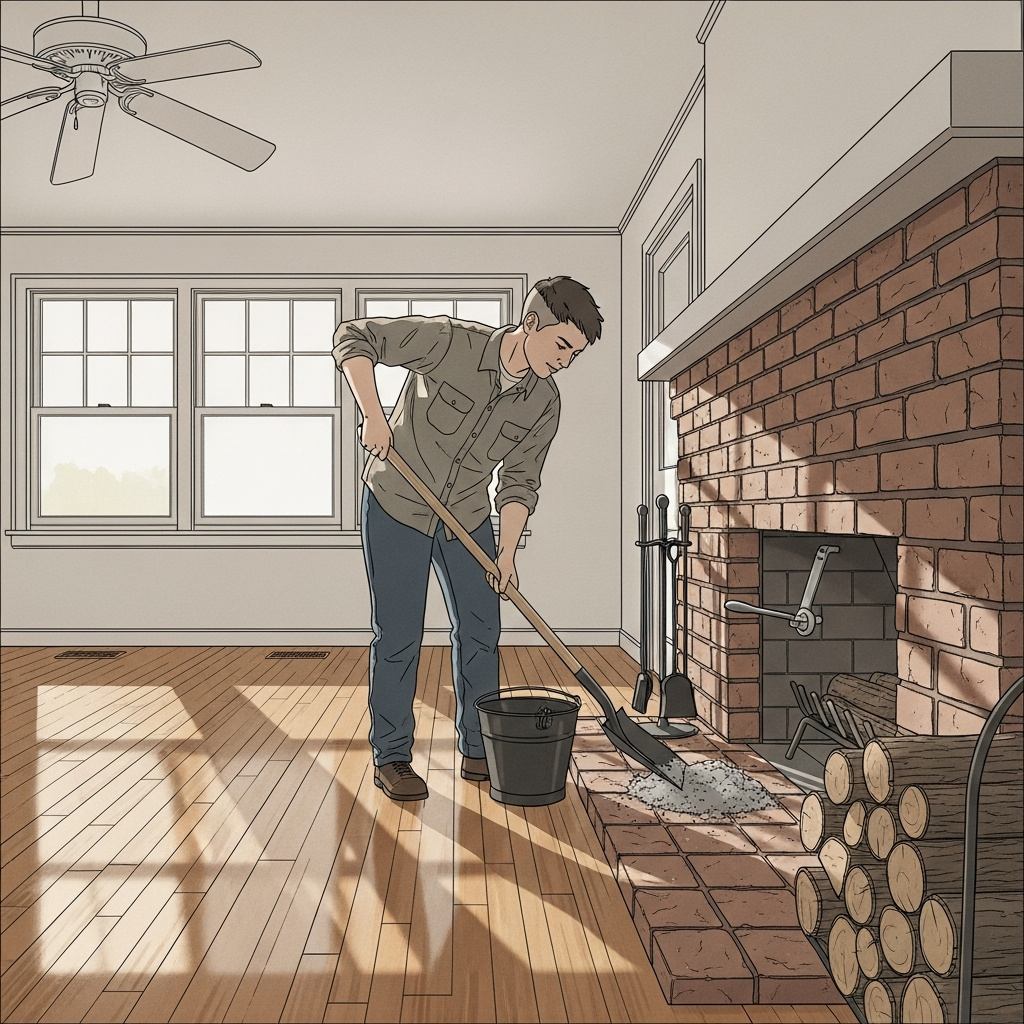
In Sherman Oaks, fireplaces have a way of turning a regular evening into something memorable. Maybe it is the way the light plays on original oak floors, or how the scent of seasoned wood drifts through a ranch-style home after a long day. Whatever the reason, enjoying a clean, efficient fireplace starts with everyday habits that fit the way we live in the Valley. As a local, I have seen what works across hilly streets near the canyons and along the tree-lined flats closer to Ventura Boulevard, and I have seen how small, consistent steps make a big difference. Right from the start, one of the smartest moves you can make is establishing a rhythm that includes periodic professional chimney cleaning so the basics you handle at home are supported by thorough care.
Maintenance is not just about avoiding problems; it is about enhancing the pleasure and performance of your fireplace. A clean chimney means a stronger draft, brighter flames, and fewer smoky moments when wind shifts along the roofline. It also simplifies life. You do not have to wrestle with stubborn odors after a warm afternoon or chase soot stains with a damp cloth. With the right approach, you will find your fireplace becomes an easy, reliable part of your home’s routine—ready when you want it, invisible when you do not.
Start with the Fuel: Wood Choices and Burning Habits that Matter
In Southern California, the temptation to pick up a bundle of wood at the last minute is understandable, but your choice of fuel sets the tone for how cleanly your fireplace will run. Dry, seasoned hardwood—split and aged for at least six months to a year—burns hotter and cleaner than fresh-cut logs. You can often recognize seasoned wood by its lighter weight, cracked ends, and the hollow sound it makes when knocked together. In contrast, green wood smolders, creates more smoke, and leaves behind the kind of sticky deposits that contribute to creosote. In our dry climate, it is easy to overestimate how quickly wood seasons outdoors; cover your stacks to prevent surprise showers from rewetting the logs and keep them slightly elevated so air circulates and dries them evenly.
Burning habits matter just as much as what you burn. Build fires that breathe. A pile of large logs choked by ash and insufficient air makes for weak flames and heavy smoke. Start with kindling and smaller splits to establish a hot bed of coals, then add larger pieces gradually. If your fireplace has glass doors, use them according to the manufacturer’s guidelines—some doors are meant to be open while the fire is burning for air supply, then closed when the fire is dying down to slow heat loss. And keep in mind that decorative papers and glossy magazines can contribute to soot and send embers flying; they belong in the recycling bin, not the grate.
Keep the Firebox Tidy Without Spreading Dust
A neat firebox is not only attractive, it also supports healthy airflow. Too much ash can choke the base of the fire, while too little can make starting the next one harder. Leave a thin layer of ash—about an inch is a practical target—because it insulates coals and encourages efficient restarts. When removing ash, wait until it is completely cold. In Sherman Oaks, with our occasional windy afternoons, embers can linger longer than expected, so patience pays off. Use a metal container with a tight lid to store ashes temporarily before disposal, and resist the urge to vacuum them with a household unit. Fine particles can bypass typical filters and find their way into the air you breathe.
While you tidy the firebox, take a quick look at the bricks or panels for cracks, at the grate for warping, and at the andirons or log holders for stability. Small changes can foreshadow larger issues. Catching them early is easier when soot is not obscuring the view. That is part of the value of a chimney that is cleaned regularly—problems cannot hide under a film of residue.
Mind the Damper and Airflow
Draft is the invisible engine of every fireplace. The damper is its throttle. Before you light a fire, open the damper fully and verify it moves smoothly. If it sticks or fails to close properly when the fire is out, you could be losing conditioned air up the flue or starving a fire of oxygen when it is burning. In older Sherman Oaks homes, dampers can be oversized or slightly misaligned after years of use, and a quick seasonal check helps you spot a change before it becomes a habit of smoky evenings.
Airflow inside the room is just as important. Range hoods, bathroom fans, and whole-house fans create negative pressure that can pull smoke back into the home, especially in tightly sealed houses or on windy days when the exterior pressure fluctuates. If you notice smoke spillage when the kitchen fan is on, try turning it off or cracking a nearby window by an inch to give the fireplace a dedicated source of make-up air. Small adjustments like this often solve stubborn draft issues without any tools at all.
The Role of the Chimney Cap and Crown
In a community where crows circle at dusk and Santa Ana winds can blow debris across rooftops, the chimney cap is an unsung hero. It keeps rain out, prevents wildlife from nesting, and stops embers from escaping. Equally important is the spark arrestor screen that forms part of many caps in our region. Keep an eye on it; if it clogs with soot or fine ash, draft suffers. You might hear a soft whistling on windy nights or see smoke pushing sideways across the opening of the fireplace. A quick check from the ground with binoculars can often tell you if the cap looks clogged, but a professional inspection during cleaning is the safest way to confirm everything is clear and secure.
The crown—the sloped surface that sheds water away from the flue—deserves attention too. Hairline cracks, especially after a stretch of hot weather, can let water in. Here in Sherman Oaks, even light winter rains can exploit a crack and channel moisture along the flue. That moisture meets soot and forms acids that are tough on masonry and metal. Routine cleaning goes hand in hand with checking and sealing the crown when necessary, a small step that adds years to the system’s life.
Gas Fireplaces Need Care Too
Many homes in the Valley rely on gas logs or direct-vent fireplaces for convenience. They are clean-burning compared to wood, but they still benefit from regular attention. Dust and pet hair can collect around intakes, glass doors can develop a fine haze, and small soot marks at the top corners of the firebox may indicate that the flames are not balanced. During a professional visit, technicians will verify that the venting is unobstructed, the glass seals properly, and the burner pattern is correct. At home, keep the area around the unit clear and avoid using chemical glass cleaners unless they are labeled for fireplace glass; residue can bake on and become difficult to remove.
A Sherman Oaks Rhythm: Timing Your Professional Care
Just as we check irrigation systems in spring and AC units in early summer, it pays to schedule an annual inspection for your fireplace before the first cool evenings arrive. That timing leaves room for any recommended maintenance and ensures you are not competing with the seasonal rush when everyone decides to light their first fire. In homes that see steady use from November through February, a mid-season check can be worthwhile, particularly if early fires were fueled by leftover wood that may not have been fully seasoned. Establishing this cadence makes your own upkeep more effective because it starts with a clean slate each year.
Remember, the heart of diligent maintenance is partnership. The steps you take at home reduce buildup and wear; the thoroughness of an expert cleaning catches what you cannot see. Many local homeowners who combine smart habits with periodic chimney cleaning report fewer odors, cleaner mantels, and calmer starts even on breezy Valley nights when drafts are fickle.
Managing Odors and Off-Season Care
A common summer complaint is a faint smoky scent on hot afternoons. That odor often comes from deposits in the flue interacting with warm, rising air. Closing the damper tightly helps, but so does reducing the residue that causes the smell in the first place. After the last fire of winter, let the fireplace cool, clear excess ash, and consider a post-season professional check. It is a chance to clear remaining soot and evaluate the cap, crown, and flashing before months of sun and heat do their work. If you use candles frequently in the same room, be aware that soot from scented candles can contribute to residue on glass doors and in the firebox; it is not the primary cause of buildup in a flue, but keeping surfaces clean reduces the perception of odor.
Another off-season tip is to keep the area just inside the firebox dry and lightly ventilated. If you notice condensation or a musty smell, it could signal moisture intrusion at the crown or flashing. Addressing it promptly prevents long-term damage and keeps summer air inside the home smelling fresh even when windows are closed to keep out heat.
Recognizing When Something Is Off
Trust your senses. If flames look lazy, if smoke backs out at start-up, or if fine black dust appears on the hearth even when the fireplace has not been used, those are cues. In Sherman Oaks, gusty evenings can exaggerate minor issues, so use repeat patterns as your guide. A one-time back-puff on an unusually windy night may not mean much, but a week of difficult starts suggests it is time for a closer look. The advantage of consistent maintenance is that you will know what “normal” feels like in your home, which makes deviations obvious and easier to correct.
Working with the House, Not Against It
Fireplaces do not operate in isolation; they are part of a system that includes your home’s insulation, windows, attic ventilation, and the appliances that move air. After a window upgrade or weatherization project, many homeowners notice new draft behaviors. That is not a flaw—just a change in the system. The fix can be as simple as opening a nearby window a crack until the fire is established or adjusting how wide you set the damper once the fire is burning steadily. If you install a powerful kitchen hood or run a whole-house fan, remember the fireplace needs its share of air, too. This attention to balance is the hallmark of successful fireplace maintenance in our region.
From Habit to Confidence
When you build good habits around your fireplace, the benefits ripple outward. You spend less time troubleshooting and more time relaxing. Your living room stays cleaner. The smell of last winter does not waft back during summer. Perhaps most importantly, you gain confidence—confidence that when you strike a match on the first cool night of the season, the fire will rise easily, the smoke will climb the flue without hesitation, and the only thing left to manage will be the conversation.
FAQ: Local Tips Answered
Q: What is the single biggest thing I can do at home to reduce buildup? A: Burn dry, seasoned hardwood and give your fires enough air. Those two steps do more than anything else to minimize smoke and the formation of stubborn deposits inside the flue.
Q: How do I know if my cap’s spark arrestor is clogged? A: Look for subtle signs like a slower draft, smoke curling out of the firebox at start-up, or unusual whistling when it is windy. A professional can confirm and clean it safely during an inspection.
Q: Are manufactured logs okay to use? A: Yes, when used according to the package directions and your fireplace’s guidelines. They burn consistently and can be convenient, but they still produce byproducts. Regular inspection remains important.
Q: My gas fireplace glass keeps hazing. What should I do? A: Avoid household glass cleaners and use a product designed for fireplace glass. Have the flames and venting checked to ensure proper combustion and that the glass gasket is sealing correctly.
Q: Do scented candles affect my chimney? A: They do not measurably increase flue deposits, but they can leave soot on nearby surfaces and glass. Keeping those surfaces clean reduces odors and the perception of smoke in the room.
Q: When is the best time of year to schedule service? A: Late summer or early fall is ideal in Sherman Oaks. You will beat the seasonal rush and be ready for the first cool evenings without delay.
Make This Season Your Easiest Yet
If you are ready to simplify fireplace ownership and enjoy clean, steady burns without the guesswork, partner your everyday habits with a scheduled professional visit. Set up comprehensive chimney cleaning now, and step into the season with the assurance that your system is prepared, your home is protected, and your next fire is only a match away.