
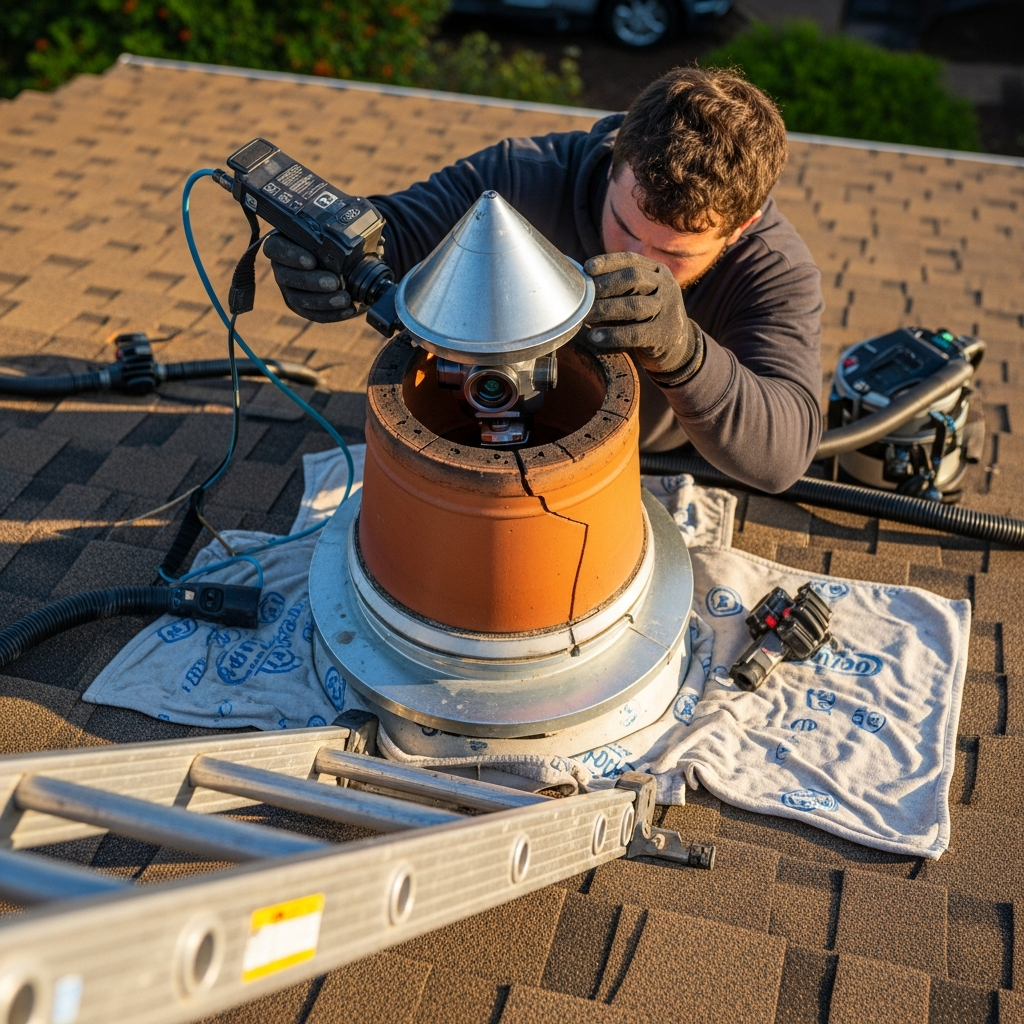
When a chimney professional arrives at a home in Sherman Oaks, the inspection they perform is not a quick glance and a few brush strokes. It is a sequence of observations, tests, and clean-up steps designed to make a fireplace safer, more efficient, and easier to live with through our unique Valley seasons. The visit begins at the hearth but quickly expands to the roofline, the attic, and sometimes even the surrounding rooms, because a chimney’s behavior is tied to the whole house. For homeowners who want clarity—who want to know exactly what is looked at and why—understanding the scope of a proper chimney cleaning and inspection is the first step to confident fireplace use. And right from the start, there is a simple truth: pairing routine checks with professional chimney cleaning keeps small issues from turning into major repairs.
The goals of an inspection are straightforward. The technician wants to verify that the flue is free of obstructions and excessive deposits, that the structure is sound, that the system drafts properly, and that all components—from the firebox to the cap—are doing their job. What varies from home to home is how those checks are carried out. A 1950s brick chimney serving a traditional wood-burning fireplace will be approached differently than a factory-built direct-vent gas unit in a remodeled hillside home. The principles remain the same, but the details are tuned to the construction, fuel type, and how the homeowner uses the system.
Beginning at the Hearth: Firebox, Damper, and the First Clues
The firebox tells a story. Soot patterns, hairline cracks in firebrick, the condition of refractory panels, and the shape and stability of the grate all offer hints. A clean firebox makes it easier to see those clues, which is one reason cleaning and inspection are traditionally paired. The inspector will note any loose mortar joints, gaps at the back corners, or unusual white efflorescence that can indicate moisture migration. They will also examine the ash bed, because its texture can reveal how the fires have been burning. Powdery gray ash suggests complete combustion; heavy black chunks can point to wet wood or poor airflow.
Next, attention moves to the damper. In older Sherman Oaks homes, throat dampers are common, and years of use may leave them a little stiff. The technician will check that the damper opens fully, closes tightly, and that the handle or cable linkage is secure. Any distortion of the damper plate or frame can indicate past overheating or warping. If a top-sealing damper has been installed, the inspector verifies the cable operates smoothly and that the lid seats well at the crown. A damper that does not seal is a hidden energy leak; a damper that does not open fully is a recipe for smoky starts.
Inside the Flue: Brushes, Cameras, and What They Reveal
Once the hearth area is protected, cleaning the flue begins. Specialized brushes appropriate to the liner—poly for stainless steel, wire for clay tile when needed—are used to dislodge soot and creosote. In Sherman Oaks, where seasonal use can vary widely between households, the amount and type of deposits can be all over the map. Lighter, fluffy soot is common after a stretch of small, well-aerated fires; sticky, tar-like patches show up when green wood has been burned or when fires smolder. The removal process is meticulous, with a high-efficiency vacuum keeping fine dust from escaping into the living area.
Modern inspections often include a video scan of the flue interior. This is the part homeowners tend to appreciate most because it replaces guesswork with imagery. A camera highlights cracks in clay tiles, shows offset joints, and reveals areas where the liner may be out of round or corroded. In some cases, you will see older repairs, such as poured liners or sleeves, and the inspector will comment on their condition. For factory-built systems, attention focuses on seams, joints, and insulation integrity. The goal is to confirm a continuous, heat-resistant path for combustion gases—no gaps, no intrusions, and no loose or missing tiles.
At the Roofline: Cap, Crown, Flashing, and Masonry
From the roof, the inspector evaluates the chimney’s armor against weather. The cap should be intact, properly screened with a spark arrestor, and securely fastened. Spark arrestors matter especially in our region, where dry, windy days can carry embers farther than you might expect. The crown—the sloped surface that directs water away from the flue—should be free of cracks. Small fissures are common after long, hot summers; left unaddressed, they admit water that can travel down the liner or into the brick.
Flashing is another critical point. It is the joint between the chimney and the roof, and when it fails, leaks follow. The inspector looks for lifted edges, missing sealant, or rust on step flashing. Water stains in the attic near the chimney can corroborate a problem even if the roof surface looks sound. Finally, the exterior masonry or chase receives a visual check. Are there spalling bricks? Is there efflorescence that indicates trapped moisture? Is the stucco cracked around the chase of a factory-built unit? Each of these clues helps form a complete picture of the system’s health.
Draft and Performance: How Your Fireplace Breathes
Beyond structure, inspectors care deeply about how a fireplace moves air. Draft is influenced by flue height, the temperature difference between the fire and outdoors, wind patterns at the roofline, and the pressure inside your home. In Sherman Oaks, that last factor is particularly important because many homes have been tightened with better windows and weatherstripping. If the house is too airtight, exhaust appliances like range hoods or bath fans can overpower the fireplace, drawing smoke into the room. During an inspection, the technician may test draft at start-up and under different conditions, noting how quickly smoke rises and whether it escapes cleanly. Sometimes, the recommendation is as simple as cracking a window near the hearth; other times, it may involve adjusting a top-sealing damper or considering make-up air solutions.
Gas Systems: Clean Flames and Clear Venting
For gas fireplaces and log sets, inspection takes a slightly different course. The burner pattern is evaluated to ensure flames are balanced and blue at their base with natural yellow tips. Soot deposition near the top corners of the firebox suggests incomplete combustion. The glass seal is checked for a tight fit to keep combustion byproducts separated from room air. Venting is scanned for obstructions, corrosion, or disconnected sections. Even though gas burns cleaner than wood, dust, lint, and spider webs can interfere with air intakes and pilot assemblies. The cleaning portion includes clearing these passages, wiping the glass with a proper cleaner, and confirming that safety features like oxygen depletion sensors or spill switches work as intended.
Creosote Types and Why They Matter
Not all creosote is created equal. Inspectors distinguish between the light, sooty kind that brushes away easily and the dense, glazed form that resists normal tools. Glazed creosote can ignite at lower temperatures and burn intensely, making it a serious hazard. In our area, it often develops after a series of cool, smoldering fires—think damp wood and closed-down dampers on a mild evening. When technicians encounter it, they will explain treatment options, which may include specialized mechanical removal or chemical treatments over multiple visits. The key is identification, and that only happens when a professional looks closely during a proper cleaning.
Attic and Surroundings: Clues Beyond the Firebox
Part of a thorough inspection may include peeking into the attic or crawl spaces to verify clearances to combustibles, look for heat staining on framing, or spot moisture trails. If a clay liner has cracked and allowed heat to transfer, the wood nearby can show a darkened, toasted appearance. Likewise, if flashing has leaked, insulation may be clumped and discolored. These are not the first places most homeowners think to check, which is why a systematic inspection adds value—you gain eyes on areas you rarely see.
Documentation and Homeowner Education
A quality inspection ends with a walkthrough and documentation. Photos from the camera scan, images of the crown and cap, and notes about damper condition or draft behavior give you a record of what was found. In Sherman Oaks, where homes range from lovingly preserved originals to ambitious remodels, this record becomes part of your home’s maintenance history. It helps you track changes over time and offers valuable context if you decide to sell or if you undertake renovations that might affect airflow and venting.
Equally important is the conversation you have with the technician. They can explain how your specific fireplace likes to be operated, where to set the damper on a typical Valley evening, and how to recognize the difference between a one-off draft hiccup and a pattern that deserves attention. Many homeowners find that a single visit demystifies the fireplace—what once felt finicky begins to behave predictably, simply because they understand how the system breathes and how the local environment nudges it.
Seasonal Timing and Why It Matters
Scheduling inspections ahead of the cool season has practical benefits. If the visit reveals a crown crack, a missing cap, or a liner issue, you have time to address it before the first rush of holiday fires. In our climate, late summer and early fall are ideal: the roof is dry, access is easy, and service calendars are more flexible. For households that burn frequently, a mid-winter check-in can catch early buildup or a screen clog at the cap caused by late-fall winds. The rhythm you establish—paired with regular chimney cleaning—keeps the system stable from first flame to last ember.
Special Considerations in Sherman Oaks
Our neighborhood topography introduces factors inspectors keep in mind. Homes tucked against hillsides sometimes experience down-drafts when winds push over the ridge and spill down to street level. Tall trees near the roofline can create turbulence that confuses draft. Remodels often add powerful kitchen hoods or tighter building envelopes that alter how air moves indoors. Inspectors recognize these patterns and can suggest practical adjustments, from extending a flue for better draft to recommending a top-sealing damper that fine-tunes airflow. The result is advice tailored not just to any home, but to your home in your part of the Valley.
What the Visit Feels Like as a Homeowner
From a homeowner’s perspective, a good inspection and cleaning is surprisingly low-impact. Floors are covered, tools are organized, and the process is explained. You may hear the soft rasp of brushes in the flue or a vacuum hum designed to capture fine particles. The technician moves from hearth to roof and sometimes to the attic, then back to the living room for a debrief. At the end, you have a cleaner fireplace, clearer air around the hearth, and a set of notes that give you confidence for the season ahead. For many Sherman Oaks residents, that confidence is the biggest benefit. It means your evening plans do not depend on trial and error; your fireplace is ready when you are.
FAQ: Your Inspection Questions, Answered
Q: What is the difference between a basic check and a more in-depth inspection? A: A basic evaluation accompanies cleaning and confirms that accessible components are sound and the flue is clear. More in-depth inspections use cameras, access panels, or attic checks to examine concealed areas when there are signs of problems or after events like earthquakes or remodels.
Q: Do gas fireplaces really need annual inspection? A: Yes. While they burn cleaner, seals, gaskets, and venting still age. Dust and debris can disrupt combustion, and verifying safe operation keeps performance high and odors down.
Q: Will the process make a mess? A: A professional setup includes floor protection and high-efficiency vacuums to capture fine soot. When done right, the living area remains clean, and any light residue near the opening is quickly wiped away before the technician leaves.
Q: Can an inspection find problems behind the walls? A: It can reveal signs that suggest hidden issues—like heat staining in the attic or moisture tracks—but truly concealed spaces may require additional steps. The initial inspection guides whether that is necessary.
Q: How long does a typical visit take? A: Most Sherman Oaks homes can be inspected and cleaned within one to two hours, depending on the chimney’s condition, the type of system, and roof access.
Q: What if I just moved in? A: Make an inspection part of your move-in checklist. It establishes a baseline, uncovers any urgent needs, and helps you understand how your new fireplace will perform in the neighborhood’s microclimate.
Be Ready for Your Next Fire
If you want the assurance that comes from a clean, documented, and well-understood system, schedule a comprehensive chimney cleaning and inspection before the season turns. You will step into cooler evenings with clarity, knowing your fireplace has been checked from firebox to cap and is prepared to warm both the room and the moments you create there.