
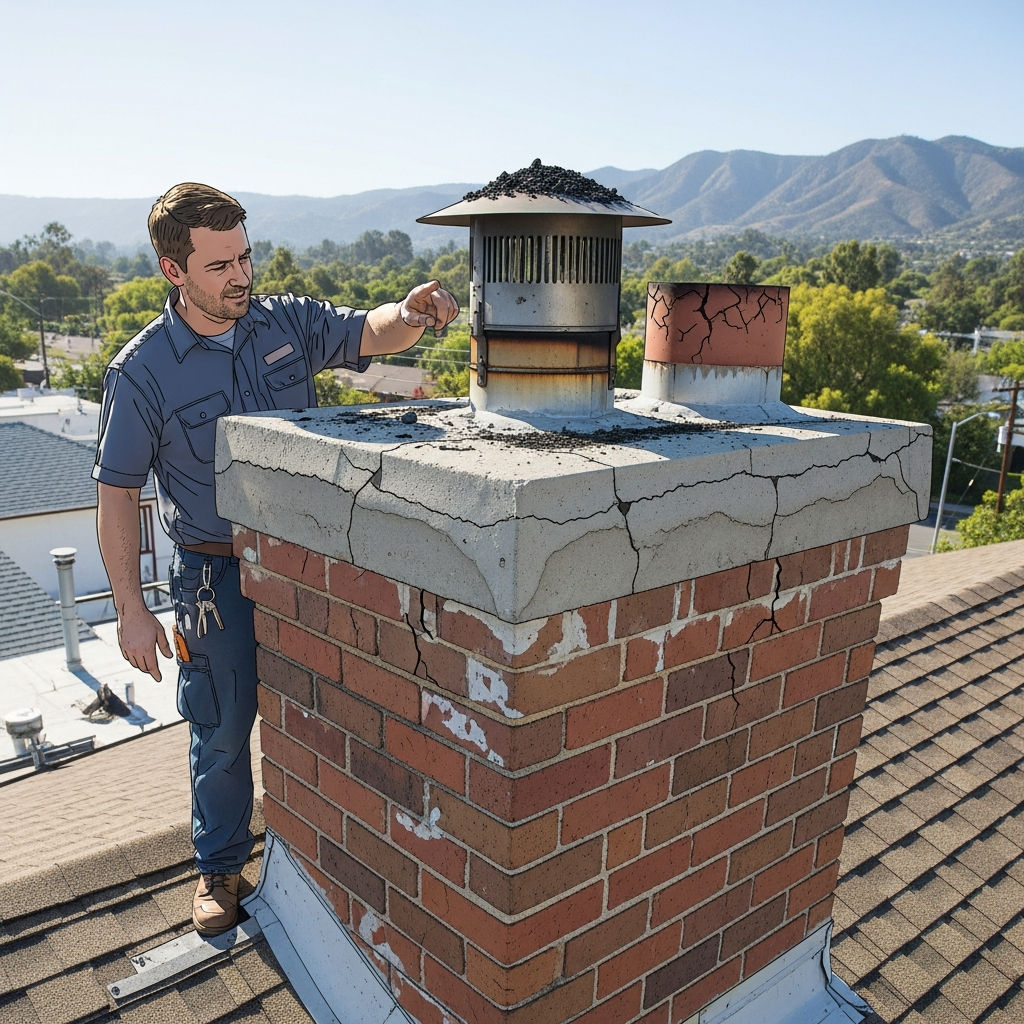
In Sherman Oaks, our fireplaces often carry stories across decades—quiet winter nights, gatherings that spill into the living room, and the simple ritual of striking a match when the evening finally cools. With that tradition comes a responsibility to notice what your chimney is telling you. Certain issues appear again and again in Valley homes, shaped by our climate, architecture, and the rhythms of seasonal use. Recognizing them early transforms fireplace ownership from reactive to confident. And at the heart of prevention is one recurring habit—regular professional chimney cleaning that clears away the residue which hides emerging problems.
Think of your chimney as a living part of the house. Heat, moisture, wind, and even the way you cook dinner affect how it behaves. Some symptoms are subtle: a faint whiff of smoke on a warm afternoon, a soot thumbprint that reappears on the hearth, or a change in the way kindling catches. Others are louder, like a gust pushing smoke into the room when the damper is set the same as always. All are worth your attention because they are messages from a system that protects you every time you light a flame.
Creosote Buildup: From Fluffy to Glazed
In our area, creosote shows up in multiple forms. After a season of small, lively fires fueled by dry wood, deposits may be light and flaky. They brush away readily. But after a string of slow burns with damp logs or closed-down dampers on mild nights, a shinier, tar-like coating can develop. This glazed creosote is tenacious and can ignite more easily. It also insulates the flue from heat transfer, which seems beneficial until you realize it can lead to hotspots and uneven expansion along the liner.
You do not have to be an expert to recognize the early signs. The smell of campfire that lingers the day after a fire often points to more than sentimental memory. It can indicate that deposits are interacting with warm air inside the flue. Over time, that odor intensifies, especially on hot Valley afternoons. Professional removal resets the system, and paired with better fuel and airflow habits, it prevents the cycle from repeating.
Draft Troubles and Negative Pressure
Draft issues are the reason many homeowners think their fireplace is “temperamental.” In Sherman Oaks, we add two local twists: kitchen range hoods and whole-house fans. Both are common upgrades and both can overpower a fireplace by pulling more air out of the house than the flue can replace. The result is smoke that hesitates or spills at start-up. Add a gusty evening, and the problem compounds. The fix can be as simple as cracking a window near the hearth until the fire is established or adjusting how you build your fires to encourage a hotter, quicker start. If you often notice a soft poof of smoke when a fan kicks on, mention it during your next cleaning so the draft can be evaluated with that context in mind.
Caps, Screens, and the Uninvited Guests
Crows, squirrels, and even the occasional raccoon find chimneys inviting unless a cap with a proper spark arrestor keeps them out. Around Sherman Oaks, Santa Ana winds can loosen fasteners and warp screens. A screen that is clogged with soot or laden with bits of leaves from stormy days can strangle draft without you realizing it. A cap that shifts can open a gap for birds to enter or for rain to track along the liner. From the ground, the chimney can look normal; from the roof, the story may be different. Regular rooftop checks during cleaning ensure that the top of the system is doing its quiet work.
Crowns, Flashing, and Moisture Intrusion
The crown is your chimney’s first line of defense against rain. Even in our relatively dry climate, small cracks are a gateway for trouble, because moisture and soot together form acids that attack masonry and metal. Flashing—the sheet metal that seals the joint where the chimney meets the roof—can also degrade under years of sun and heat. When flashing lifts or sealant fails, water finds a path under shingles and into the attic. Telltale signs include staining on the ceiling near the chimney or a musty odor after a storm. Cleaning does not fix those elements, but it clears surfaces and reveals early indicators before they become leaks.
Spalling Brick and Efflorescence
On older brick chimneys, you may notice faces of bricks flaking or popping off. That is spalling, often caused by moisture cycling through freeze-thaw—even mild versions of it—or by salts crystallizing within the brick. Efflorescence, those white, powdery streaks, is the residue of salts carried to the surface by water. Both signal moisture management issues. When soot coats the interior and slows drying, moisture has more time to do its work. Cleaning the flue and addressing the crown and cap help restore balance and protect the masonry.
Cracked Flue Tiles and Metal Liner Wear
Inside the chimney, clay flue tiles can develop vertical cracks or offset joints. Metal liners can corrode or deform. You may never see these problems without a camera inspection following a thorough cleaning, because soot hides hairline fractures and masks the dulling or pitting on stainless steel. Why it matters is simple: the liner provides a continuous, heat-resistant path for exhaust. Any gap can allow heat to escape into framing or the attic, and any roughness inside the liner can catch soot, accelerating buildup. Camera imagery makes these conditions visible and guides appropriate repairs.
Seismic Shifts and Settling
We live in earthquake country. Even small tremors can nudge a chimney out of perfect alignment. Mortar joints open slightly, crowns crack, and caps loosen. These changes are often subtle and cumulative. After a noticeable quake, even if nothing seems wrong, a cleaning and inspection is wise. It provides peace of mind and catches small misalignments before they propagate into something larger under the stresses of heat and wind.
Stains, Odors, and Off-Season Surprises
Summer is when many homeowners least expect chimney issues to declare themselves, yet it is when odors often rise. Warm air flows upward through the flue, drawing the scent of cold soot into the room if the damper is not perfectly sealed. If you notice a stronger smell on hot afternoons, especially when the AC is running and the house is closed up, deposits are the likely culprit. Another surprise can be a faint watermark on the ceiling near the chimney after the first autumn rain. That is your cue to look at flashing and the crown before winter sets in.
Factory-Built Systems and Gas Fireplaces
Prefabricated fireplaces and gas units avoid some traditional masonry issues, but they have their own concerns. Gaskets age, glass hazes, and vent pipes can separate or corrode at joints. The result may be faint soot at the corners of the firebox or a smell that is not quite right when the flame is on. During cleaning and inspection, technicians verify the integrity of venting, the condition of the glass seal, and the flame pattern. These units may look maintenance-free, but they still depend on clear pathways and tight seals to operate safely and cleanly.
The Role of Habits: Fuel and Fire-Building
Many of the issues we see are not the result of one bad fire but of patterns. Burning damp wood repeatedly, starving fires of air, or closing down the damper too soon to “hold in” heat leaves behind layers that add up. Conversely, a routine of dry fuel, generous air at start-up, and mindful use of the damper produces cleaner burns and easier draft. When you pair good habits with scheduled chimney cleaning, you dramatically reduce the odds of surprise problems.
Reading the Room: How Your House Interacts with the Fireplace
Homes work as systems. Tight windows, powerful kitchen hoods, attic fans, and even how often doors open and close during an evening can change how air moves. If you remodeled recently and your fireplace behaves differently, it is not your imagination. You adjusted the house; the fireplace is responding. A professional can help you dial in the new balance with simple steps like cracking a nearby window, adjusting a top-sealing damper, or in rare cases considering additional make-up air.
From Detection to Prevention
The best way to “watch for” chimney issues is to make them visible. That is the role of cleaning paired with inspection. Soot and creosote hide hairline cracks, small leaks, and early corrosion. Remove them, and the system’s condition is revealed. With that clarity, preventative repairs are straightforward and cost-effective, and your seasonal experience becomes smooth rather than stressful.
FAQ: Common Concerns in Sherman Oaks
Q: Why does my fireplace smell on hot days? A: Warm air moving up the flue can pull odors from deposits into the room, especially if the damper does not seal tightly. Cleaning reduces the source of the smell, and verifying damper fit helps, too.
Q: I hear rustling in the chimney. What should I do? A: Avoid lighting a fire and schedule an inspection. Wildlife or debris in the flue is common when caps are loose or screens are damaged. A professional will remove obstructions safely and check the cap.
Q: Smoke spills into the room only when the kitchen fan is on. Is that normal? A: It is a sign of negative pressure. The fan is competing with the fireplace for air. Try turning it off during start-up or crack a nearby window slightly. If the problem persists, have draft evaluated during cleaning.
Q: Are glazed creosote deposits dangerous? A: Yes. They ignite more easily and burn intensely. Specialized removal is often required. The best prevention is burning dry wood with plenty of air and keeping to a regular cleaning schedule.
Q: How often should I check my cap and crown? A: Have them evaluated during your annual inspection and after major wind events. In our climate, seasonal sun and Santa Ana winds can accelerate wear.
Q: My gas fireplace glass keeps getting dirty. Is something wrong? A: Possibly. It can be as simple as dust and normal byproducts, or it may indicate combustion that needs adjustment. An inspection will confirm that the venting and burner pattern are correct.
Stay Ahead of Issues and Enjoy the Fire
If you have noticed any of the signs above—or if you simply want the comfort of knowing your system is in top form—now is a perfect time to act. Schedule thorough chimney cleaning and an inspection tailored to Sherman Oaks homes, and settle into the season with confidence that every fire will be steady, safe, and satisfying.