
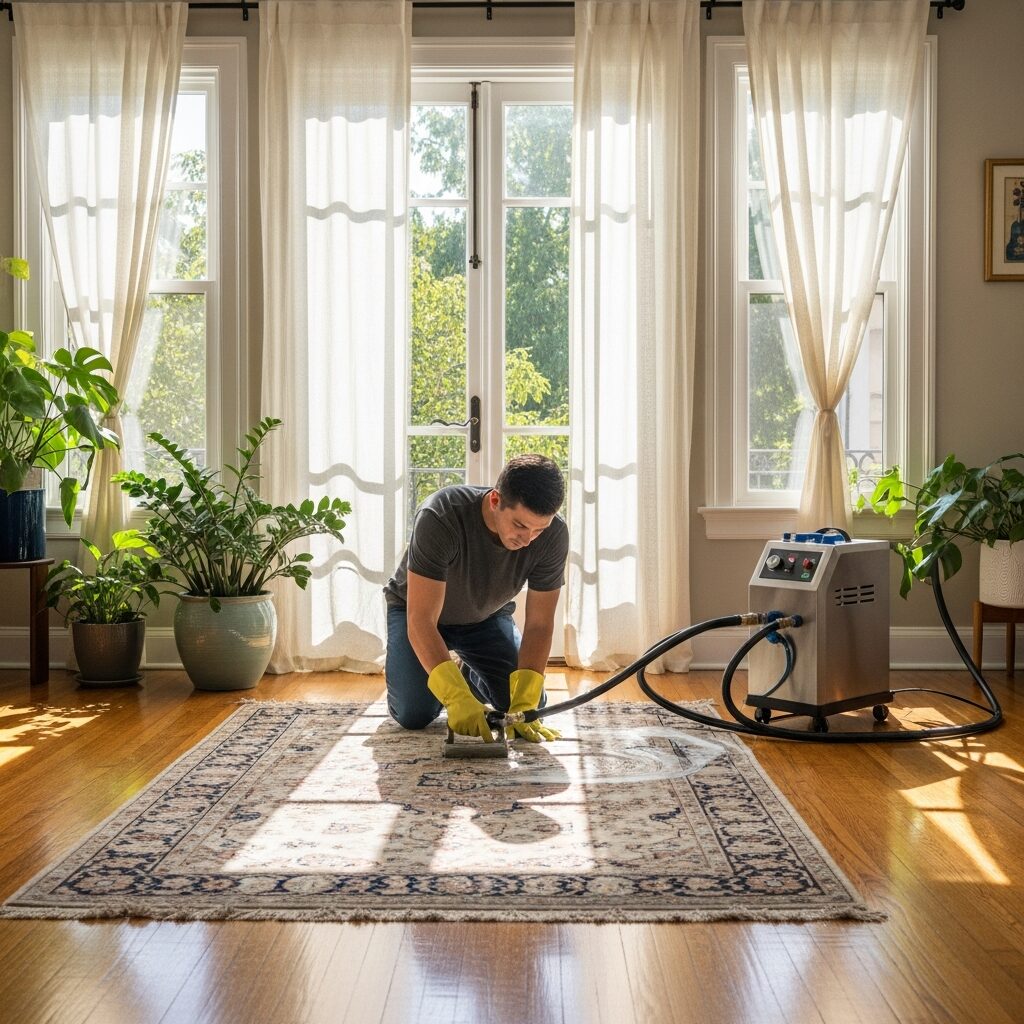
Trusted Care for the Rugs That Make Your House a Home
There is something unmistakably Sherman Oaks about a well-loved area rug: a blend of comfort and style that reflects the Valley’s easygoing warmth and the subtle sophistication of our tree-lined streets. I’ve spent years helping neighbors revive their textiles after busy seasons of entertaining, summer dust blowing in from the canyons, and the occasional coffee mishap on a weekend morning. When folks ask where to turn for dependable results, I always emphasize the importance of a thoughtful, local approach to rug cleaning—the kind that understands our climate, our homes, and the stories our rugs hold. A trusted service should treat every piece as if it belongs in its own living room: carefully, patiently, and with an eye for both comfort and longevity.
Living here means sunlit rooms and open doors, where energy flows easily and so does dust, pollen, and the fine grit that sneaks in on shoes and paws. That gentle film that seems to appear out of nowhere does more than dull a rug’s colors; it also grinds into fibers with each step. Over time, this can lead to premature wear and a flat, tired look. Sherman Oaks homes often feature hardwood floors, which we love for their clean lines and natural beauty, but they also reflect and move dust more than carpeted spaces. That’s where professional attention really shines: removing embedded soil that vacuums miss, releasing odor trapped in the pile, and restoring that plush step you notice the moment you pad across the room.
Why Professional Cleaning Matters for Area Rugs
Area rugs are not like wall-to-wall carpet. Their construction ranges from hand-knotted wool and hand-loomed cotton to machine-woven synthetics and blended fibers. Each style behaves differently in water, reacts to cleaning agents with its own temperament, and requires a technique that respects its structure. A skilled cleaner begins by identifying the fiber and construction, from the density of the pile to the quality of the dye and the character of the foundation. That evaluation shapes the plan: whether a gentle immersion is best, a low-moisture surface treatment, or a more thorough wash that suspends soils before they are rinsed away. When this step is skipped, colors can bleed, fringes can fray, and a rug can lose its body and drape. When it’s done correctly, the results are a brighter, softer, more resilient textile.
There is also the question of what we don’t see. Over time, fine particulates filter down into the base of the rug where they settle like sand. Even with careful vacuuming at home, much of that grit remains hidden, and it acts like micro-abrasive on every footfall. Proper dusting—using vibration, compressed air, or controlled beating—shakes loose that sediment before the wash. This is one of the essential distinctions between a quick surface clean and a full professional service. When dusting is paired with a tailored wash and careful drying, the rug not only looks better, it also lasts longer, preserving both its comfort underfoot and its value as a part of your home.
The Local Difference in Sherman Oaks
In Sherman Oaks, we see a characteristic blend of lifestyle patterns that inform how rugs should be cleaned. Open windows in the evening invite in cool canyon breezes—and with them, airborne allergens that love to nest in soft fibers. Families with kids and pets create cozy, high-traffic zones around coffee tables and sofas, where crumbs and spills become part of daily life. Our sun is wonderful for the mood but can be harsh on dyes if a rug sits in a bright patch for too long. A local expert understands all of this and suggests a care rhythm that aligns with real living: routine vacuuming that keeps surface dust in check, periodic rotation of rugs out of direct sunlight, and scheduled professional cleanings that address what home maintenance can’t. This approach gives your rug the best chance to thrive through busy seasons and calm ones alike.
Local knowledge also extends to handling logistics in older homes and newer builds. Narrow stairways, tight corners, and the weight of a larger hand-knotted rug can make moving and drying a challenge. A trusted service will plan pickup and return with care, ensure proper support so the foundation is not stressed, and dry rugs in a way that avoids warping. Drying is more than a final step—it’s a safeguard for shape and color, and a key factor in returning a rug that lies flat and looks beautifully even across the pile.
From Inspection to Finishing: What Great Service Looks Like
A dependable process starts with a thorough inspection under good light. The cleaner maps traffic patterns, notes pet or beverage spills, checks for prior repairs, and tests for dye stability. If a fringe is weakened or the side cords are loosening, that is flagged for reinforcement after the wash. With the plan in place, dusting removes trapped grit, and a fiber-appropriate pre-treatment loosens oils and discoloration without attacking the dye. The wash method might be an immersion bath for durable, stable pieces or a controlled, low-moisture technique for delicate constructions that require a lighter touch. Rinsing is equally careful, ensuring soils and solutions lift away, leaving the fibers free to breathe again.
Drying is tailored to the rug. A wool pile may be groomed and dried in a way that sets the nap uniformly so that light plays across the surface evenly. Cotton and viscose blends might require special attention to prevent stiffness or sheen changes. Once dry, your rug is brushed, lightly vacuumed, and finished so the texture feels right underfoot. If fringe repairs or edge bindings are needed, they are completed with matching materials and discussed with you in advance so the result is both durable and sympathetic to the rug’s original character.
Common Challenges: Spills, Odors, and Sun Fade
Every home tells its story on the rugs. Wine or tea spills can leave tannins that bind to fibers, making a simple damp cloth inadequate. The right pre-treatment can release those stains, but only if the dye remains stable. Pet accidents are another reality of joyful households, and they require more than deodorizers. Urine crystallizes as it dries, and those salts attract moisture from the air, reactivating odors even after a space smells fine for a while. Professional odor treatment addresses the problem at the source, neutralizing residues rather than simply masking them. As for sunlight, gradual fade can change a rug’s harmony over time. Rotating the piece every few months and drawing sheer curtains during peak hours can help preserve color balance, and a cleaning that lifts dulling soil often reveals a more vibrant palette than you realized was hiding there.
Everyday Care Between Professional Cleanings
It’s amazing how far consistent, gentle maintenance will carry a rug. A weekly vacuum with a canister model and an upholstery tool, moving with the direction of the pile, preserves texture without pulling on the edges or fringe. Occasional flipping—briefly, and with help for larger pieces—lets you vacuum the back and release grit from the foundation. Prompt, cool-water blotting after spills buys crucial time until a professional can help; rubbing only drives the stain deeper and distorts delicate fibers. If your rug lives in a sunny spot, remember to rotate it so one section doesn’t age faster than the rest. These habits keep a rug presentable day to day, while the deeper professional work resets it fully when the time comes.
How Often Should You Schedule Cleaning?
There isn’t a single calendar that fits every home, but traffic and lifestyle are good guides. A quiet guest room rug might only need attention every couple of years, while the living room centerpiece in a busy household will benefit from more frequent care. Allergies can be another driver; a thorough wash removes allergens that light vacuuming misses and can make a noticeable difference during spring and fall. Local conditions in the San Fernando Valley—seasonal winds and dry spells—add to soil load, which is why homeowners here often notice their rugs dull sooner than expected. Scheduling cleanings before soil becomes visibly heavy preserves texture, supports dye integrity, and extends the life of your investment.
Choosing a Service You Can Trust
Trust grows from transparency and craftsmanship. Ask questions and look for clear, confident answers. A reputable cleaner will explain their inspection process, discuss fiber identification, describe dusting and drying methods, and set expectations about what can and cannot be achieved, especially with long-standing stains or color changes from sun. They will also talk through protective measures for delicate dyes and materials. When you hear a methodical plan tailored to your rug, you know you’re in steady hands. Somewhere in the middle of that conversation, it often becomes clear why experienced area rug cleaning is as much an art as a science: it’s about making the right choices at each step so the whole piece comes back to life, not just the surface.
Preserving Character While Gently Modernizing
One of the pleasures of working with area rugs in Sherman Oaks is seeing how different eras live together in our homes. A vintage Persian runner can sit comfortably beside a contemporary, hand-tufted wool rug, and each contributes something distinctive to the space. Good cleaning honors that mix. Older rugs may carry a wonderful patina that should not be scrubbed away; newer pieces might have sheens or textures that call for minimal agitation. A thoughtful cleaner wants to protect a rug’s character, enhance what time has added, and support the look you curated for your rooms. That’s the kind of care that makes homes feel assembled, not decorated, and why homeowners return to the same trusted service year after year.
Aftercare: Pads, Placement, and Peace of Mind
Once your rug is refreshed, consider how it meets the floor. A good pad adds cushioning, keeps the rug stable, and reduces friction on the back of the rug and the finish of your flooring. Placement matters too. If a favorite reading chair tends to swivel over the same spot, look at small furniture coasters or a subtle shift in layout to distribute pressure. Seasonal habits help as well: rotate rugs before holidays or extended gatherings, and if you notice a slight wave after rearranging furniture, give the fibers time to relax. The small choices add up to longer life and a consistent appearance that greets you every time you walk through the door.
When Repairs Make Sense
Edges and fringes take the brunt of daily life. If you see binding coming loose or a fringe thinning unevenly, timely attention prevents larger, costlier restoration later. A good repair respects the rug’s original structure, matches materials, and secures vulnerable areas without adding stiffness. It is not about making an old rug look new, but about stabilizing it so it can keep doing its job with beauty. Paired with regular cleanings, these minor interventions become part of the stewardship that keeps a well-loved piece in rotation for decades.
Frequently Asked Questions
How do I know my rug needs professional cleaning?
Trust your senses. If colors seem muted even after vacuuming, if an odor returns a day or two after home cleaning, or if walking across the rug feels a little flat, it’s likely time. A gentle lift of the pile to check for grit at the base can also tell you a lot. In our local climate, many living room rugs benefit from professional attention more often than homeowners expect.
Will cleaning make my rug shrink or colors bleed?
Proper identification and testing prevent those issues. Before any wash, dyes are checked for stability, and the construction is evaluated so the method respects the rug’s materials. With the right approach, colors remain true and the piece dries to its correct shape. Problems usually arise when a rug is treated generically rather than with a plan tailored to its fiber and structure.
What should I do right after a spill?
Blot promptly with cool water and a clean, white cloth, working from the outside of the spill inward. Avoid scrubbing or using harsh cleaners, which can set the stain or distort fibers. Quick, calm action buys time until a professional can perform a proper treatment that targets the spill’s chemistry without harming the dye.
Is it safe to have my antique rug cleaned?
Yes, provided the cleaner understands antique construction, natural dyes, and appropriate drying methods. Many older rugs respond beautifully to gentle washing and correct grooming. The key is an evaluation that respects age, condition, and the kind of wear that gives an antique its charm.
How can I reduce allergens in my home through rug care?
Routine vacuuming removes surface dust, but a professional dusting and wash are what truly purge embedded allergens. In homes where windows are often open, or where pets track in outdoor particles, that deeper reset can provide very noticeable relief, especially during seasonal peaks.
Can pet odors really be removed?
They can, when the treatment reaches the source. Pet accidents leave residues that reactivate in humidity. A professional process addresses the contamination within the fibers and, when necessary, through the foundation, neutralizing rather than masking. The result is a cleaner smell that lasts, not a temporary fragrance overlay.
Ready to Refresh Your Rugs
If your rugs have lost a bit of their sparkle or you want to set up a regular care rhythm that suits your Sherman Oaks lifestyle, now is a great time to act. Reach out to a team that knows how to balance craftsmanship and convenience, and that treats each piece with the same attention you would. Your home deserves to feel its best every day, and so do you. Start the conversation today and explore how thoughtful, expert rug cleaning can bring renewed comfort and color back underfoot.