
Wool Rugs and the Rhythm of Sherman Oaks Living
In Sherman Oaks, wool rugs are part of the fabric of daily life. They ground our living rooms, soften our bedrooms, and turn bright, open spaces into warm retreats. I’ve spent years guiding neighbors through simple, proven habits that keep wool looking beautiful between professional visits. What surprises many people is how small, consistent actions make the biggest difference—quiet routines like gentle vacuuming, swift spill response, and mindful rotation. When friends ask where to begin, I always start with the basics and remind them that great results come from pairing smart at-home care with periodic expert rug cleaning. Here in the Valley, our sun, seasonal breezes, and the dust that sneaks in with our pets and shoes all influence how wool behaves, and a local approach will always serve you best.
Wool is a remarkable fiber. It’s naturally resilient, inherently stain-resistant thanks to its protective lanolin, and capable of bouncing back after compression better than most materials used in home textiles. But even a strong fiber needs a light touch. High heat, aggressive agitation, and harsh chemistry strip away the very qualities we admire. In Sherman Oaks, where many of us enjoy opening windows in the evenings and rely on our rugs to absorb the comings and goings of busy households, maintenance is as much about respecting wool’s nature as it is about achieving a spotless look. When you understand the fiber, you can keep your rug feeling lush and looking vibrant year after year.
Vacuuming the Right Way
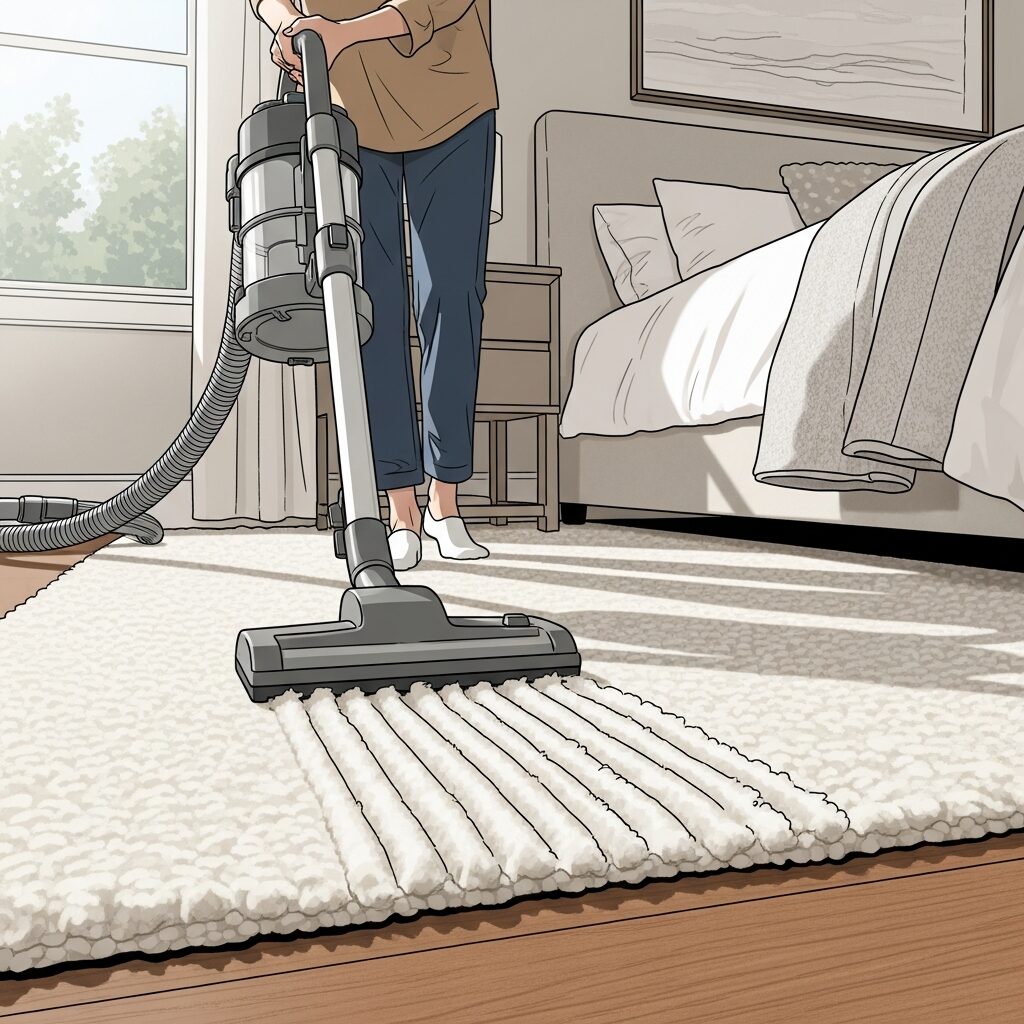
There is a world of difference between vacuuming and vacuuming well. With wool, the tool and technique matter more than time spent. I suggest a canister vacuum or an upright with the beater bar turned off, using a smooth upholstery tool or a suction-only head. Glide with the direction of the pile in steady passes instead of aggressive back-and-forth strokes. This preserves the twist in the yarn and reduces fuzzing. If your rug has fringe, stop short and clean it separately with a gentle hand to avoid tangles or snags. Weekly attention usually keeps soil from settling deep into the pile, especially in living areas where friends gather and pets nap on sunny afternoons.
Don’t be alarmed by a bit of initial shedding on new wool rugs; it’s common and manageable. As the pile settles and loose fibers release, shedding tapers off. Consistency is your ally. Gentle passes once or twice a week are far more effective than an occasional, vigorous session. Think of it as keeping the dance floor clear so grit doesn’t grind in with every step across your home.
Spot Care That Works
Life happens, and with it come drips, drops, and splashes. The first rule for wool is also the simplest: act quickly and stay calm. Blot, don’t rub. A clean, white cloth and cool water can accomplish more than most bottled solutions when you move promptly. For drinks like tea or wine, gentle blotting followed by another clean cloth dampened with cool water often lifts the majority of the issue. If a spot lingers, a small amount of a wool-safe, neutral pH solution can help, but less is always more. Over-wetting or dousing the area risks pushing the spill deeper into the backing or inviting dye migration. Your goal is to remove what you can from the surface and then let a professional address what remains during the next full cleaning.
Grease-based mishaps—think a smudge from a snack or a stray bit of salad dressing—ask for a slightly different approach. Again, blotting leads. A tiny amount of a mild, wool-friendly detergent on a damp cloth can emulsify the oily component without stripping the fiber. Rinse the cloth and blot again with clean water to remove any residue. Patience pays off; several gentle cycles of blot and rinse are safer and more effective than any aggressive scrubbing.
Managing Odors in a Sunny, Active Home
Odor in wool rugs usually traces back to what’s nestled below the surface: spills that traveled into the pile, the occasional pet accident, or just the everyday mix of life. Our warm, dry climate can mask lingering issues because moisture levels are low—until a humid day or a deep-clean attempt wakes the smell back up. The best at-home strategy is prevention through prompt blotting and regular vacuuming, then scheduling periodic professional work that addresses the foundation. When the time comes, an expert will dust the rug thoroughly and use a wool-safe wash that neutralizes odors without roughing up the fibers. Between those visits, good airflow and routine care keep your rug feeling fresh.
Rotation, Sunlight, and Pile Direction
Sherman Oaks homes are bright, and that light is both a gift and a challenge. Sunlight can slowly shift a rug’s palette, nudging certain hues toward softer tones. Rotating your rug every few months helps spread that change evenly so one section doesn’t age faster than the rest. Rotation also evens out foot traffic so the fibers wear in harmony. When you groom the pile lightly by hand—just a gentle brush in the direction of the nap—you’ll notice how the rug reflects light differently depending on which way the yarn lays. That’s normal and part of wool’s charm. After a professional cleaning, the pile is reset, and the sheen evens out again, which is one reason homeowners are often surprised by how radiant their rug looks when it returns.
Proven Home Methods, Simply Explained
Reliable home care is not about fancy gadgets; it’s about clarity and restraint. Keep a stack of white cotton cloths handy in a kitchen drawer. Fold one several times into a firm pad whenever you need to blot. Use cool water and the lightest touch that does the job. If you keep a wool-safe spot cleaner on hand, make sure it’s neutral pH, colorless, and designed for natural fibers. Test in an inconspicuous corner and use less than you think you need. Rinse your cloth and blot with clean water afterward, then press a dry cloth to absorb moisture. Slip a fan nearby to encourage air movement and help the area dry evenly.
It also helps to think in layers. Surface soil yields to vacuuming. Fresh spills respond to blotting. Anything that lingers in the foundation calls for professional attention. This layered mindset prevents well-intended overreactions that can do more harm than good. If in doubt, pause and consult a local pro who knows wool. Quick advice over the phone can save a lot of second-guessing and keep a minor issue from becoming a bigger one.
When to Call in the Pros
Even with excellent at-home care, wool rugs benefit from periodic deep cleaning. The interval depends on traffic, pets, and placement. A bedroom rug might be fine for a longer stretch, while a living room centerpiece that hosts family movie nights and weekend gatherings will need attention sooner. If you notice a persistent dullness that survives vacuuming, or if an odor returns a day after a home cleanup, it’s a sign to schedule a wash. Professional dusting removes what vacuums can’t reach, and a wool-appropriate bath releases bound soils while preserving dye and texture. Partnering your home routine with skilled rug cleaning creates a cycle that keeps your rug feeling luxurious.
Pads, Floors, and the Subtle Art of Comfort
A quality rug pad is a quiet hero in wool care. It cushions steps, reduces slippage on hardwood, and cuts down on friction at the base of the pile. In our mix of classic Valley ranch homes and sleek modern spaces, that extra bit of give adds comfort and reduces wear, especially along the travel paths between kitchen and living areas. A good pad also enhances airflow under the rug, helping it dry more quickly after light spot work and maintaining a more comfortable feel across seasons.
Kids, Pets, and Real Life
I often remind clients that a wool rug is meant to be lived on. It gains character from the everyday joys of your household, and with the right habits, it weathers those joys with grace. Teach children to bring drinks to the table and to kick off dusty shoes at the door. Keep a clean cloth in easy reach so you don’t scramble in the moment. For households with pets, regular brushing outdoors reduces shedding that settles onto rugs, and a brief paws-and-feet wipe on stormy days keeps extra soil at bay. These are small rituals, but they add up to rugs that look and feel good year after year.
Seasonal Rhythms in the Valley
Our local climate shapes wool care in subtle ways. During dry, breezy periods, fine dust finds its way indoors no matter how careful we are; that’s a cue to be a bit more diligent with vacuuming. In cooler months when windows stay closed, indoor humidity can change how odors behave and how spills dry. A steady, moderate approach—no extremes of heat or moisture—keeps wool happy. If you air out your home on weekends, roll back a corner to let a little fresh air move beneath the rug now and then. It’s a simple habit that refreshes the floor beneath and the pad as well.
Frequently Asked Questions
Why does my wool rug shed, and will it stop?
Shedding is normal for many new wool rugs as loose fibers work their way free. With consistent, gentle vacuuming and everyday use, shedding typically diminishes over time. If shedding remains heavy after several months, a professional evaluation can confirm the rug’s construction and suggest adjustments to care.
Can I steam clean a wool rug at home?
It’s best to avoid household steam cleaning on wool. High heat and uncontrolled moisture can distort the pile, encourage dye bleed, and lead to stiffness as the rug dries. A controlled, wool-safe professional method achieves a deeper clean without risking the fiber’s structure.
What should I do if a pet accident happens?
Blot immediately with a white cloth and cool water. Avoid scrubbing or using strong deodorizers. Odor often settles into the foundation, which is why professional treatment is recommended soon after. In the meantime, prompt, gentle blotting reduces the impact until a thorough cleaning can neutralize the residue.
How can I tell the direction of the pile?
Run your hand lightly across the surface. One direction will feel smoother and reflect light more evenly, while the other will feel slightly rougher and appear a bit darker. Vacuum and groom with the smoother direction to preserve the yarn’s twist and maintain an even look.
How often should wool rugs be professionally cleaned?
It depends on traffic, pets, and placement, but many Sherman Oaks living rooms benefit from yearly or as-needed attention when the rug begins to look dull despite regular vacuuming. Bedrooms and low-traffic areas can often go longer. The goal is to address embedded soil before it affects texture and color.
What if my rug has a lingering odor even after I clean a spot?
That usually means the issue reached the backing or foundation, where home methods can’t fully neutralize it. A professional dusting and wool-safe wash target residues at the source, which is why the rug often smells fresh again after an expert service.
Bring Your Wool Rug Back to Its Best
If your wool rug feels a step duller than it used to, or if you want to set up a practical routine that supports your busy Sherman Oaks lifestyle, this is a great moment to act. Combine the simple home methods above with the confidence of skilled, local rug cleaning, and you’ll enjoy that springy, luminous feel underfoot every day.