
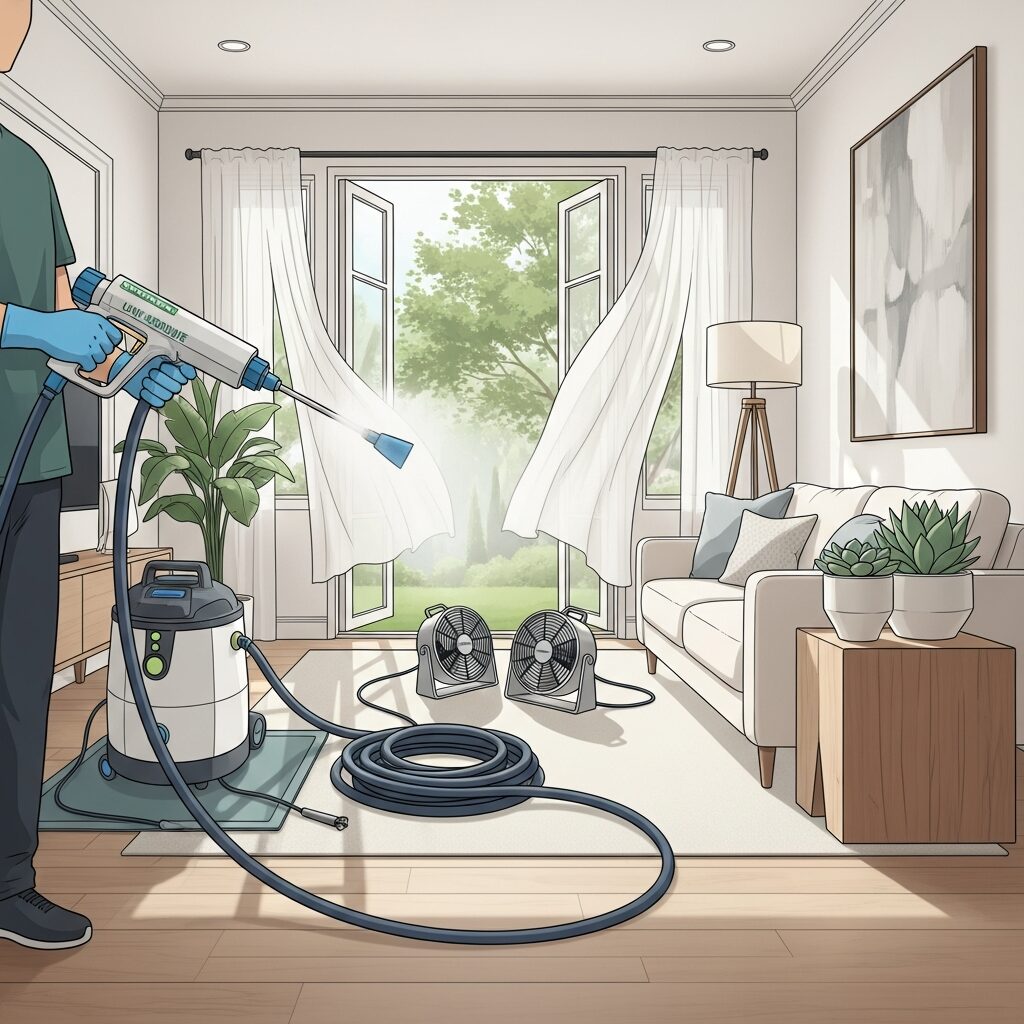
Walk down any Sherman Oaks block on a weekend and you’ll spot the patterns that define how we live now: doors propped open to invite the breeze, patios turned into second living rooms, and kids drifting from playrooms to backyards with a trail of snacks and sandals in tow. Our floors do the quiet heavy lifting in this lifestyle, and in recent years, the way we care for carpets has evolved to match. New materials, smarter techniques, and sustainability-minded approaches are shaping what clean looks and feels like in the Valley. For homeowners paying attention, these carpet cleaning trends are more than buzz—they’re practical shifts that make daily living easier and interiors feel more refined. Even better, they’re designed for our climate, our homes, and the way Sherman Oaks households actually use their spaces, from morning lattes to late-night streaming marathons.
The most obvious trend is an insistence on fast, even dry times. Life moves quickly here. Guest rooms double as offices, living rooms moonlight as gyms, and stairs carry the heaviest daily traffic in multilevel townhomes near Ventura Boulevard. Modern methods calibrate water volume and heat to speed evaporation without sacrificing rinse quality, so rooms return to use the same afternoon. That precision matters during June Gloom or after a rainy spell when humidity slows everything down. Faster dry times also mean fewer opportunities for musty odors to take hold, keeping the home’s baseline scent clean and neutral regardless of weather swings.
Low-Residue Cleaning as the New Standard
Another visible shift is toward chemistry that minimizes residue. Traditional detergents can leave behind a faint film that attracts soil, creating the frustrating cycle of carpets that look dingy soon after cleaning. In Sherman Oaks—where open windows, canyon breezes, and regular entertaining maintain a steady stream of microscopic grit—residue acts like a magnet. The trend now favors biodegradable solutions balanced for thorough rinsing. When fibers are left neutral rather than soapy, they resist re-soiling, feel softer underfoot, and reflect light more evenly. The difference shows up weeks later when vacuuming stays satisfying instead of becoming a losing battle.
This approach dovetails with healthier indoor environments. Families with allergy-prone members or sensitive pets appreciate that low-residue cleaning doesn’t leave lingering perfumes or chemical scents. Instead, rooms return to their natural state, ready to take on the aromas you choose—the first pot of coffee on a Saturday, rosemary drifting in from the garden, or the clean whisper of conditioned air on a hot August day.
Eco-Savvy Methods for a Conservation-Minded Neighborhood
Sherman Oaks has embraced drought-tolerant landscaping, energy-efficient retrofits, and thoughtful recycling. Carpet care is catching up. Water-conscious techniques and precise extraction reduce waste without compromising results. Many providers now emphasize plant-derived cleaning agents and responsible disposal practices, aligning with household values. The goal is straightforward: a deep clean that fits your environmental ethic. When combined with efficient dry times, this approach lets you maintain hospitality-ready rooms while keeping resource use in check.
There’s also a quiet move toward equipment that runs smarter. Adjustable agitation, improved filtration on vacuums, and targeted spot tools reduce noise and disruption—important in close-knit streets where midafternoon service can overlap with remote work and nap schedules. Sherman Oaks is neighborly; crews that manage hoses neatly and protect corners with care reflect the same courtesy you extend when you keep hedges trimmed and sidewalks swept.
Specialized Care for Mixed-Floor Homes
Many local homes blend hardwood, tile, and carpet with area rugs that anchor seating zones. Trends now recognize that these layers require tailored strategies. Better dusting methods for rugs, careful pH control for wool, and low-moisture approaches for upstairs hallways all coexist in a single service plan. The benefit is aesthetic continuity: color and texture restart across surfaces so the whole home reads as crisp and composed. Homeowners notice it in the way a patterned rug regains dimension after proper dust removal or how a plush bedroom pile feels buoyant again instead of matted at the foot of the bed.
Stairs, a notorious challenge in townhomes and split-level renovations, are getting more love too. Focused agitation and controlled moisture deliver deeper results on treads and risers without prolonged drying. Since stairs act like bellwethers for the whole house—everyone uses them, every day—the improvement radiates outward: high-traffic areas stop dragging the visual standard down, and the rest of the rooms feel elevated by comparison.
Pet-Friendly Solutions That Actually Work
Sherman Oaks is a pet town. Dogs nap in sun patches along living room windows. Cats patrol the sofa backs. With that joy comes the occasional accident and plenty of paw traffic. A welcome trend is smarter odor and spot management that prioritizes source removal over fragrance cover-ups. Enzyme-based treatments matched to the chemistry of the problem deliver real results, especially when combined with thorough rinse and extraction. The outcome is a home that smells like itself again—a relief during those muggy mornings after a rare overnight rain when stale odors otherwise tend to resurface.
Equally important is prevention. Protectants applied with an eye for fiber type and room usage buy you time to blot spills before they lock in. In family rooms, this translates into fewer panicked scrubs after pizza night and more confidence that a toppled glass won’t become a permanent reminder. The modern mindset is pragmatic: prepare the carpet to collaborate with your habits instead of expecting the household to change course mid game.
The Aesthetic Reset: Color and Light
True clean has a look to it. Not glossy, not perfumed—just even. A defining trend is the emphasis on fiber grooming after rinse. By setting the nap in a single direction, technicians help light flow consistently, which makes colors deepen and patterns emerge. This matters in Sherman Oaks where sunlight tracks across floors like a slow-moving spotlight. After a proper clean and groom, that beam reveals texture rather than flaws. Beige shifts from dull to warm, gray from flat to layered. Area rugs regain their rightful place as design anchors rather than visual noise.
For homeowners mindful of design, this grooming step resolves the irritation of traffic shadows along key paths—kitchen to sofa, front door to hallway, slider to breakfast nook. By targeting those lanes, the overall presentation sharpens. You don’t have to rearrange furniture or layer new rugs to hide wear; the floor simply reads fresh again.
Scheduling Around Real Life
Another trend is flexibility that mirrors how people actually live. Weekday afternoon slots when kids are at practice, quick-turn services before weekend guests arrive, and staggered room scheduling that keeps a home office online—these are no longer special favors but standard practice. Providers build plans around seasonal realities too: spring pollen pulses, summer’s open-door evenings, and the holiday push. In Sherman Oaks, aligning with those rhythms keeps results steadier and reduces the pressure to play catch-up after a messy month.
Midyear check-ins are gaining traction as well. Rather than waiting for carpets to look tired, homeowners commit to a light reset between deep cleans. That small dose of attention—spot targeting, traffic-lane work, careful grooming—keeps the baseline high so the next full service delivers a dramatic but not desperate reveal. It’s the same idea behind regular HVAC filter changes and window cleanings: little actions preventing big headaches.
Digital Ease, Real-World Care
While apps and online booking have streamlined scheduling, the real innovation is how digital tools support on-site quality. Detailed job notes, before-and-after documentation, and customer preferences carried forward from visit to visit produce consistent results. In a neighborhood where many households juggle multiple schedules, the ability to set, confirm, and adjust without phone tag reduces friction. The service itself still hinges on human skill and care—protecting corners, managing cords, listening to your concerns—but the logistics feel modern in the best way.
Communication has become more nuanced too. Rather than a one-size-fits-all sales pitch, reputable providers now discuss fiber types, expectations for old stains, and realistic dry-time windows. Homeowners come away informed and empowered, which makes maintenance in the months that follow far more effective. The trend is toward partnership, not one-off transactions.
Mid-Article Moment: Making Trends Work at Home
Trends only matter if they translate to cleaner, more livable rooms. The sweet spot in Sherman Oaks is pairing low-residue methods with smart scheduling so surfaces resist re-soiling and daily upkeep stays easy. When you fold a thoughtfully timed carpet cleaning into your routine—after a season of open windows, before out-of-town guests arrive—you experience the shift where maintenance stops feeling like a scramble and starts feeling like a quiet rhythm that supports everything else you do.
That rhythm extends to care for rugs and stairs, two areas that make or break the home’s visual standard. With targeted attention, a hand-knotted rug regains its drape, and stair treads feel springy again rather than crushed flat. The outcome isn’t flashy; it’s the kind of subtle order you feel at a glance when the afternoon light hits just right.
Looking Ahead: Materials and Homes Evolve
As manufacturers roll out performance fibers that mimic wool and promise stain resistance, cleaning techniques continue to adapt. The guiding principle remains the same: respect the fiber and the home’s specific patterns of use. That might mean cooler water and careful pH control for a wool runner, or more agitation and heat for a durable polyester in a busy media room. The trend mindset rejects shortcuts in favor of precision—doing what’s right for each surface rather than chasing a universal method.
We’re also seeing layouts that prioritize flexible living, with movable furniture, layered textiles, and zones that shift purpose during the week. Carpet care that supports this dynamism keeps the background calm so the foreground—family life, work, and downtime—can keep flowing. When the floors are right, the rest of the home’s choreography falls into place.
Frequently Asked Questions
Are low-residue cleaning methods really better?
Yes. When solutions rinse cleanly and fibers are left neutral, carpets resist re-soiling and feel softer. In our dust-prone, open-door environment, low-residue methods meaningfully extend that freshly cleaned look and feel.
How fast should carpets dry after a modern cleaning?
In most cases, within a few hours, depending on fiber type, humidity, and airflow. Professionals manage water use and drying to return rooms to service quickly without sacrificing thorough rinsing.
What’s the best approach for homes with pets?
Source-focused odor control and timely spot work. Enzyme treatments matched to the issue, combined with deep rinsing and proper extraction, address odors at their root rather than masking them.
Do these trends apply to area rugs too?
Absolutely. Rugs benefit from dust removal before washing, fiber-specific cleaning, and careful drying. A tailored approach revives color, texture, and drape so rugs enhance the room rather than mute it.
How can I keep results going between cleanings?
Vacuum thoughtfully, blot spills promptly, and align a light midyear touch-up with your household’s seasonal rhythms. Small, steady actions keep fibers resilient and traffic lanes crisp.
If you’re ready to see how these trends can elevate your everyday living, schedule professional carpet cleaning with a local team that understands Sherman Oaks homes. Enjoy faster dry times, fresher air, and rooms that look as calm and composed as you want them to feel.