
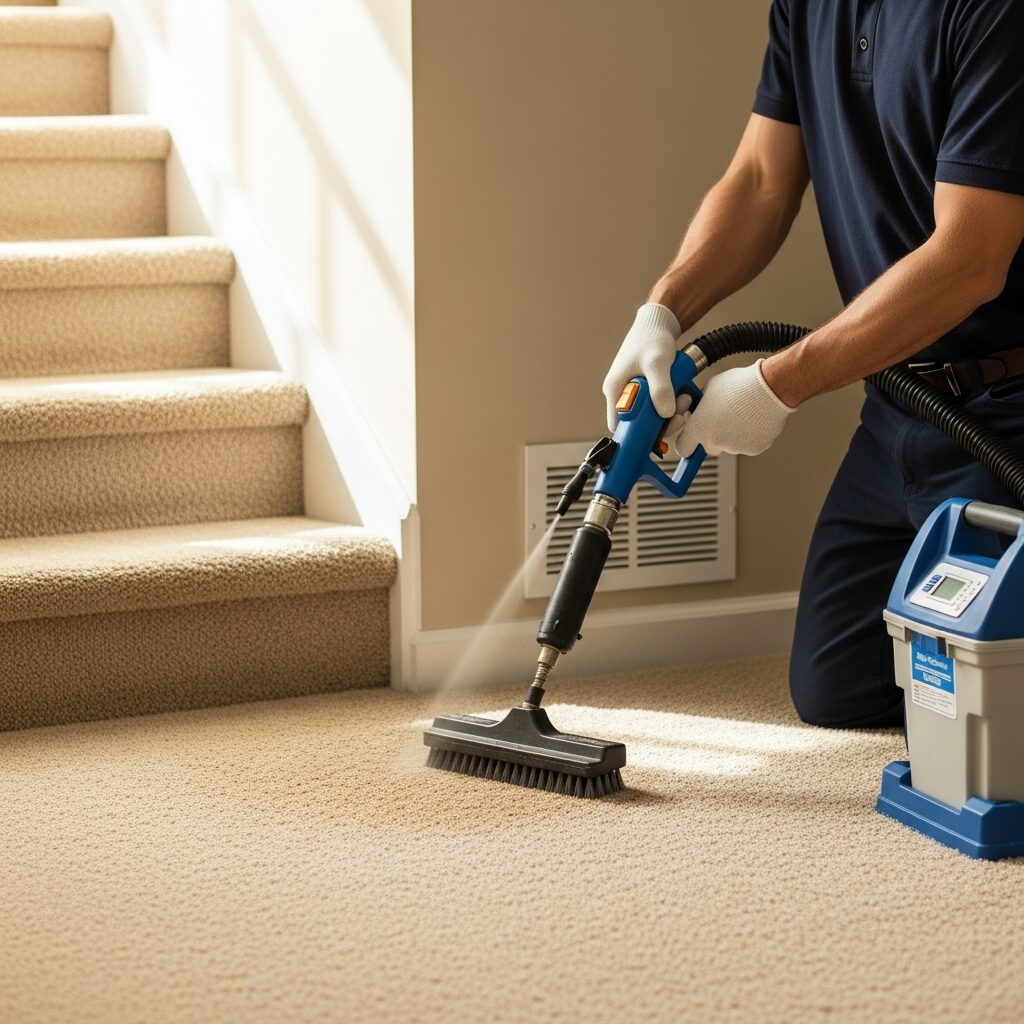
Life in Sherman Oaks brings the kind of indoor-outdoor ease that makes a house feel genuinely lived in. Open a slider to the patio on a late afternoon, and soon friends, pets, and airflow are moving freely in both directions. It’s a wonderful way to enjoy our Valley climate, but it also means carpets shoulder more than their share of foot traffic, airborne dust, and the occasional surprise spill. Over time, certain problems tend to repeat themselves from home to home. Understanding these common carpet cleaning issues—and how to address them—helps you keep rooms looking and smelling their best without disruption to your daily rhythm. It starts with a realistic view of how our neighborhood’s climate, architecture, and habits converge where fibers meet feet.
Perhaps the most visible challenge is traffic-lane graying. Whether you live near Ventura Boulevard in a townhome with stacked floors or on a quieter street in a single-level ranch, daily patterns concentrate along predictable routes: front door to living room, kitchen to sofa, hallway to bedrooms. Soil behaves like ultra-fine sandpaper, dulling fiber tips until the once-even tone grows cloudy. That’s why some areas read tired even when the rest of the room seems fine. Professional cleaning targets these lanes with agitation that loosens embedded grit and rinsing that lifts it out, restoring a more uniform color and pile.
Spots That Return After Cleaning
Few things are more frustrating than a spot that seems gone only to return as a faint halo a day or two later. This “wicking” happens when residue or moisture trapped below the surface migrates upward as the carpet dries. It’s especially common after DIY attempts that saturate without strong extraction. In Sherman Oaks, where humidity can hang around after a rainy week or during a June Gloom stretch, slow drying compounds the problem. The fix is twofold: proper extraction that reaches below the visible fiber and balanced drying that moves air while grooming the nap. When the source is removed and fibers dry evenly, the ghost ring finally disappears.
Another source of recurring spots is detergent residue. Household spotters designed to be safe for many surfaces sometimes leave behind sticky films that attract new soil. The result is a patch that soils faster than the surrounding carpet, giving the impression that the spot is “coming back.” A deep, neutralizing rinse clears those residues and restores an even starting point so routine vacuuming works as intended.
Pet Odors and Accidents
Sherman Oaks is a pet-friendly community, which means the love we have for our companions occasionally collides with the limits of carpet fiber. Pet accidents are more than simple stains; they can penetrate backing and pad, leaving behind compounds that release odor when humidity rises or the room warms in late afternoon sun. Surface-level cleaning may improve the look, but the scent can linger or reappear. Professionals address pet issues with treatments calibrated to the chemistry at hand, followed by thorough rinse and extraction. When needed, more intensive options target the backing and pad. The goal is to remove the source so the home smells like itself again, not like a cover fragrance layered over a problem.
Paw traffic adds its own complexity. Yards and sidewalks carry micro-grit that collects in tufts, particularly near doorways and the first few steps inside. Over time, those zones develop a dull feel and a faint shadow even when they’re technically “clean.” Focused agitation and fiber grooming bring the texture back in these entry corridors so they don’t drag the rest of the room down.
Filtration Soiling Along Baseboards
Look closely at the edges of stairs or along baseboards and you may notice dark lines that don’t respond to typical cleaning. This is filtration soiling—air moving through tiny gaps at the perimeter of rooms and depositing the finest particles in the carpet edges. In Sherman Oaks, where HVAC systems often work hard on hot afternoons and cool nights, those currents are strong. The ultra-fine nature of the soil makes it stubborn. Specialized techniques and tools lift a surprising amount of this darkening, though severe cases may reflect years of buildup. Once treated, improved sealing and regular maintenance reduce its return.
Stairs amplify the issue. They act like wind tunnels for household air movement, funneling fine dust across each tread and riser. Combine that with the heaviest foot traffic in the home and you have a recipe for fast dulling. Cleaning that devotes time to stair edges and landings yields an outsized visual payoff because these areas set the home’s standard at a glance.
Residues From DIY Machines
Rental or consumer-grade machines serve a purpose for emergencies, but they can leave behind more solution than they remove. Detergent residues attract soil and can make fibers feel slightly sticky underfoot. In a climate where doors stay open in the evenings and windows invite breezes, that tackiness becomes a landing strip for airborne dust. The carpet may look fine immediately after your effort but seem dingy within weeks. A professional reset—thorough rinse, balanced pH, complete extraction—restores a truly clean state so results last and routine vacuuming is once again effective.
Over-wetting is another risk with DIY devices. Padding can hold moisture well beyond the surface dry time, creating conditions for odors or discoloration. Technicians manage solution volume and extraction to avoid this trap, then promote airflow for a fast, even finish. The difference shows up the next day when rooms feel fresh, not slightly damp or musty.
Sunlight, Heat, and Fading
We love our light in Sherman Oaks, but strong sun can fade fibers over time, especially in west-facing rooms. Cleaning doesn’t reverse sun fade, yet it often improves the overall look by removing the fine dust that mutates color and obscures pattern. Grooming fibers to reflect light consistently also reduces the perception of unevenness. The best strategy is preventive: rotate rugs occasionally and consider light management with shades during peak hours while keeping the carpet itself free of residue that can accelerate wear.
Heat introduces odor challenges too. On particularly warm afternoons, volatile compounds release more readily from residues trapped in pile. That’s why a room may smell a bit stale even when it appears tidy. Deep cleaning that flushes residues interrupts this effect so the home maintains a neutral scent baseline when the thermostat climbs.
Construction Dust and Neighborhood Upgrades
With renovations common across Sherman Oaks—new kitchens, open-plan conversions, backyard overhauls—construction dust is a regular visitor. It’s ultra-fine, highly mobile, and eager to settle into carpet tufts. Standard cleaning removes much of it, but when projects stretch over weeks, periodic light maintenance keeps the mess from becoming a long-term resident. After the final walk-through, a comprehensive rinse and groom reset the home so it feels truly finished, not simply emptied of tools.
Even without major renovations, small repairs produce their own debris. Sawdust from a built-in shelf upgrade, plaster dust from patching, or particulate from a fireplace refresh all drift into textiles. Addressing these accumulations quickly prevents the dingy haze that otherwise seems to linger for months after the project technically ends.
The Middle Ground: Matching Solutions to Problems
Not every issue needs a dramatic response; the best results come from pairing the solution to the scale of the problem. A faint traffic shadow responds to focused agitation and grooming more than to aggressive chemistry. A stubborn pet spot may call for an enzyme treatment targeted specifically to the compound in question, followed by thorough rinsing. When you build a schedule that includes periodic professional carpet cleaning and thoughtful daily habits—like slow, overlapping vacuum passes along known paths—the house maintains a pleasantly steady standard that makes everything else easier.
Communication helps here. Share which doors stay open most, where kids drop backpacks, and which corners the dog claims as a lookout. Those details guide a technician’s focus so time and technique are spent where they pay back every day. The result feels personalized because it is; your home’s stories are written in its fibers, and good cleaning reads them well.
Frequently Asked Questions
Why do spots keep coming back on my stairs?
Stairs concentrate both foot traffic and airflow, making them prone to wicking and filtration soiling. Proper extraction, thorough drying, and edge-focused cleaning reduce the chance that spots will resurface after service.
Can professional cleaning remove pet odors completely?
Often, yes. Success depends on the extent of the issue. Surface treatments combined with deep rinsing handle many cases; persistent odors that have reached the pad may need more targeted steps. Either way, source removal outperforms cover-up fragrances.
What causes dark lines along baseboards?
Filtration soiling from air moving under walls and through gaps deposits ultra-fine particles at the carpet’s edges. Addressing it requires specialized tools and patience, followed by improved sealing and regular maintenance to slow its return.
Is DIY cleaning bad for my carpets?
DIY isn’t inherently bad, but over-wetting and residue are common pitfalls. Without strong extraction and a proper rinse, detergents can linger and attract new soil. A professional reset clears the slate so future upkeep is easier.
How do I prevent traffic lanes from getting so dull?
Vacuum slowly with proper height settings, address spills promptly, and schedule periodic professional care with extra attention to high-use paths. Grooming after cleaning helps light reflect evenly, reducing the look of wear.
When you’re ready to solve the issues you recognize in your own rooms—recurring spots, stubborn odors, tired traffic lanes—book expert carpet cleaning with a team that understands Sherman Oaks homes. Enjoy fresher air, brighter textures, and the confidence that your floors can keep up with the way you really live.