
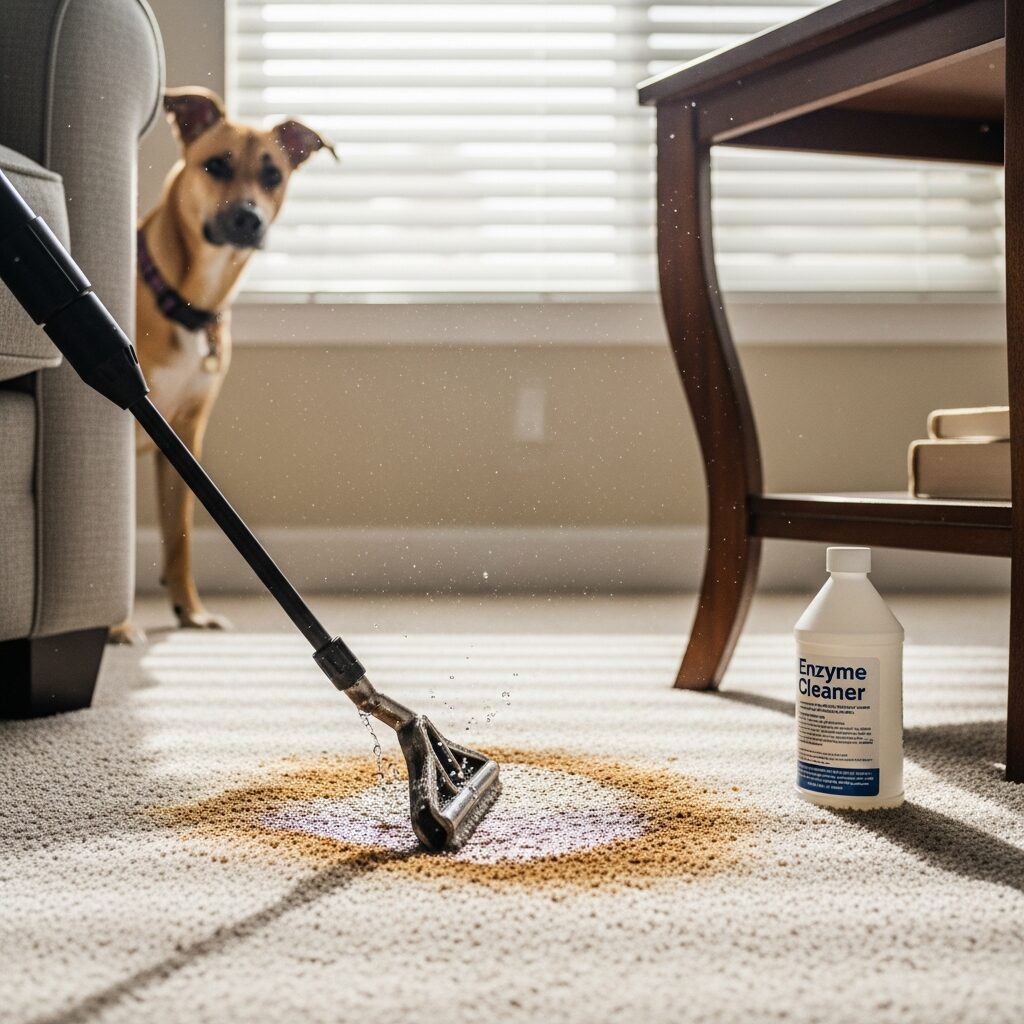
Anyone who has shared a home with a dog that loves the park or a cat that treats the windowsill like a stage knows that carpets tell the story of our pets’ daily adventures. In Sherman Oaks, where weekend hikes, café patios, and shaded neighborhood walks are part of the rhythm of life, that story often includes two recurring characters: pet stains and dust. They arrive quietly and settle deep, weaving themselves into the fibers until they seem like part of the scenery. Understanding how and why they behave the way they do is the first step to reclaiming the color, texture, and freshness of the rooms where we spend the most time. And it is why so many households turn to professional carpet cleaning to keep up with the pace of Valley living.
The challenge starts with the Valley’s climate. Dry air, erratic breezes, and bursts of Santa Ana winds carry fine particulates that drift into homes relentlessly. At the same time, pets track in oils from their coats, microscopic soil from sidewalks and trails, and the occasional biological accident. Dust and dander bond with those oils to form a stubborn film that regular vacuuming cannot quite dislodge. Over weeks, that film dulls colors, exaggerates traffic lanes, and contributes to a faint but unmistakable background odor that says more about the last month’s weather than about your housekeeping.
Pet Stains: Chemistry, Migration, and Odor
Pet accidents are complex. They are not just colored liquid on fiber; they are a mix of water, urea, salts, and organic compounds that can change character as they dry. The earliest phase may be invisible, but as moisture evaporates, residues concentrate, sometimes crystallizing into substances that reabsorb water from the air and pull the stain back to the surface. That is why a spot can appear to vanish after blotting, only to return when the room grows humid or the air conditioner cycles off overnight.
Even more frustrating is what happens beneath the face yarn. Gravity draws liquid down into the backing and the pad. If you add too much water while trying to clean it yourself, you can flush residues deeper without removing them, creating a reservoir that feeds odor and causes repeat staining, known as wicking. A successful response addresses the top, the backing, and, when necessary, the pad—then manages drying so that what was extracted does not simply rise again to announce itself later.
Dust: The Valley’s Invisible Houseguest
Dust in Sherman Oaks is not a single thing. It is a cocktail of fine mineral particles, plant matter, pollen, airborne rubber from tires, and soot-like specks from traffic. It floats through open windows on mild nights and barges in during wind events. On carpet, dust behaves differently than on hard floors. It settles more quietly and tends to stay put until lifted by feet, paws, or a vacuum. That is a double-edged sword. The carpet holds dust out of the breathing zone, which is good, but it also means that if you do not remove it effectively, it will sit there and compress into the fiber, dulling the surface and setting the stage for persistent dinginess.
Quality vacuuming is your first defense, but deep cleaning breaks the bond that forms between oily residues and dust. The longer that bond remains, the more it resists disruption, which is why traffic lanes can look tired even after an enthusiastic DIY effort. Professionals choose methods that dissolve the glue, so to speak, and extract it thoroughly without over-wetting the backing or pad.
Odor Control: More Than Perfume
Nothing undermines a fresh room faster than a faint pet odor lingering after a sunny afternoon. Masking odors with fragrance simply delays the problem. True deodorization targets the source, breaking down odor-causing molecules and extracting contamination from the substrate. Subsurface tools can reach through the face yarn into the pad to pull out material that would otherwise sit and simmer. Afterward, controlled drying locks in the improvement by preventing the conditions that let stale notes rise again.
Smell is powerful because it blends chemistry with memory. When a home smells like itself—clean, neutral, sunlit fabric and fresh air—it invites you to relax. When it carries the whisper of last month’s accidents or a week of windblown dust, it undermines that comfort. The right cleaning sequence reclaims the space so it feels like home again, not a running ledger of everything that has happened to the carpet.
Common DIY Mistakes and How to Avoid Them
The biggest trap with pet stains is over-application—too much liquid, too strong a product, or scrubbing that frays fibers. Scrubbing spreads the problem and distorts the texture; heavy detergents leave residues that attract dirt; excess water pushes contamination deeper. Instead, blot patiently with a clean, white towel and a small amount of cool water. If the spot persists or odor lingers, it is usually a sign the issue has migrated downward, and that is when professional attention saves time and prevents collateral damage.
For dust and general dinginess, the pitfall is using a cleaner that foams heavily or is not designed for rinse extraction. The eye sees bubbles and assumes they equal cleanliness, but in carpet care, foam is a complication, not a solution. It tends to sit in the fiber and act like Velcro for new soil. Professionals rely on controlled chemistry and ample rinsing, which leave the carpet feeling soft and natural instead of gummy.
Why Professional Methods Work Better
Experienced technicians start with assessment. They identify fiber type, backing, the age and source of stains, and the predominant soil category. That informs pre-treatments tailored to dissolve specific residues, gentle agitation that frees soil without damaging the pile, and extraction that removes both the problem and the solution. In homes with pets, enzyme or oxidizing treatments might be sequenced to neutralize odor-causing compounds. For dust-heavy rooms, focus shifts to lifting the fine particulate load, restoring color brightness, and setting the pile so that future vacuuming is more effective.
Another advantage is drying management. Rapid, thorough extraction means less time for wicking to occur. Air movers and attention to room airflow finish the process, especially valuable in cooler, shaded rooms where evaporation is slower. The difference between a good and a great cleaning often shows up the next day: the spot does not return, the room smells like fabric and light, and the texture stays consistent from wall to wall.
Living With Pets: Setting Realistic Expectations
Even with excellent housekeeping, pet households will see more spots and more rapid soil accumulation. The goal is not perfection; it is a steady rhythm that keeps little issues from turning into big ones. Quick blotting after an accident, regular vacuuming with slow passes, and periodic deep cleaning form a trio that protects both health and aesthetics. With a plan in place, the carpet becomes a cozy stage for play, naps, and evenings in, not a fragile surface that invites constant worry.
Over time, this rhythm becomes second nature. You learn the difference between a new spill and the faint shadow of an old one. You recognize where your dog likes to roll after a walk and place a small rug or rotate furniture to distribute wear. Most importantly, you stop losing weekends to battle recurring spots because your maintenance interrupts the cycle that causes them.
Scheduling for Sherman Oaks Conditions
Timing matters. After a gusty week, a home can accumulate surprising amounts of dust. Post-grooming days might bring an uptick in oil transfer from pet coats to carpet. Short, targeted appointments aimed at high-traffic lanes or known pet zones help sustain results between full cleanings. When Santa Ana winds arrive, it pays to close windows, run HVAC filtration, and plan a reset once the event passes. That approach honors the reality of our microclimate and keeps your home one step ahead of the next wave of dust.
In the middle of your maintenance calendar, commit to periodic carpet cleaning to break the accumulation cycle. With a predictable cadence, you will notice fewer surprises, fewer lingering odors, and carpet that holds its color and hand longer, even in rooms that see a lot of paws and play.
From Living Room to Bedroom: Different Rooms, Different Needs
Family rooms next to patios collect gritty soils and pet prints; bedroom carpets gather a lighter film from skin oils, cosmetics, and household dust. Hallways show compression and wicking because of frequent turns and friction. Each zone benefits from tweaks in approach—more aggressive soil suspension near entryways, gentler rinsing on delicate fibers, more attention to edges where dust sifts down from baseboards. A nuanced plan keeps your carpet coherent from room to room rather than patched together by a series of emergency spot treatments.
Stairs deserve special attention as well. They compress underfoot and collect the very fine particulate that rides low in the air. Restoring uniform color and pile on stairs has an outsized impact on how fresh the whole home feels, because you see and touch those treads multiple times a day.
Health, Comfort, and the Human Factor
Clean carpet is about more than looks. For allergy sufferers, every reduction in dust load translates into gentler mornings and calmer evenings. For families with kids and pets, it is the difference between a floor that dusts up every time someone flops down and a surface that simply supports the fun. The quieter scent profile that follows a good cleaning helps everyone relax. You do not need to be a chemist to recognize that a room smells correct; your body knows, and it settles deeper into the couch when it does.
There is also a social aspect. We want to welcome friends without apologizing for the rug in front of the sofa or the faint doggy note that catches the light at four in the afternoon. Keeping ahead of pet stains and dust returns hospitality to your home so you can focus on conversation rather than camouflage.
Frequently Asked Questions
Q: Why do pet stains come back after I clean them?
A: Residues can wick from the pad and backing up into the face yarn as the carpet dries or when humidity rises. Effective treatment addresses the full depth of the contamination and manages drying to prevent reappearance.
Q: Can I use vinegar or baking soda to fix pet odors?
A: These household staples may reduce a fresh odor temporarily, but they rarely neutralize the compounds that cause persistent smells and can leave residues that attract dirt. Professional products and extraction reach the source and remove it.
Q: How often should pet owners schedule deep cleaning?
A: In Sherman Oaks, quarterly to semiannual cleaning is common for pet households, with spot visits as needed for accidents. Timing cleanings after heavy wind events or during shedding seasons helps maintain results.
Q: Will cleaning make my carpet too wet for pets and kids?
A: Properly executed services balance moisture and extraction so carpets dry within hours. Good airflow and moderate indoor warmth help you return to normal routines quickly and safely.
Q: What vacuums work best for pet hair and dust?
A: High-filtration machines with a well-designed brush roll lift hair and fine particulate effectively. Slow passes matter more than brute force; give the vacuum time to work so it can collect what is embedded.
Q: Can every pet odor be removed?
A: Most can be greatly reduced or eliminated, especially when addressed promptly. Severe, long-standing contamination in the pad or subfloor may require additional steps, which a professional will explain after inspection.
Take Back Your Floors
Your carpet should reflect the warmth and vitality of life in Sherman Oaks, not the residue of windstorms and playdates. When you are ready for comfortable rooms that smell clean and look true to color, schedule local carpet cleaning and enjoy the calm that comes from knowing pet stains and dust do not stand a chance against a smart, steady plan.