
Keeping carpet beautiful and healthy in Sherman Oaks is less about occasional heroics and more about rhythm. Our neighborhood’s lifestyle—open windows on gold-lit evenings, weekend patio brunches, weekday dog walks, and the steady pulse of traffic along Ventura—fills homes with a mix of fine dust, pollen, and everyday oils. Add in kids at play, pets napping in sun patches, and the natural wear of foot traffic, and you have a recipe for carpets that need ongoing attention to stay soft, clean, and inviting. The good news is that a thoughtful maintenance plan is simple to live with and makes a dramatic difference. From smart daily habits to periodic professional carpet cleaning, the right cadence preserves appearance, supports healthy indoor air, and extends the life of your flooring.
Think of maintenance as a conversation between your home and the Valley. Dust arrives on breezes; you respond with slow, thorough vacuuming. A pet has an accident; you blot promptly and call for targeted help before the problem migrates into the pad. A gusty week leaves the living room looking dull; you schedule a mid-season refresh to break the buildup cycle. When you move with the seasons and the small events of daily life, you stay comfortably ahead of the curve, and your carpet keeps doing what it does best: cushioning sound, warming rooms, and providing a clean, soft surface for everything from yoga stretches to LEGO builds.
Understanding Sherman Oaks Conditions
Our microclimate combines dry warmth, occasional winter rains, and the periodic intensity of Santa Ana winds. Fine particulates collect on outdoor furniture and car windshields; they collect on carpet too. Because carpet can hold particles in place, it helps keep dust out of the breathing zone—provided you remove that dust routinely. Humidity swings also matter. A damp evening or a minor spill that sinks deeper than you realize can create pockets of moisture in the backing or pad. Left alone, those pockets can produce odor or discoloration, especially in shaded rooms that do not warm quickly. Maintenance is, in essence, your plan for these realities.
Patterns of use shape needs as well. Rooms near sliding doors, entries, or pet zones accumulate gritty soils that abrade fiber tips. Bedrooms and home offices collect a film from skin oils, cosmetics, and lighter household dust. Stairs compress and snag more easily. Each of these areas responds best when you tailor the frequency and intensity of care to the way they are used.
Daily and Weekly Habits That Pay Off
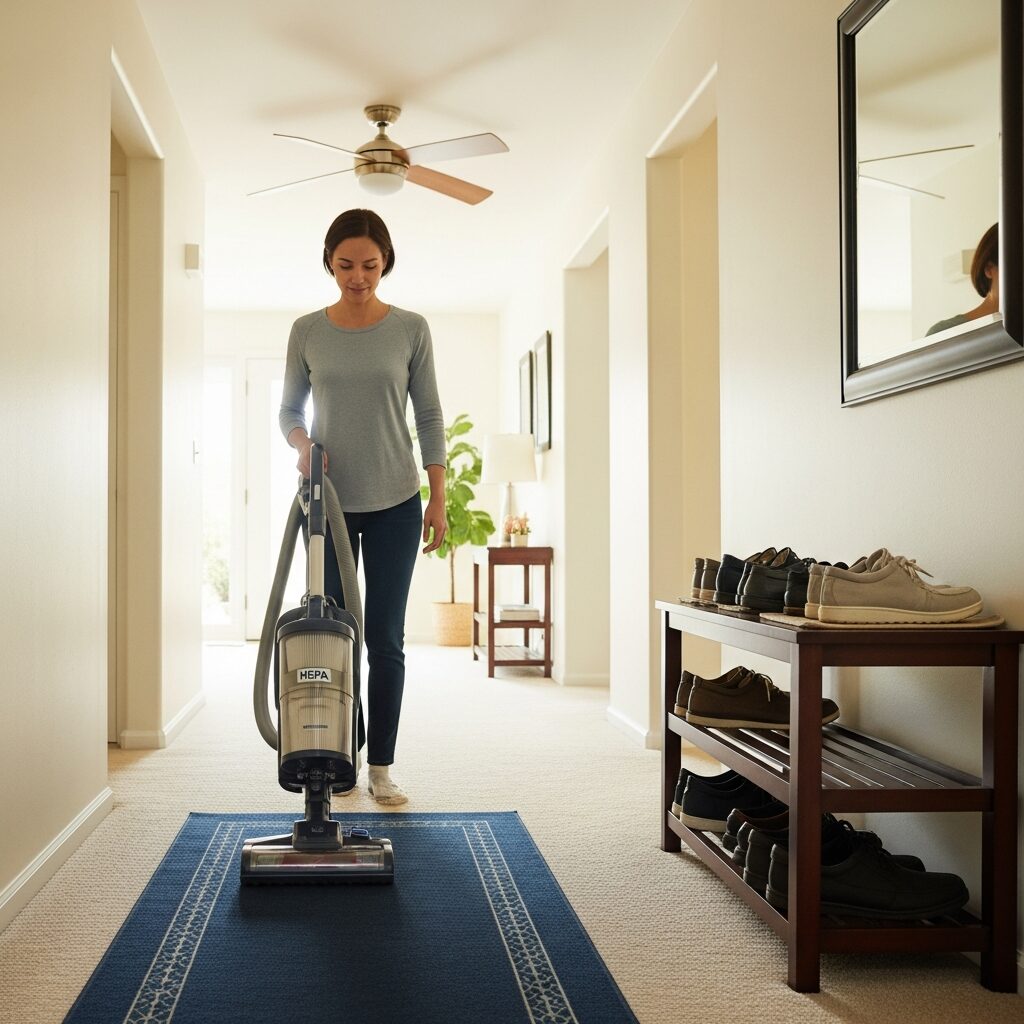
The single most effective habit is slow, deliberate vacuuming. Give your machine time to lift embedded dust; one measured pass often outperforms two hurried ones. Focus on the first few feet inside exterior doors and the lanes your family walks most. Encourage a shoes-off habit where practical, and use entry rugs to catch grit before it migrates deeper into the home. Blot spills immediately with a white towel and a small amount of cool water, resisting the urge to scrub or saturate the area.
Rotate small rugs and rearrange movable furniture a couple of times a year to distribute wear. Pet beds placed on easily washable throws help keep oils and dander from transferring to carpet. On high-pollen days or during Santa Anas, keep windows closed and let the HVAC system filter the air; resume gentle cross-ventilation when the wind eases.
Monthly and Seasonal Resets
Even with excellent habits, soils slowly accumulate. A monthly extra pass on traffic lanes and edges, where dust sifts down alongside baseboards, helps prevent gray shadows from forming. After the windiest weeks, a focused cleanup of entry areas, stairs, and the family room restores the space before dullness can set in. Seasonal resets are about rhythm rather than rescue; they acknowledge that Sherman Oaks life is wonderfully active, and your carpet needs a moment to catch its breath too.
In households with pets, add a layer: inspect favorite nap spots and play zones for the faint outlines of spots you may have missed. Addressing them early prevents wicking, the phenomenon where a stain appears to return as residue rises during drying or humid days. These small interventions preserve both appearance and scent profile.
When and Why to Call the Pros
Professional cleaning is the keystone that makes all the little efforts pay off. Hot-water extraction and other methods dissolve and remove what vacuuming cannot: oils that bind dust, residues from DIY spotters, and embedded grit that abrades fibers. Done on a schedule, this reset keeps your routine simple and effective. In Sherman Oaks, most homes benefit from semiannual service, while pet households or those that love open-window living often do well with quarterly visits. The goal is to interrupt accumulation before it announces itself with dull lanes or a persistent, unplaceable odor.
The first deep clean after a long gap can feel transformative. Colors return, texture lifts, and the whole house seems to exhale. After that, maintenance becomes easier; each subsequent visit is more about keeping a good thing going than fixing problems. That is the sweet spot—where your carpet simply participates in a healthy, well-tuned home rather than demanding attention.
Choosing Methods That Match Your Carpet
Not all fibers respond the same way. Nylon and solution-dyed synthetics tolerate more agitation and temperature. Wool and certain blends prefer milder chemistry and cooler water. A pro will identify fiber type, construction, and existing conditions—like seam visibility or areas prone to wicking—before selecting the right process. That match protects the carpet while still lifting what makes it look and feel tired.
Drying is part of that match. High-extraction equipment, balanced solution application, and good airflow minimize downtime and reduce the chance that residues rise back to the surface. In our dry climate, a well-managed service often returns rooms to regular use within hours, which makes maintenance easier to fold into busy schedules.
Handling Spots Without Making Things Worse
Spot response is a skill. The enemy is impatience. Blot; never scrub. Apply a small amount of cool water and keep switching to a clean section of the towel as it absorbs the spill. If color remains, avoid store-bought products that foam heavily or promise miracle results—they often leave sticky residues. Instead, note the spot’s location and source if you know it, then get professional help. Targeted treatment can address the chemistry of the spill without spreading it or pushing it deeper.
For pet accidents, remember that what you see is often less than half the issue. Liquid travels down and out; odors linger in the pad if not extracted. If a spot continues to announce itself, that is your cue that subsurface treatment is needed. Quick attention saves time and frustration later.
Protecting High-Use Zones
Entryways, stairs, hallways, and family rooms ask more of your carpet. A few protective strategies reduce wear: capture grit at doors, rotate small rugs, and consider a fiber protection treatment suited to your carpet type after deep cleaning. These steps keep soils from bonding as readily, which in turn helps your vacuuming and spot response work better. They also help traffic lanes resist that tired, gray look that seems to set in overnight.
Light furniture rotation prevents permanent divots and color inconsistencies. If you love abundant natural light, remember that UV can subtly fade certain fibers over time. Closing shades during peak hours on the sunniest days helps preserve color, and cleaning restores brightness so the overall tone remains even.
Integrating Carpet Care With the Rest of the Home
Carpet does not exist in isolation. HVAC filters, window habits, and housekeeping all influence how quickly soils settle and how thoroughly they are removed. Change filters on schedule, dust higher surfaces that shed onto floors, and vacuum under furniture when practical. These simple additions create a virtuous cycle where each task supports the others and your home stays consistently fresh.
After a remodel or painting project, prioritize a reset. Fine construction dust can migrate for weeks, and paint overspray or sanding byproducts behave like glue for new soil. A post-project cleaning before you realign furniture brings the room back to baseline and protects your long-term maintenance rhythm.
The Human Side of Maintenance
Healthy carpet care changes how a home feels. Fewer lingering odors and less airborne dust translate into easier breathing and calmer evenings. Parents worry less when kids sprawl across the floor. Pets choose the soft spot by the window without leaving a telltale scent behind. The quiet visual of true-to-color carpet makes rooms feel ordered and welcoming, which has its own wellness benefit.
There is also the satisfaction of stewardship. When you care for a thing in rhythm with its needs, it rewards you with more useful life and better performance. Carpets that receive routine attention last longer and look better, reducing waste and avoiding the disruption of premature replacement.
Frequently Asked Questions
Q: How often should I vacuum in Sherman Oaks?
A: Two to three times a week for most homes, with slow passes on traffic lanes. Pet households or open-window lovers may benefit from daily attention in high-use areas.
Q: What is the ideal professional cleaning schedule?
A: Semiannual service works well for many homes. Quarterly visits suit households with pets, high traffic, or strong indoor-outdoor living habits. The right schedule prevents buildup rather than reacts to it.
Q: Will professional cleaning remove all stains?
A: Most stains improve dramatically, and many disappear, especially with prompt attention. Long-standing or dye-based stains may leave a faint trace but usually look significantly better after targeted treatment.
Q: How long does drying take?
A: With balanced application and strong extraction, carpets often dry within a few hours in our climate. Air movement and moderate warmth help, and rooms typically return to full use the same day.
Q: Can I prevent re-soiling after cleaning?
A: Yes. Proper rinsing during cleaning, followed by fiber protection where appropriate and consistent vacuuming, helps keep soils from bonding and makes future maintenance more effective.
Q: What about wool or special fibers?
A: These benefit from gentler chemistry, cooler water, and controlled agitation. Communicate fiber type if known, and a professional will tailor the method to protect texture and color.
Bring Your Carpet Back to Life
If you are ready for softer steps, clearer air, and colors that read true from morning to evening, set your home on a steady maintenance path. Start with a reset and schedule ongoing carpet cleaning that matches Sherman Oaks conditions. With the right rhythm, your carpet will reward you day after day with the quiet comfort that makes a house feel like home.